The Trump administration made its latest move on immigration Wednesday when it announced that it will end a long-standing rule that limited child detention to 20 days.
The new rule, ending the so-called Flores agreement, will allow officials to hold families in detention indefinitely for the duration of immigration cases, which could be much longer than previous limit. Details of the new rule will be released Friday and will need approval from a federal judge.
At a press conference in Washington, Acting Secretary of Homeland Security Kevin McAleenan told reporters: "No child should be a pawn in a scheme to manipulate our immigration system, which is why the new rule eliminates the incentive to exploit children as a free ticket".
This rule extends the administration's "zero tolerance" policy, requiring all asylum seekers to be held in detention until their case can be processed.
Speaking before his departure to Kentucky Wednesday morning, President Trump again cast blame for the current immigration conditions on his predecessor, saying, "President Obama built the cells, the cages that you people talk about and attribute them to me."
He said abolishing the Flores agreement "will do even more to bring [migrant families] together."
"We already have about 11,000 children — most of them are unaccompanied — being held in a gulag across America," Sen. Jeff Merkley (D-Ore.) told Cheddar in an interview on Tuesday prior to the announcement of the Flores rollback. "I thought we'd never see internment camps promoted again".
The senator also said that Americans have to focus less on Trump's tweets and anti-immigrant banter, and more on the issues that matter to the ideals of what makes the nation so unique.
"Right now what is happening in America, with our money, with our government, on our land, is an abomination on human rights."
Merkley, one of the original members of Congress to bring the detention issue to national attention in 2017, has proposed a solution: bringing back the family case management program.
"By this administration, we found that 99 plus percent of families showed up for their check-ins, showed up for their hearings, when they had a case manager. This administration shut it down," he said. "They are causing families, through lack of communication, who fail to show up and then they are complaining about it."
House Speaker Nancy Pelosi wrote in a statement, "The indefinite and prolonged detention of children would compound the cruelty and accelerate the heart-breaking humanitarian situation at the border, worsening conditions for children already forced to sleep on concrete floors, eat inedible food and be denied basic sanitation and standards of care."
As anti-immigrant rhetoric continues to be a focal point in Trump's 2020 re-election bid, Democratic candidates are pouncing on the current administration, proposing new solutions to the problem.
Although Merkley did not endorse a specific candidate's plan to Cheddar, he explained, "I think all the candidates up there are firmly saying that we cannot count this dark, evil force of mistreating children as a political strategy."
Later today House Republicans will grill Snap, Tiktok and Youtube on how their products affect the mental health of teenagers. It comes after a report revealed that Facebook's photo sharing platform, Instagram, can be harmful to teen's mental health. Rishi Bharwani, Director of Partnerships and Policy, Accountable Tech joined Cheddar's Opening Bell to discuss.
As the White House and Congressional leaders work towards finalizing the legislative framework of the Build Back Better budget deal, paid family leave, one of the hallmarks of President Joe Biden's Social Safety Net agenda, still stands in flux. Molly Day, Executive Director, Paid Leave for the U.S. joined Cheddar's Opening Bell to discuss why the finalization of this bill is imperative.
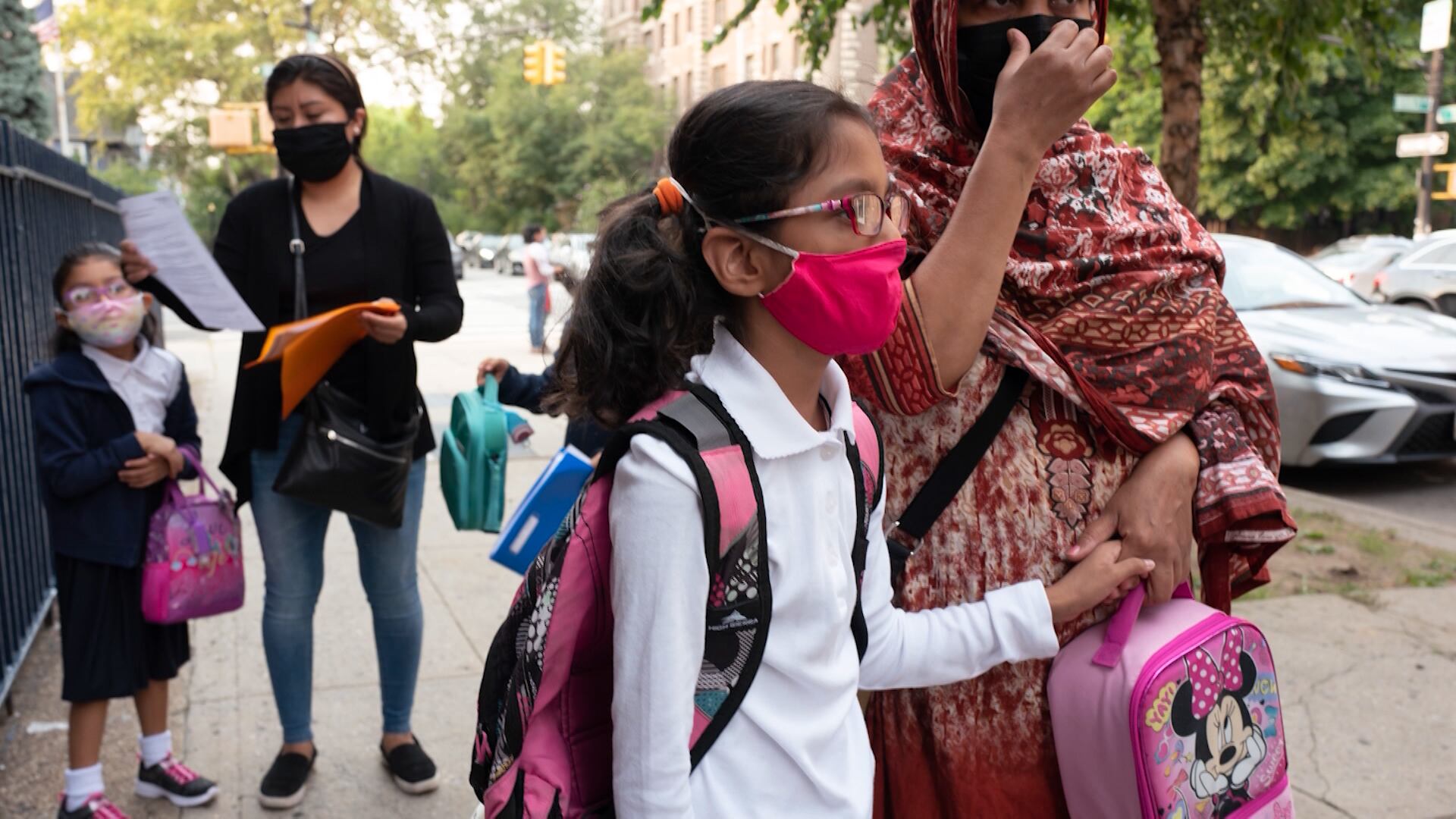
Marjorie Mesidor, Esq., Partner, Phillips and Associates, PLLC and Dr. Anthony Santela, professor of health administration and university covid coordinator at the University of New Haven join J.D. Durkin and None Of The Above to talk about the expected fallout from New York City's vaccine mandate.
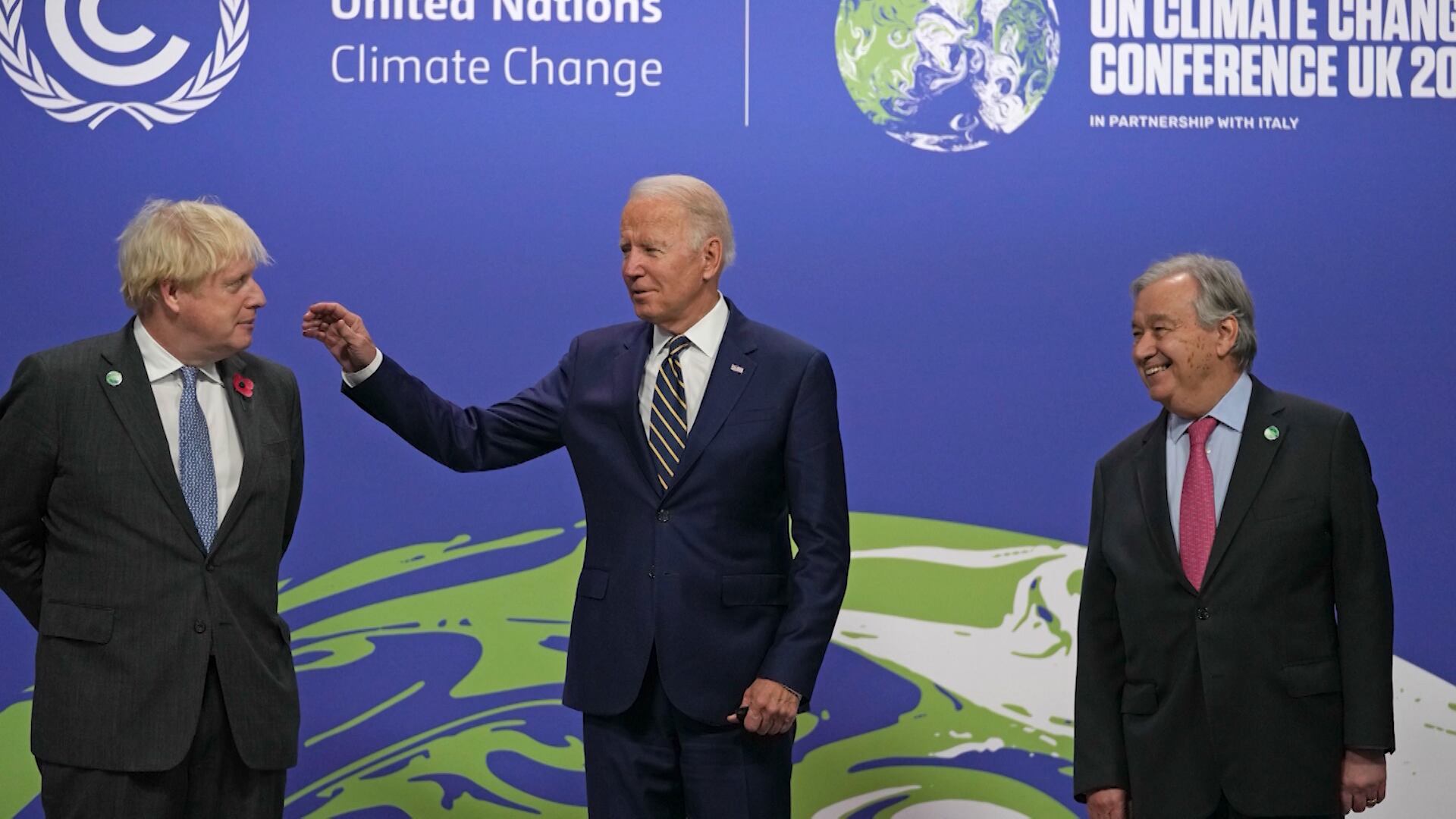
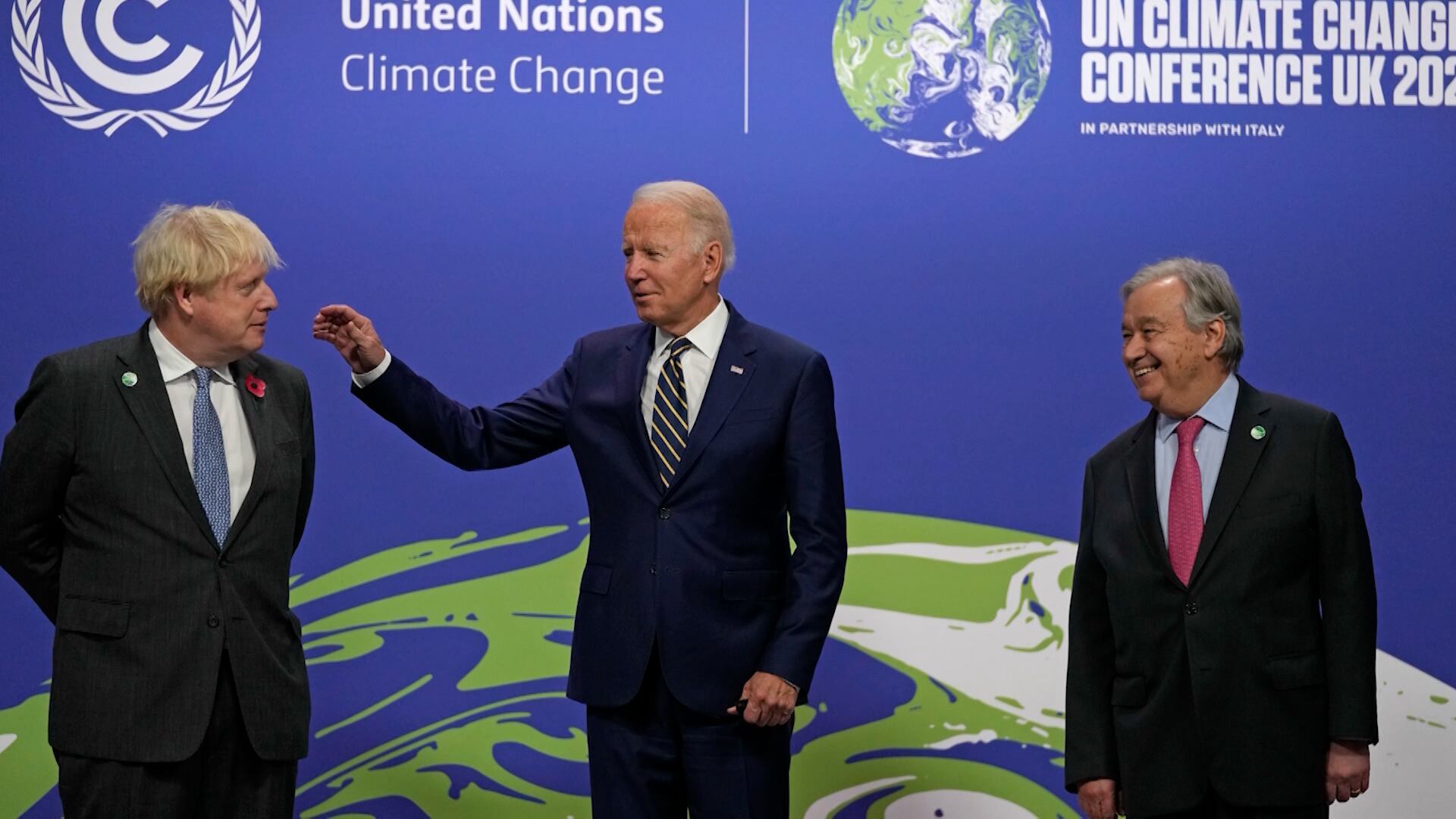
Leaders around the world have come together to discuss plans to bring action towards the Paris Agreement along with solutions on how to solve the evolving climate change crisis at the COP26 Summit. President and CEO of Center for International Environmental Law Carroll Muffett, joined Cheddar to discuss more.
Rachel Cleetus, the policy director and lead economist of the climate and energy program for the Union of Concerned Scientists, joined Cheddar to break down some of the key goals from the COP26 summit and why leaders must focus on the science of climate change instead of getting bogged down by petty politics and the fossil fuel industry. "The main thing they have to do, make sure we're cutting our emissions sharply within this decade because the science shows that we have to cut global emissions in half by 2030 if we're going to meet our goals of averting some of the most catastrophic impacts of climate change," she said.
Carlo and Baker cover the big races to watch on this off-cycle Election Day, the concrete pledges starting to come out of COP26, Jeffrey Epstein keeps causing CEOs to lose their jobs, and Ryan Murphy's TV hit that wasn't.
The Dow, S&P, and Nasdaq begin November by not only ending Monday's session higher but with a record close as well. Melissa Armo, Founder and Owner of The Stock Swoosh, has her eye on major economic storylines and joins Cheddar News' Closing Bell to discuss what role the news could play on Wall Street.
The UN climate change conference kicked off on Sunday with about 120 world leaders and delegates gathering in Glasgow, Scotland this week, as experts continue to warn about the harms of heightened emissions and the effects on climate change. The topic of ESG investing is expected to be a top priority at the summit. Jefferies global head of ESG and sustainability research Aniket Shah joined Cheddar News' Closing Bell to discuss.
Gifted and talented education programs in schools throughout the United States are falling under greater scrutiny as the race and class divide in the programs remain wide. Marcia Gentry, a professor of educational studies and the director of the Gifted Education Research and Resource Institute at Purdue University, joined Cheddar to weigh in on if advanced tracking for students can also be equitable for lower income students and students of color.
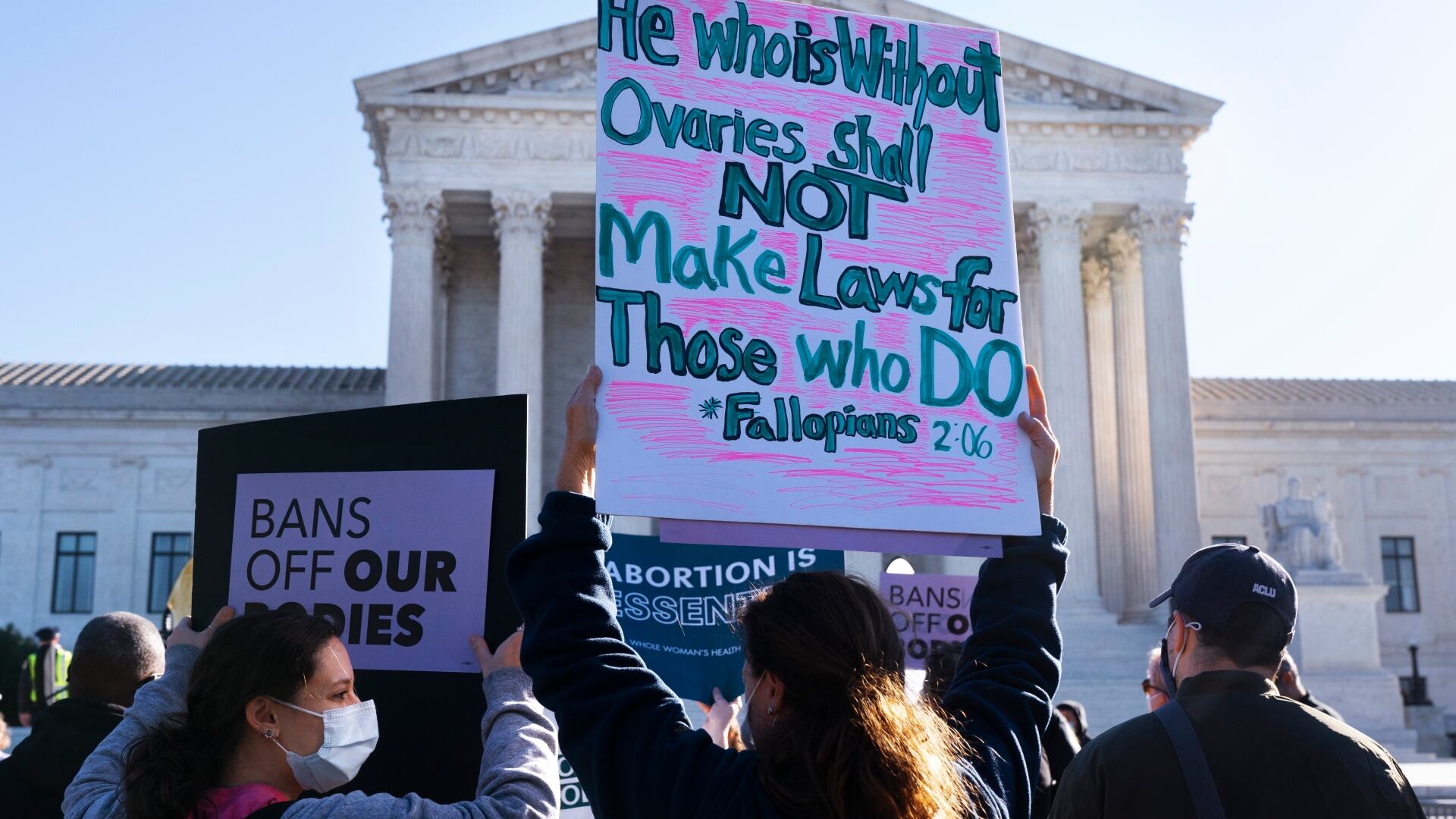
The Supreme Court is now weighing in on one of the nation's most restrictive abortion laws. The Texas law, which was enacted on September 1, bans abortions after six weeks of pregnancy. In addition, it allows any private citizen to sue anyone who helps a woman get an abortion. Jimmy Hoover, Supreme Court Editor-At-Large at Law360, joined Cheddar News to discuss more.