The Trump administration made its latest move on immigration Wednesday when it announced that it will end a long-standing rule that limited child detention to 20 days.
The new rule, ending the so-called Flores agreement, will allow officials to hold families in detention indefinitely for the duration of immigration cases, which could be much longer than previous limit. Details of the new rule will be released Friday and will need approval from a federal judge.
At a press conference in Washington, Acting Secretary of Homeland Security Kevin McAleenan told reporters: "No child should be a pawn in a scheme to manipulate our immigration system, which is why the new rule eliminates the incentive to exploit children as a free ticket".
This rule extends the administration's "zero tolerance" policy, requiring all asylum seekers to be held in detention until their case can be processed.
Speaking before his departure to Kentucky Wednesday morning, President Trump again cast blame for the current immigration conditions on his predecessor, saying, "President Obama built the cells, the cages that you people talk about and attribute them to me."
He said abolishing the Flores agreement "will do even more to bring [migrant families] together."
"We already have about 11,000 children — most of them are unaccompanied — being held in a gulag across America," Sen. Jeff Merkley (D-Ore.) told Cheddar in an interview on Tuesday prior to the announcement of the Flores rollback. "I thought we'd never see internment camps promoted again".
The senator also said that Americans have to focus less on Trump's tweets and anti-immigrant banter, and more on the issues that matter to the ideals of what makes the nation so unique.
"Right now what is happening in America, with our money, with our government, on our land, is an abomination on human rights."
Merkley, one of the original members of Congress to bring the detention issue to national attention in 2017, has proposed a solution: bringing back the family case management program.
"By this administration, we found that 99 plus percent of families showed up for their check-ins, showed up for their hearings, when they had a case manager. This administration shut it down," he said. "They are causing families, through lack of communication, who fail to show up and then they are complaining about it."
House Speaker Nancy Pelosi wrote in a statement, "The indefinite and prolonged detention of children would compound the cruelty and accelerate the heart-breaking humanitarian situation at the border, worsening conditions for children already forced to sleep on concrete floors, eat inedible food and be denied basic sanitation and standards of care."
As anti-immigrant rhetoric continues to be a focal point in Trump's 2020 re-election bid, Democratic candidates are pouncing on the current administration, proposing new solutions to the problem.
Although Merkley did not endorse a specific candidate's plan to Cheddar, he explained, "I think all the candidates up there are firmly saying that we cannot count this dark, evil force of mistreating children as a political strategy."
Big Apple workers who deliver for food apps like Doordash and Grubhub will now receive a number of legal protections provided through a package of new regulations that have started going into effect. These updated rules include more control over their deliveries, pay and tip transparency, a higher minimum pay rate, and access to restaurant bathrooms during the workday. New York City Comptroller Brad Lander joined Cheddar to elaborate on the regulations and how the platform holders reacted. "I have to say it's a mixed bag," he said. "Grubhub actually welcomed the legislation and said they recognize they need to do better by their deliveristas, but DoorDash, unfortunately, has actually been pushing back against the legislation."
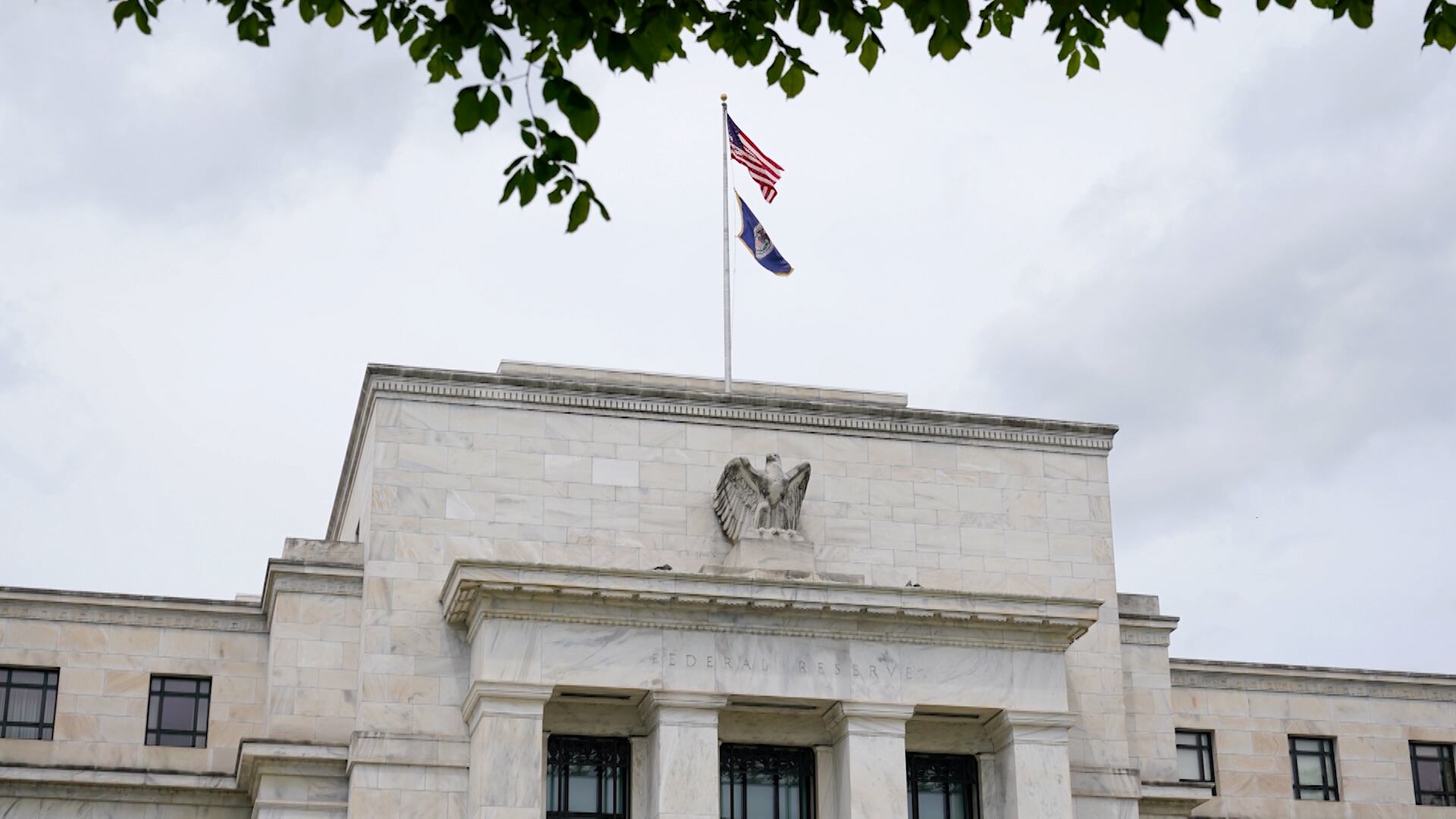
Thomas Hoenig, Former CEO of Federal Reserve Bank of Kansas City and currently Distinguished Senior Fellow with the Mercatus Center, joined Cheddar News' Closing Bell, where he says the Fed's decision was no surprise, but believes the Fed is behind the curve on raising rates.
Legal cannabis businesses are having a hard time surviving in California with the high cost of doing business and a still-thriving illicit market. In response, nonprofit Supernova Women, founded by women of color, is advocating on behalf of Black and brown shareholders in the cannabis industry. Amber Senter, co-founder, executive director, and chairman of the organization, spoke with Cheddar News about calling for changes in the Golden State's taxation system for legal marijuana. "We're really leaning on the legislators now to support the industry and make sure that this industry, in particular craft cannabis, can survive," said Senter.
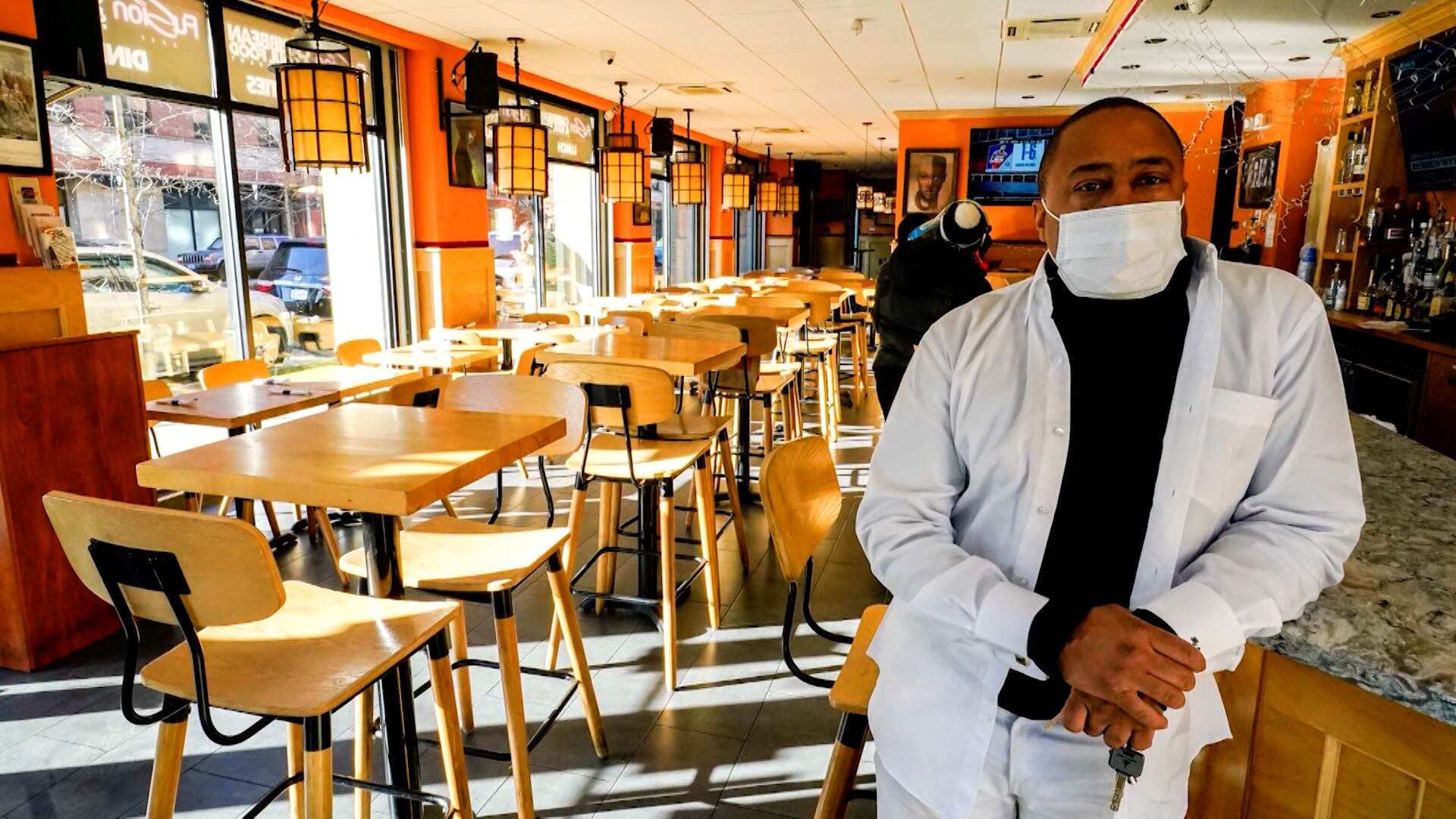
After being among the hardest-hit industries by the pandemic, restaurants are still having a hard time staying afloat, with owners claiming that business is worse now due to closures from staff shortages and customer decline than it was three months ago. Mike Whatley, vice president of state affairs and grassroots advocacy for the National Restaurant Association, spoke to Cheddar News about how the sector is reaching out to lawmakers for help. "Working with Senators Wicker, Sinema, and a whole host of bipartisan leaders, we're trying to get the Restaurant Revitalization Fund replenished," Whatley said.
Communities of color are disproportionately affected by climate change and continuously feel the impacts. Mark Magaña, founding president and CEO of Green Latinos joined All Hands to discuss.
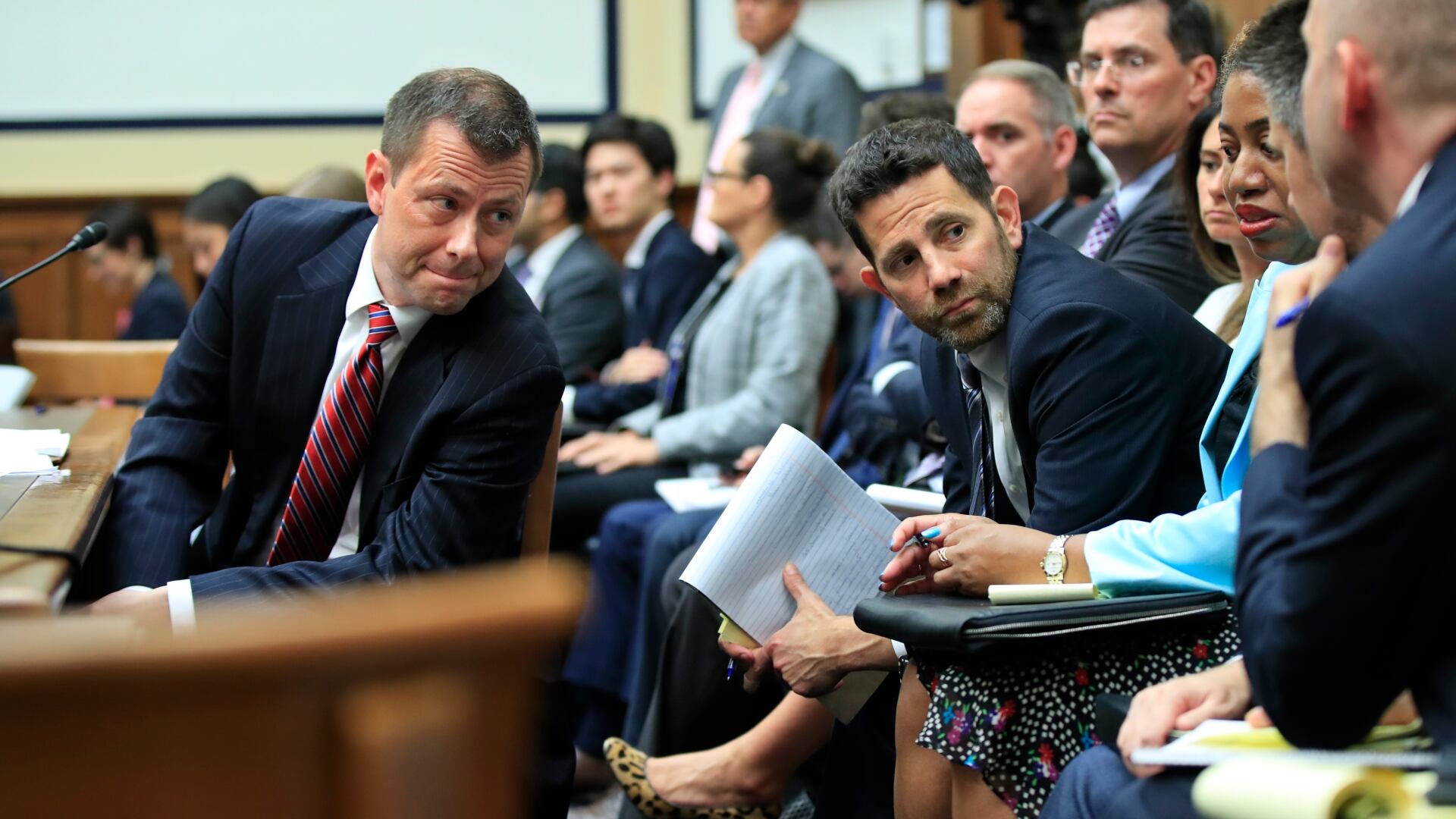
The memoir, "COMPROMISED: Counterintelligence and the Threat of Donald J. Trump", tells a familiar story from a bit of a different source: Peter Strzok himself, former FBI Counterintelligence Agents and Agency Veteran who spent most of his very long career investigating some of the most controversial inquiries, most notably in recent American history. Those inquiries were Hillary Clinton's email to even Trump Russia investigations. Former FBI Agent and Author of "Compromised" Peter Strzok, joined Cheddar to discuss more.
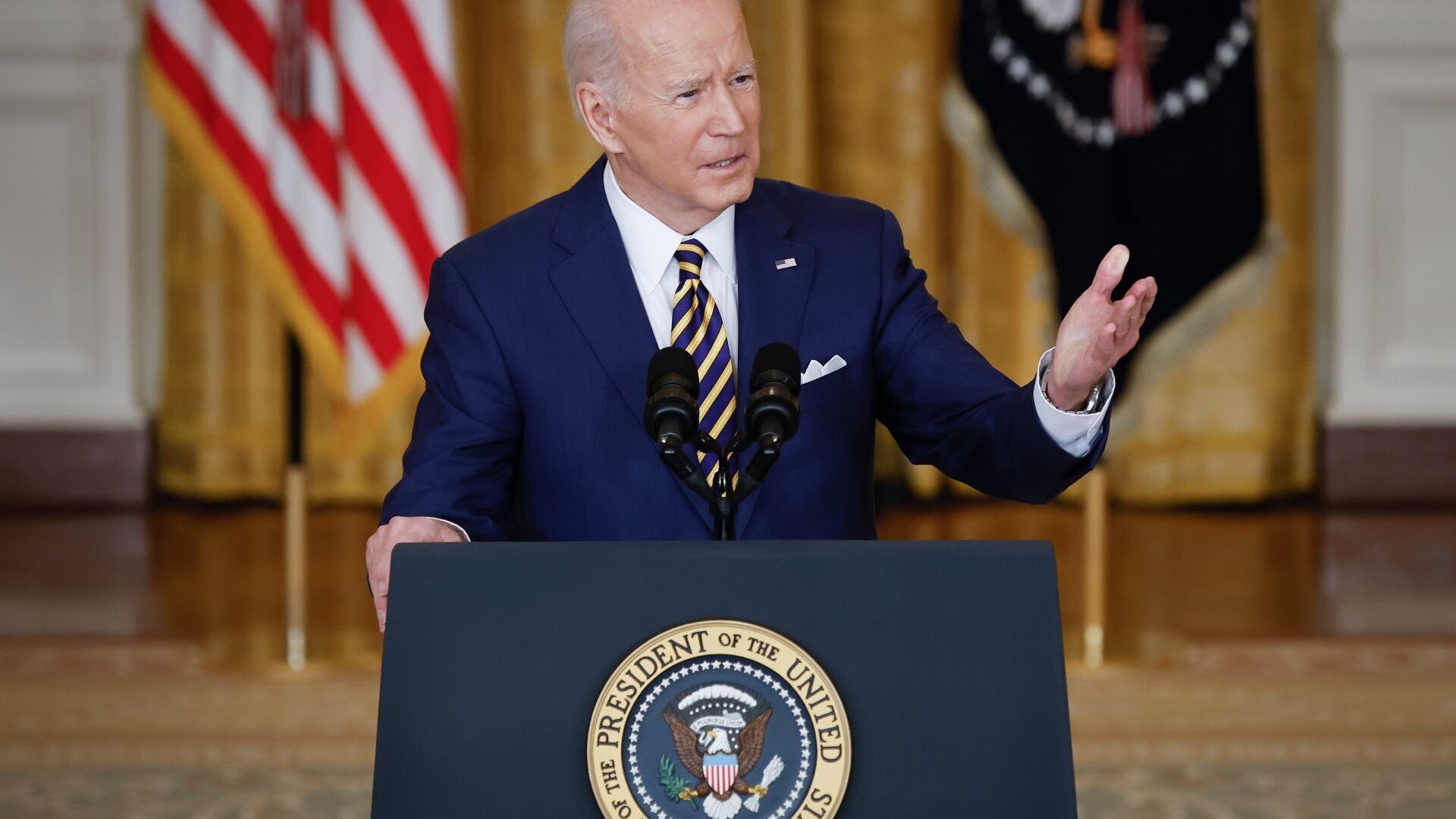
President Biden's first year did not come to the close that he had hoped after last night's Senate vote blocked the voting rights bill, a priority that Biden has promoted since his inauguration. Joining us to discuss the voting rights bill, and many others passing through congress is congresswoman Lori Trahan, representing Massachusett's 3rd district.