Illinois is now the 11th state in the U.S. to legalize recreational marijuana.
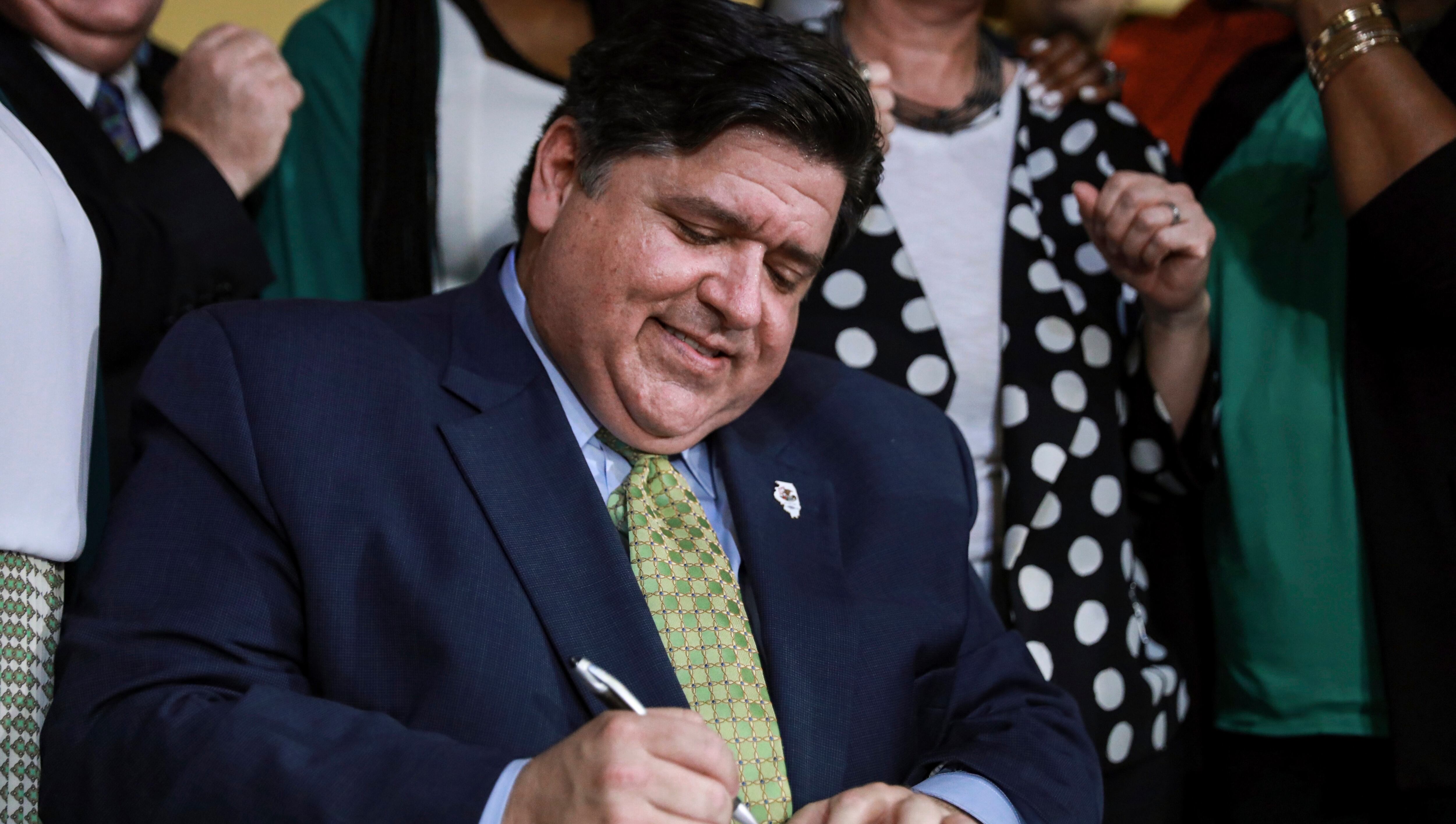
Democratic Governor J.B. Pritzker signed the legalization bill into law on Tuesday, just a few weeks after the proposal was passed by the state legislature.
“With this legislation, our state once again is a leader, putting forward the most equity-centric cannabis legalization in the nation,” Pritzker said at the signing ceremony. Pritzker, who came into office in January, has long advocated for legalization and campaigned heavily on the issue.
The law — known as the Cannabis Regulation and Tax Act — declares that cannabis will be "regulated in a manner similar to alcohol." Adults 21 years old and older will be able to legally purchase and possess up to 30 grams of marijuana and cannabis-infused products with up to 500 milligrams of THC.
The legislation also creates a framework for the expungement of non-violent, cannabis charges. Those charged with under 30 grams of marijuana will automatically have their cases reviewed through the governor's clemency program; individuals charged with 30 - 500 grams can submit petitions for the court to clear their records.
The state said that roughly 700,000 cases are eligible for expungement and 405,000 cases will be sent through the clemency process for automatic expungement.
"The time for justice is now, especially for communities of color who have long been disproportionately impacted by low-level cannabis convictions and the failed war on drugs,” Kim Foxx, the Cook County State's Attorney, said in a statement. “We look forward to continuing our efforts to ensure the broadest relief possible under this revolutionary law."
Illinois also made history for being the first state in the U.S. to legalize commercial cannabis through the state legislature, as opposed to a voter referendum.
The law allows licensed growers and sellers to operate up to three cultivation centers and 10 dispensaries. It also creates a $30 million low-interest loan program to help businesses enter the sector.
"This team effort sets a new standard for what cannabis reform can look like when undertaken with an openness to tough discussions, a commitment to strong outcomes and a willingness to do the hard work together," state Rep. Kelly Cassidy said in a statement. "We set out to do this differently and we did.”
Several other statehouses, including New York and New Jersey, have attempted and failed to pass legalization bills.
Illinois' law will go into effect on January 1, 2020.
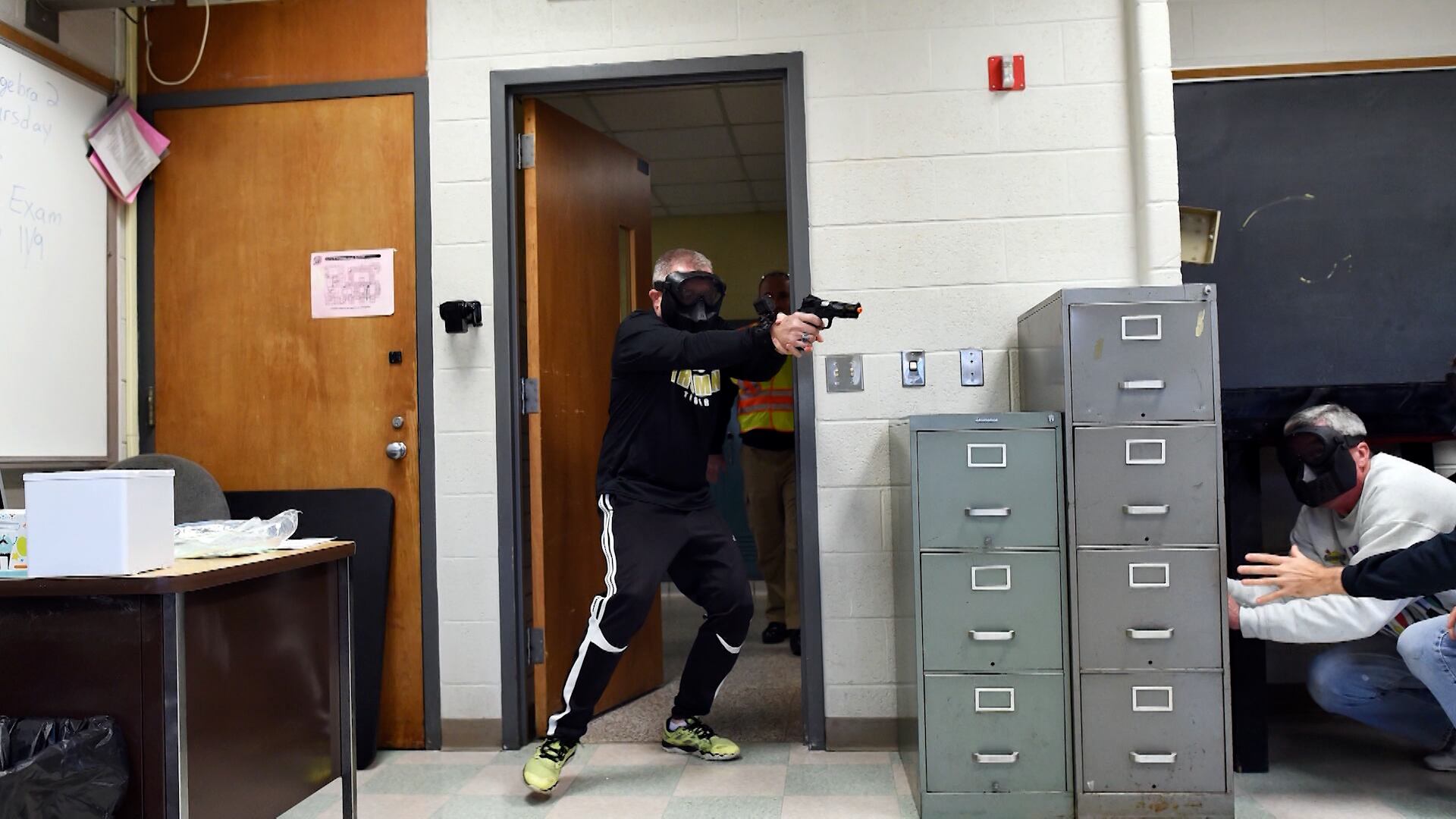
The most recent school shooting in Michigan is highlighting the tragic fact that U.S. shootings on campuses are ticking up. The aftermath of these incidents leaves students, faculty, and families suffering intense trauma with lasting effects. Darby Fox, an adolescent family therapist, joins Cheddar News to discuss how school shootings impact the mental health of students and their families.
With so many high-profile court cases taking over the media, from the trial over the murder of Ahmaud Arbery to the trial of Kyle Rittenhouse to the ongoing Elizabeth Holmes trial, Cheddar took a look at these cases and why there is such a big interest in them. Rachel Fiset, a white collar criminal defense lawyer and partner with Zeiback, Fiset, and Coleman, and Bryan Hance, attorney-at-law, professor, and academic program director of the pre-law and paralegal studies program at National University, joined Cheddar for a roundtable discussion on why there is so much public interest in so-called courtroom drama.
2022 is just around the corner and one of the world's most famous trendspotters says that there is a wide-ranging mix of trends coming up in the new year that could impact businesses, culture, and our society at large.
Trendspotter and cultural zeitgeist analyst Marian Salzman, joined Cheddar to discuss more.
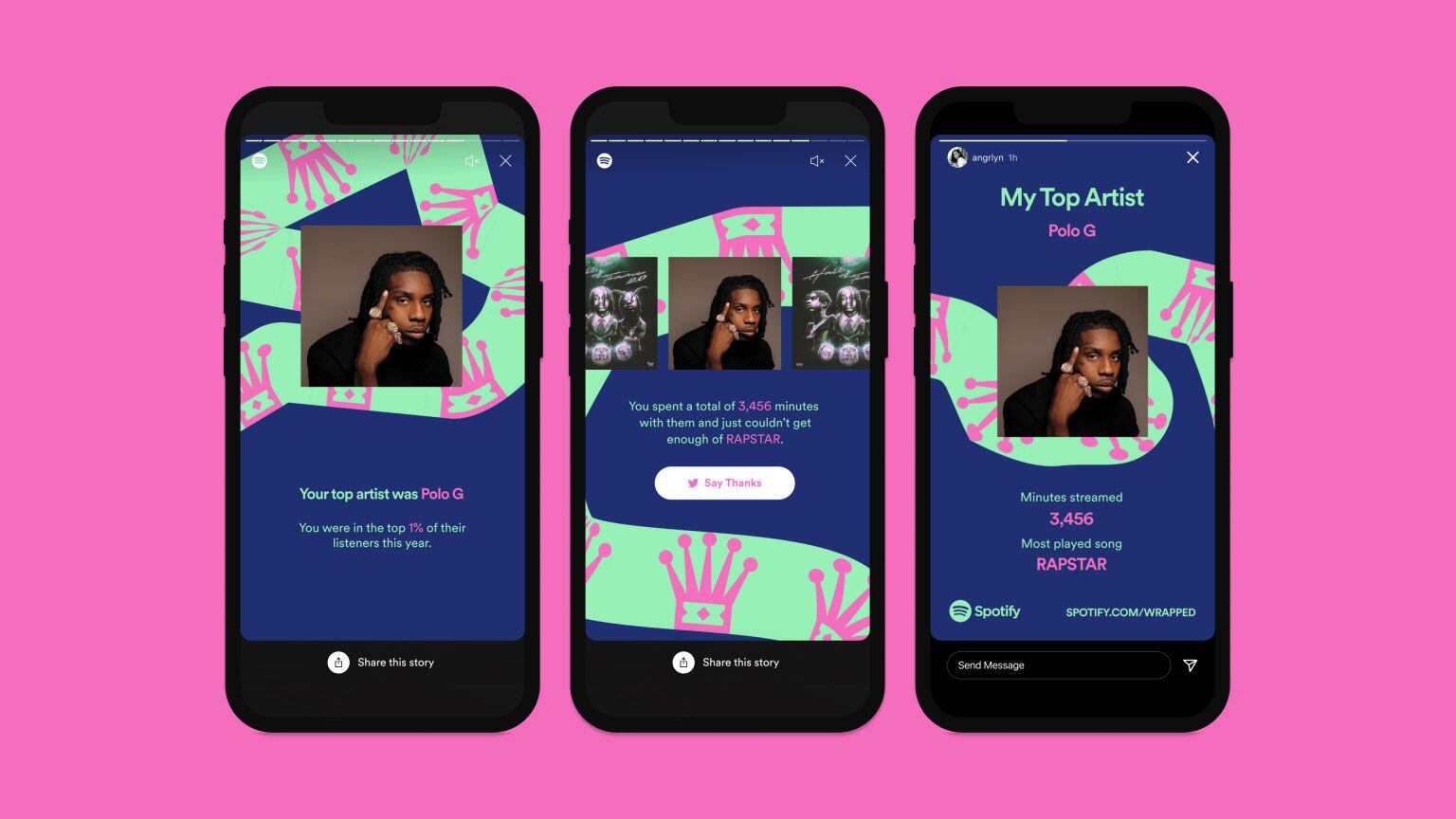
Spotify has just officially released its 2021 'Wrapped'. For the past few years, the streaming giant has been presenting customers with their listening habits from the prior year, including favorite artists, most listened to the genre, podcasts, songs you name it. However, critics say this method just shows how apps can collect our data. CEO of Prevailion Karim Hijazi, joined Cheddar to discuss more.
Recent internal documents obtained by the New York Times reveal how exactly TikTok's algorithm works. The report highlights how the app is mainly focused on retaining two metrics which are retention and time spent. In addition, the document titled, "TikTok Algo 101" details how the algorithm understands human nature from when we get bored to our sensitivity and culture ques. It means the app monitors will kind of videos you like. Professor of Computer Science at the University of California in San Diego Julian McCauley, joined Cheddar to discuss more.
According to a recent study by a group of international researchers, artificial intelligence can predict new illegal drugs before they hit the streets. This method could help save lives and fight crime. Professor of Computing Science at the University of Alberta, joined Cheddar to discuss more.
Carlo and Baker discuss the sweeping new vaccine mandate in NYC that will target all private businesses. Plus, Trump's media venture gets its CEO and more.
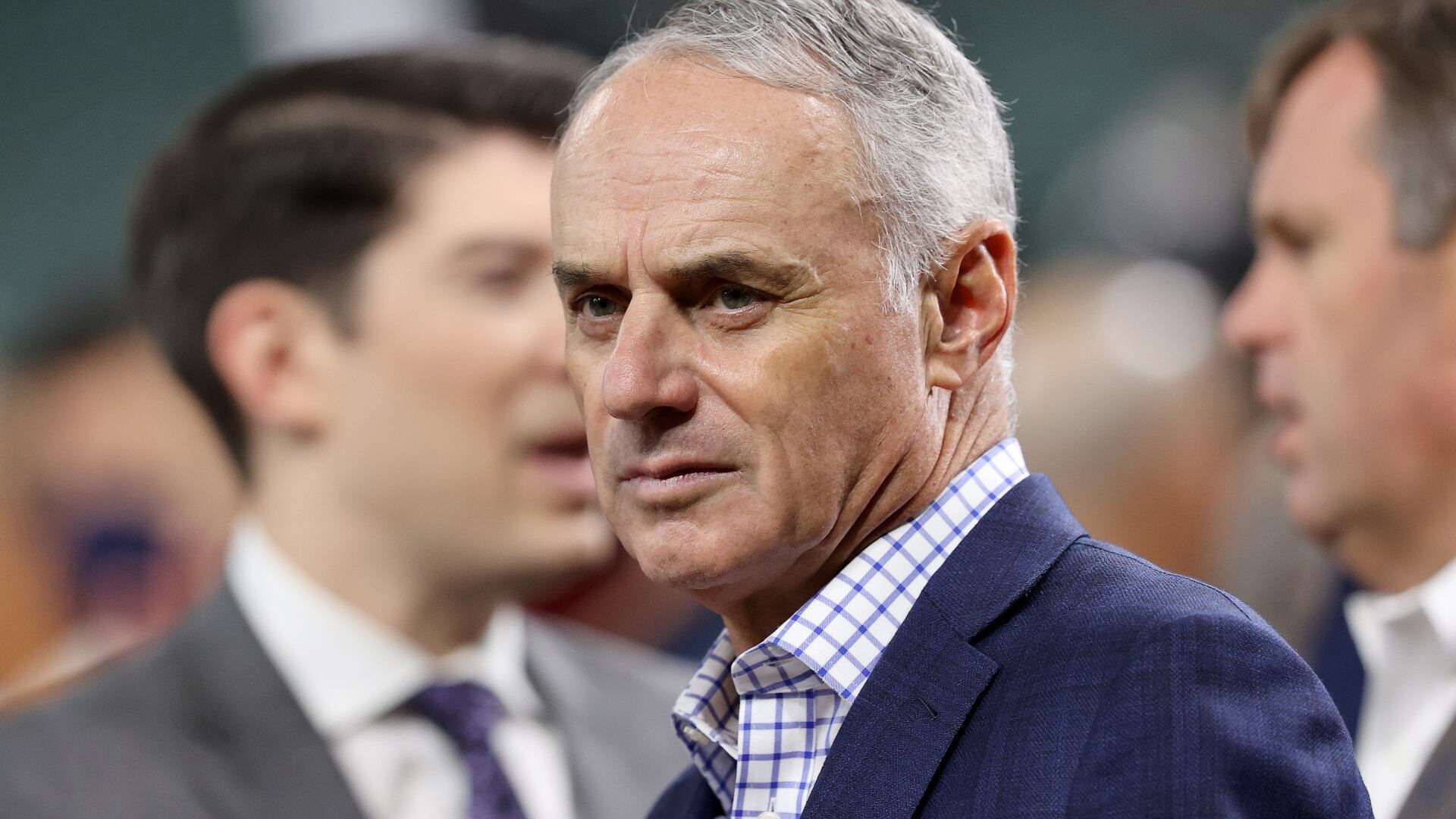
A lockout is now in place for Major League Baseball. The collective bargaining agreement between the league and players association expired at 11:59 p.m. Wednesday night.
MLB commissioner Rob Manfred said both sides were unable to negotiate a new contract by that time, so the league locked out the players on Thursday at 12:01 a.m. The lockout also means trades and free agency deals have to stop for now. Dodgers Nation lead editor Clint Pasillas joined Cheddar News' Closing Bell to discuss.