IBM's Robot Debater Takes on Humans...and May Change Some Minds
*By: Britt Terrell*
IBM Research conducted the first live debate between a human and a machine this week, showing off the company's latest development in artificial intelligence.
Project Debater squared off against two experts in rhetoric Monday night, responding to and delivering its own arguments. The technology, which ingests information from newspaper articles and other sources to put together well-structured speech and deliver a response, was even able to convince some audience members to change their minds.
"This is a great tool for helping educate the public," said Arvind Krishna, SVP & Director of IBM Research. "They could ask it a question, and 'Debater' can then look through and say, 'Look, based on everything I've read, here is an informed opinion on what everybody's thinking and saying.'"
When it comes to using the machine to help humans formulate opinions, though, especially in an age when fake news has run rampant on certain sites, Debater's powers could raises some concerns. But Krishna pointed out that humans are subject to the same pitfalls.
"What the Debater will do is it won't stick only to the fake news, it will give other \[opinions\], so you really get a complete and comprehensive \[response\]."
Debater is not the first example of high-functioning A.I. to come out of IBM. The company's Watson technology showed off against Jeopardy! champions in 2011, and its 'Deep Blue' program famously bested chess champion Garry Kasparov back in 1997.
But there is still work to be done on the Debater software. And while Krishna dismissed criticisms that its voice was too robotic ー Google, after all, drew jabs for its [all-too-human-sounding Duplex](https://cheddar.com/videos/was-googles-duplex-demo-real) ー he acknowledged some room for improvement.
"How do you throw humor in, when do you throw humor in?" he asked. "Like when it makes a joke like, 'If I had blood, my blood would boil, but I don't really have blood.'"
For the full interview, [click here](https://cheddar.com/videos/ibms-newest-a-i-project).
a new study by The Buy Safe America Coalition shows retail theft has ballooned to over $68 billion per year. Most of these thefts are the result of something called organized retail crime. Those stolen goods are resold to unsuspecting consumers, often on popular online marketplaces like Facebook marketplace, eBay, OfferUp, and letgo. Mike Combs, Director of Organized Retail Crime Investigations at The Home Depot, joined Cheddar to discuss organized retail crime, how to identify it, and what can be done to stop it.
Online broker TradeStation Group has landed on Wall Street. The company went public via SPAC deal, valuing the combined venture at $1.4 billion. John Bartleman , President & CEO TradeStation Group, Inc. joined Cheddar's Opening Bell to discuss.
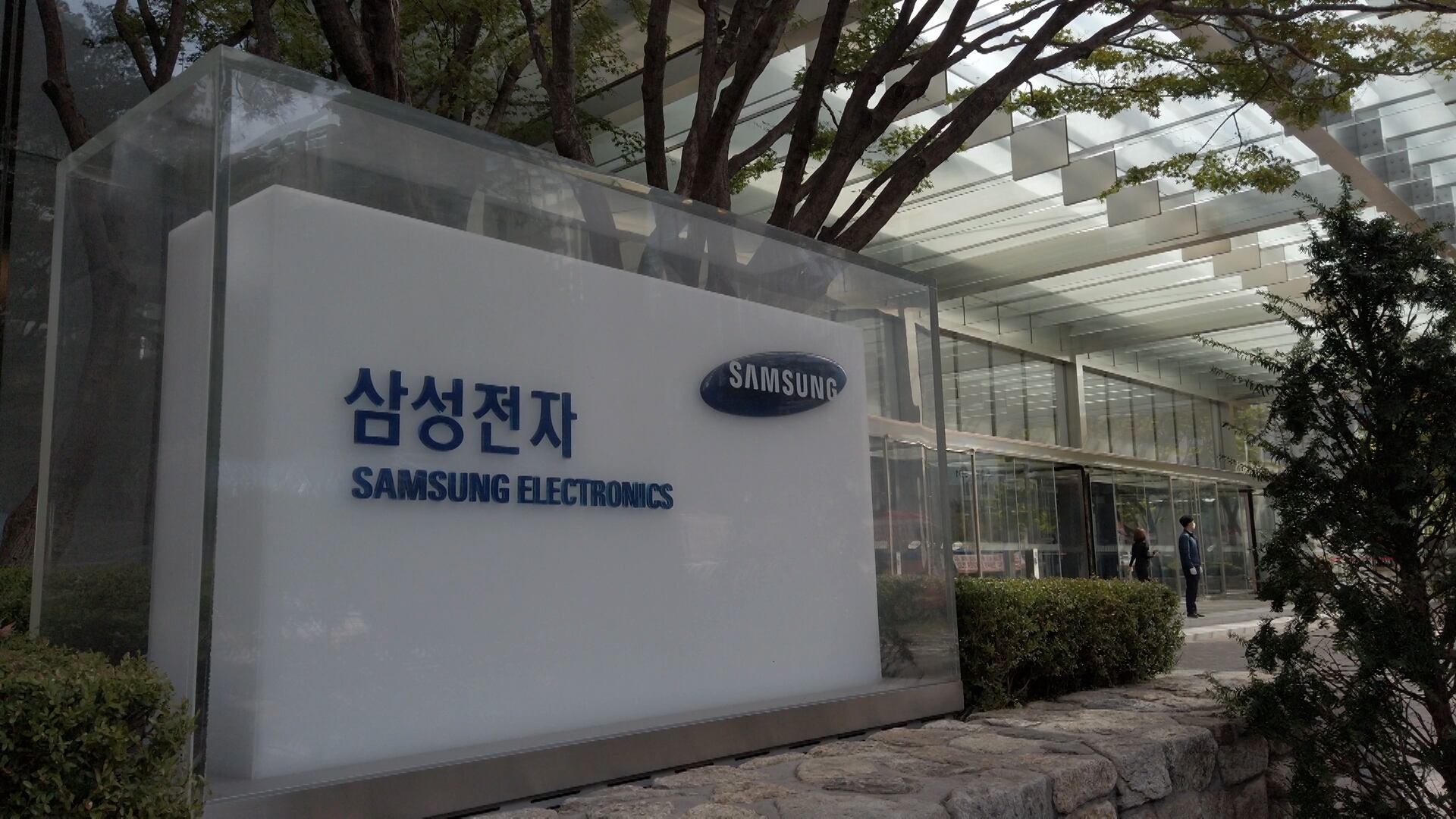
Samsung is getting a major shake-up. In its biggest reshuffle since 2017, the South Korean company is merging its mobile and consumer electronics divisions and replacing its three CEOs with two new leaders. The move is seen as an effort to simplify its structure and focus more on the semiconductor business. Paulina Likos, investing reporter for U.S. News & World Report, explains why Samsung is merging these two units now, and its potential priorities moving forward.
Sarah E. Needleman, reporter at The Wall Street Journal joins Cheddar News to discuss the recent AWS outage and if the internet is too dependent on Amazon.
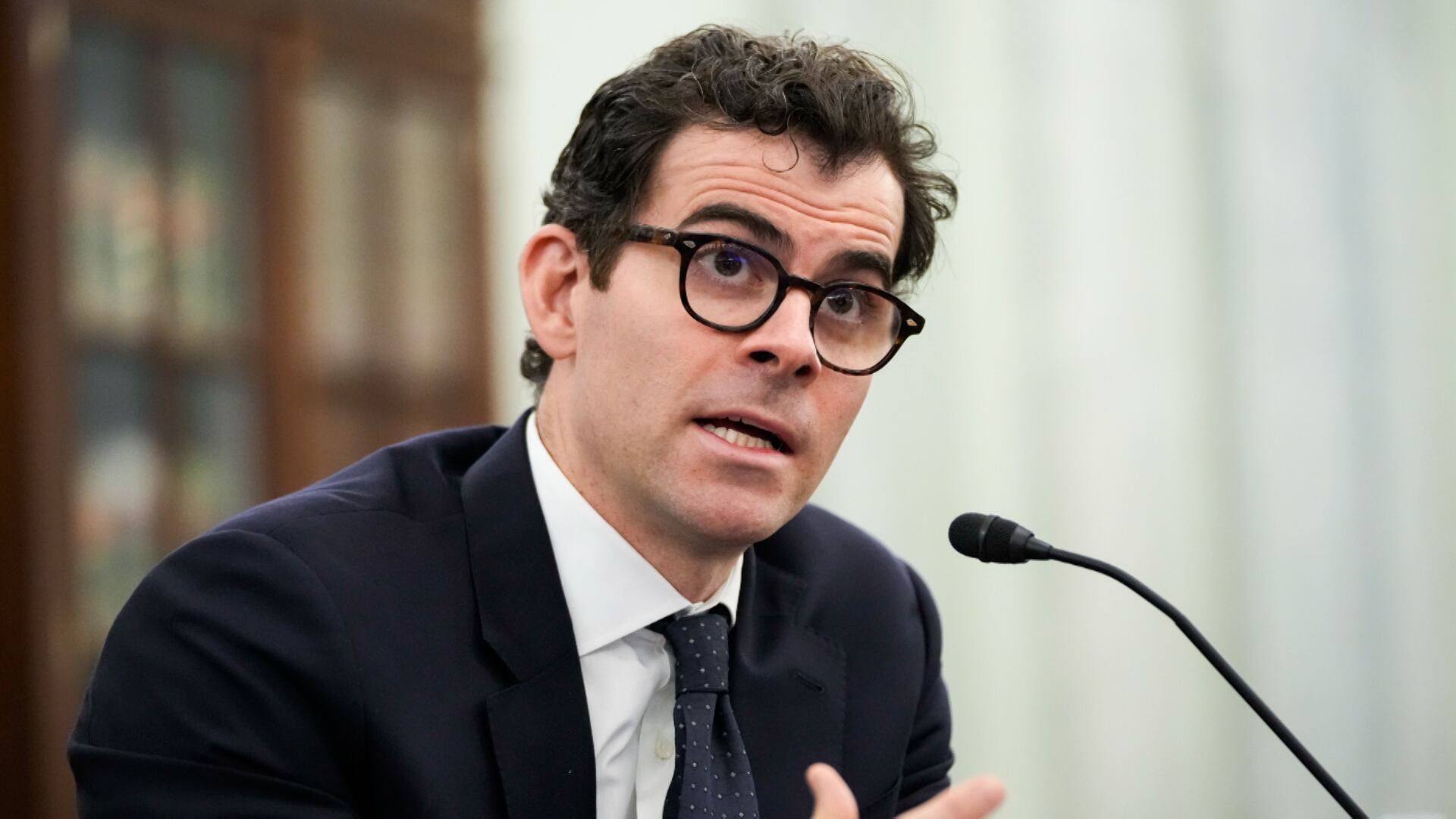
Following bombshell reports about Instagram's toxic impacts on the mental health of teens and children, Adam Mosseri, head of Instagram, was summoned to capitol hill to answer questions. Today's hearing was part of a series of six hearings on protecting children online. Jim Steyer, founder and CEO of Common Sense Media joins Cheddar News to discuss.
A packed Thursday pod: Carlo and Baker cover the latest developments in the Ghislaine Maxwell, Jussie Smollett and Elizabeth Holmes trials. Plus, Dems are losing the Hispanic vote, Boris Johnson in trouble again, and is it possible that Adele has peaked?