IBM's Robot Debater Takes on Humans...and May Change Some Minds
*By: Britt Terrell*
IBM Research conducted the first live debate between a human and a machine this week, showing off the company's latest development in artificial intelligence.
Project Debater squared off against two experts in rhetoric Monday night, responding to and delivering its own arguments. The technology, which ingests information from newspaper articles and other sources to put together well-structured speech and deliver a response, was even able to convince some audience members to change their minds.
"This is a great tool for helping educate the public," said Arvind Krishna, SVP & Director of IBM Research. "They could ask it a question, and 'Debater' can then look through and say, 'Look, based on everything I've read, here is an informed opinion on what everybody's thinking and saying.'"
When it comes to using the machine to help humans formulate opinions, though, especially in an age when fake news has run rampant on certain sites, Debater's powers could raises some concerns. But Krishna pointed out that humans are subject to the same pitfalls.
"What the Debater will do is it won't stick only to the fake news, it will give other \[opinions\], so you really get a complete and comprehensive \[response\]."
Debater is not the first example of high-functioning A.I. to come out of IBM. The company's Watson technology showed off against Jeopardy! champions in 2011, and its 'Deep Blue' program famously bested chess champion Garry Kasparov back in 1997.
But there is still work to be done on the Debater software. And while Krishna dismissed criticisms that its voice was too robotic ー Google, after all, drew jabs for its [all-too-human-sounding Duplex](https://cheddar.com/videos/was-googles-duplex-demo-real) ー he acknowledged some room for improvement.
"How do you throw humor in, when do you throw humor in?" he asked. "Like when it makes a joke like, 'If I had blood, my blood would boil, but I don't really have blood.'"
For the full interview, [click here](https://cheddar.com/videos/ibms-newest-a-i-project).
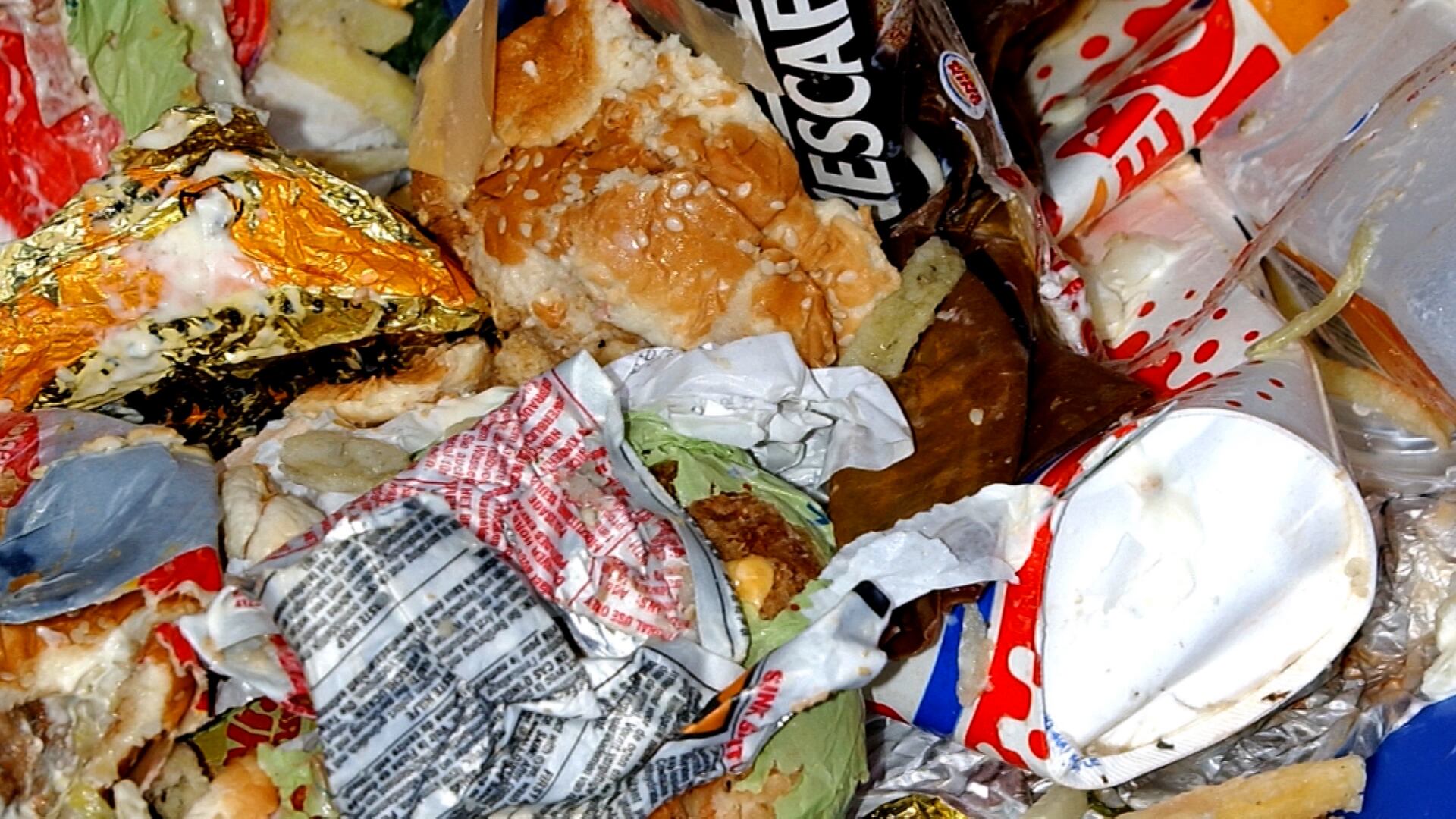
California's new composting law will affect what residents do in their kitchens. As of this week, Californians will have to recycle excess food in an effort to reduce emissions caused by food waste. Cities and counties will turn recycled food into compost or use it as a renewable energy source. California's new law is the largest mandatory residential food waste recycling program in the country. Rachel Wagoner, Director of the California Department of Resources, Recycling and Recovery called the law 'the biggest change to trash' since recycling started in the 1980s. She joined Cheddar Climate to discuss.
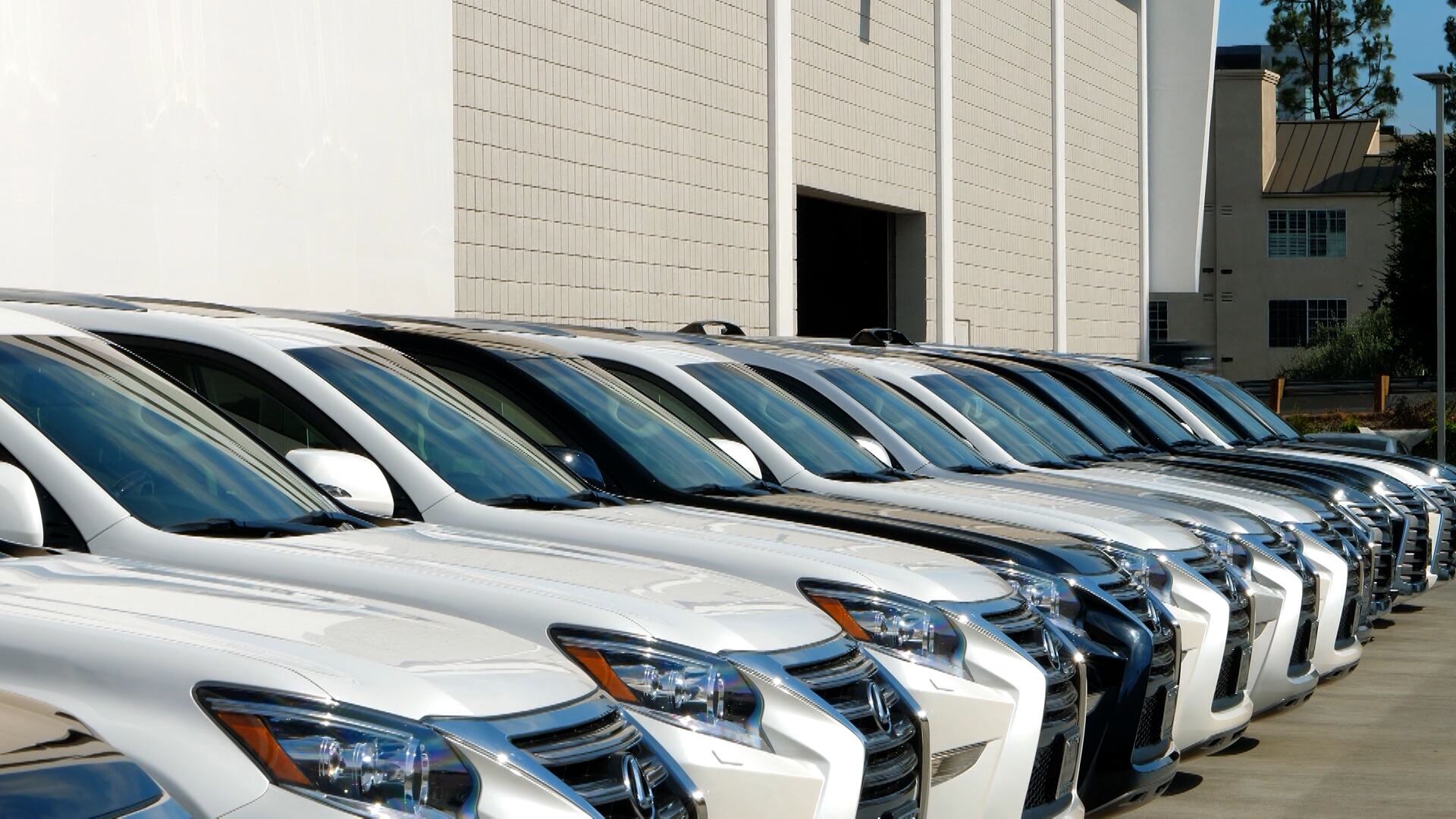
Like the big changeover to e-commerce for retail, the COVID-19 pandemic has moved car buying trends to the digital showroom. Karl Brauer, an executive analyst at iSeeCars.com, joined Cheddar to talk about the "mindset shift" in consumers and businesses to order-based systems in the United States (something more common in other countries). While more than 60 percent of consumers still prefer to visit dealerships in-person, Brauer noted that consumers are better off ordering a car to spec, which would also help improve supply constraints. "It's really bad right now to be building cars and not really knowing who's going to buy them or when they're going to sell," he said. Manufacturing a car to order would maximize the efficiency of obtaining materials through the supply chain rather than "shotgunning it" at dealerships.
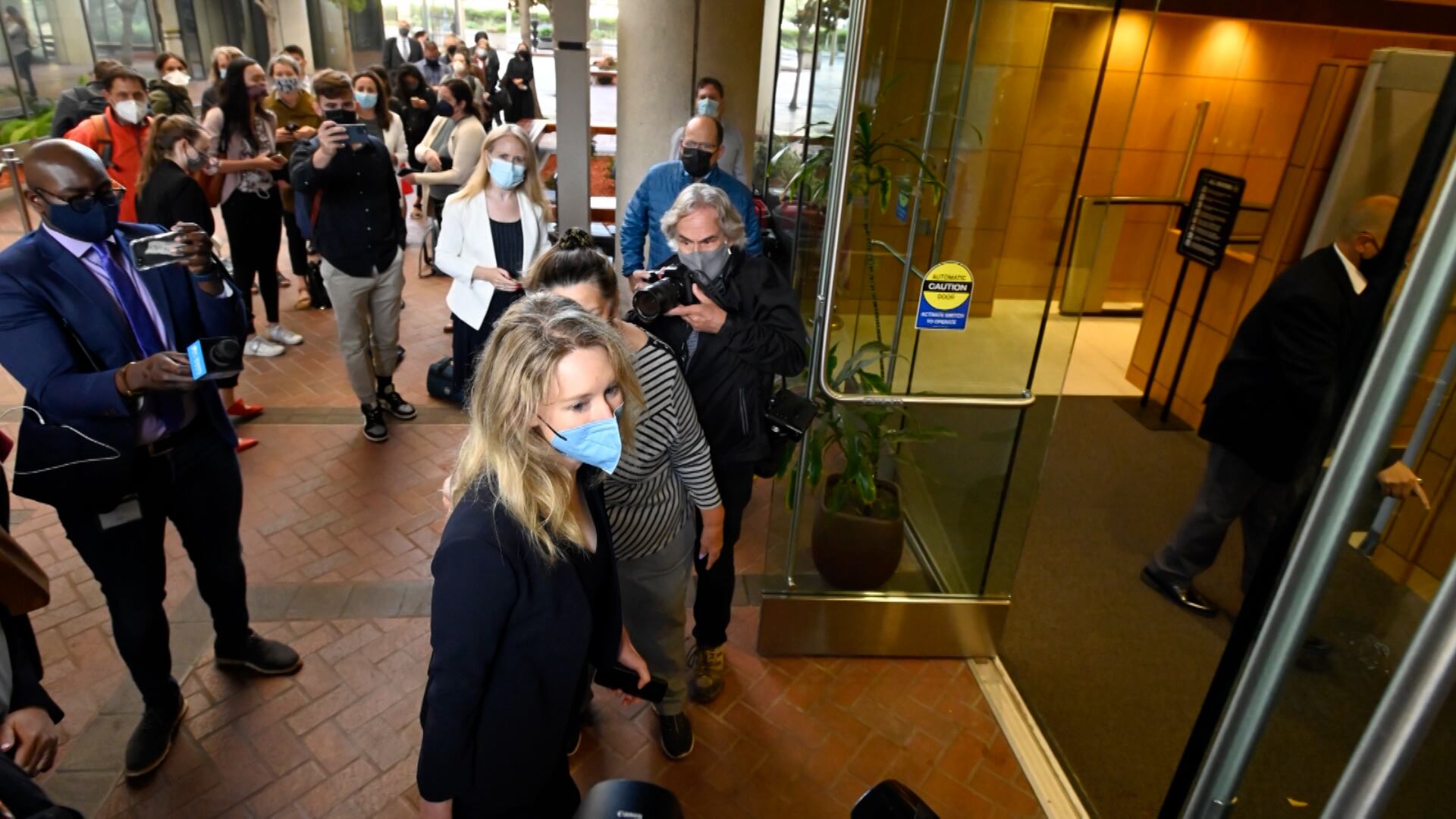
Mark MacDougall, attorney and former prosecutor with the criminal division of the Department of Justice, joined Cheddar to discuss the fraud conviction of Theranos founder Elizabeth Holmes. MacDougall addressed Holmes' stance that what she did was no different than any other Silicon Valley startup's approach to business and how this will shake out for the industry going forward. "I can't imagine it doesn't have some salutary effect on entrepreneurs and people involved in new ventures going forward," he said. Holmes was found guilty on 4 of 11 counts, with each carrying a maximum of 20 years in prison, but MacDougall explained that the lengthy prison sentences were unlikely.
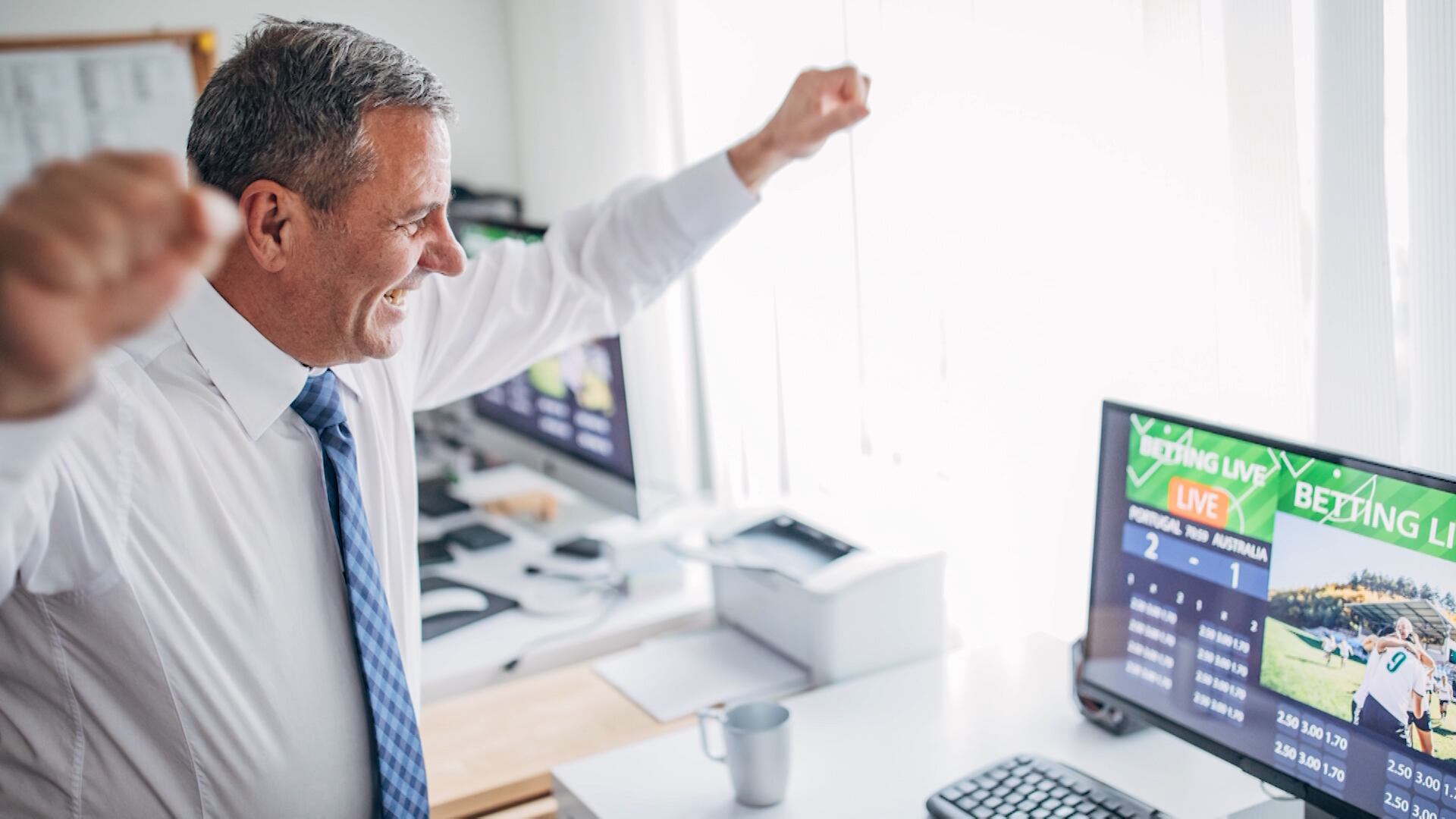
Sports betting is going mainstream in the United States. Dozens of states have legalized it, California is set to do the same this year. Arizona, which legalized sports betting in September, set new national records for gambling in its first months. Daniel Graetzer, CEO of Maximbet, joins Cheddar News to discuss what's next for the booming industry.
A new report from ProPublica and the Washington Post found that Facebook Groups played a major role in the spread of misinformation linked to the January 6 insurrection with more than 650,000 posts claiming that Joe Biden's election victory was illegitimate.
On this episode of Cheddar Reveals, Dr. Anita Gupta, Adjunct assistant professor of anesthesiology and critical care medicine at the Johns Hopkins University School of Medicine, shares her forecast for the healthcare industry in 2022; Waseem Asghar, Ph.D., Associate Professor, Department of Computer & Electrical Engineering and Computer Science, Florida Atlantic University, breaks down the latest progress, trends, and innovations in wearable health tech; Cheddar gets a look at Curiosity Stream's 'Hacking our Biome.'
Waseem Asghar, Ph.D., Associate Professor, Department of Computer & Electrical Engineering and Computer Science, Florida Atlantic University, joins Cheddar Reveals to break down the latest progress, trends, and innovations in wearable health tech.
Ford is accelerating production of its highly anticipated electric F-150 Lightning with an expectation to pump out 150,000 vehicles annually to meet surging demand. Kumar Galhotra, Ford president of the Americas and international markets group, joined Cheddar to detail the plan to get more customers behind the wheel and to become the top of the competition in the electric vehicle space. "Within the next 24 months, we will have capacity, globally, to deliver 600,000 battery-electric vehicles per year," he said.