IBM's Robot Debater Takes on Humans...and May Change Some Minds
*By: Britt Terrell*
IBM Research conducted the first live debate between a human and a machine this week, showing off the company's latest development in artificial intelligence.
Project Debater squared off against two experts in rhetoric Monday night, responding to and delivering its own arguments. The technology, which ingests information from newspaper articles and other sources to put together well-structured speech and deliver a response, was even able to convince some audience members to change their minds.
"This is a great tool for helping educate the public," said Arvind Krishna, SVP & Director of IBM Research. "They could ask it a question, and 'Debater' can then look through and say, 'Look, based on everything I've read, here is an informed opinion on what everybody's thinking and saying.'"
When it comes to using the machine to help humans formulate opinions, though, especially in an age when fake news has run rampant on certain sites, Debater's powers could raises some concerns. But Krishna pointed out that humans are subject to the same pitfalls.
"What the Debater will do is it won't stick only to the fake news, it will give other \[opinions\], so you really get a complete and comprehensive \[response\]."
Debater is not the first example of high-functioning A.I. to come out of IBM. The company's Watson technology showed off against Jeopardy! champions in 2011, and its 'Deep Blue' program famously bested chess champion Garry Kasparov back in 1997.
But there is still work to be done on the Debater software. And while Krishna dismissed criticisms that its voice was too robotic ー Google, after all, drew jabs for its [all-too-human-sounding Duplex](https://cheddar.com/videos/was-googles-duplex-demo-real) ー he acknowledged some room for improvement.
"How do you throw humor in, when do you throw humor in?" he asked. "Like when it makes a joke like, 'If I had blood, my blood would boil, but I don't really have blood.'"
For the full interview, [click here](https://cheddar.com/videos/ibms-newest-a-i-project).
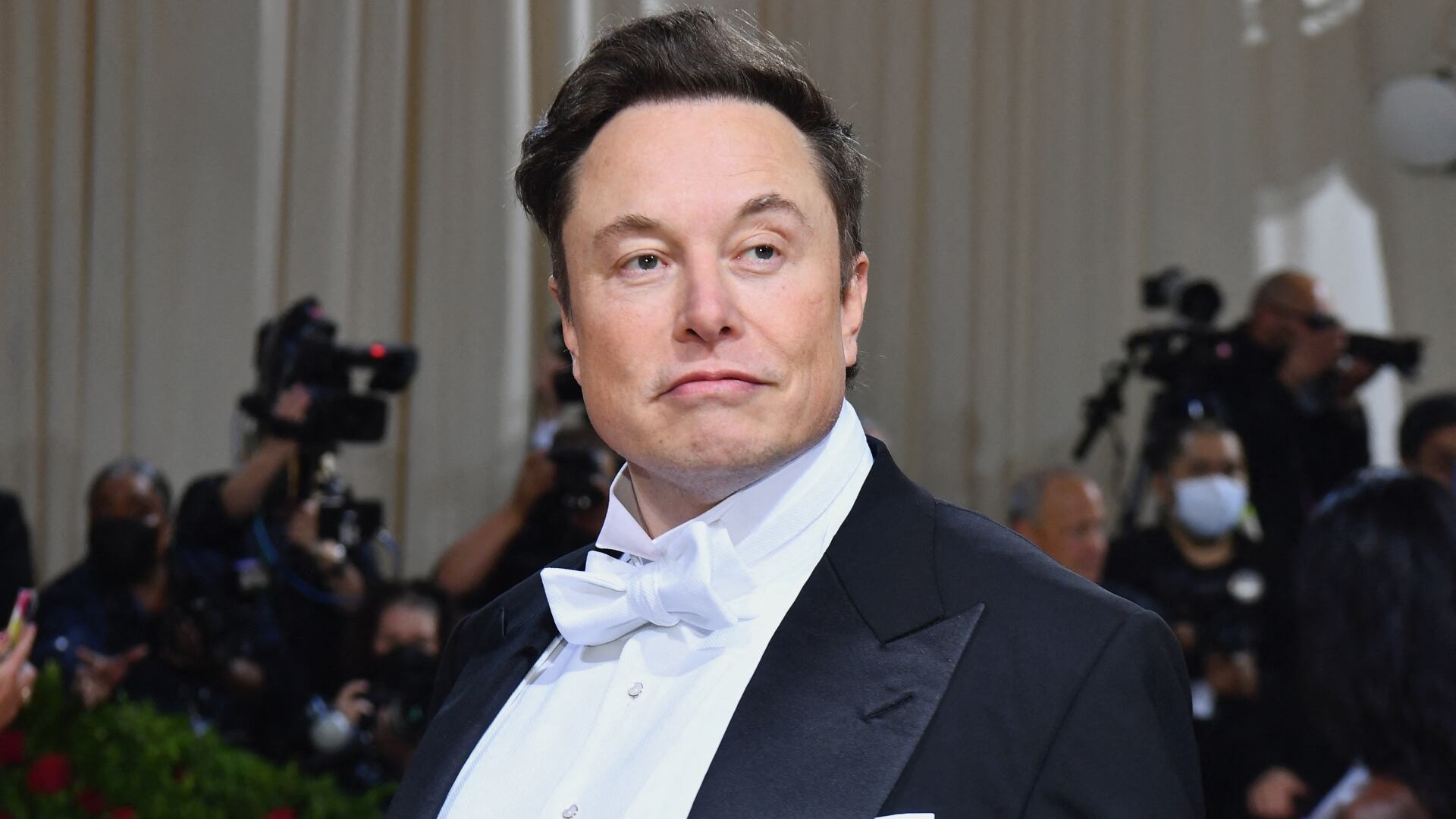
Elon Musk is demanding his Tesla employees to return to the office full time, a minimum of at least 40 hours a week. The CEO also took a shot at other companies who have some form of work-from-home status. The ultimatum comes at a tumultuous time for Musk with the reveal of a sexual misconduct scandal and his attempted Twitter purchase.
Bindu Sundaresan, Director, AT&T Cybersecurity, joins Cheddar to discuss best practices and important cybersecurity milestones to hit for any organization, and how small business owners can think about cyber beyond technology and compliance.
Memorial Day rang in the unofficial start of summer here in the United States -- and with it, the unofficial start of summer travel. Whether consumers traveled by air or by land, they probably experienced some form of frustration over the weekend. Flyers faced delays and cancellations, and drivers faced the most expensive gas prices ever recorded on Memorial Day. Zach Griff, Senior Aviation Reporter for the Points Guy, joins Cheddar News' Closing Bell to discuss.
Next-generation gaming ecosystem Joystick recently raised $8 million in a seed round and is in the process of raising a $110 million Series A funding round. Gaming ecosystems are a relatively new type of platform in the Web3 space, allowing users to maximize their play-to-earn gaming opportunities, exchange crypto-currencies, and sell their digital assets. Joystick says its platform is flipping the current model on its head by giving players the opportunity to keep 100% of the revenue they earn. Robin Defay, co-founder and CEO of Joystick, and Michael Le, co-founder of Joystick and TikTok content creator, join Cheddar News' Closing Bell to discuss.
The dating app Bumble has sponsored bills and pushed lawmakers to criminalize the online practice of sending unsolicited nudes or “cyberflashing." Payton Iheme, Bumble's head of public policy for the Americas, joined Cheddar News to discuss why the app was going after the harassing behavior beyond its own platform. "Now, while we went to work internally in the company, and we created something called private detector to automatically blur those images so the user can decide if they want to see them, there's nothing for the rest of the internet," she said. "And so that's why we went to work with these laws."