IBM and Clinton Foundation Partner for Disaster Relief, IBM's Bob Lord Says
*By Chloe Aiello*
IBM knows it can't stop natural disasters from striking ー but with the right technology, it can mitigate the distress on affected populations.
"We are not going to stop natural disasters, but we can sure get prepared for them and respond to them more effectively than ever before, and I believe, through technology," IBM Chief Digital Officer Bob Lord told Cheddar.
IBM inked a multi-year investment with Red Cross and the United Way, and eventually the Clinton Foundation, to open up its blockchain and Watson technology to developers in a competition ー the Call for Code challenge. Thanks to the involvement of the Clinton Foundation, the competition is now targeting university students and hopes to expand participation from 1,000 participants up to 10,000. Last year's competition focused on disaster relief, and Lord said this year's will be a similar challenge.
"A lot of these teams went out and they talked to people who had been through these disasters and they gained insight. It was all about preparation, and it was all about being able to respond and prioritize secondarily after the disaster happened," Lord said.
"If you think about all the innovative technology that we have at IBM, we really are unleashing it to solve some of the major societal issues that we have, focused specifically here on natural disasters in 2018 and 2019," he added.
Last year's winners, the team behind Project Owl, created an A.I.-powered disaster platform paired with an infrastructure of Internet of Things devices that can reach people even when communications are down. Lord said it can help first responders know who needs what and where. The team looks to deploy Project Owl in Puerto Rico, which was devastated by Hurricane Maria in 2017.
"The idea is once we get all those ideas, we can put them into an open source world and then we can actually focus on activating those ideas in market, like we are doing with Project Owl," Lord said.
For full interview [click here](https://cheddar.com/videos/ibm-partners-with-clinton-global-initiative-university-to-battle-natural-disasters).
After the 2021 boom, IPO activity slowed down significantly, in part due to monetary policy – but things are getting moving again with tech-friendly companies like Iboutta and Rubrik making a public debut.
With an increasing demand for mental health services, one person wanted to change the therapy game. In 2017, CEO Alex Katz founded Two Chairs, a company that uses technology to match patients with the right therapist.
Not only is April Financial Literacy Month, it’s also the kickoff of the spring homebuying season. So now is the time to make sure you have a financial plan in place – and why it might not be wise for that to include buying your first home.
While the U.S. may slowly be on the path to lowering inflation (and therefore interest rates), Europe has thoroughly trounced America, putting it on the path to lower rates by this summer.
April's release of the monthly Housing Starts and Building Permits reports by the Census Bureau provides crucial insights into the construction activity in the housing market. These reports are an economic indicator, shedding light on the current state of the housing market and its broader economic impact.
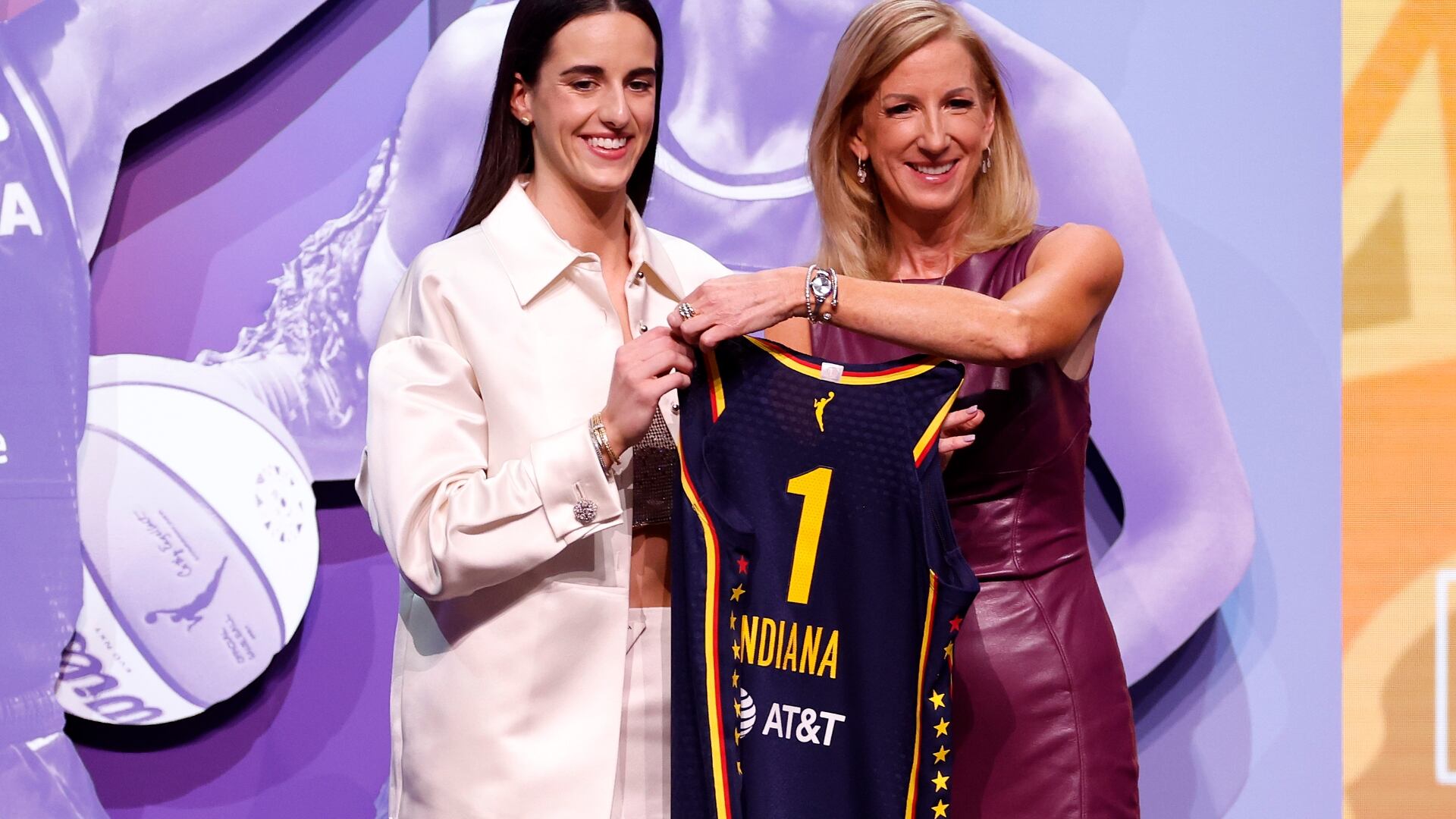
Caitlin Clark is heading to the Indiana Fever, the number one draft pick and the highest-scoring college basketball player of all time. And while she may not be getting millions from the WNBA, there's a few ways she'll net compensation for her generational talents.
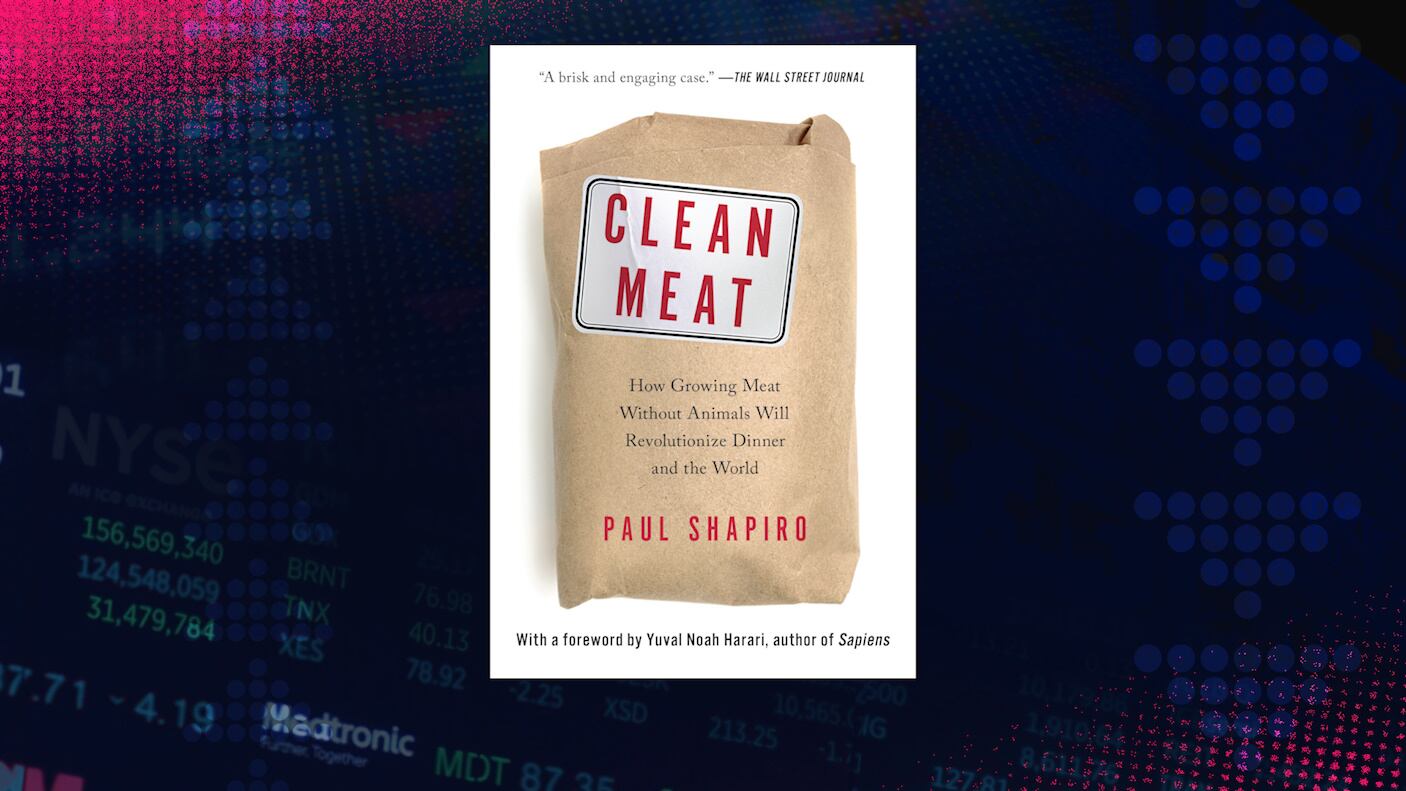
Author of 'Clean Meat,' Paul Shapiro joins Cheddar to discuss how the cellular agricultural revolution helps lower rates of foodborne illness and greatly improves environmental sustainability. Plus, how his company The Better Meat Co. is bringing healthier food options to the table.
Recent headlines might make it sound like World War III is imminent, but when it comes to your finances, it's not the time to panic. The market is coming off its longest winning streak since 2011.
You may have noticed fewer new venture capital-backed startups (like Airbnb or Uber) lately. The market slowed to a crawl after 2021, but things are expected to take off again in 2025.
Corporate earnings season is underway, that time when companies share their billions in sales or double-digit profits. But the data shows even companies are struggling with high inflation and interest rates.