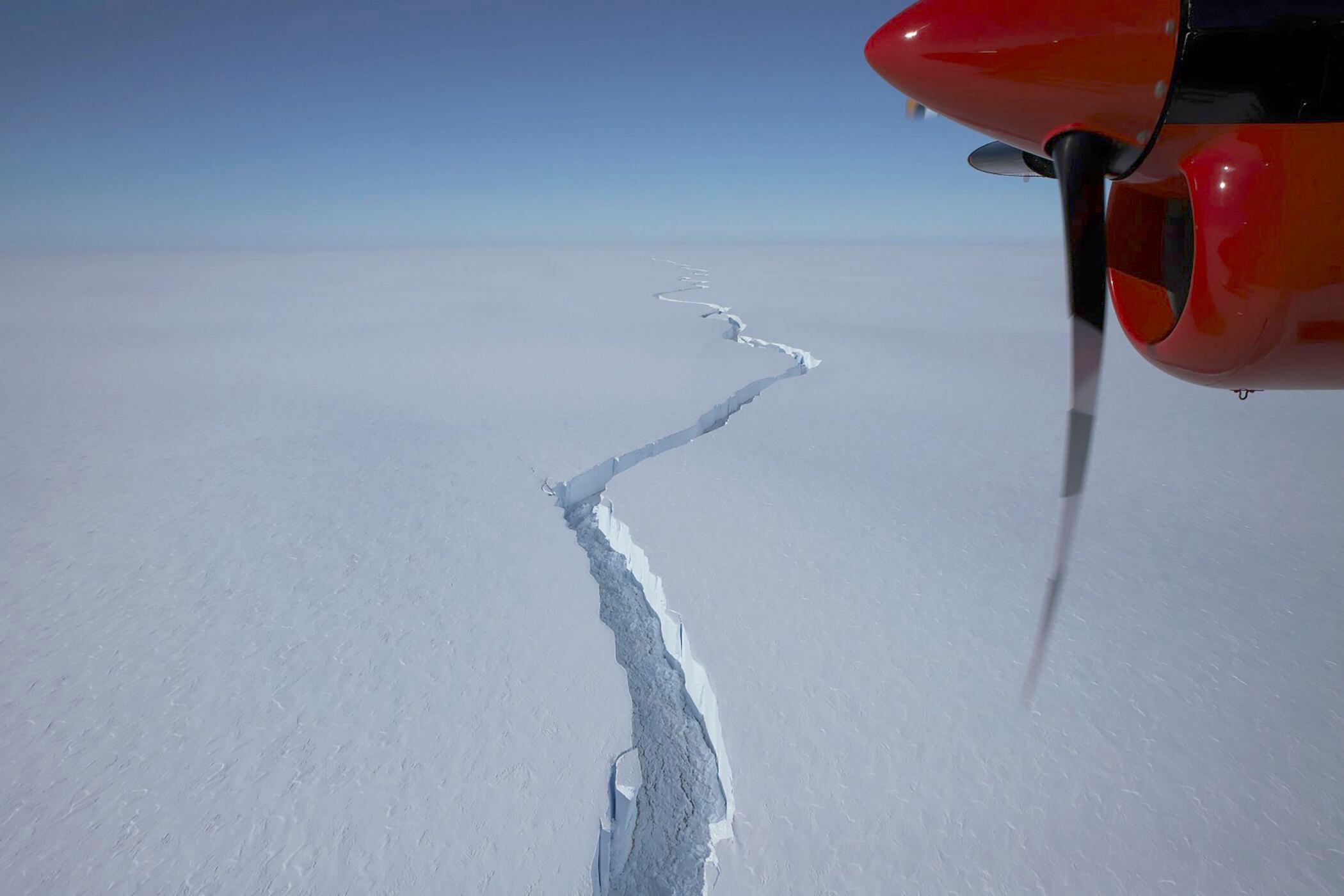
A huge iceberg, the size of the UK county of Bedfordshire, has broken off the Brunt Ice Shelf.
The phenomenon is known as calving and comes almost a decade after scientists at the British Antarctic Survey (BAS) first detected the growth of vast cracks in the ice.
The first indication that a calving event was imminent came in November 2020 when a new chasm – named North Rift – headed towards another large chasm near the Stancomb-Wills Glacier Tongue 35 km (21.7 miles) away.
It's the third major crack in the ice shelf that's become active in the last ten years.
During January, the rift pushed northeast at up to 1 km(0.62 miles) per day, cutting through the 150 meters (492 feet) thick floating ice shelf.
The iceberg was formed when the crack widened several hundred meters in a few hours on the morning of 26th February, finally breaking free from the rest of the floating ice shelf.
The calving is not expected to pose a threat to BAS's Halley Research Station which is located on the Brunt ice shelf.
Walmart is expanding its HIV treatments, planning to add over 80 specialty facilities across nearly a dozen states by the end of the year.
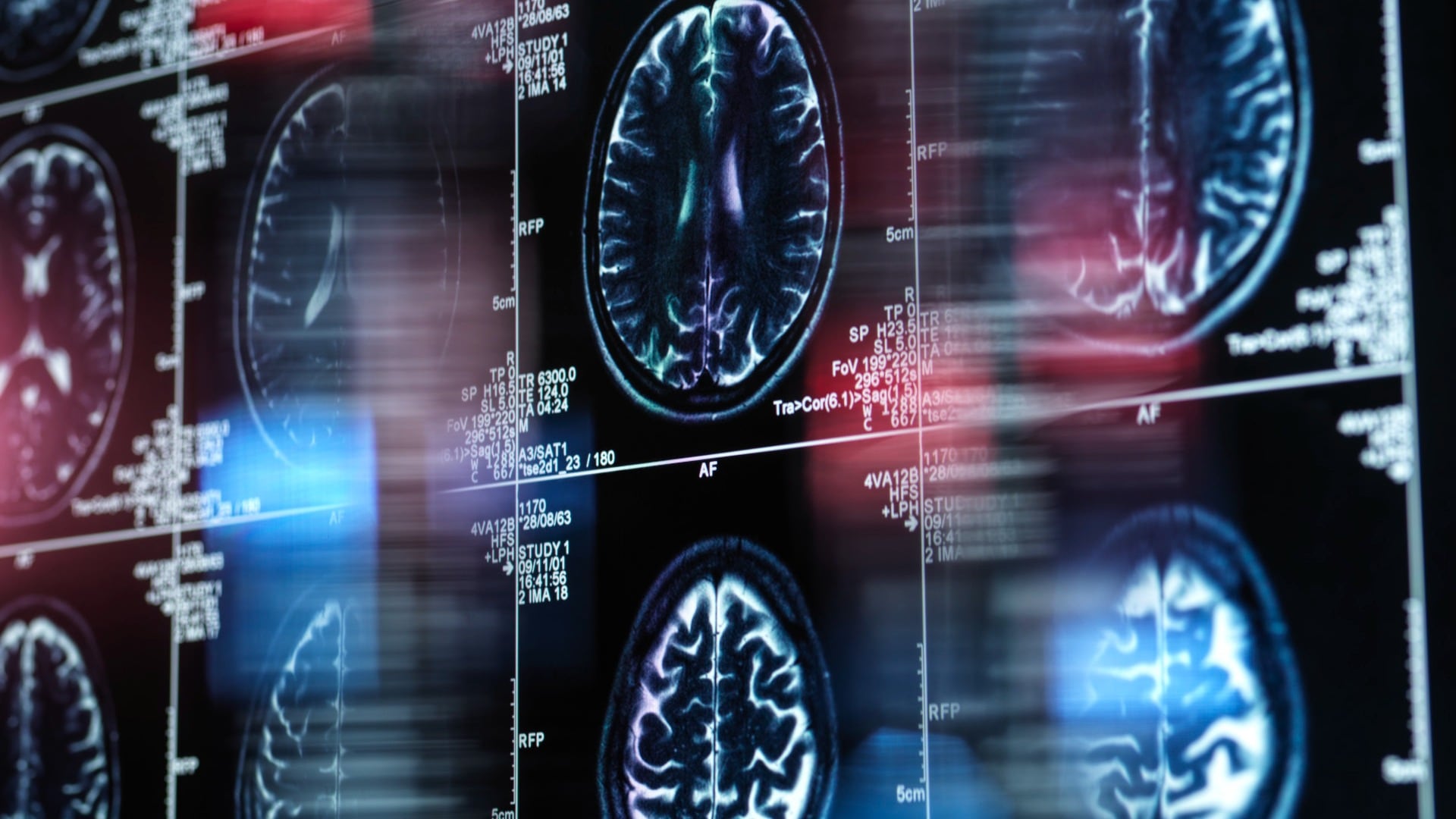
A Food and Drug Administration advisory panel met to discuss regulatory approval for the Alzheimer's drug, Leqembi.
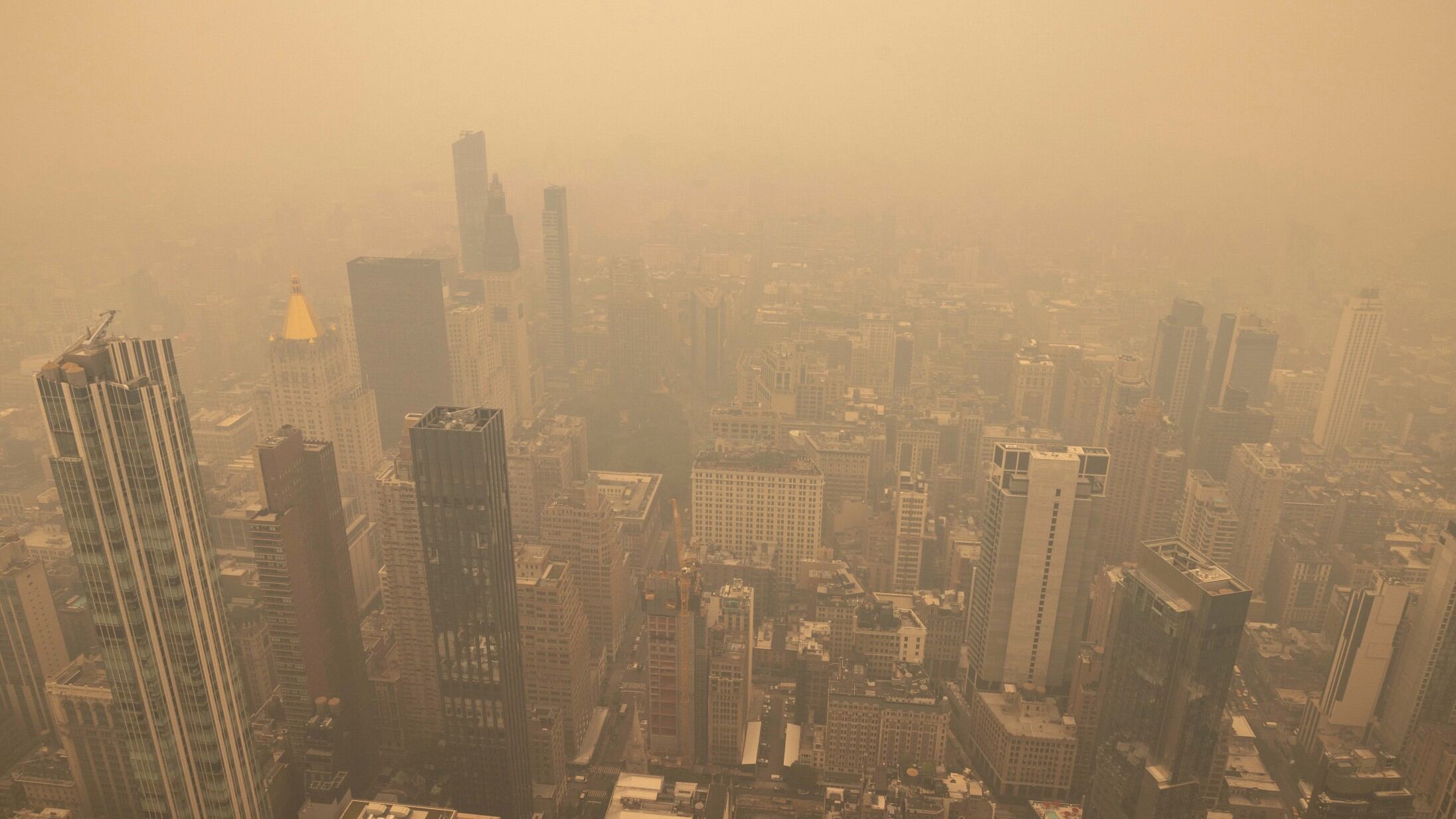
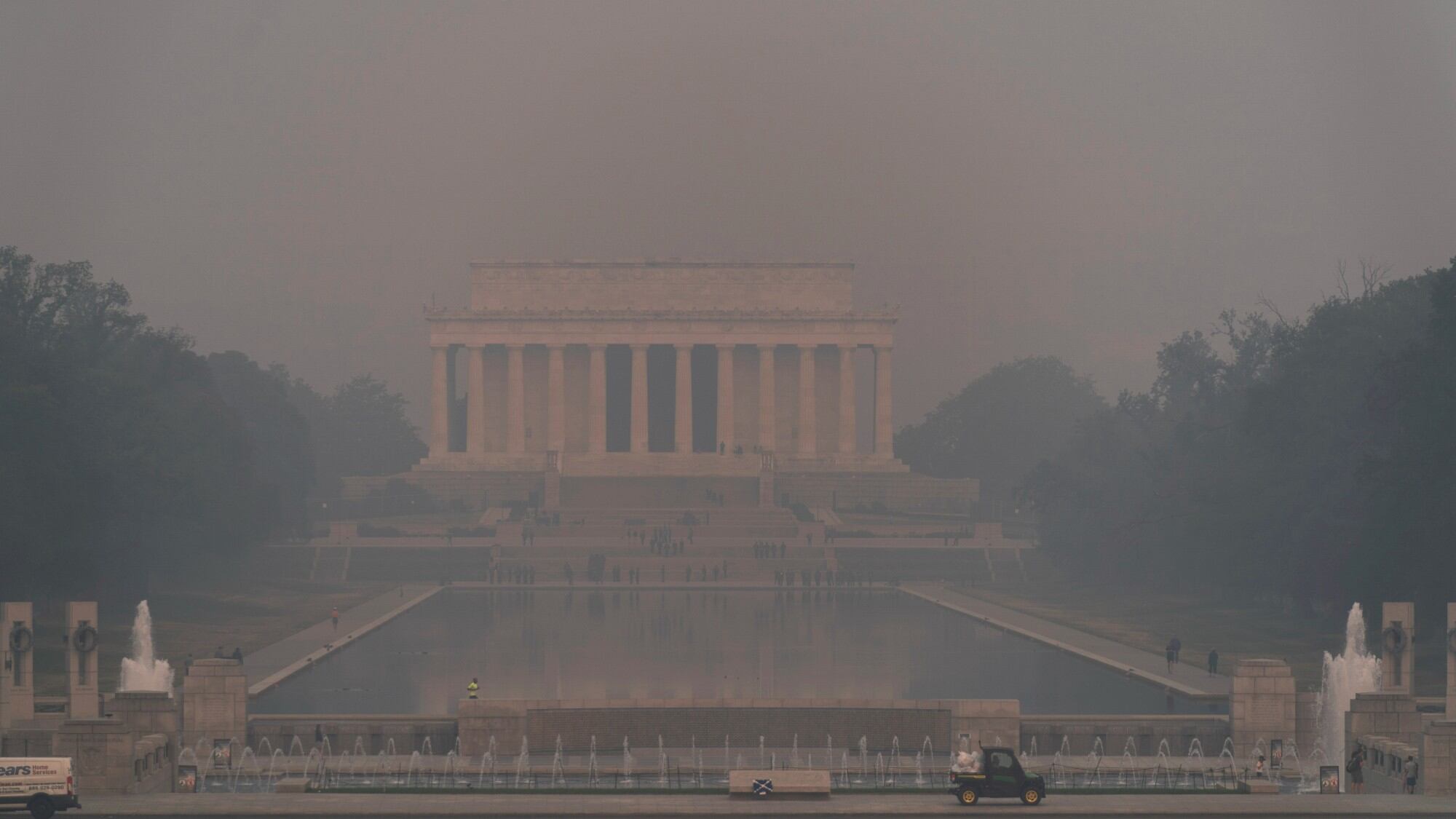
Air quality on the East Coast has improved to at least a moderate level and will continue getting better by the weekend.
A new study from Columbia University has found that taurina, a type of amino acid known mostly as an ingredient in energy drinks, extended the life of worms, mice and monkeys.
Artechouse, a digital art studio in New York City, has a new exhibition that lets visitors experience never-before-seen images that the James Webb space telescope captured. Cheddar News takes a peek inside the newest immersive experience.
A report said that cancer centers are dealing with shortages of carboplatin and cisplatin, drugs that are used to treat cancers.
On air quality maps, purple signifies the worst of it. In reality, it's a thick, hazardous haze that’s disrupting daily life for millions of people across the U.S. and Canada, blotting out skylines and turning skies orange.
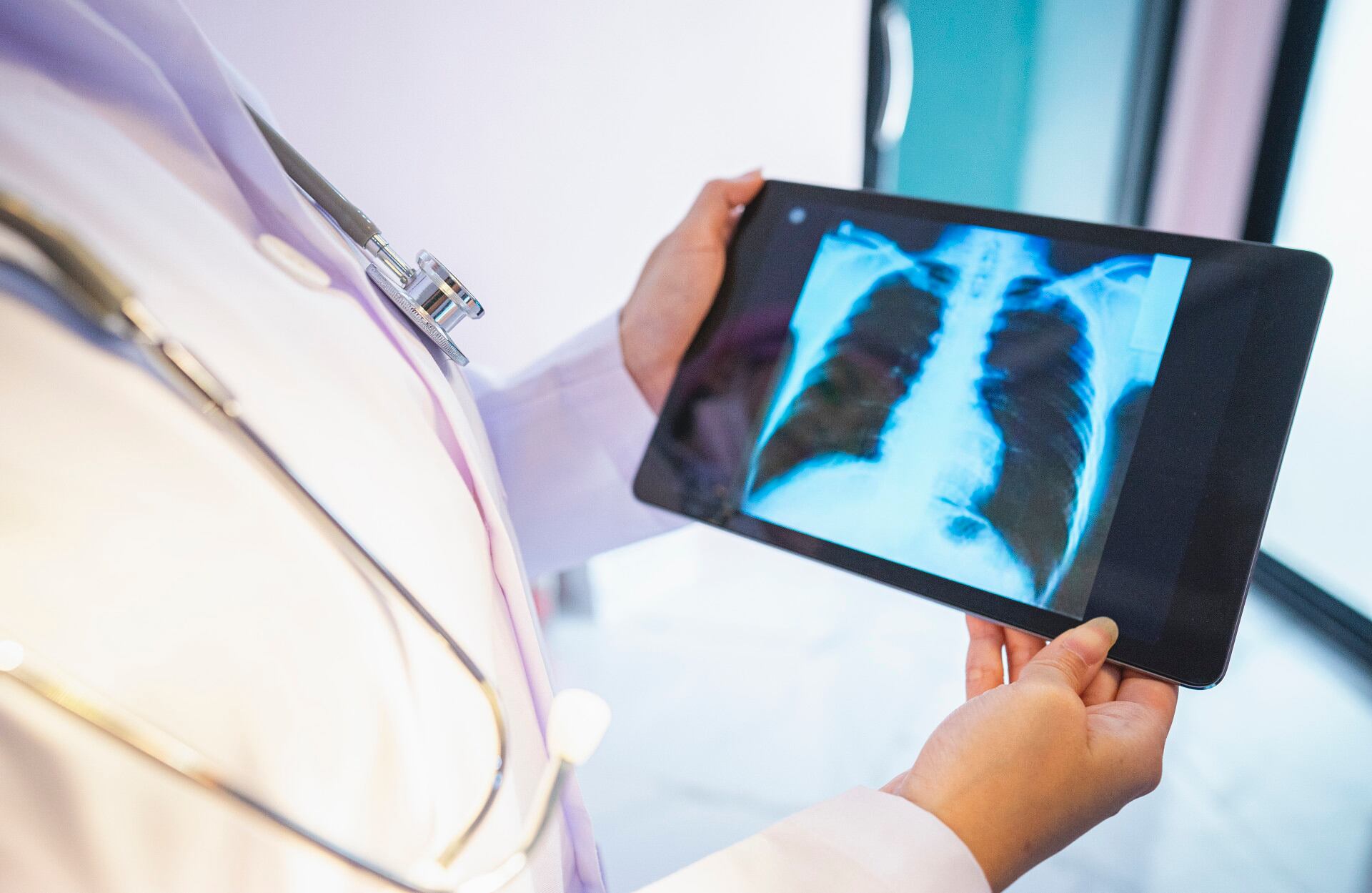
With large swaths of the East Coast blanketed with smog, many are worried about their health. Mangala Narasimhan, director of critical care services at Northwell Health, offers some peace of mind with a handful of expert tips for coping with poor air quality.
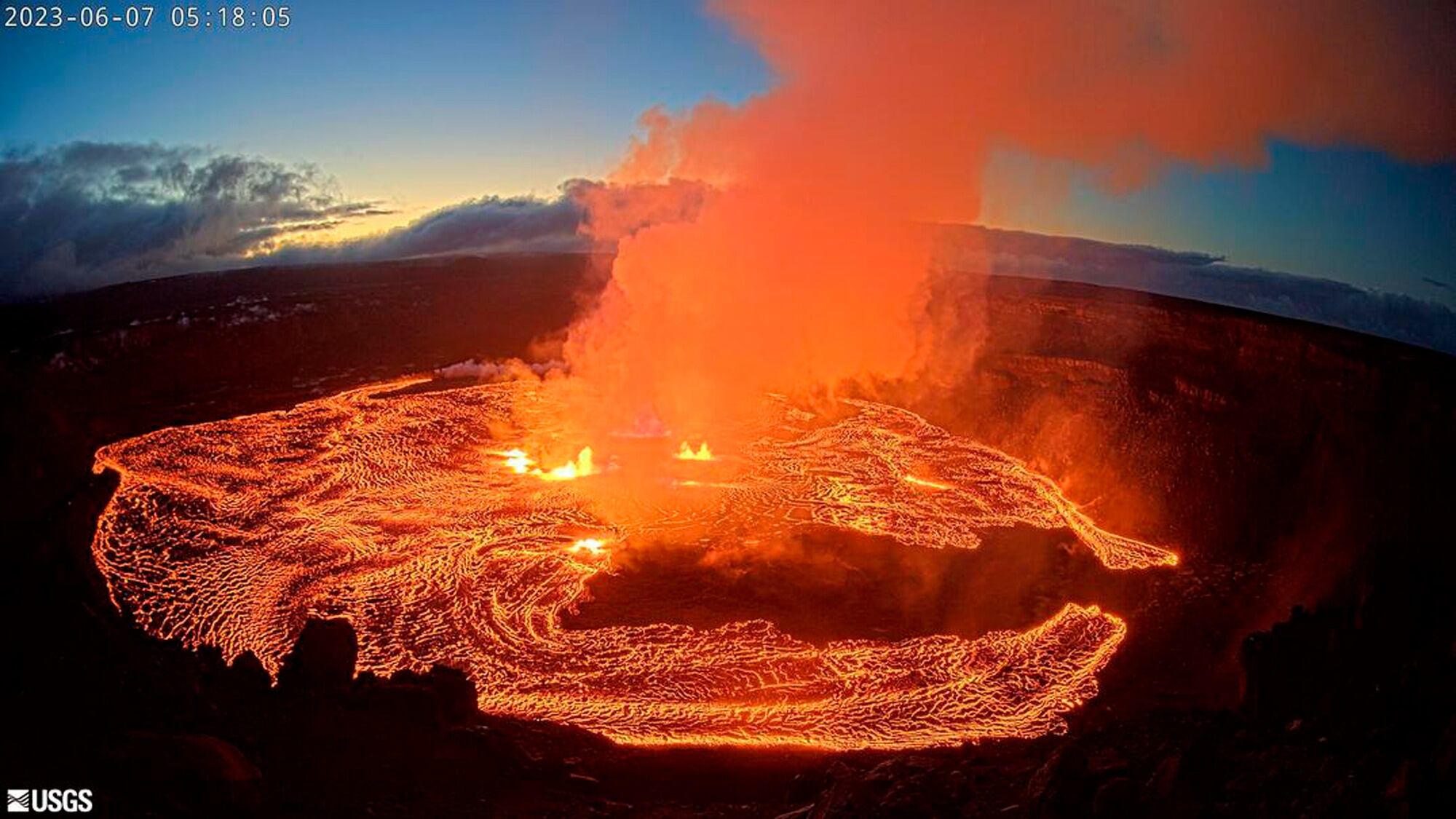
Kilauea, one of the most active volcanoes in the world, began erupting on Wednesday after a three-month pause, displaying spectacular fountains of mesmerizing, glowing lava that's a safe distance from people and structures in a national park on the Big Island.
Smoke from the Canadian wildfires has reached New York and New Jersey which prompted officials to declare the area as currently having some of the worst air quality in the world.