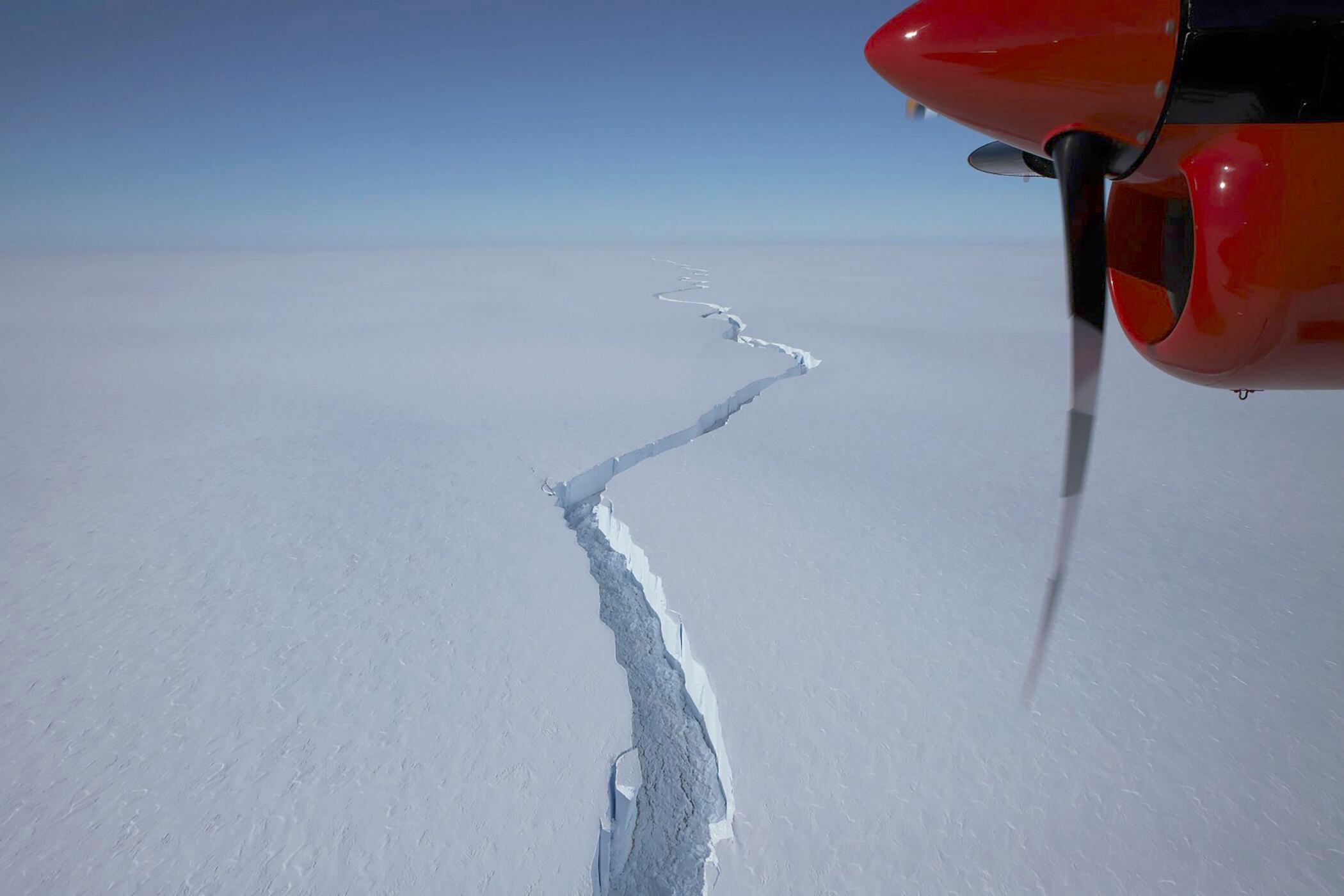
A aerial view taken in Jan. 2021 and issued on Friday July 26, 2021 by the British Antarctic Survey showing a massive crack in the Brunt Ice Shelf in Antarctica. A huge iceberg the size of the English county of Bedfordshire has broken off the 150-m thick Brunt Ice Shelf, almost a decade after scientists at British Antarctic Survey (BAS) first detected growth of vast cracks in the ice.(British Antarctic Survey via AP)
A huge iceberg, the size of the UK county of Bedfordshire, has broken off the Brunt Ice Shelf.
The phenomenon is known as calving and comes almost a decade after scientists at the British Antarctic Survey (BAS) first detected the growth of vast cracks in the ice.
The first indication that a calving event was imminent came in November 2020 when a new chasm – named North Rift – headed towards another large chasm near the Stancomb-Wills Glacier Tongue 35 km (21.7 miles) away.
It's the third major crack in the ice shelf that's become active in the last ten years.
During January, the rift pushed northeast at up to 1 km(0.62 miles) per day, cutting through the 150 meters (492 feet) thick floating ice shelf.
The iceberg was formed when the crack widened several hundred meters in a few hours on the morning of 26th February, finally breaking free from the rest of the floating ice shelf.
The calving is not expected to pose a threat to BAS's Halley Research Station which is located on the Brunt ice shelf.
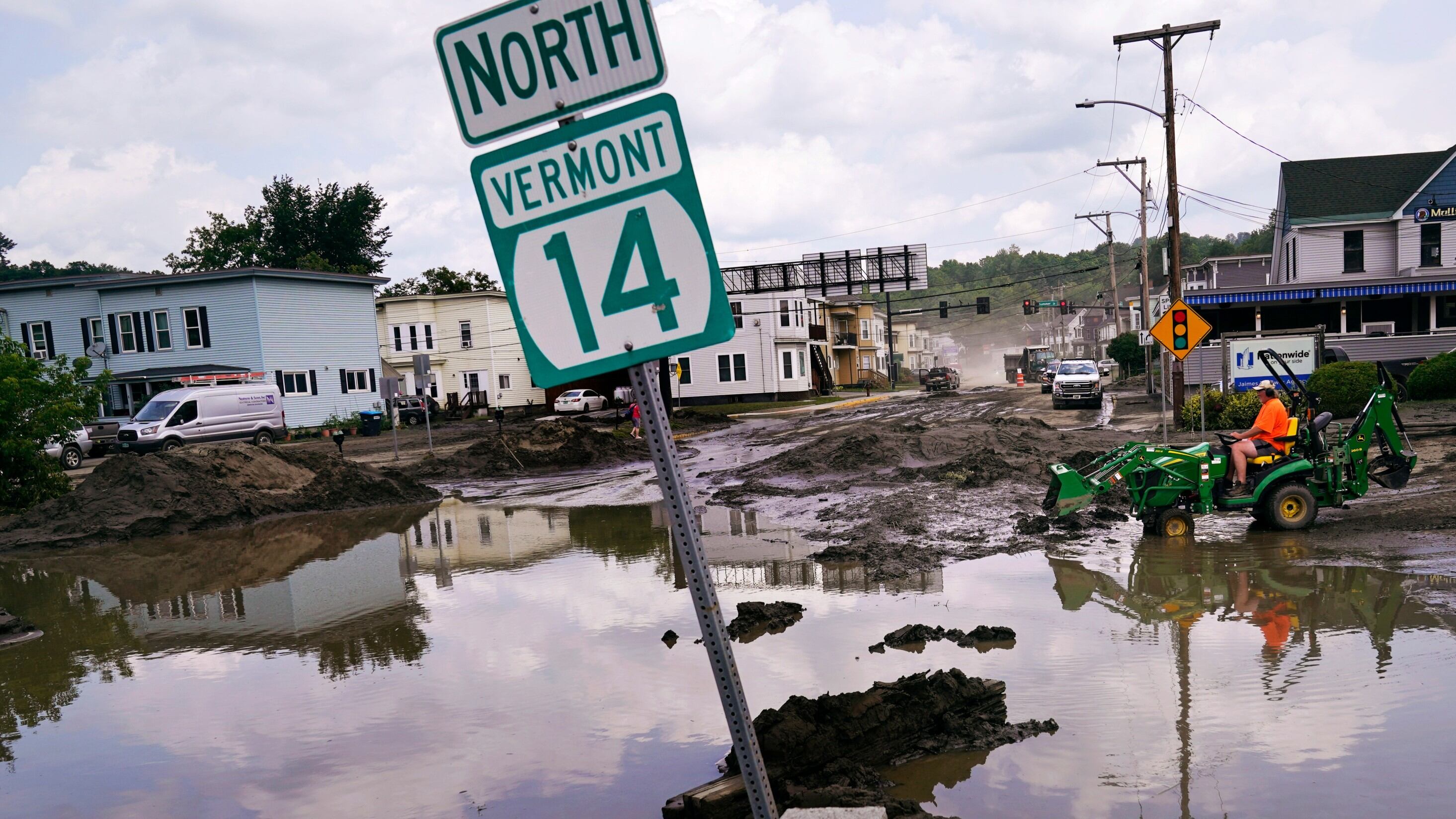
Floodwaters receded in Vermont cities and towns pummeled by a storm that delivered two months of rain in two days, enabling people to focus Wednesday on recovering from a disaster that trapped residents in homes, closed roadways and choked streets and businesses with mud and debris.
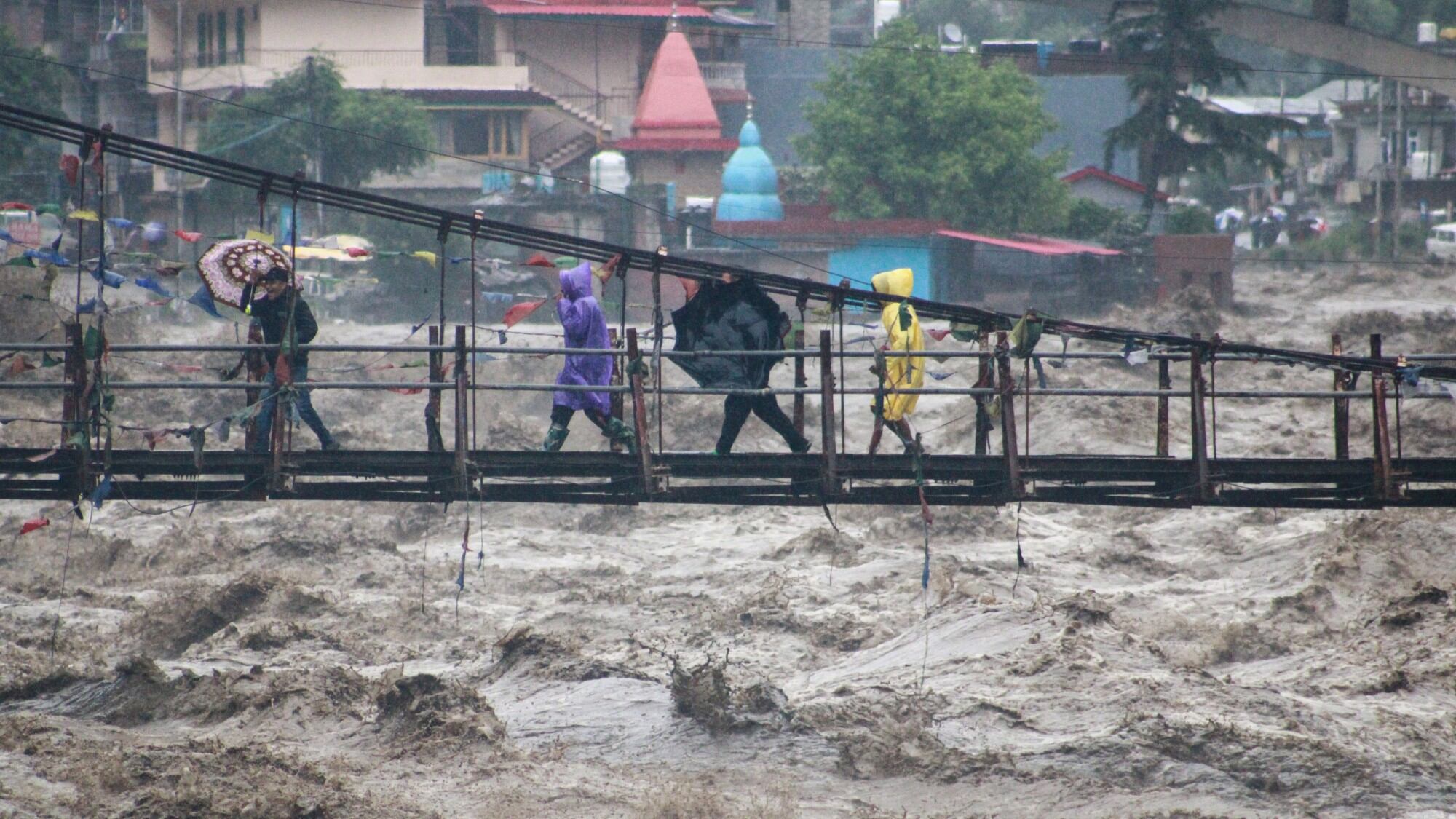
Schools in New Delhi were forced to close Monday after heavy monsoon rains battered the Indian capital, with landslides and flash floods killing at least 15 people over the last three days. Farther north, the overflowing Beas River swept vehicles downstream as it flooded neighborhoods.
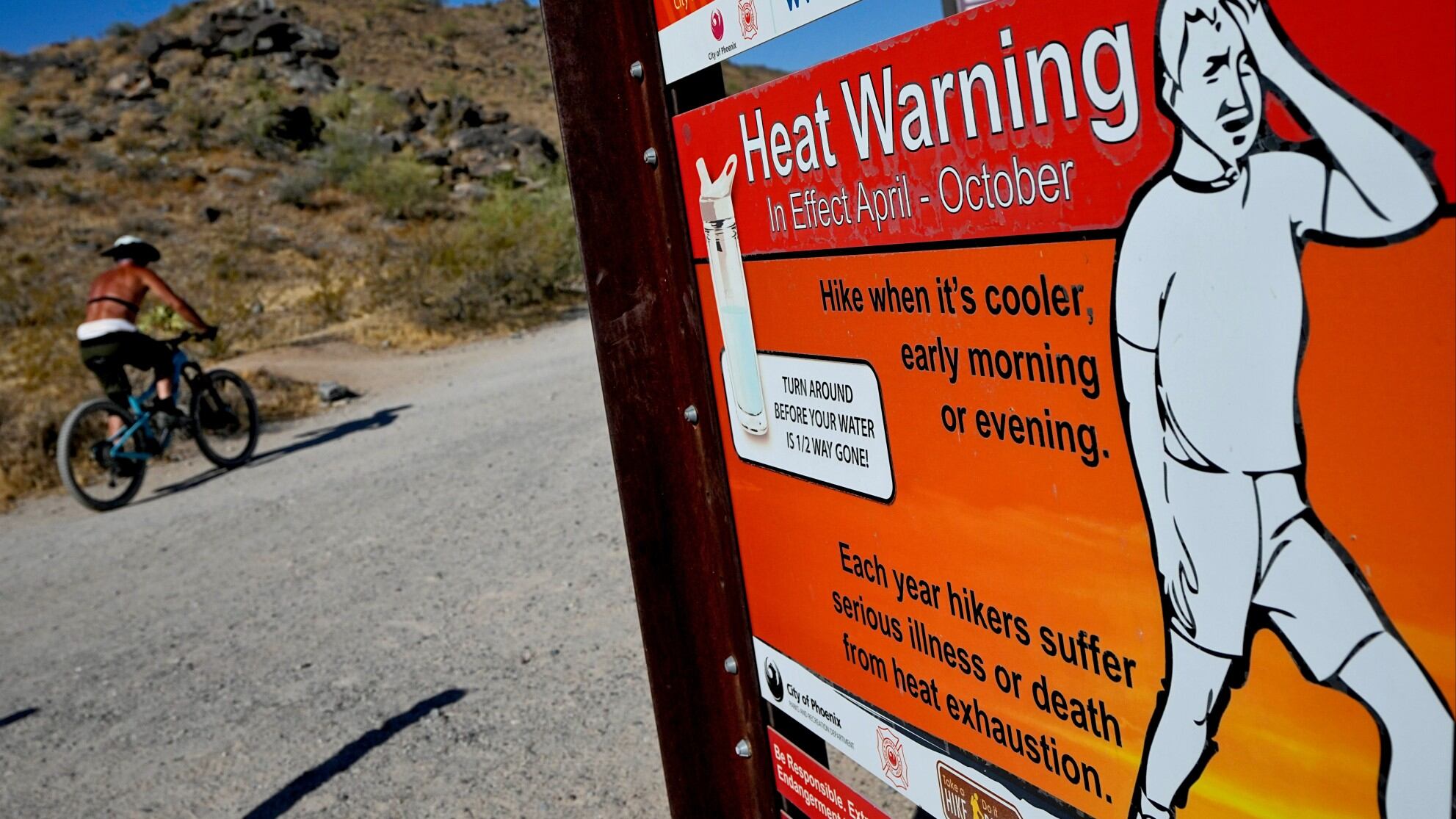
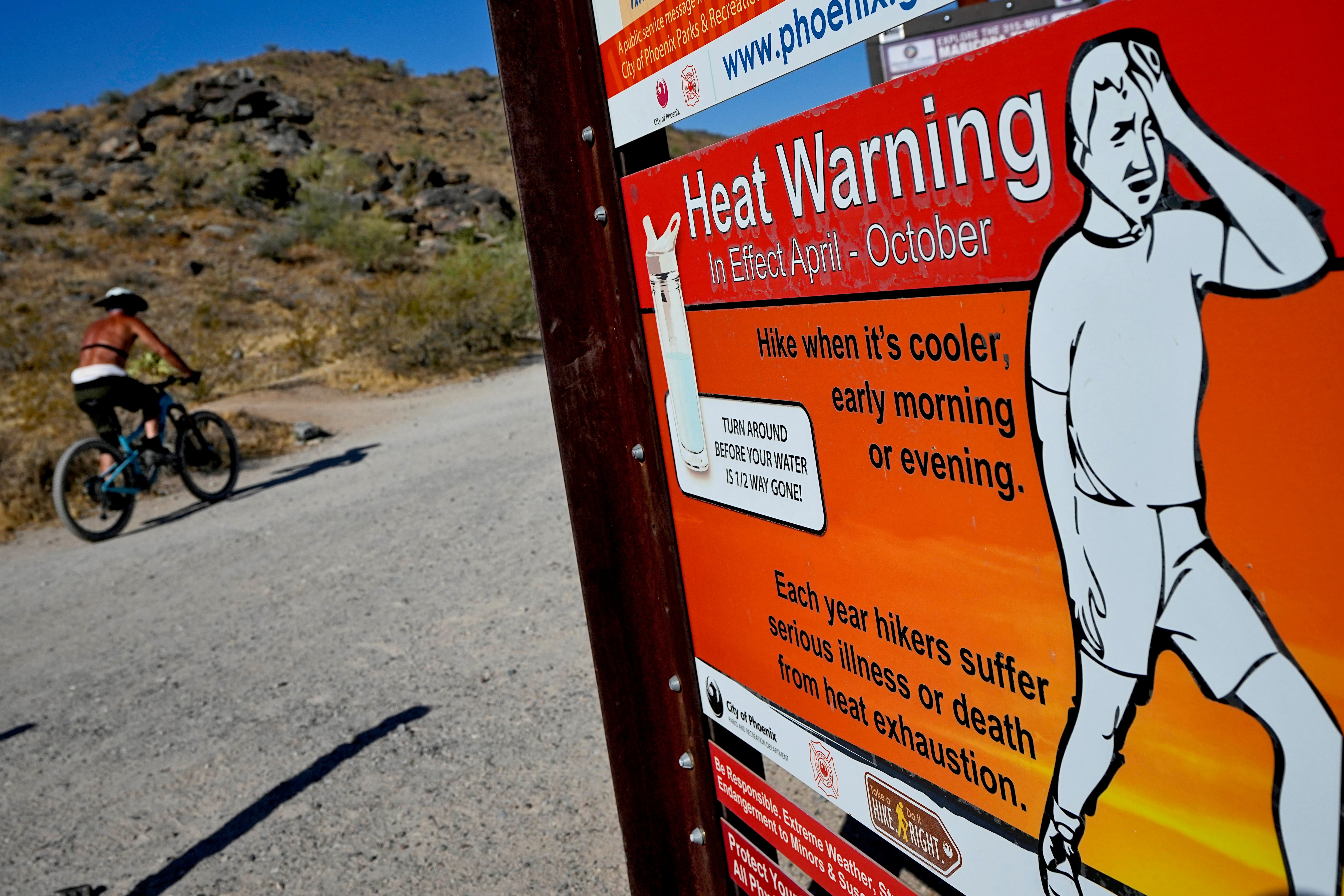
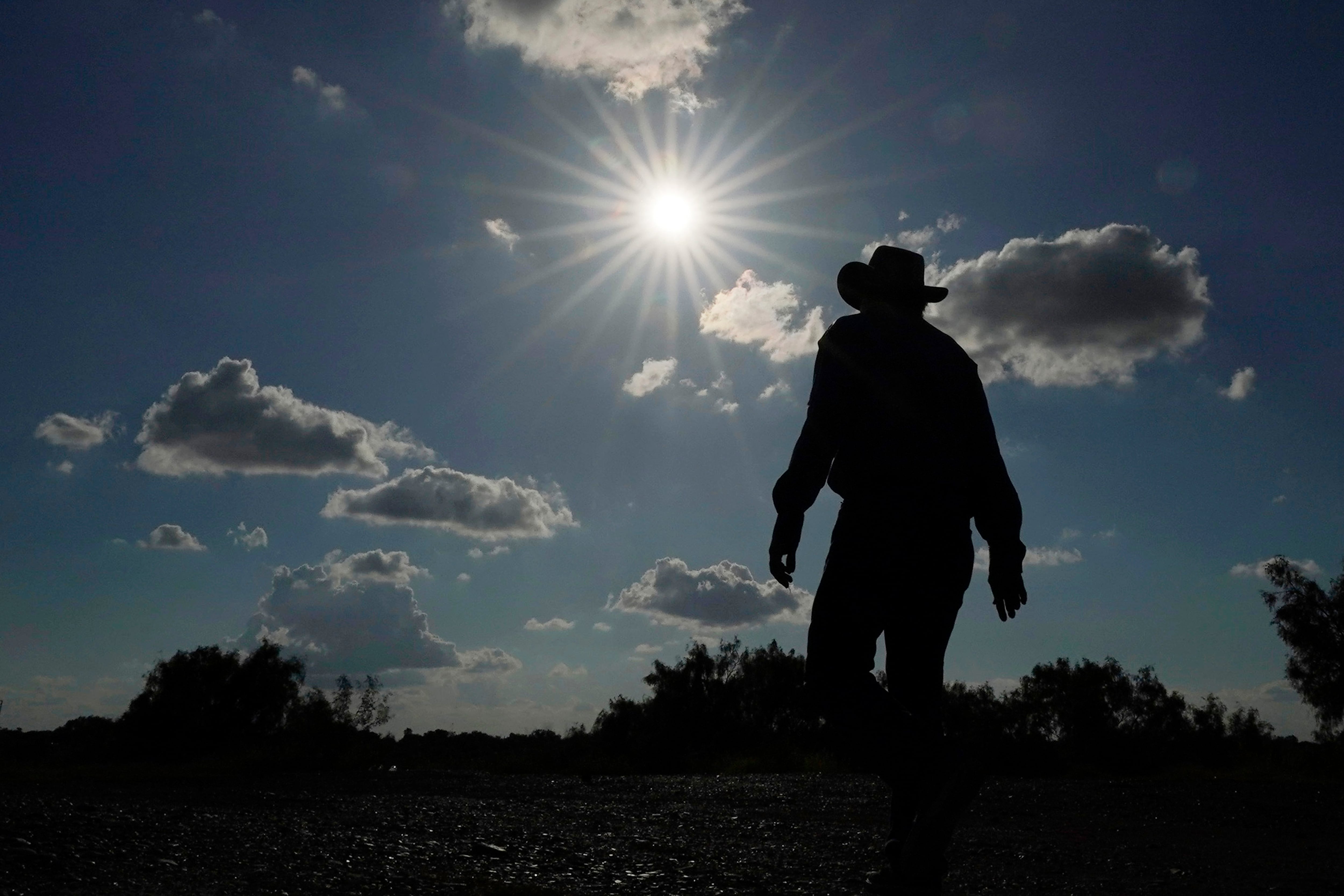
Even Southwestern desert residents accustomed to scorching summers are feeling the grip of an extreme heat wave smacking Arizona, Nevada, New Mexico and Southern California this week with 100-degree-plus temps and excessive heat warnings.