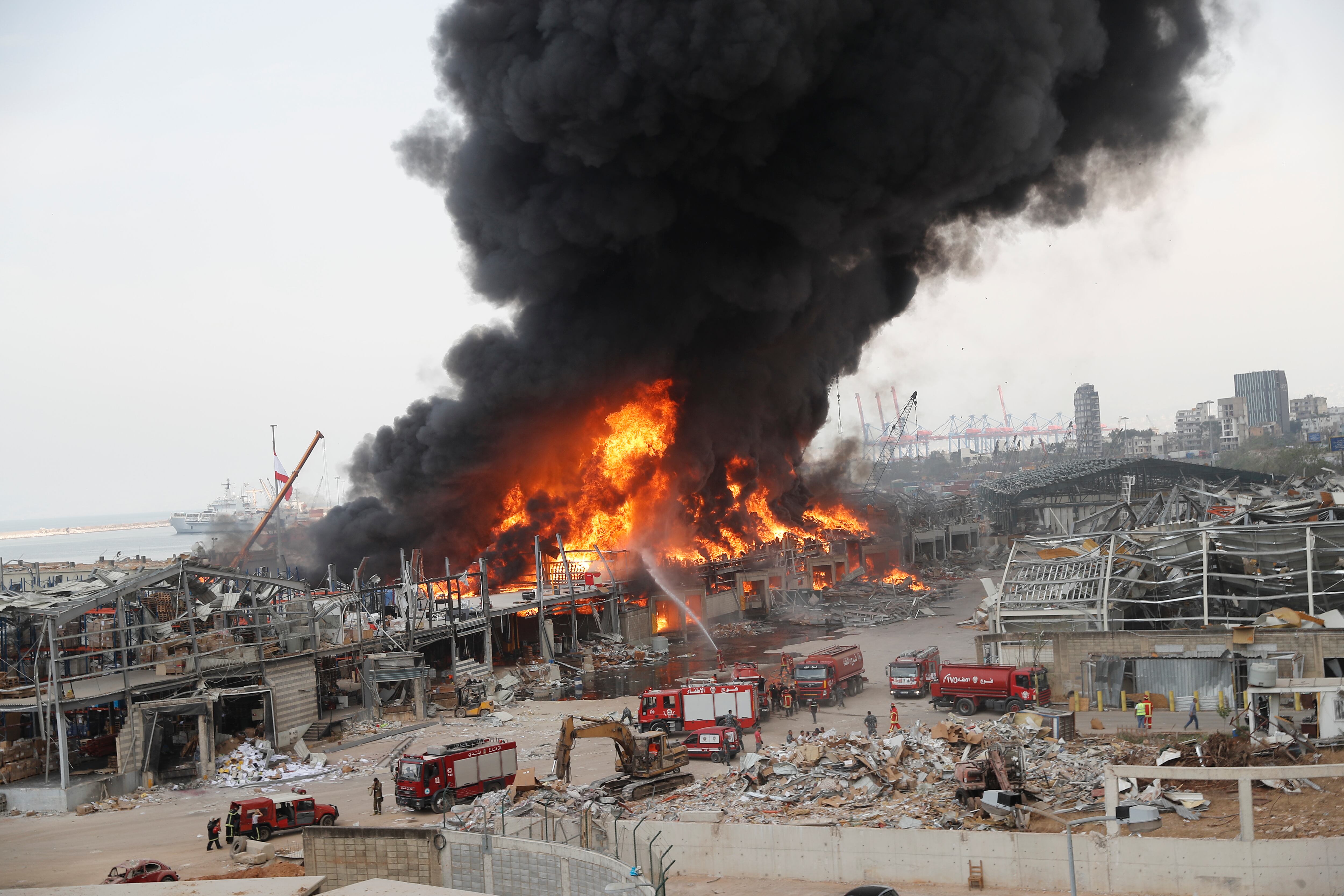
Fire burns in the port in Beirut, Lebanon, Thursday, Sept. 10. 2020. (AP Photo/Hussein Malla)
By Zeina Karam and Hassan Ammar
A huge fire broke out Thursday at the Port of Beirut, the site of last month's catastrophic explosion that killed nearly 200 people and devastated parts of the capital. The new fire nearly 40 days after the blast triggered widespread panic among traumatized residents of the area.
It wasn't immediately clear what caused the fire at the facility, which was decimated by the Aug. 4 explosion when nearly 3,000 tons of ammonium nitrate detonated. The blast triggered a shock wave that blew out windows, doors and walls miles away and was felt as far away as the island of Cyprus.
A column of thick black smoke billowed from the port at midday Thursday, with orange flames leaping from the ground. Smoke covered the capital and firefighters and ambulances rushed to the scene. Army helicopters were taking part in efforts to extinguish the fire.
“We opened all windows and are in the corridor right now,” said Dana Awad, a mother of two girls in a Beirut neighborhood. “I am still feeling the earth shake. Living a flashback.” She was referring to the tremor that preceded the Aug. 4 explosion.
The Lebanese army said the fire started at a warehouse where oil and tires are placed in the duty free zone, adding that efforts to battle the fire were ongoing.
Panicked residents — still struggling to get over last month's catastrophic explosion — cracked open windows and called and texted each other to warn them of the new danger. Local TV stations said companies that have offices near the port asked their employees to leave the area.
A video circulating on social media showed port workers running away in fear as soon as the fire broke out, a chilling reminder of last month’s blast that killed dozens of port employees and 10 firefighters. Lebanese troops closed the major road that passes near the port rerouting traffic to other areas.
The Aug. 4 explosion killed more than 190 people, injured around 6,500 and damaged thousands of buildings in the Lebanese capital. The explosion, the single most destructive blast in Lebanon's history, is blamed on government negligence and mismanagement.
Lebanese speculated in the wake of Thursday's fire that it could be an attempt to remove evidence of last month's explosion from the scene. Some hid in bathrooms, others dropped what they were doing and rushed home.
The panic was compounded by the trauma from the Aug. 4 explosion and the fear that more chemicals could be in the wreckage of the port. Earlier this month, the Lebanese army said it discovered more than 4 tons of ammonium nitrate in four containers stored near the port that it said were “dealt with.”
Days after the Aug. 4 blast, French and Italian chemical experts working amid the remains of the port identified more than 20 containers carrying dangerous chemicals. The army later said that these containers were moved and stored safely in locations away from the port.
State-run National News Agency said the fire was at a warehouse where tires are placed. It added that firefighters are dealing with the blaze.
Beirut Gov. Marwan Abboud and authorities called on people to stay away from roads leading to the port to allow fire engines to move quickly.
Port director Bassem al-Qaisi told Voice of Lebanon radio the fire started in a warehouse where barrels of cooking oil were placed and later spread nearby to where tires were piled.
“It is too early to now if it is the result of heat or some other mistake,” al-Qaissi said adding that the black smoke was from burning tires.
It was the second fire at the port this week. On Tuesday, a small fire erupted, also creating some panic, that was quickly extinguished.
Associated Press writer Bassem Mroue in Beirut contributed.
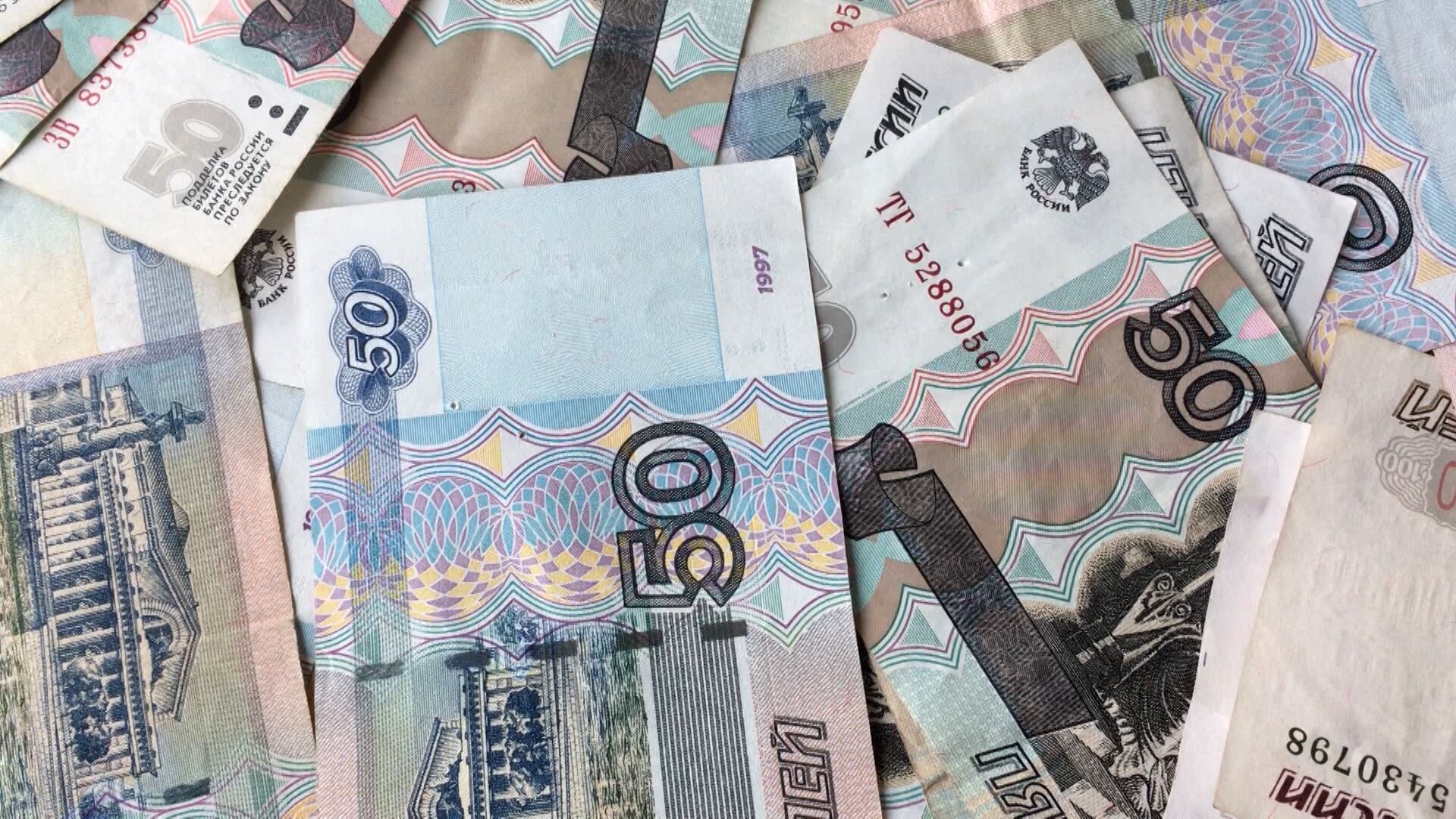
Russia has defaulted on some of its foreign debt as a tidal wave of western sanctions threatens its economy. The credit ratings agency S&P has placed Russia under "selective default" after it tried to pay its latest obligations in rubles. Russia now has a 30-day grace period to resolve the issue, but Moscow is threatening to take legal action. George Seay, Annandale Capital's CEO, joined Cheddar to break down what this means, and how Russia defaulting on its debt might impact the global economy.
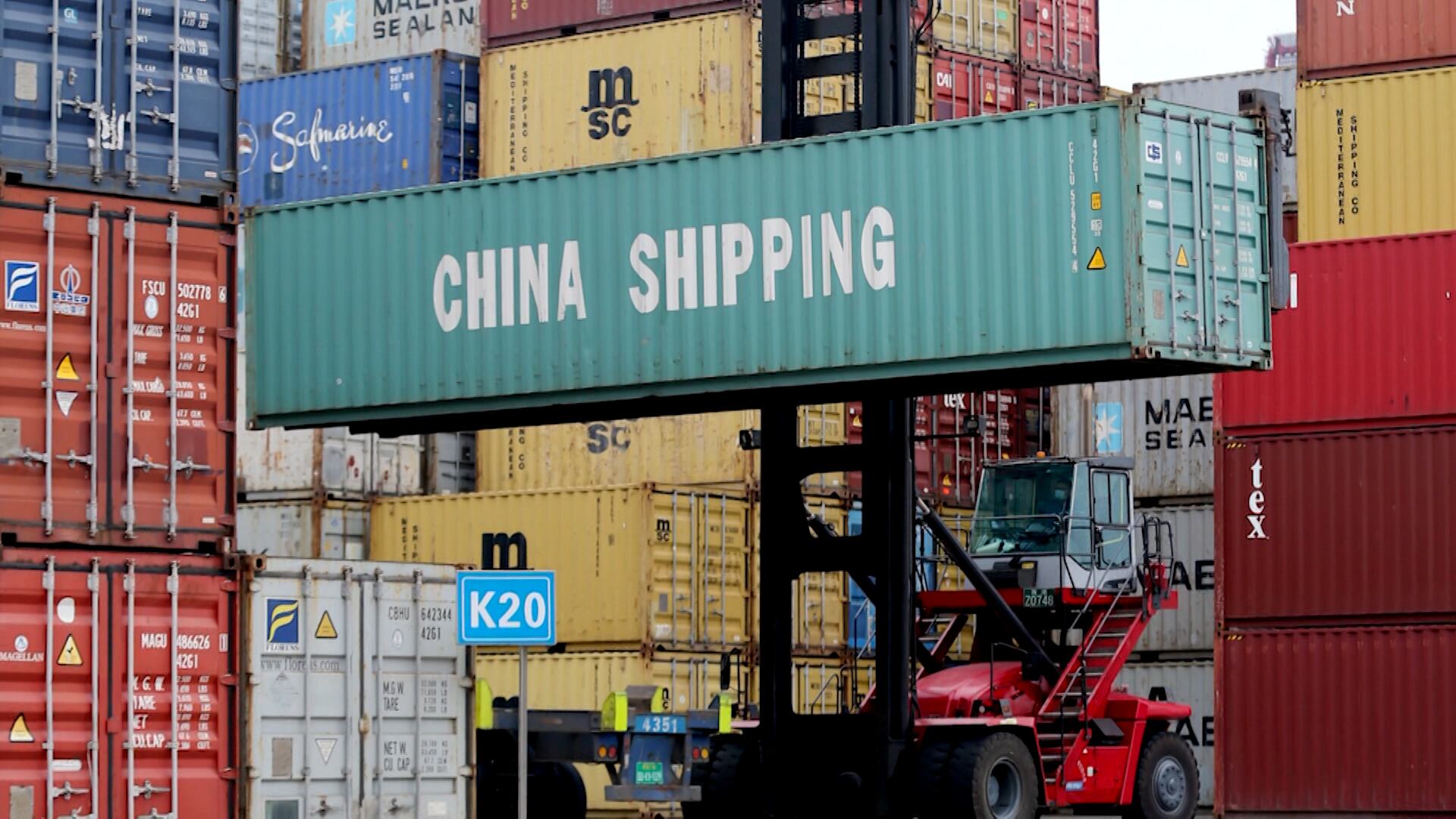
China's zero-covid policy may pose a wide-ranging threat to the local, and overseas economy. Analysts voicing concern on the strict lockdown in Shanghai as businesses and ports remain shuttered, potentially threatening the global supply chain. Shehzad H. Qazi, Managing Director, China Beige Book International joined Cheddar's Opening Bell to discuss.
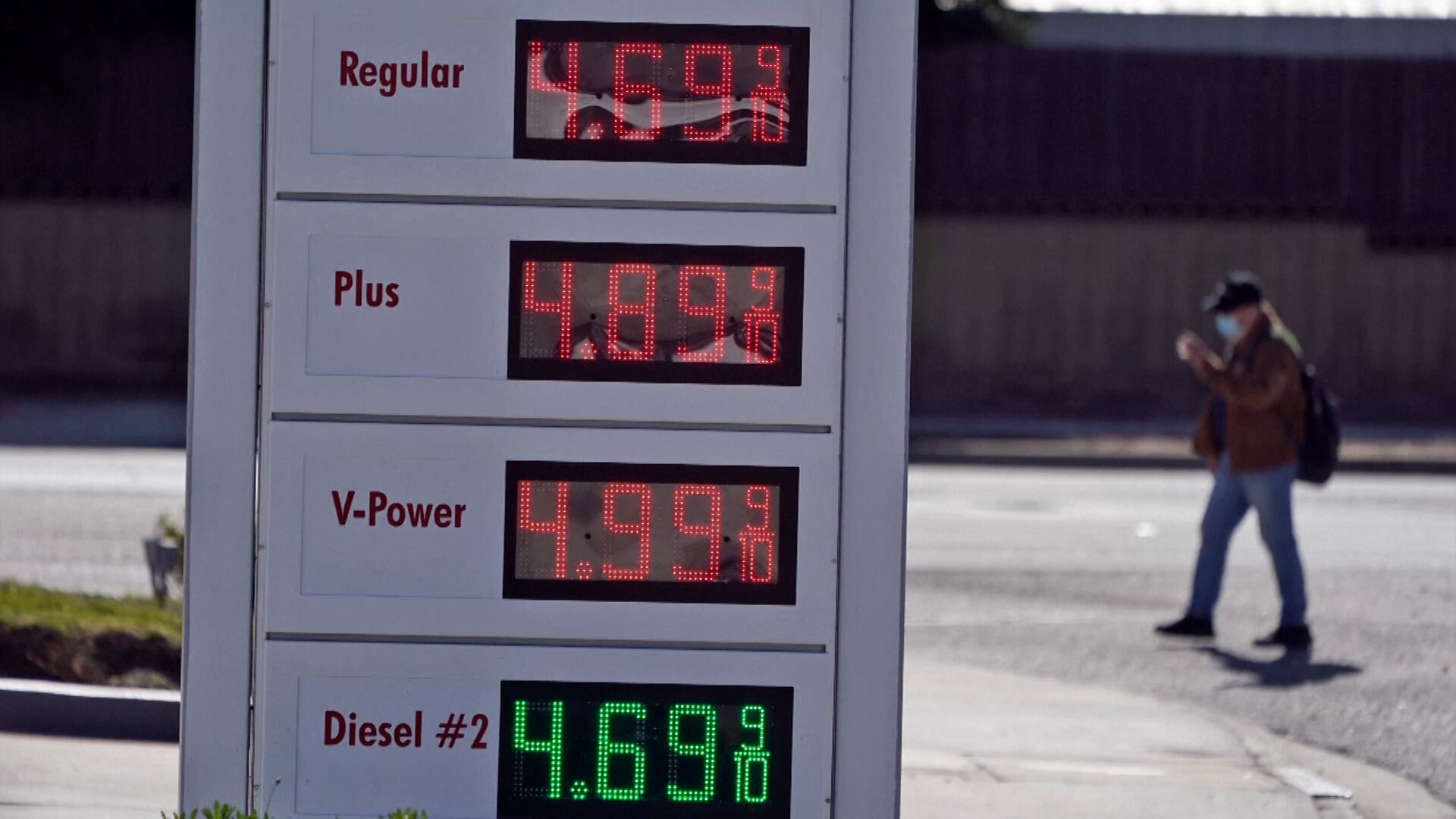
The consumer price index in March rose by 8.5% from a year ago, the fastest annual gain since December 1981 and one-tenth of a percentage point above the estimate. The rise in prices is driven by strong consumer demand, supply-chain disruptions and skyrocketing energy costs related to Russia's invasion of Ukraine. Heather Boushey, Council of Economic Advisers Member for President Biden, joined Cheddar's Opening Bell to give her reaction to the latest inflation numbers.
As China faces backlash from its response to Russia's invasion of Ukraine, the U.S. is strengthening its relationship with India. India is expected to become one of the top three economic powers in the world over the next 10 to 15 years, bolstered by technological advances and the manufacturing sector. Samir Kapadia, CEO and Principal of The Vogel Group, joined Cheddar to discuss the state of India's economy, and how it can only grow from here.
With the midterms just a few months away, record-setting inflation is weighing on the minds of voters. According to a recent CNN poll, a majority of voters said the state of the economy will play a key role in how they cast their ballot, and 55% said the same of inflation. Joseph Zeballos-Roig, Economic Policy Reporter for Insider, joined Cheddar to discuss how inflation could shape the 2022 midterms, and ultimately determine the balance of power in Congress.
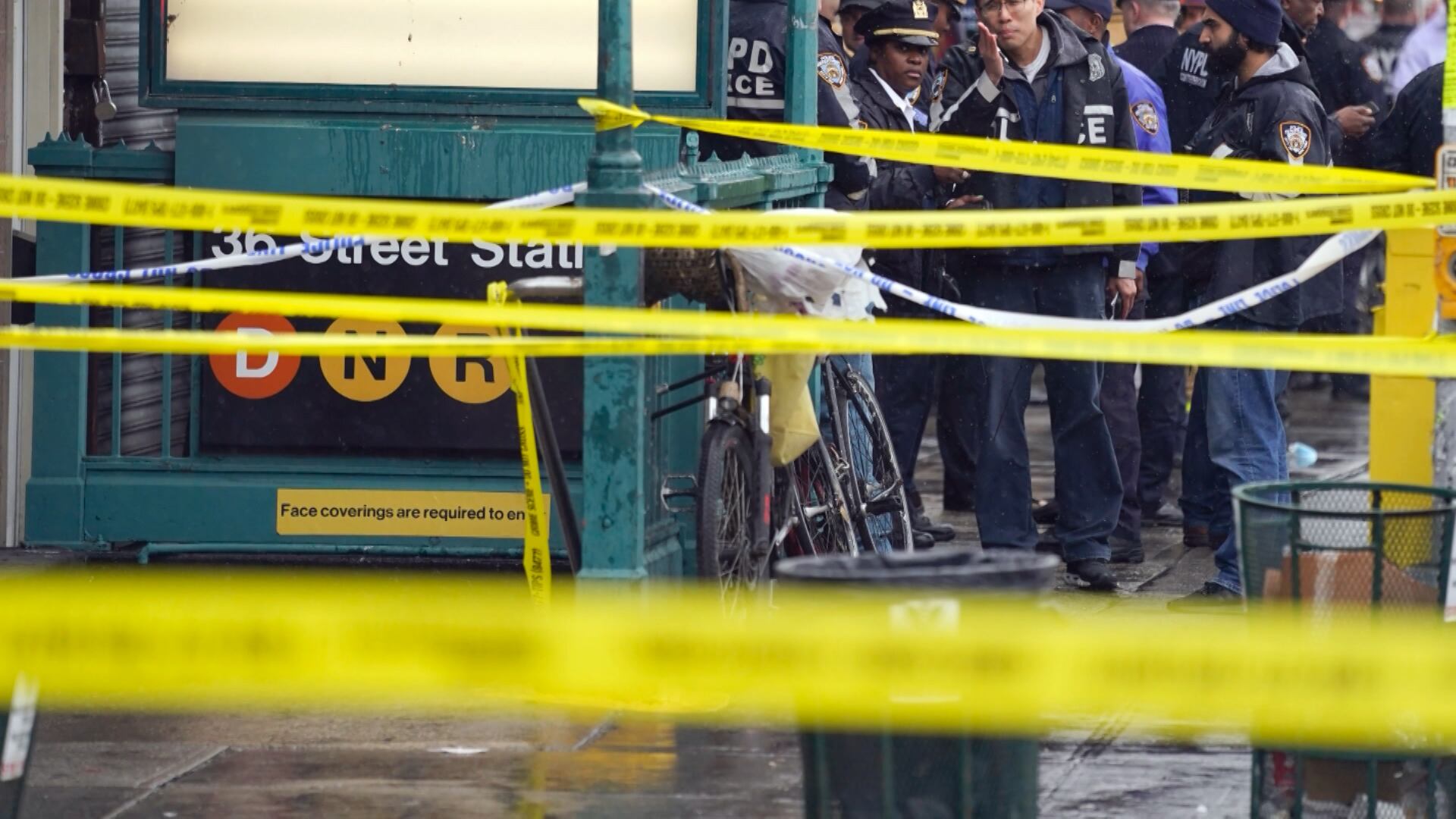
The Brooklyn subway attack is the latest in a string of high-profile crimes that have plagued New York City. The surge in crime comes as cities across the country are trying to recover from the pandemic and bring life back to a sense of normal. Joseph Giacalone, professor at John Jay College and retired NYPD sergeant, joined Cheddar's Opening Bell to explain what's behind the rise in crime, and what can be done about it.
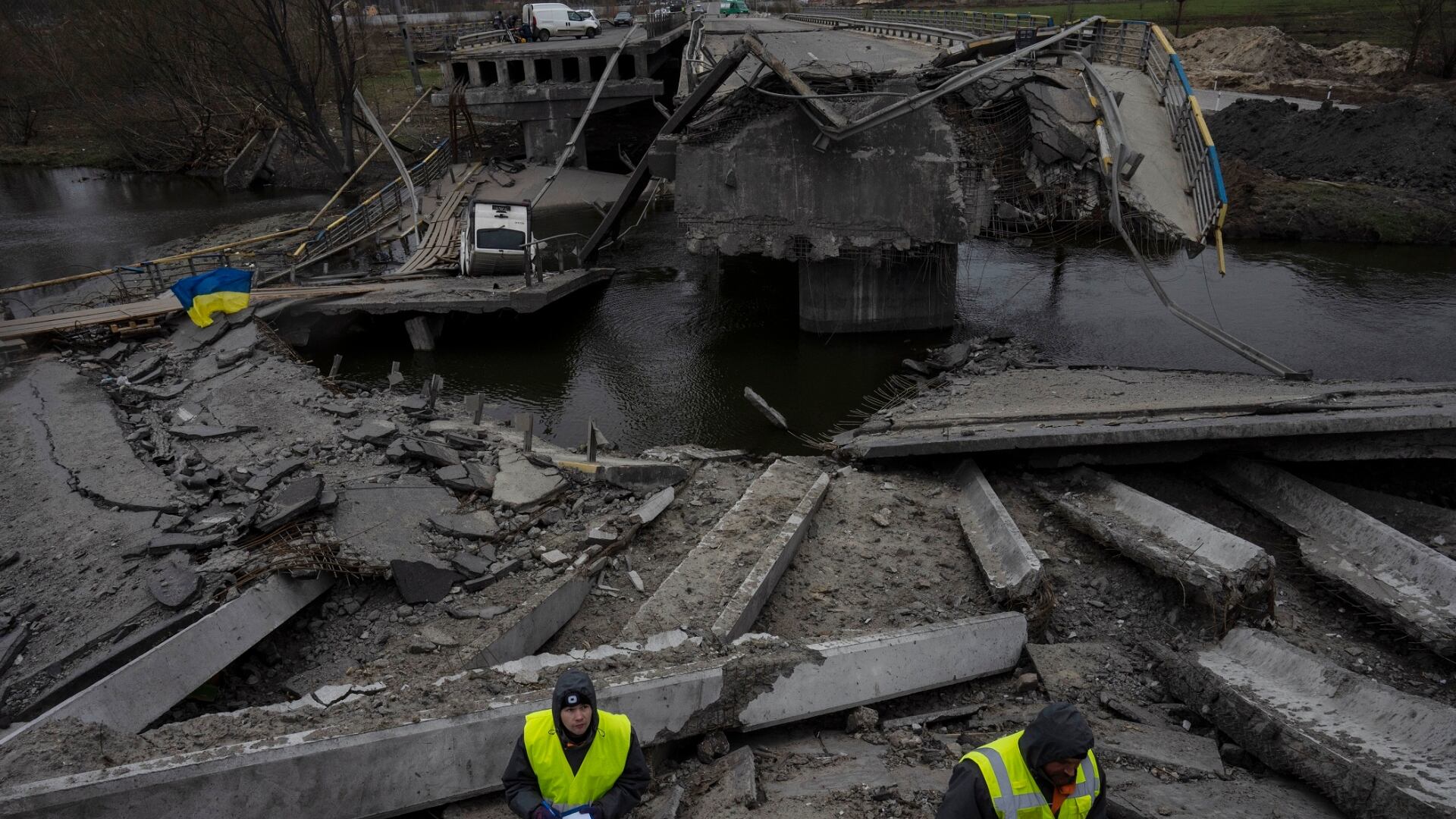
After failing to take control of northern and western Ukraine, Russia is shifting its focus to the east. As both sides continue to pour reinforcements into the region, officials are expecting more conventional combat involving tanks, artillery, and aircraft that could shape the war's biggest battles yet. Doug Collins, a former Georgia congressman, joined Cheddar to discuss the change in Russia's tactics.
Catching you up on what you need to know on Apr 14, 2022, with the U.S. sending $800M to Ukraine, updates on the subway shooting in Brooklyn, Gov. Abbott putting a pause on his southern border truck inspections, migrants being bused from Texas to Washington, DC, the travel mask mandate extending until May 3, and more.
This March 19, 2018, file photo shows the Yelp app on an iPad in Baltimore. Yelp reports financial results Thursday, Nov. 7, 2019. The online review service will cover the travel expenses of employees who have to travel out of state for abortions, joining the ranks of major employers trying to help workers affected by restrictions being placed on the procedure in Texas and other states. The benefit announced Tuesday, April 12, 2022 covers Yelp's entire workforce of 4,000 employees, but seems most likely to have its biggest immediate impact on its 200 workers in Texas, which has passed a law banning abortions within the state after six weeks of pregnancy. (AP Photo/Patrick Semansky, File)