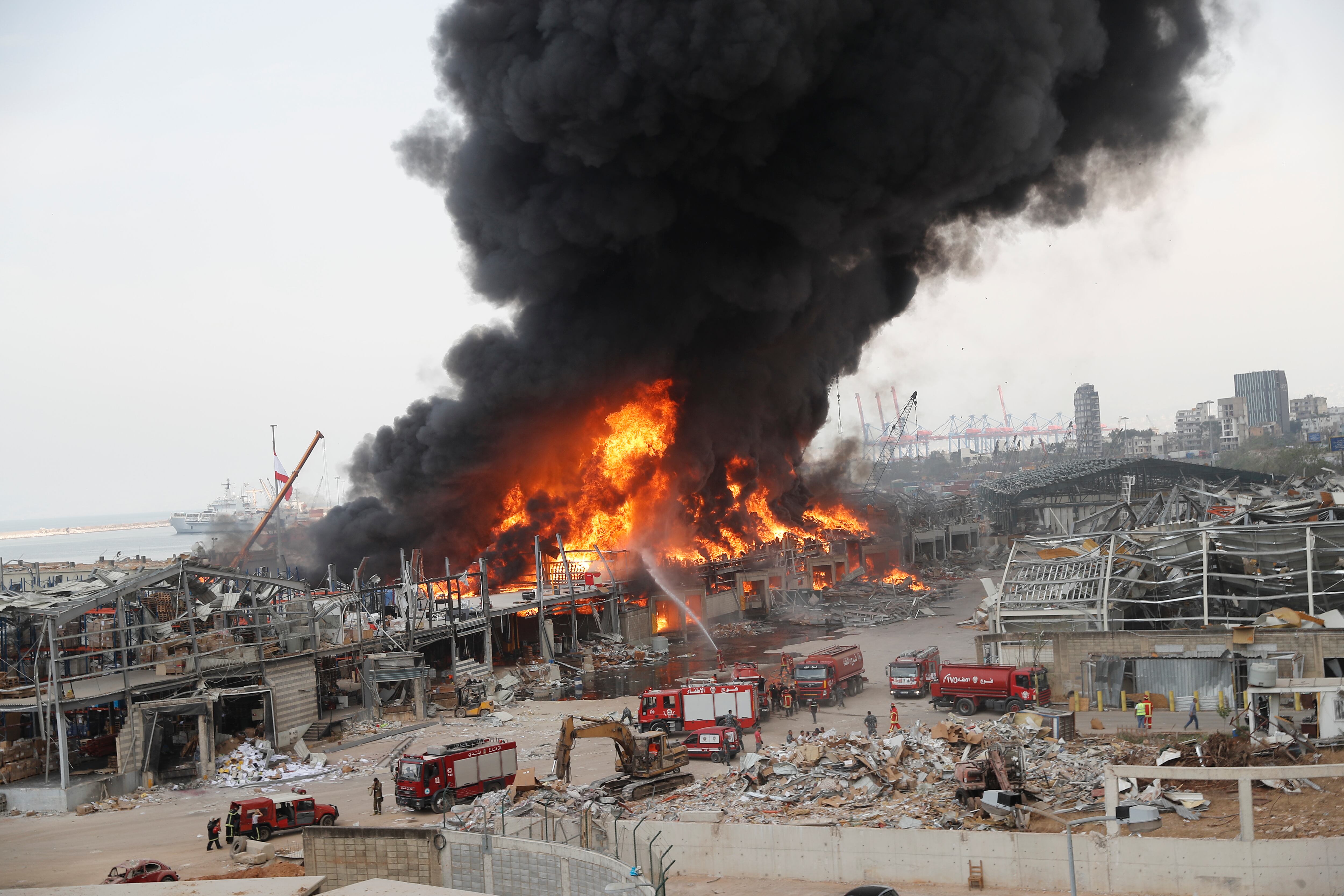
Fire burns in the port in Beirut, Lebanon, Thursday, Sept. 10. 2020. (AP Photo/Hussein Malla)
By Zeina Karam and Hassan Ammar
A huge fire broke out Thursday at the Port of Beirut, the site of last month's catastrophic explosion that killed nearly 200 people and devastated parts of the capital. The new fire nearly 40 days after the blast triggered widespread panic among traumatized residents of the area.
It wasn't immediately clear what caused the fire at the facility, which was decimated by the Aug. 4 explosion when nearly 3,000 tons of ammonium nitrate detonated. The blast triggered a shock wave that blew out windows, doors and walls miles away and was felt as far away as the island of Cyprus.
A column of thick black smoke billowed from the port at midday Thursday, with orange flames leaping from the ground. Smoke covered the capital and firefighters and ambulances rushed to the scene. Army helicopters were taking part in efforts to extinguish the fire.
“We opened all windows and are in the corridor right now,” said Dana Awad, a mother of two girls in a Beirut neighborhood. “I am still feeling the earth shake. Living a flashback.” She was referring to the tremor that preceded the Aug. 4 explosion.
The Lebanese army said the fire started at a warehouse where oil and tires are placed in the duty free zone, adding that efforts to battle the fire were ongoing.
Panicked residents — still struggling to get over last month's catastrophic explosion — cracked open windows and called and texted each other to warn them of the new danger. Local TV stations said companies that have offices near the port asked their employees to leave the area.
A video circulating on social media showed port workers running away in fear as soon as the fire broke out, a chilling reminder of last month’s blast that killed dozens of port employees and 10 firefighters. Lebanese troops closed the major road that passes near the port rerouting traffic to other areas.
The Aug. 4 explosion killed more than 190 people, injured around 6,500 and damaged thousands of buildings in the Lebanese capital. The explosion, the single most destructive blast in Lebanon's history, is blamed on government negligence and mismanagement.
Lebanese speculated in the wake of Thursday's fire that it could be an attempt to remove evidence of last month's explosion from the scene. Some hid in bathrooms, others dropped what they were doing and rushed home.
The panic was compounded by the trauma from the Aug. 4 explosion and the fear that more chemicals could be in the wreckage of the port. Earlier this month, the Lebanese army said it discovered more than 4 tons of ammonium nitrate in four containers stored near the port that it said were “dealt with.”
Days after the Aug. 4 blast, French and Italian chemical experts working amid the remains of the port identified more than 20 containers carrying dangerous chemicals. The army later said that these containers were moved and stored safely in locations away from the port.
State-run National News Agency said the fire was at a warehouse where tires are placed. It added that firefighters are dealing with the blaze.
Beirut Gov. Marwan Abboud and authorities called on people to stay away from roads leading to the port to allow fire engines to move quickly.
Port director Bassem al-Qaisi told Voice of Lebanon radio the fire started in a warehouse where barrels of cooking oil were placed and later spread nearby to where tires were piled.
“It is too early to now if it is the result of heat or some other mistake,” al-Qaissi said adding that the black smoke was from burning tires.
It was the second fire at the port this week. On Tuesday, a small fire erupted, also creating some panic, that was quickly extinguished.
Associated Press writer Bassem Mroue in Beirut contributed.
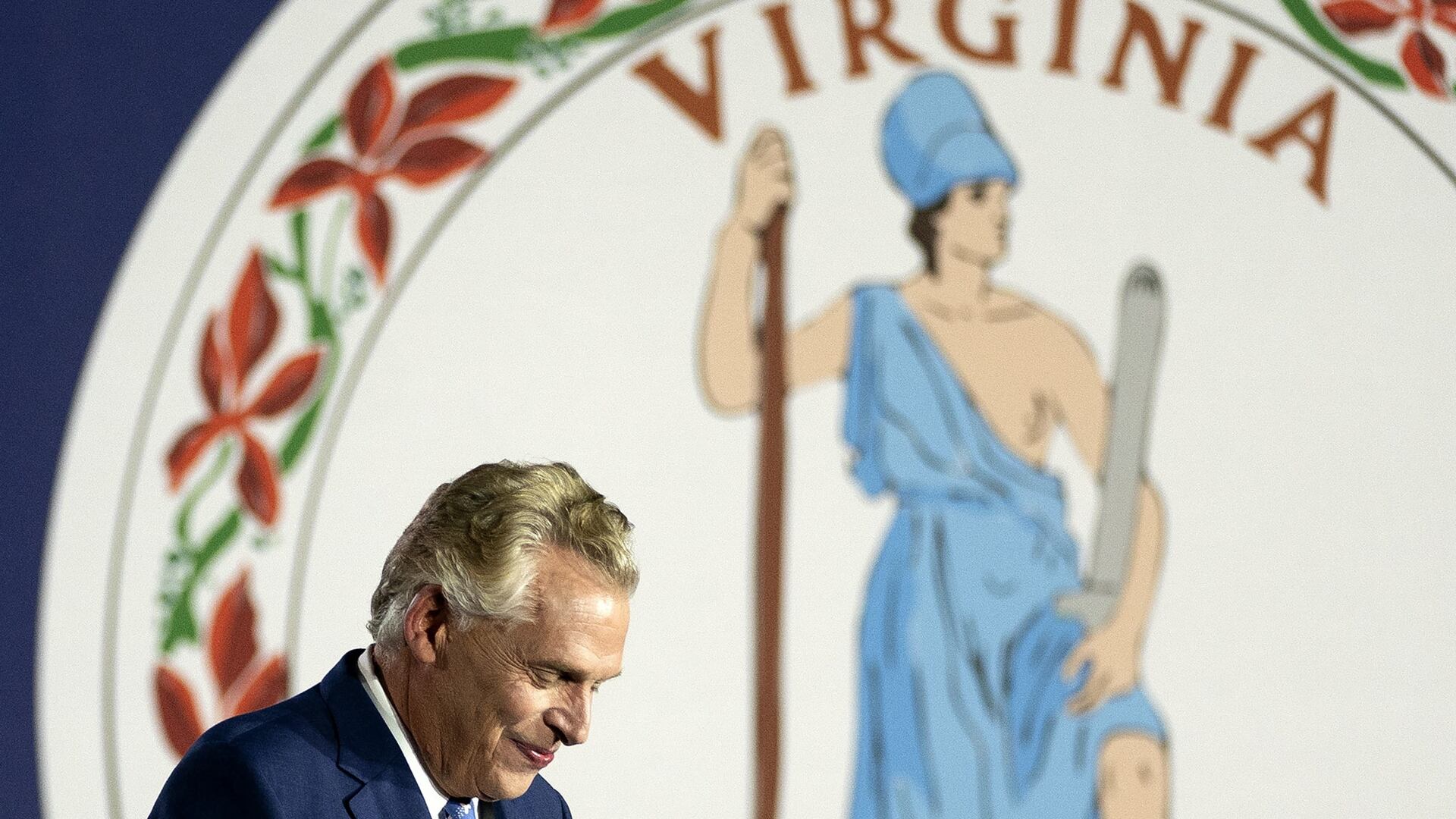
Going into election day on Tuesday, many of us had an inkling it might not be a great day for Democrats. History tells us the president's party tends to lose congressional seats, governorships and state legislature seats in off-year and midterm elections. Tuesday turned out to be a big wake-up call for democrats. Not only did Terry McAuliffe lose in the Virginia governor's race, Gov. Phil Murphy won re-election by an incredibly slim margin. Both races saw continued Democratic losses in rural areas and a shift of suburban voters back to the GOP. Liz Landers, chief political correspondent at Vice News, joins Cheddar Politics to discuss.
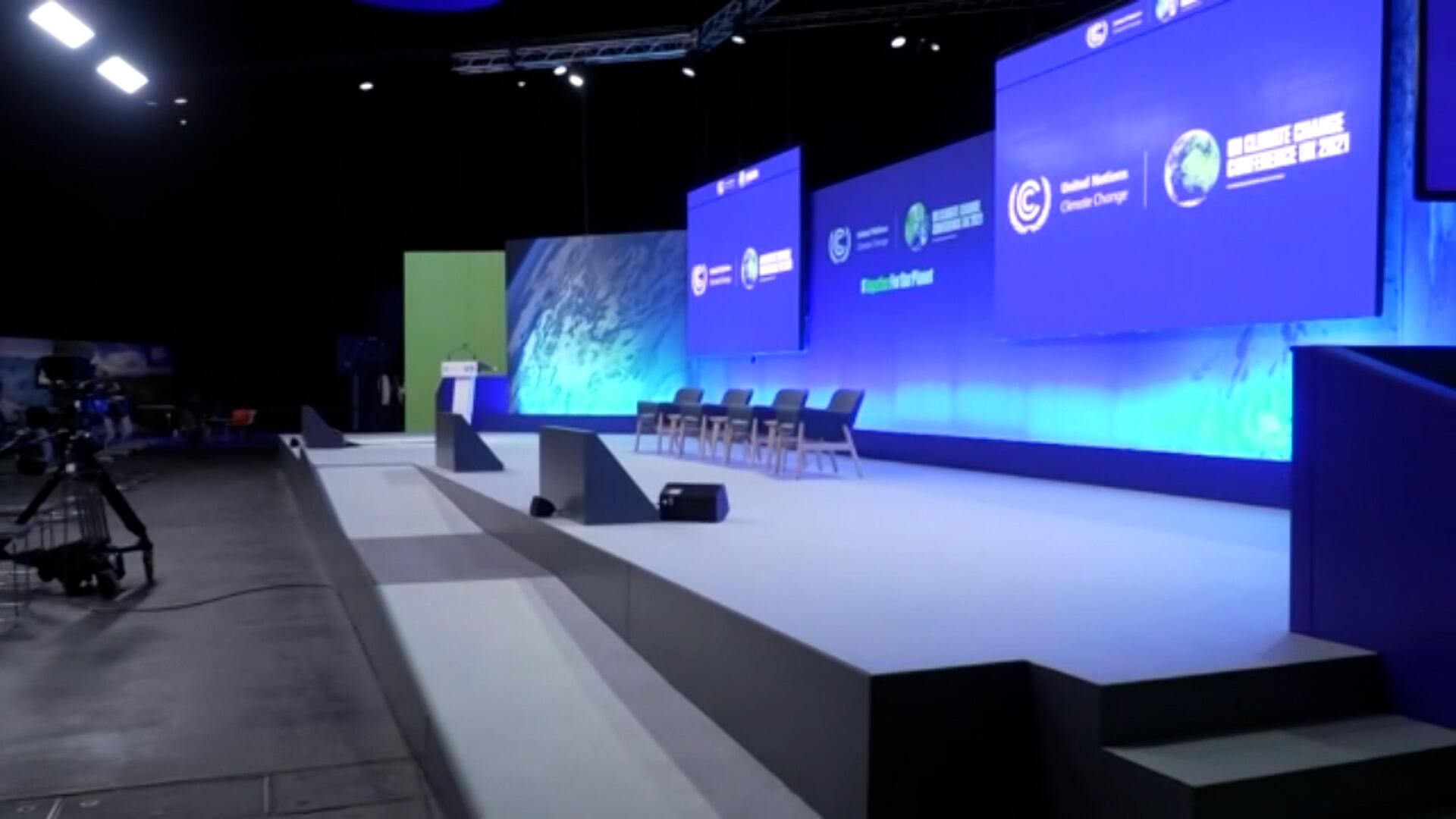
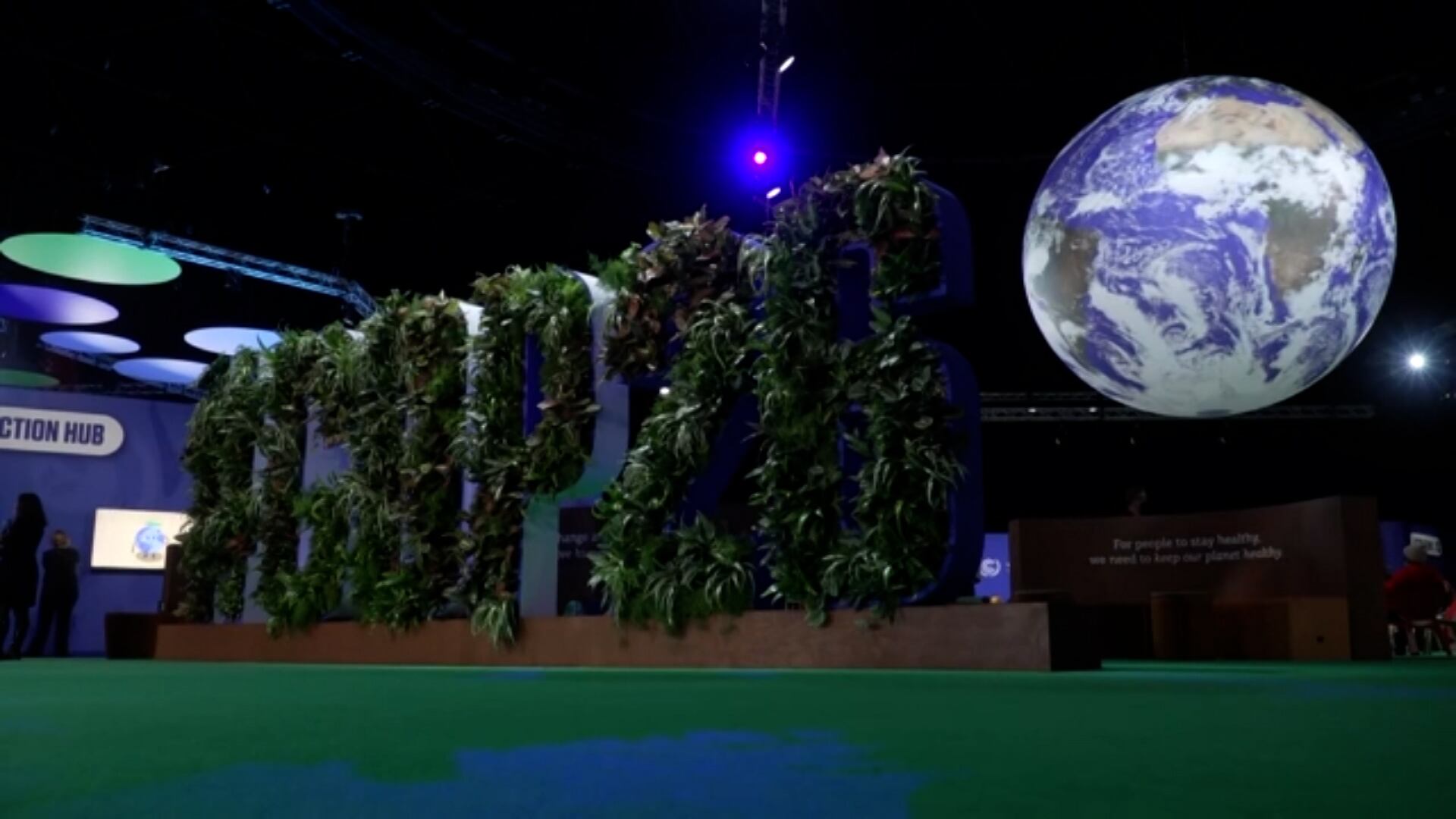
Week one of UN climate summit is coming to an end, world leaders made a number of promises to save the planet. President Biden attended the first two days of the meeting.
Alan Neuhauser, vice president of Silverline Communications, joined Cheddar Politics to talk more about the pledges that came out from the summit and their significance.
It's been a busy week for the Supreme Court. It heard arguments on three of the most watched cases in the docket for this term. The court heard arguments in two cases challenging the Texas abortion law on Monday - one filed by abortion providers and the other by the justice department. Instead of weighing in on the constitutionality of the matter itself, justices focused on the unusual structure of the law that enables citizens to enforce the law, not the state government.
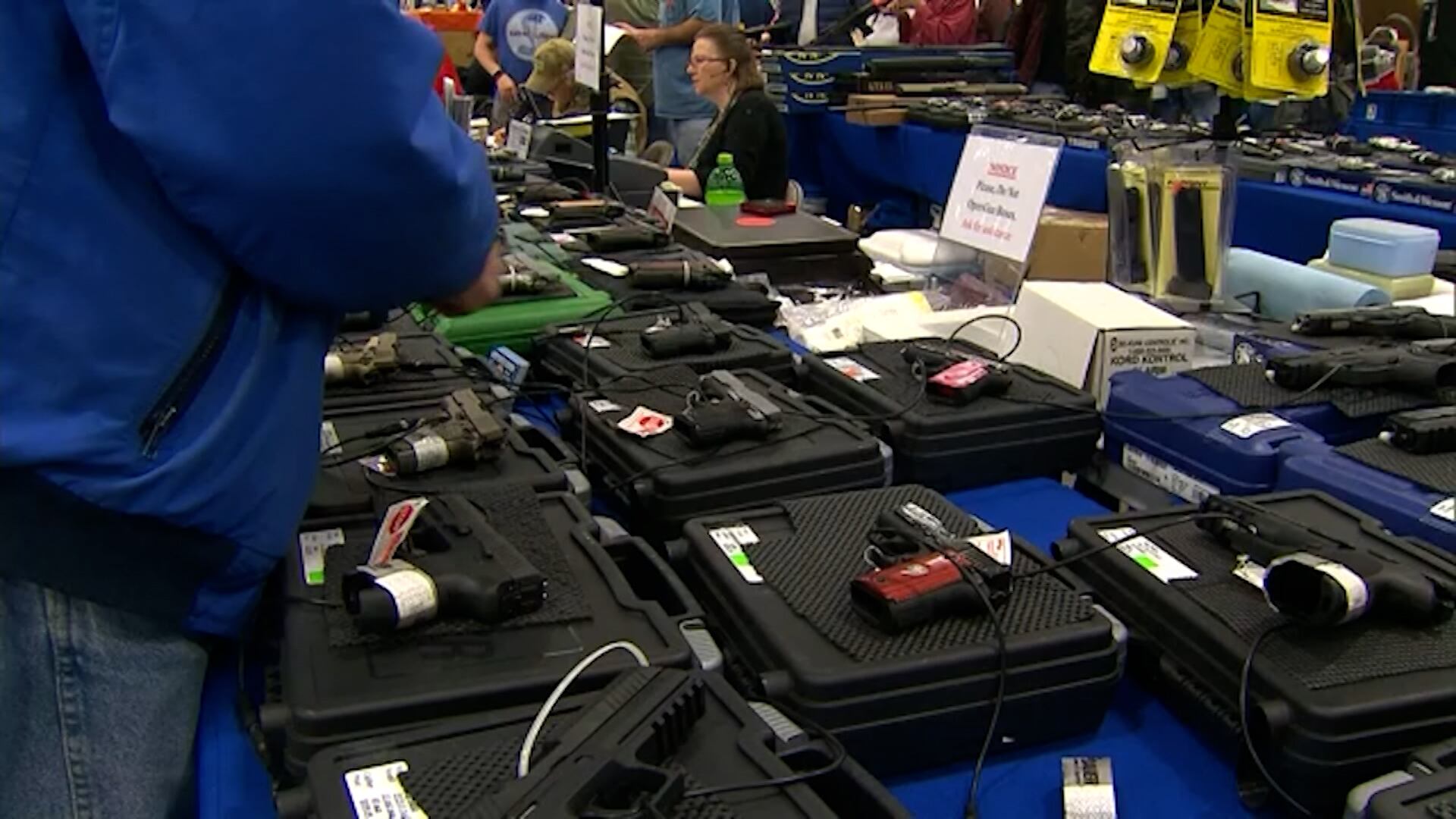
On Wednesday, the court heard arguments in the biggest Second Amendment case in more than a decade. The dispute is over a New York gun law that requires people seeking a license to carry a handgun in public to show a "proper cause." The challengers in this case claim the law inhibits their constitutional Second Amendment rights.
Amy Howe, co-founder of SCOTUSBlog, joined Cheddar Politics to break the cases down.
This is the first installment of Cheddar Changemakers, where we spotlight young activists making a difference in the world and speaking up on issues regarding mental health, voting, and climate change.
Republicans are considered, and often act like, the party opposed to action on climate change. They've made a point of fighting even modest regulations on businesses related to stemming the worst effects of climate change. But Republicans aren't a monolith on climate change, and our next guest reminds us that "conservation" and "conservative" have the same word root.
Quill Robinson, VP of government affairs at the American Conservation Coalition, joins Cheddar Politics to discuss.
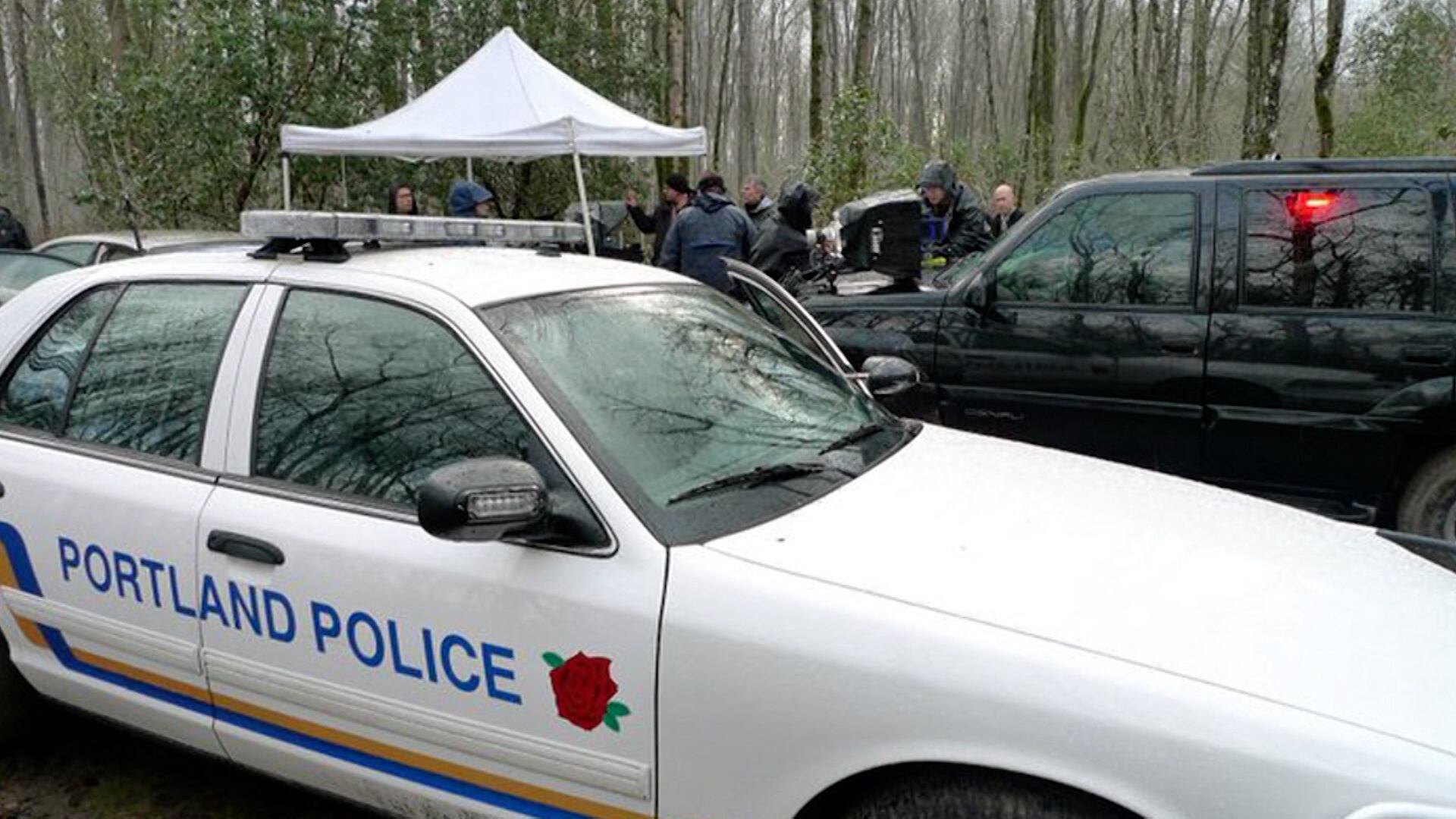
The mayor of Portland, Oregon, Ted Wheeler joined Cheddar News Wrap to discuss his plans to get an increase in the city's police budget for more personnel, changes to public safety response, and more body cameras. The Democratic mayor addressed the growth in violent crimes amid the pandemic, but noted the need for officers who take their roles seriously. We want officers who understand that policing is an important responsibility, it's a high calling," he said. "We also want a police bureau that is accountable and responsible to the public it serves."
More American tech companies continue to pull their businesses out of China as the Communist Party cracks down on firms — both foreign and domestic. Yahoo and Fortnite have become the latest companies to withdraw from the country, and the withdrawals come just days after Microsoft announced it would take LinkedIn offline. Shehzad Qazi, managing director at China Beige Book International, joined Cheddar to provide some insight into how the crackdowns in China would also impact the tech companies at home in the United States.
A new report out by the Center for Countering Digital Hate shows how just ten publishers are responsible for the bulk of climate change misinformation on social media--and companies like Facebook and Google are making money off them. Imran Ahmed, CEO of the Center for Countering Digital Hate, joined Cheddar to discuss.
'The Good Liars' are Jason Selvig and Davram Stiefler, a comedy duo that's been shaking up the political world for years. They're out with a new mockumentary, 'The Supporters,' following the 2020 election. Jason Selvig & Davram Stiefler, Stunt Comedians and creators of 'The Good Liars' joined Cheddar News to discuss.