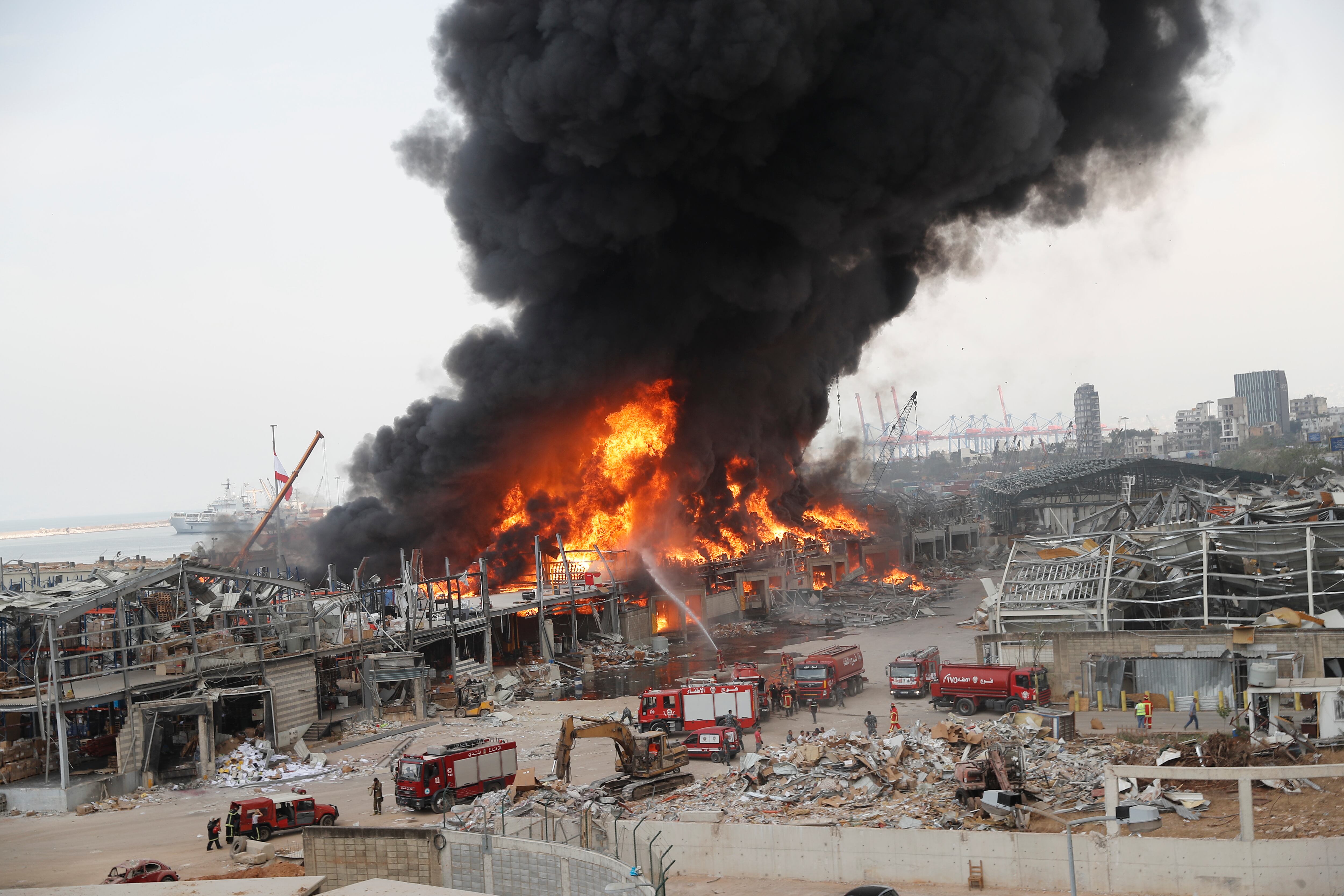
Fire burns in the port in Beirut, Lebanon, Thursday, Sept. 10. 2020. (AP Photo/Hussein Malla)
By Zeina Karam and Hassan Ammar
A huge fire broke out Thursday at the Port of Beirut, the site of last month's catastrophic explosion that killed nearly 200 people and devastated parts of the capital. The new fire nearly 40 days after the blast triggered widespread panic among traumatized residents of the area.
It wasn't immediately clear what caused the fire at the facility, which was decimated by the Aug. 4 explosion when nearly 3,000 tons of ammonium nitrate detonated. The blast triggered a shock wave that blew out windows, doors and walls miles away and was felt as far away as the island of Cyprus.
A column of thick black smoke billowed from the port at midday Thursday, with orange flames leaping from the ground. Smoke covered the capital and firefighters and ambulances rushed to the scene. Army helicopters were taking part in efforts to extinguish the fire.
“We opened all windows and are in the corridor right now,” said Dana Awad, a mother of two girls in a Beirut neighborhood. “I am still feeling the earth shake. Living a flashback.” She was referring to the tremor that preceded the Aug. 4 explosion.
The Lebanese army said the fire started at a warehouse where oil and tires are placed in the duty free zone, adding that efforts to battle the fire were ongoing.
Panicked residents — still struggling to get over last month's catastrophic explosion — cracked open windows and called and texted each other to warn them of the new danger. Local TV stations said companies that have offices near the port asked their employees to leave the area.
A video circulating on social media showed port workers running away in fear as soon as the fire broke out, a chilling reminder of last month’s blast that killed dozens of port employees and 10 firefighters. Lebanese troops closed the major road that passes near the port rerouting traffic to other areas.
The Aug. 4 explosion killed more than 190 people, injured around 6,500 and damaged thousands of buildings in the Lebanese capital. The explosion, the single most destructive blast in Lebanon's history, is blamed on government negligence and mismanagement.
Lebanese speculated in the wake of Thursday's fire that it could be an attempt to remove evidence of last month's explosion from the scene. Some hid in bathrooms, others dropped what they were doing and rushed home.
The panic was compounded by the trauma from the Aug. 4 explosion and the fear that more chemicals could be in the wreckage of the port. Earlier this month, the Lebanese army said it discovered more than 4 tons of ammonium nitrate in four containers stored near the port that it said were “dealt with.”
Days after the Aug. 4 blast, French and Italian chemical experts working amid the remains of the port identified more than 20 containers carrying dangerous chemicals. The army later said that these containers were moved and stored safely in locations away from the port.
State-run National News Agency said the fire was at a warehouse where tires are placed. It added that firefighters are dealing with the blaze.
Beirut Gov. Marwan Abboud and authorities called on people to stay away from roads leading to the port to allow fire engines to move quickly.
Port director Bassem al-Qaisi told Voice of Lebanon radio the fire started in a warehouse where barrels of cooking oil were placed and later spread nearby to where tires were piled.
“It is too early to now if it is the result of heat or some other mistake,” al-Qaissi said adding that the black smoke was from burning tires.
It was the second fire at the port this week. On Tuesday, a small fire erupted, also creating some panic, that was quickly extinguished.
Associated Press writer Bassem Mroue in Beirut contributed.
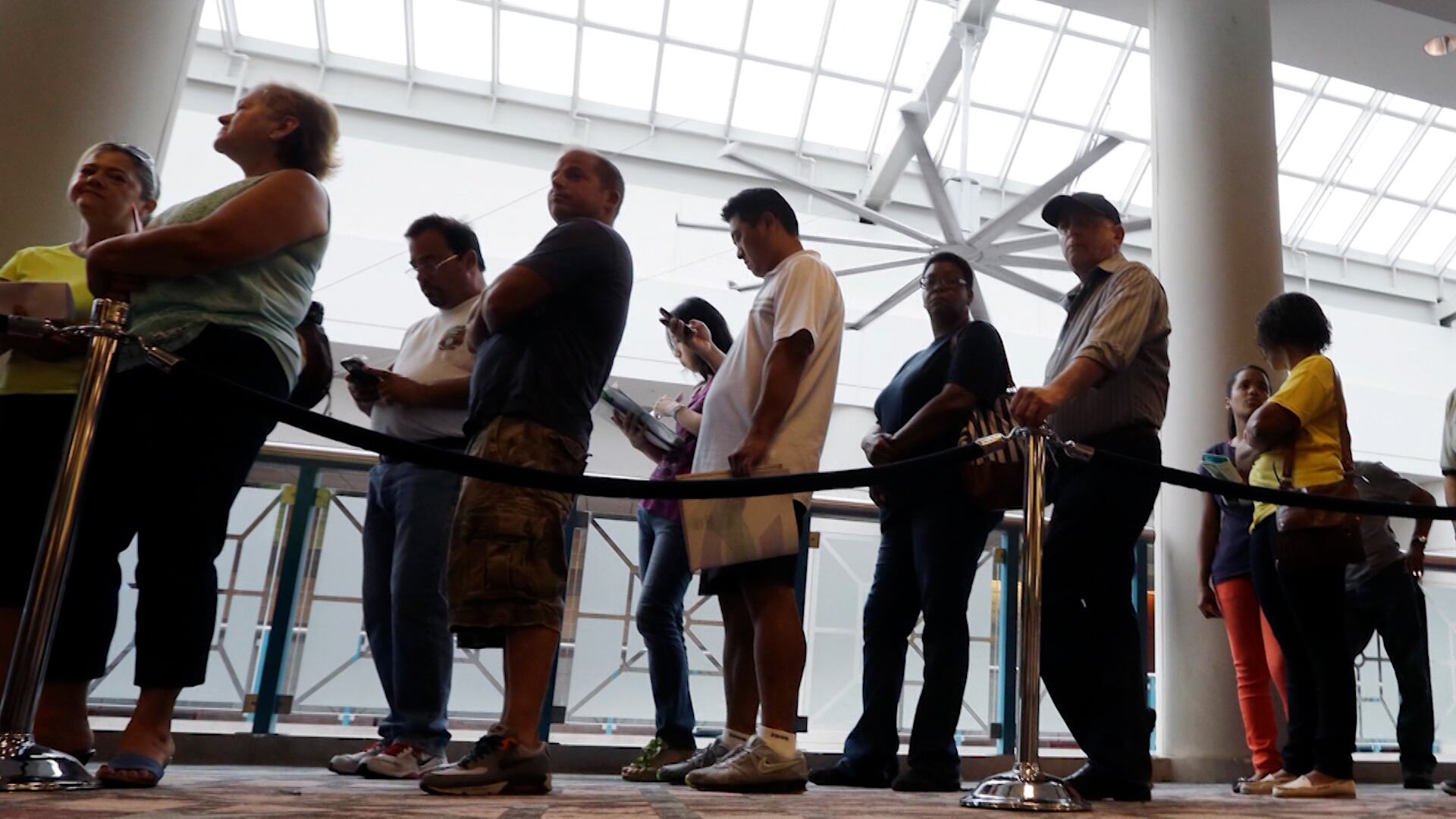
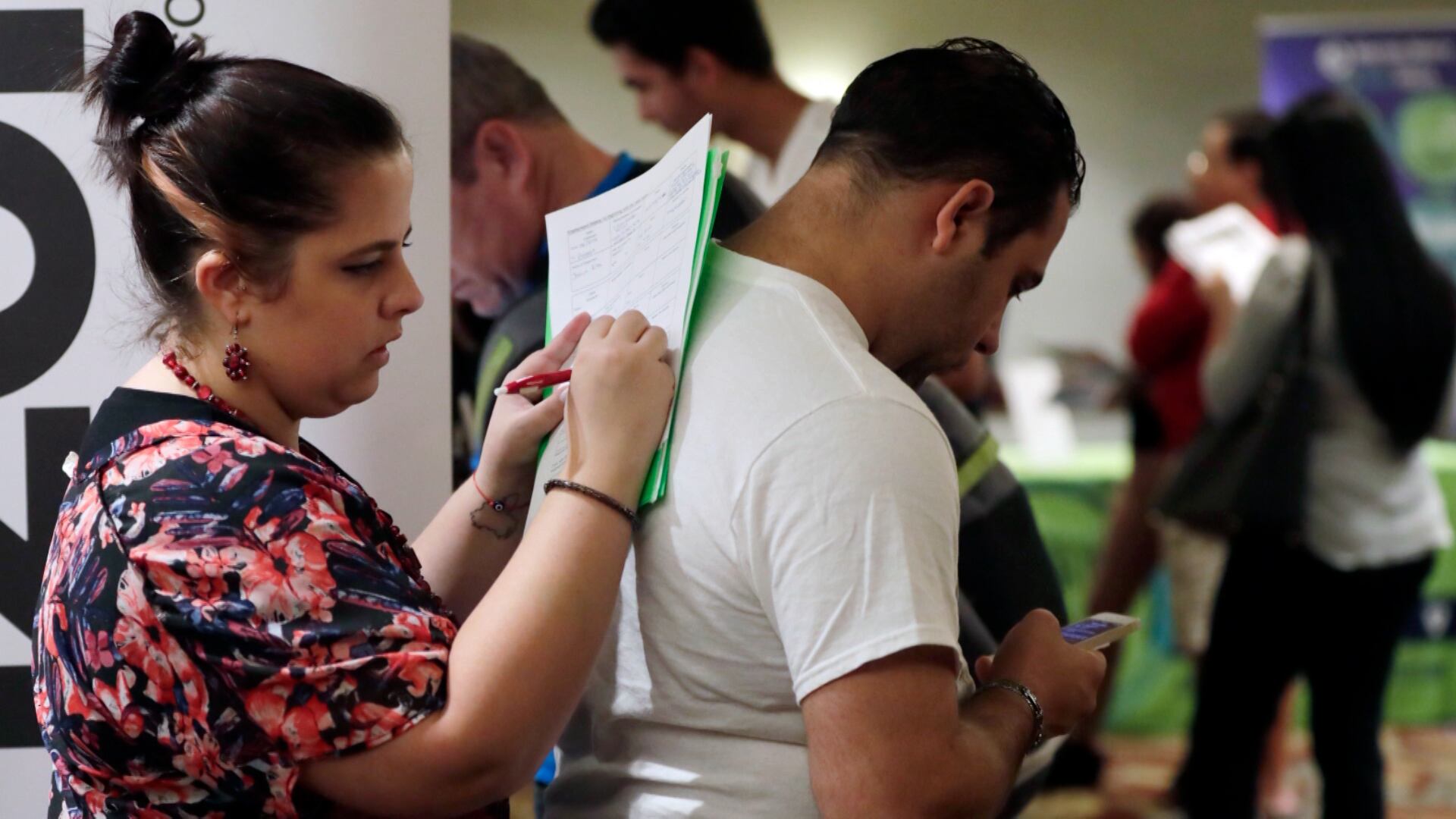
Following the surprising big beat on estimates for the January jobs report, William M. Rodgers III, vice president and director of the Institute for Economic Equity at the Federal Reserve Bank of St. Louis, joined Cheddar News to break down the data. “We ended 2021 with a strong crescendo to a recovery that had taken hold, and we started 2022 in good fashion." He also discussed the dueling pressures of wage growth and inflation.
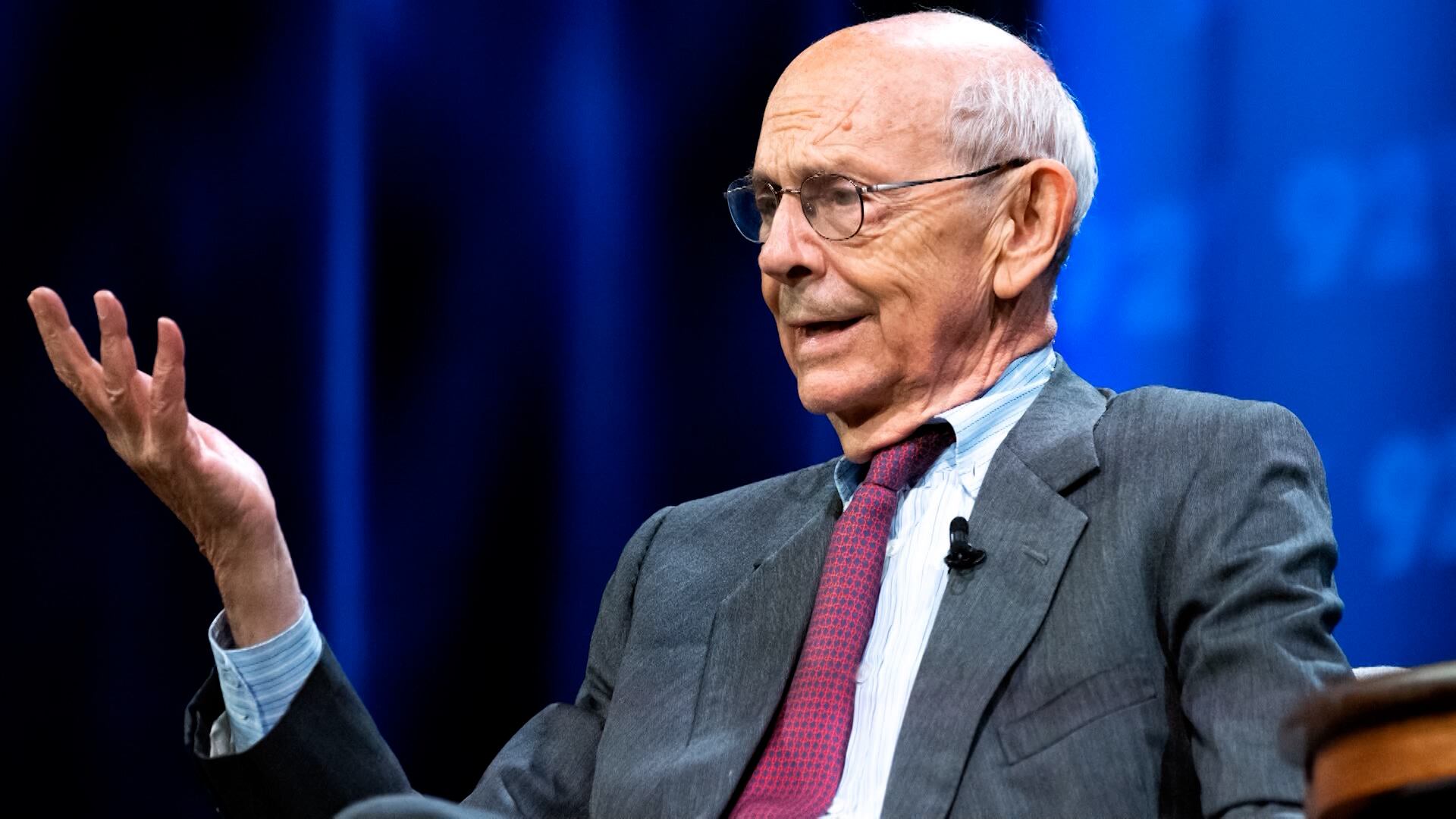
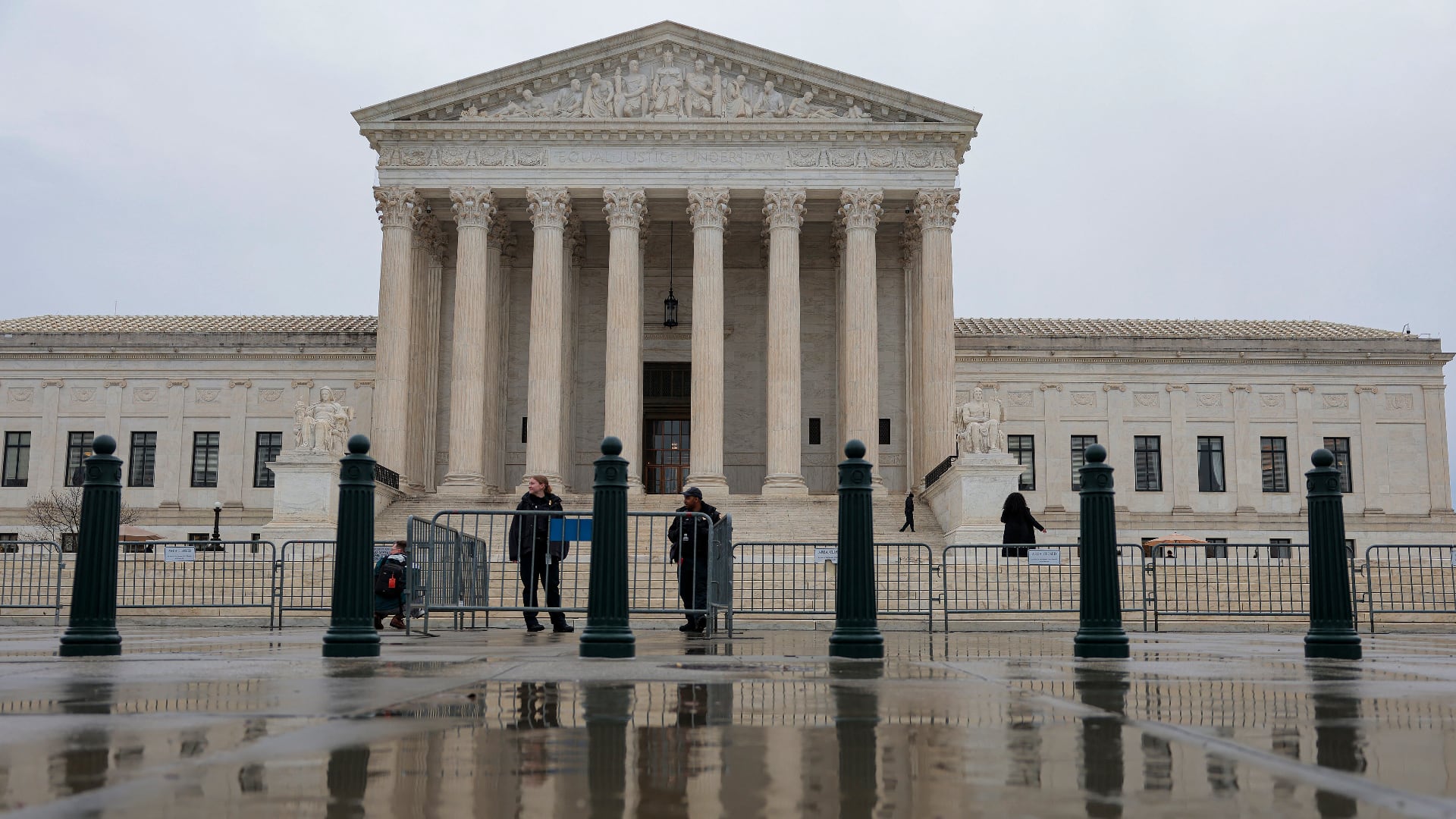
Jessica Mason Pieklo, senior vice president and executive editor of the Rewired News Group and co-host of the podcast. "Boom! Lawyered," joins Cheddar Politics to discuss Justice Stephen Breyer's retirement, legacy and potential replacement on the Supreme Court.
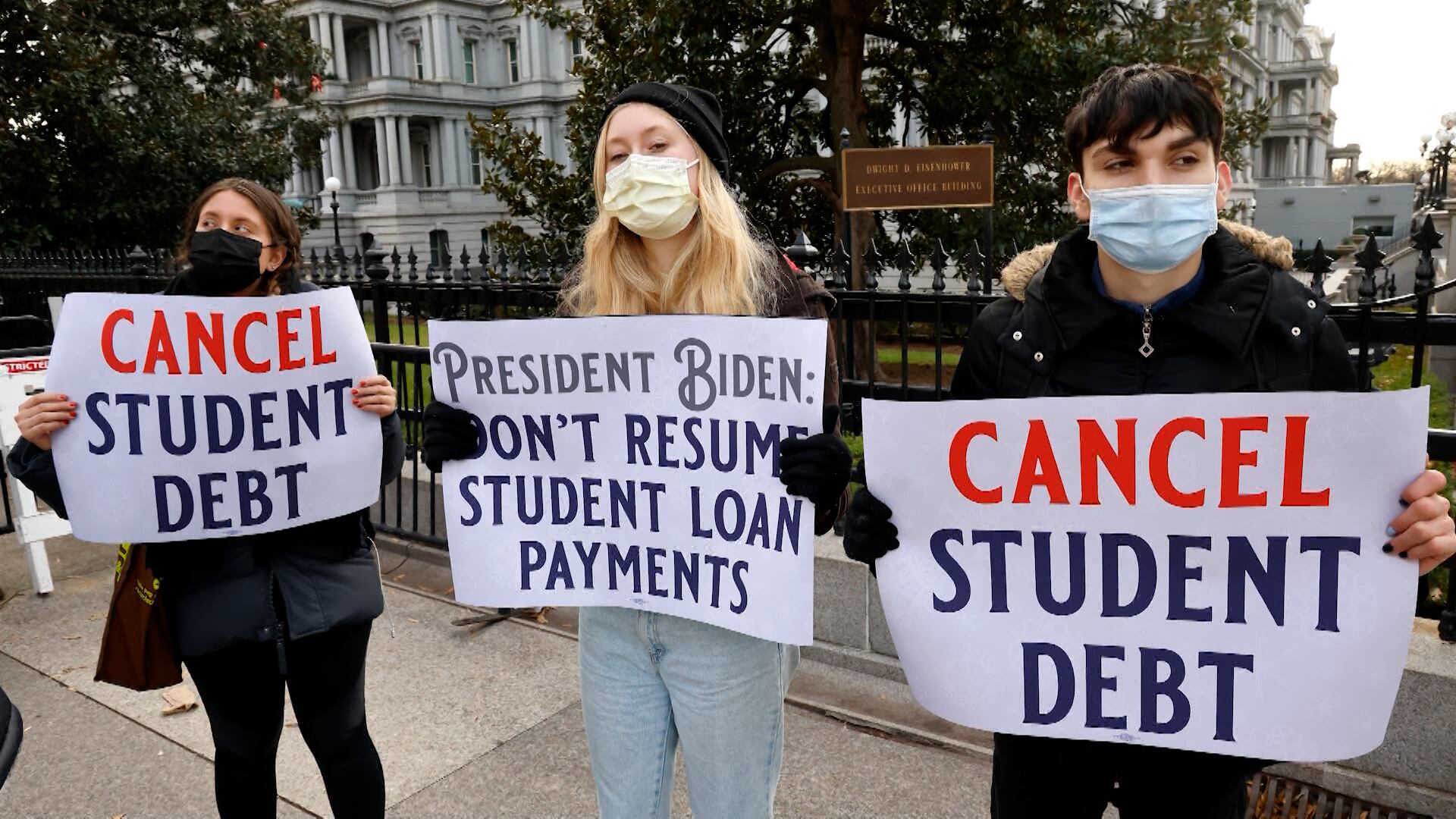
The Biden administration delivered a temporary win for student loan borrowers this year by extending the moratorium on federal payments for a few more months. That moratorium is coming to an end on May 1st and borrowers will again have their monthly loan payment plopped in their lap.
Stephanie Vanderslice, a creative writing professor paying off debt through the Parent Plus program, and Mike Pierce, executive director of the Student Borrower Protection Center, join Cheddar Politics to discuss.
2022 was already going to be a big year for the Supreme Court. We have decisions on major issues like abortion and gun rights on the way. Then, Justice Stephen Breyer announced his retirement and that set up a major confirmation fight for later this year. Amy Howe, co-founder of SCOTUSblog, joins Cheddar Politics to discuss.
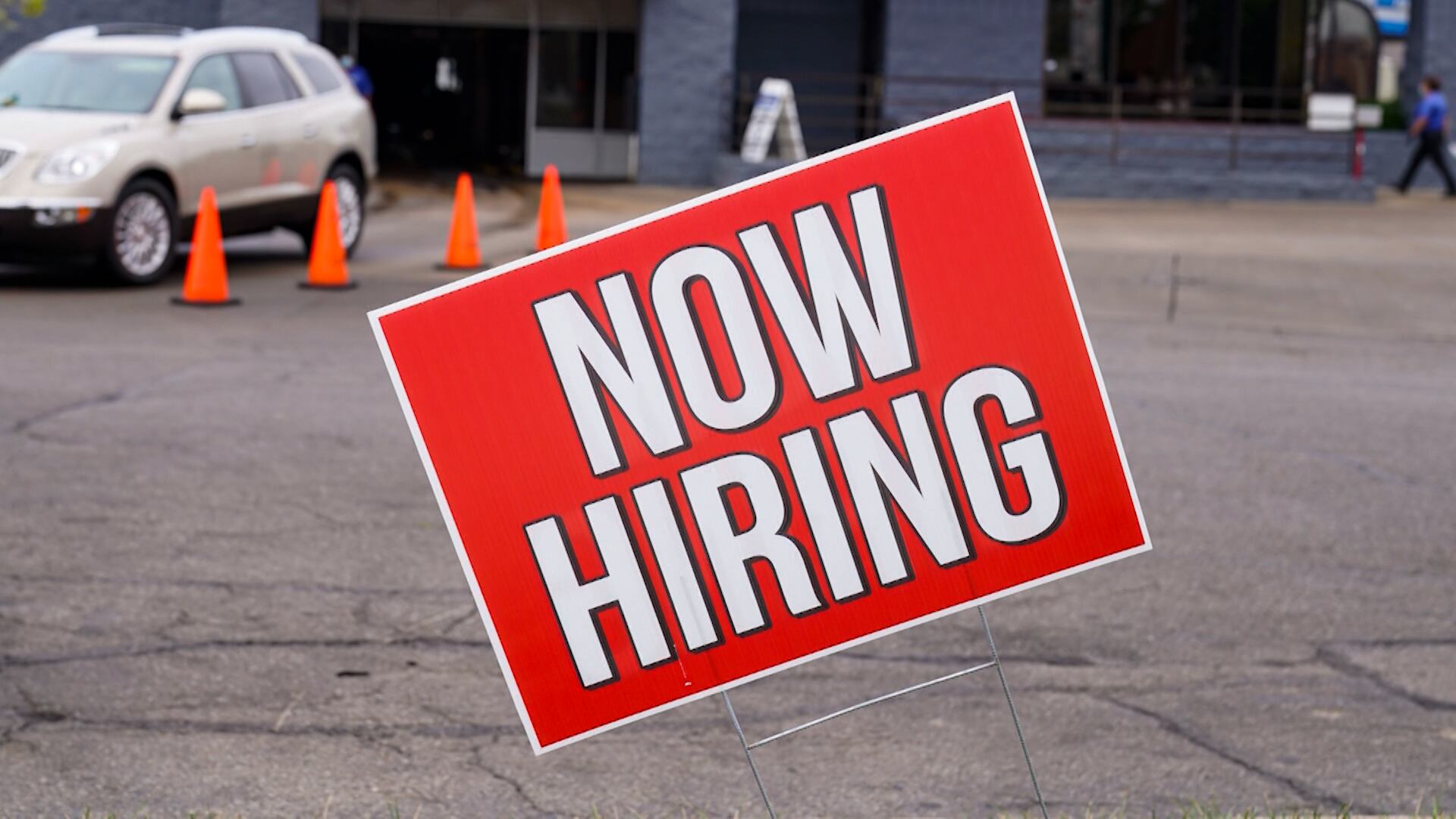
The Labor Department released a better-than-expected report of 467,000 jobs added in January. Heather Boushey, Council of Economic Advisers Member for President Biden, joined Cheddar to tout the administration's handling of the economy amid the pandemic and the upward revisions for the previous month. "It also shows that, because of the revisions, the economy was stronger over the past couple of months," she said. "I don't think that this can be said enough, but economic forecasting during an historic pandemic is extremely difficult." Boushey also addressed issues involving wage growth versus the rapid rise of inflation.
The Labor Department's January jobs report showed 467,000 jobs were added, compared to the 150,000 that were projected, a sign that employment is continuign to return to pre-pandemic levels. Lindsey Piegza, chief economist at investment bank Stifel, joined Cheddar to break down the report, noting the big gains but adding a note of caution. "Remember, even with this morning's stellar report, we're still millions below that level that we had reached prior to the onset of COVID-19," she said." Yes, we are recapturing jobs. We still have further ground that needs to be made before we can talk about reaching that previous peak." Piegza also discussed the role of the Federal Reserve going forward as the employment figures turn more positive.
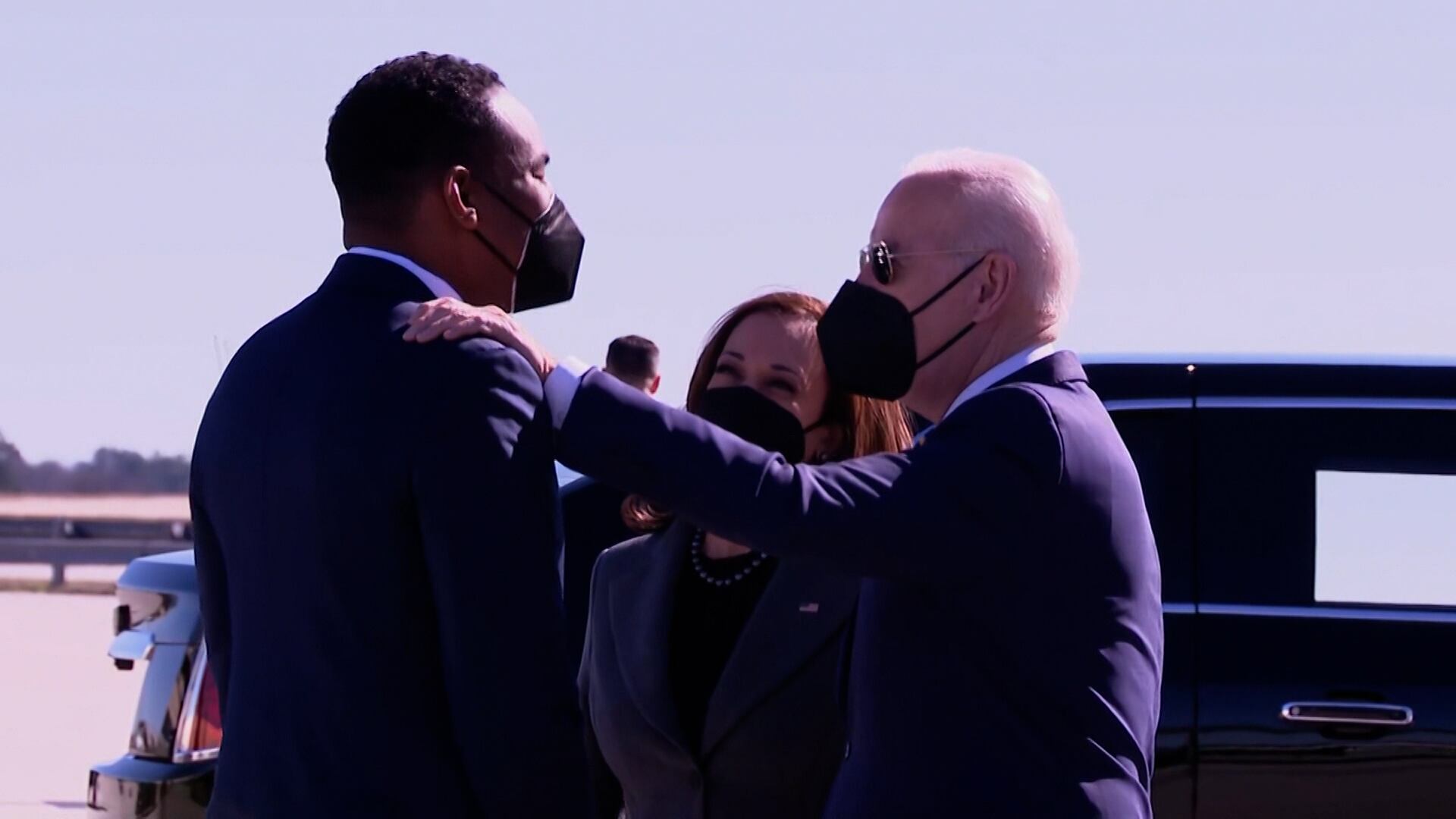
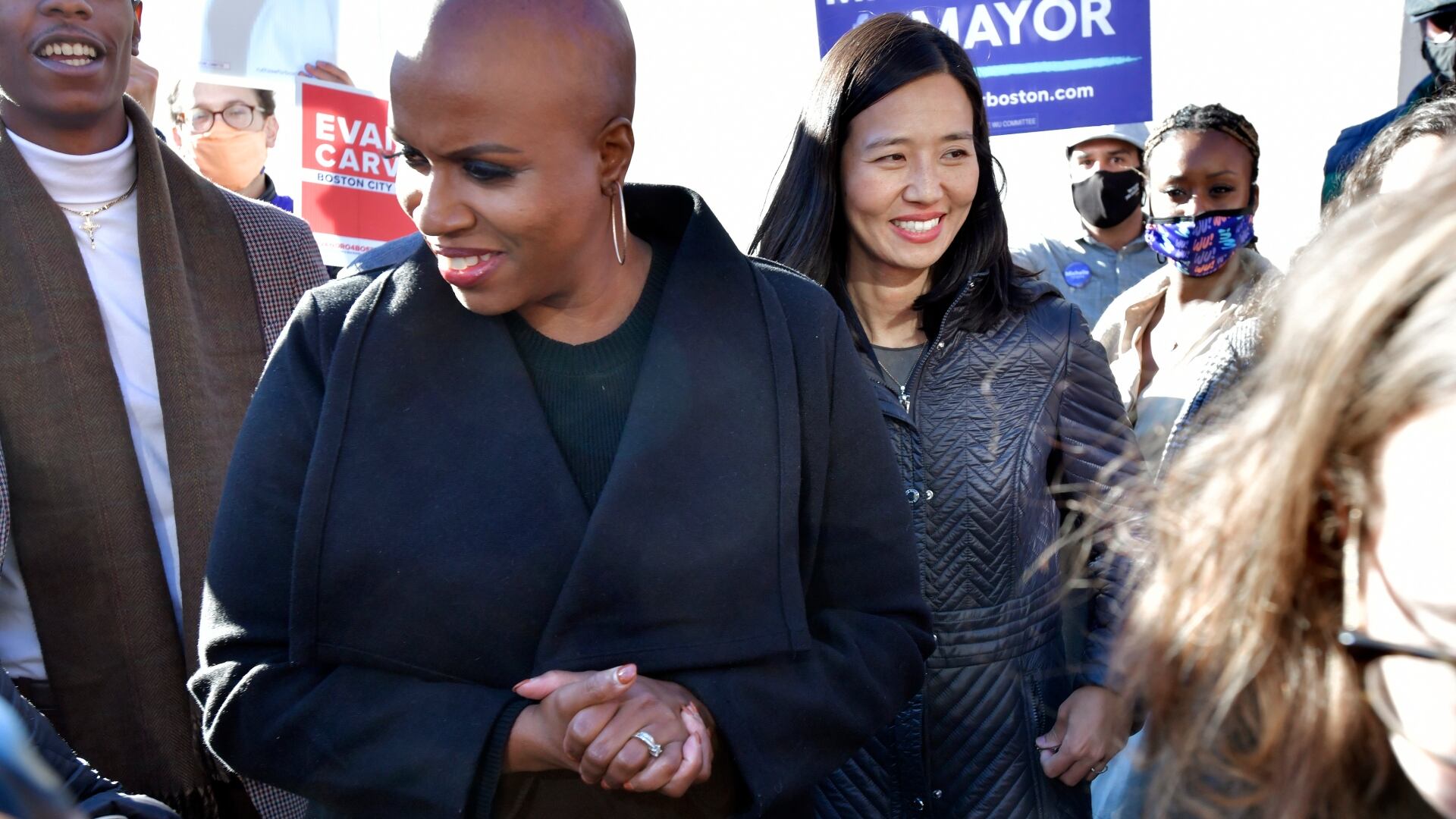
As President Biden's poll numbers fall with Black voters, Rep. Ayanna Pressley (D-Mass. 7th District) joined Cheddar to discuss what she feels could help the embattled administration: deliver on policies. Pressley pointed to stalled legislation such as new voting rights laws and Build Back Betters and canceling student loan debt, which would go a long way to improving his standing with Black constituents. "President Biden has the authority and the power to alleviate this burden, which would also help in closing the racial wealth gap, and he can do it by executive action with the stroke of a pen," she said. "And it doesn't require one vote from Congress. So, the Biden administration just needs to deliver to Black America in a tangible and impactful way."