How Visa Credit Cards Are Keeping You Safe From Fraud
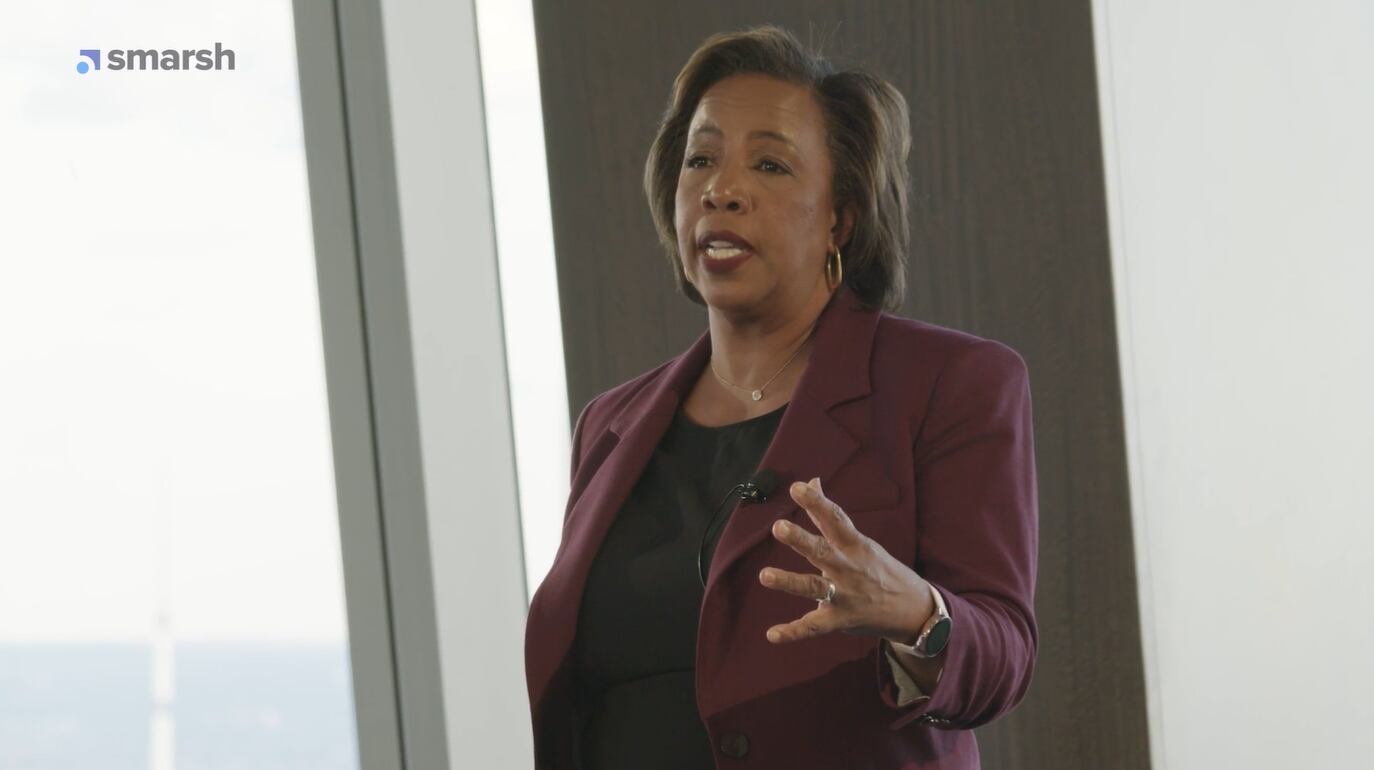
Stephanie Ericksen, Vice President of Global Risk Products for Visa, explains how the company is stepping up its card security. Despite a series of high profile data breaches, Ericksen says the average consumer is actually very safe.
Ericksen notes 95% of transactions made in the U.S. are now made using chip-enabled cards. Merchants with chip-enabled readers have reported a 66% drop in fraud cases.
Visa is exploring biometric card security, as well. Iris scanning and voice recognition could be card security options in the future. Ericksen also notes 40% of Visa transactions aren't made using a card at all, but instead through Apple Pay.
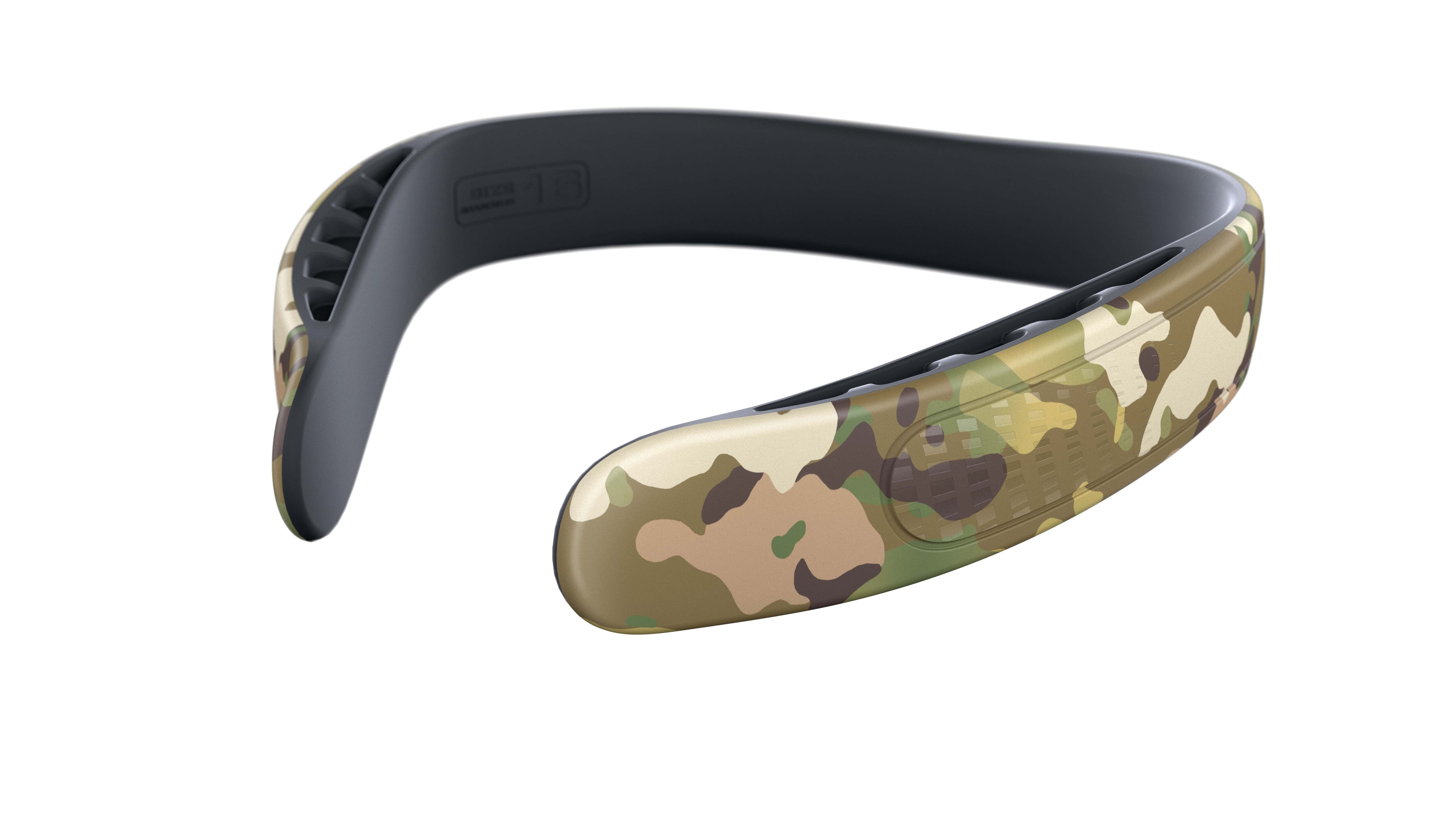
The Q-Collar helps protect athletes from impact-related concussions. Now, the U.S. Army is evaluating if the device could help reduce traumatic brain injury cased by blast weapons.
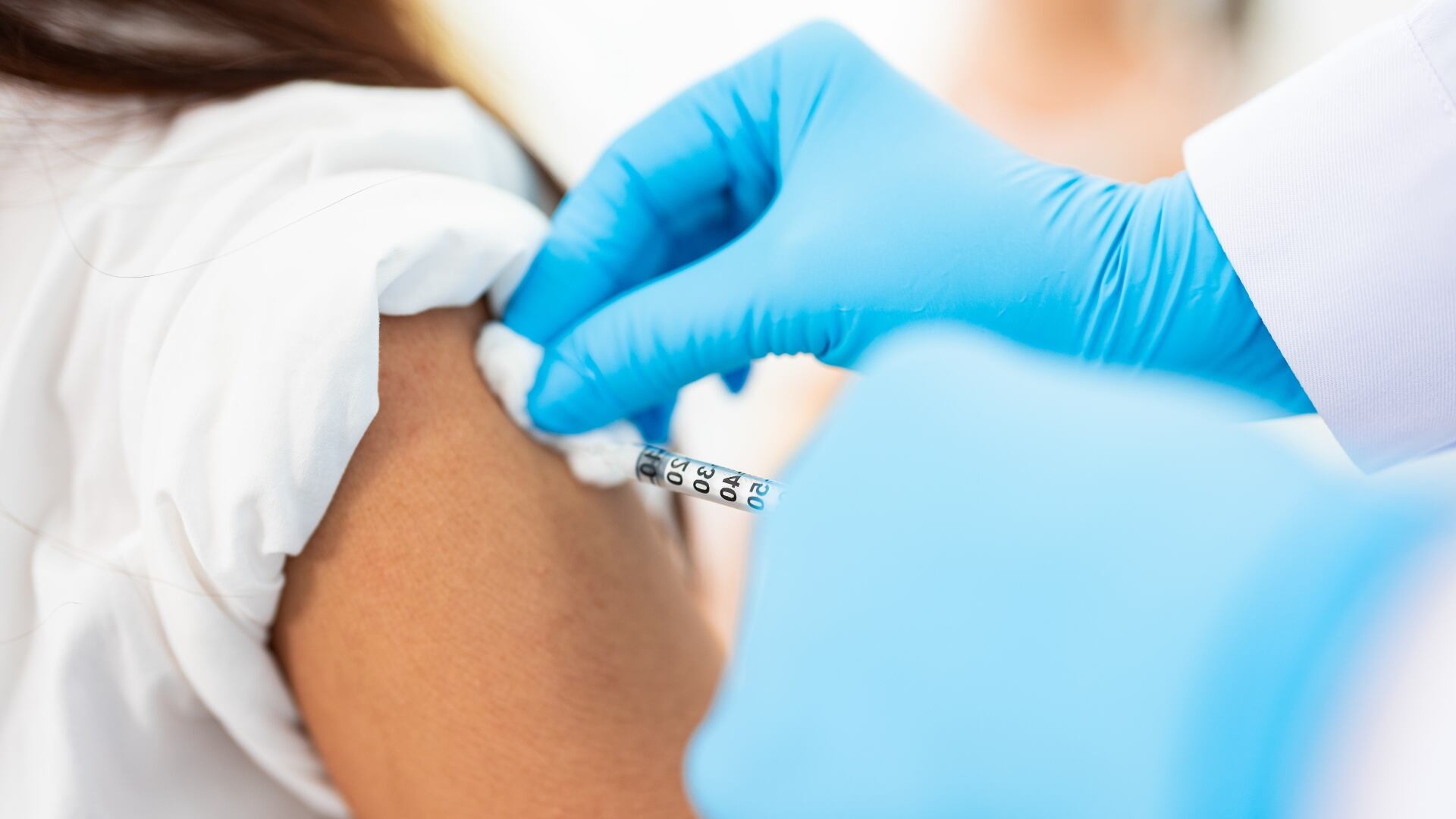
Co-founder and executive chairman of the board at Vaxxinity Lou Reese shares how the company is working to bring vaccines for chronic illnesses like heart disease and Parkinson’s to market with an eye for accessibility.
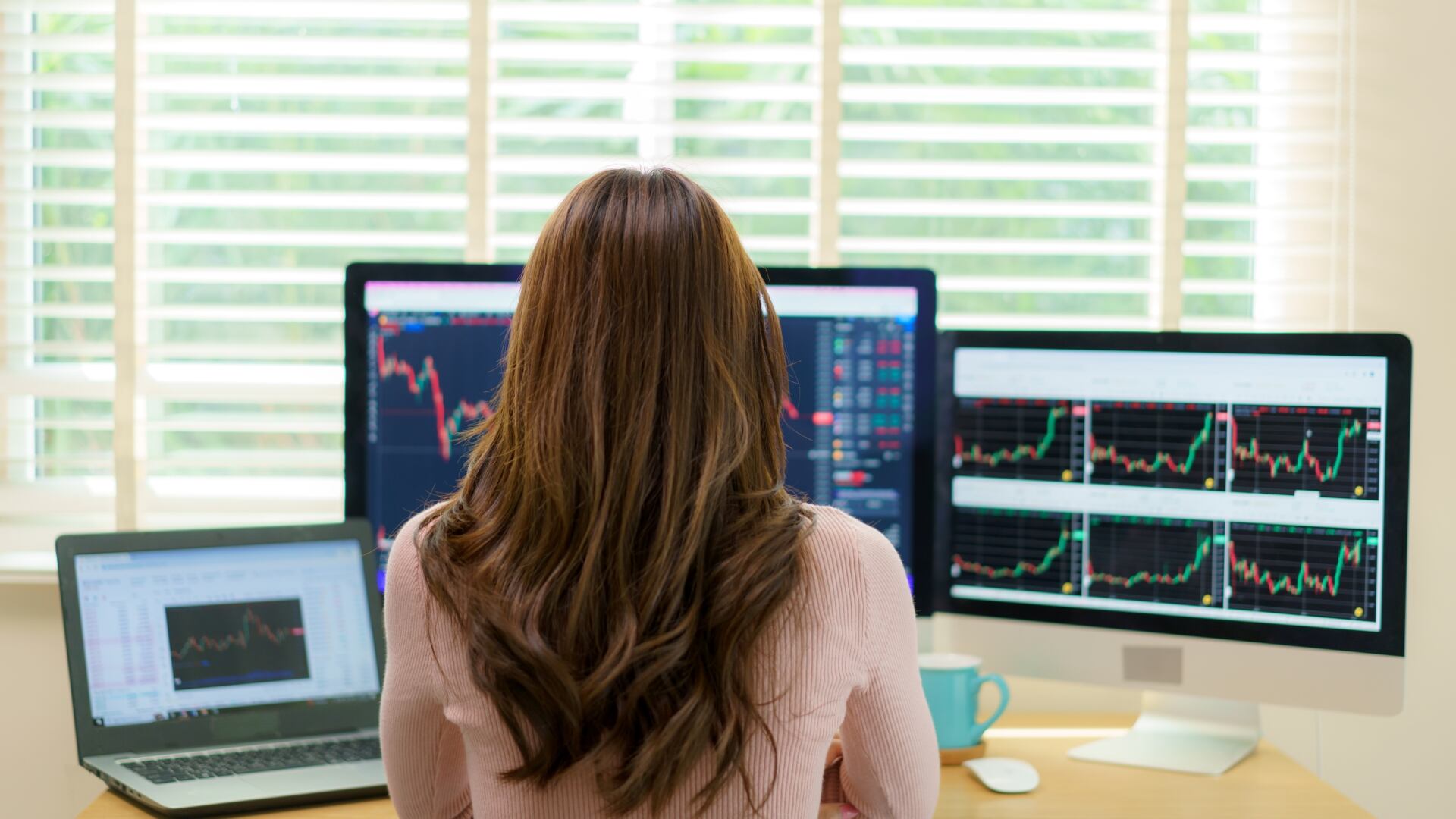
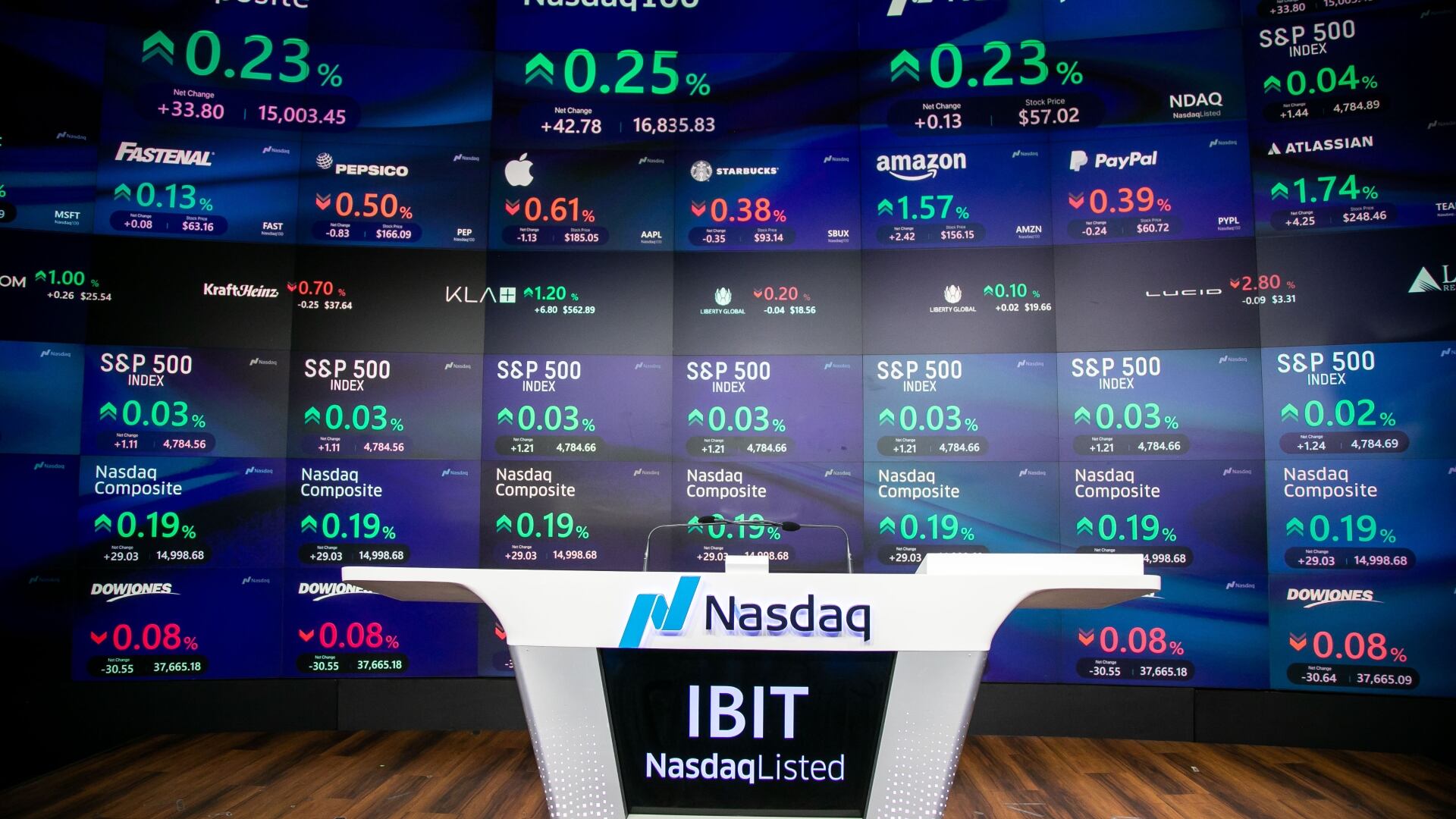
Mario Veneroso, Kingsview Asset Management Partner, weighs in on the latest economic data and whether the market is pricing in too many rate cuts for the coming year.
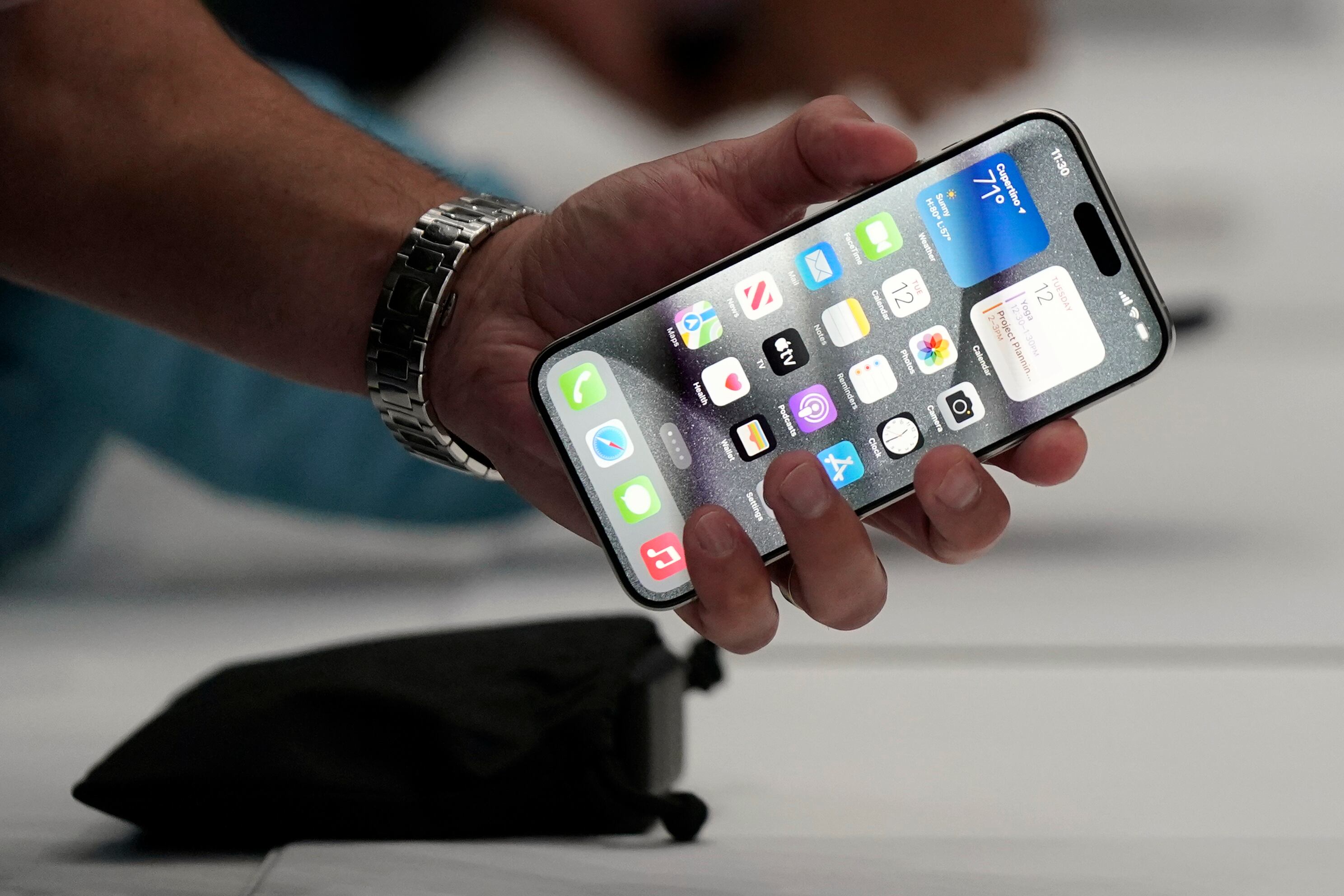
Apple has rolled out an update to its operating system this week with a feature called Stolen Device Protection. It makes it a lot harder for phone thieves to access key functions and settings, and users are being urged to turn it on immediately.
The U.S. economy grew at an unexpectedly brisk 3.3% annual pace from October through December as Americans showed a continued willingness to spend freely despite high interest rates and frustrating price levels.
Alan Becker, CEO and Investment Adviser Representative at Retirement Solutions Group and RSG Investments, shares his thoughts on the latest GDP data plus why he's not sold cryptocurrency as a long-term asset.