How Udacity is Tackling Fierce Competition for Self-Driving Tech Talent
Udacity recently announced it is accepting applications for a flying car nanodegree program. David Silver, Head of Self-Driving Cars at the company, explains how Udacity's programs are tackling the fierce competition for talent in this space.
"We have an entire school of autonomy that teaches students how to build self-driving cars, how to work on flying cars, how to work on robotics," says Silver.
Silver says about 5 percent of Udacity students come from China. Udacity is now partnering with Baidu to teach their open-source technology stack "Apollo" for self-driving cars. "What we are hoping to do is to teach students around the world to leverage open-source technology to leverage self-driving cars," says Silver.
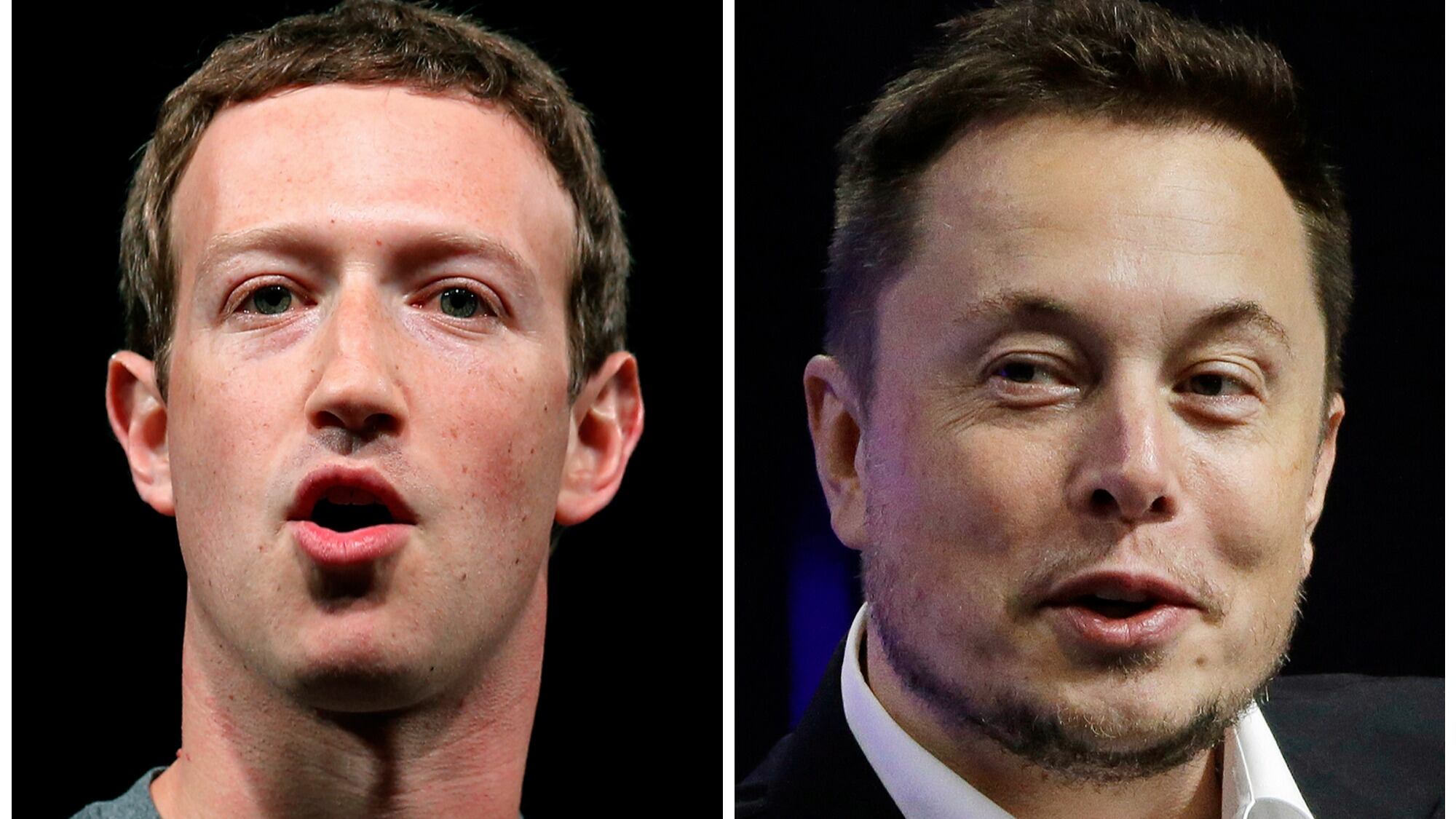
Meta has unveiled an app called Threads to rival Twitter, targeting users looking for an alternative to the social media platform owned — and frequently changed — by Elon Musk.
Complete sexual assault case folios containing intimate details were among more than 300,000 files dumped online in March after the 36,000-student Minneapolis Public Schools refused to pay a $1 million ransom. Other exposed data included medical records and discrimination complaints.
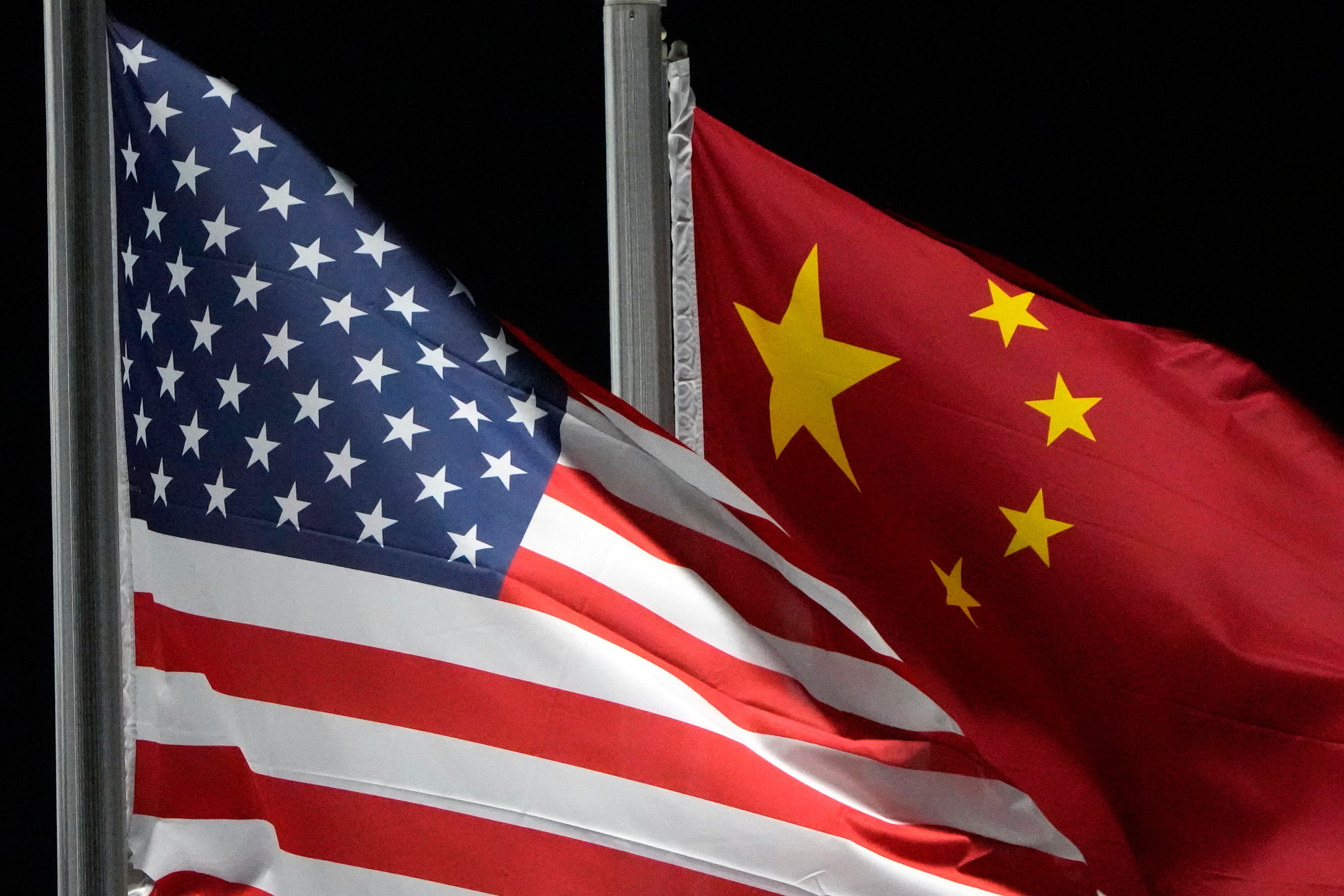
China has restricted exports of high-tech metals gallium and germanium, which are critical to making chips, in response to the U.S. blocking them from access to advanced chips.
Technology has changed the way people do everyday tasks, including grocery shopping. Cheddar News took a peek at a smarter way to shop with an AI-powered shopping cart.