How Uber's Self-Driving Program Differs from Waymo's
Uber’s fatal autonomous car crash is a direct result of how it has been running its self-driving project. That’s according to Alex Roy, Founder of The Human Driving Association, who says the ride-hailing company’s approach is in stark contrast to one of its rivals.
“There’s a lot of indication that Waymo’s doing this correctly. They’re taking their time, it’s a slow and steady approach,” Roy explained, citing the fact that Waymo has so far racked up about 4 million miles of testing while Uber has half of that in the books.
Meanwhile, “there’s every indication...that Uber has an existential need to get self-driving cars on the road because drivers cost so much.”
Uber faced major backlash this week after one of its driverless cars struck and killed a pedestrian in Tempe, Ariz., Sunday.
It is the first known fatality by an autonomous vehicle and raises questions about the future of self-driving auto industry overall.
On Thursday, Tempe police released video footage from the car’s cameras to show exactly what happened. The local police and the National Transportation Safety Board are still investigating who is to blame, but earlier in the week Tempe police said Uber will “likely not be at fault.”
“There are methods of testing self-driving vehicles, they are just going to be more tedious...that’s going to take a lot more time,” said Roy, pointing out that companies can test in closed environments and by using computer simulation instead.
“It’s not a coincidence that it’s Uber who had this crash.”
On Friday, a [New York Times report](https://www.nytimes.com/2018/03/23/technology/uber-self-driving-cars-arizona.html) uncovered that even before the crash, Uber's autonomous vehicle unit was struggling to meet internal expectations and required more human intervention than its rivals.
For the full interview, [click here](https://cheddar.com/videos/the-dangers-of-self-driving-tech).
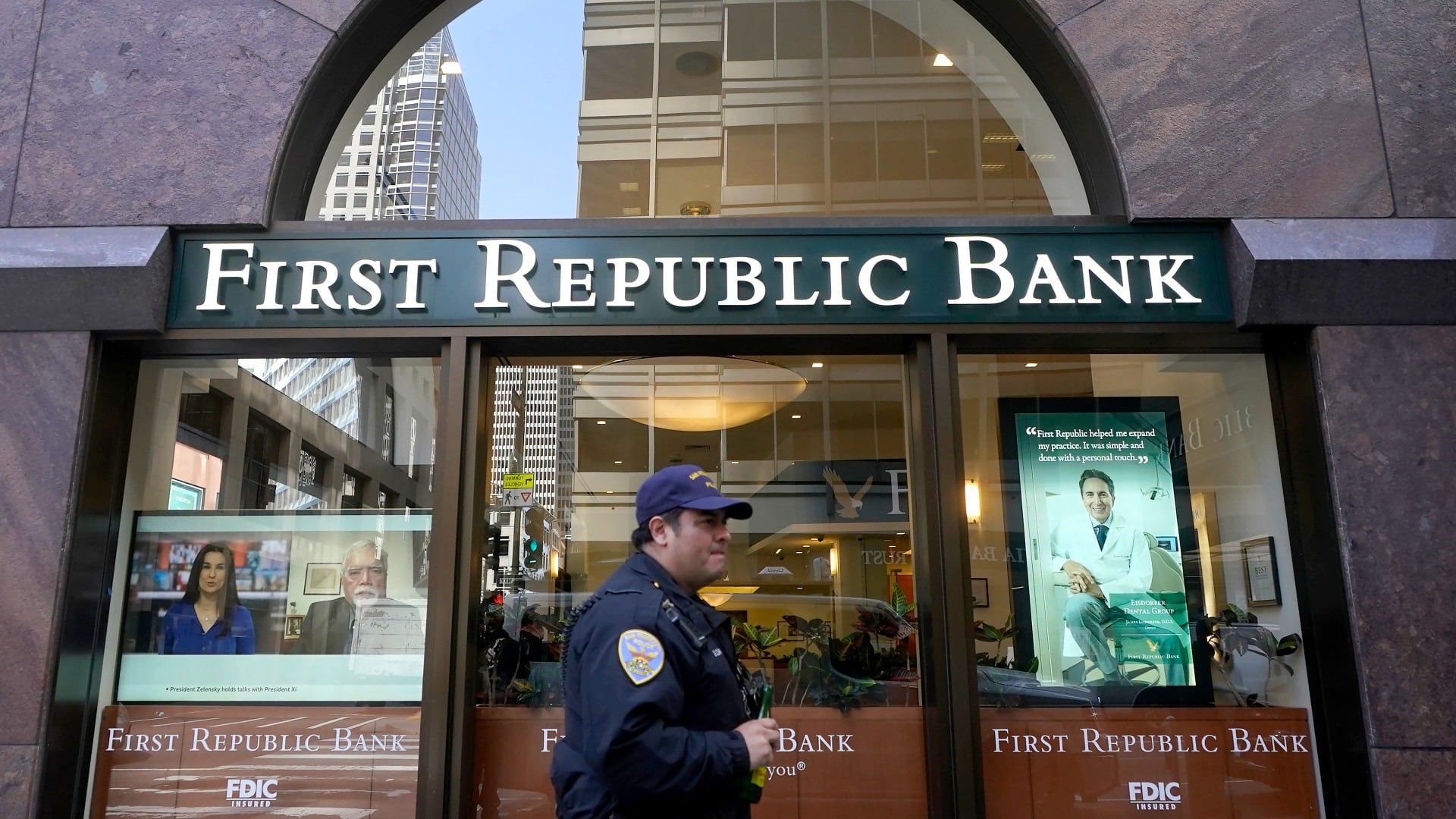
Uncertainty continues to pummel the banking industry, despite assurances from financial regulators and bankers such as Jamie Dimon this week that the worst of the recent crisis is over and the health of the banking system remains strong.
Apple is leading Wall Street toward its biggest rally in nearly four months Friday after the market's most influential company reported a better profit than feared.
Apple once again posted an, until now, rare revenue decline in its latest fiscal quarter, but said its overall business improved from the December quarter and sales of its iPhones were solid.
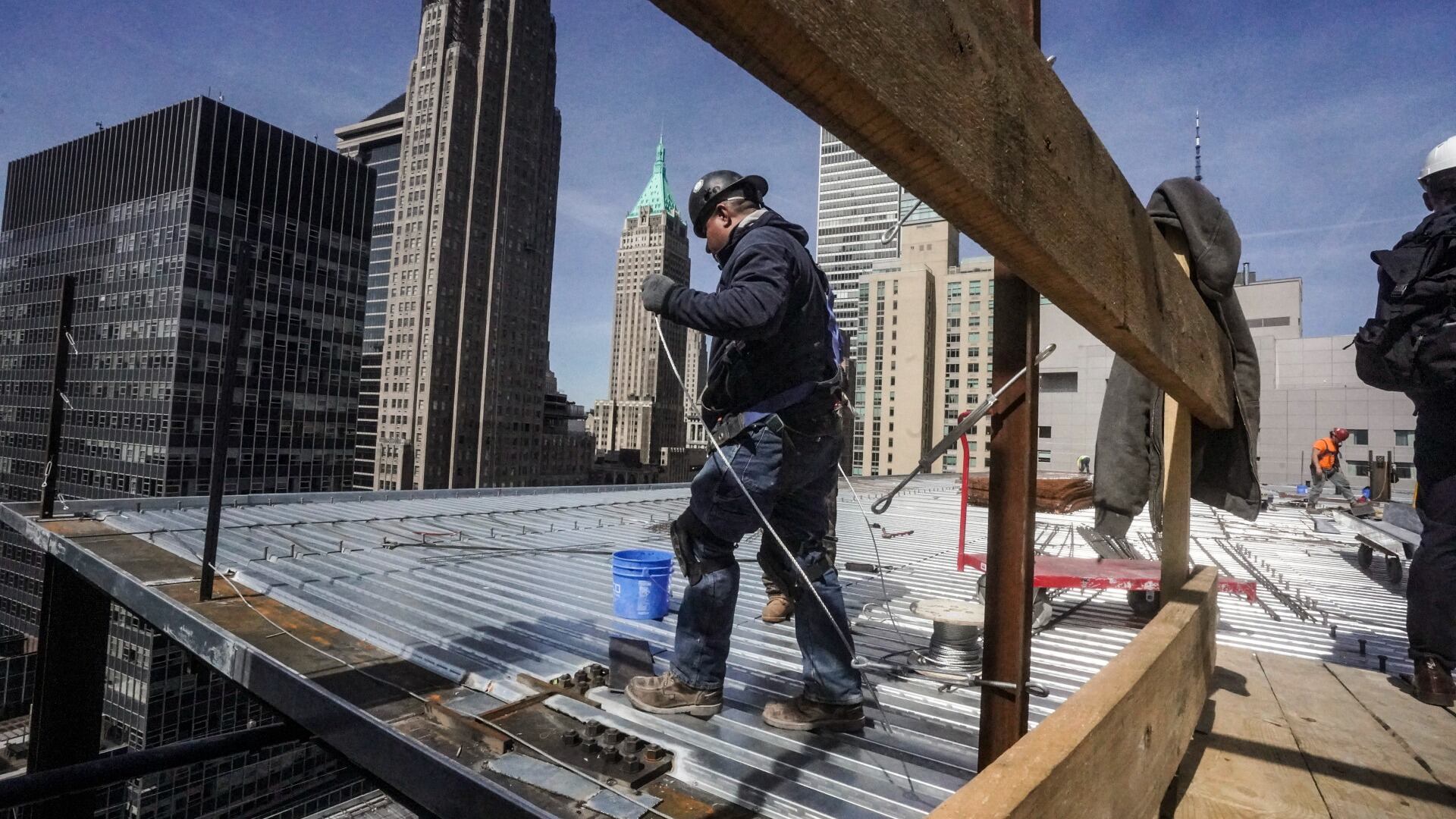
America’s employers added a healthy 253,000 jobs in April, evidence of a labor market that still shows surprising strength despite rising interest rates, chronically high inflation and a banking crisis that could weaken the economy.
Danny Taing, founder and CEO of Bokksu, joined Cheddar News to discuss his path on how he became an entrepreneur to launch a company that delivers artisanal Japanese snacks. "When I moved back from Japan to New York, I had this bit of reverse culture shock ... a lot of people had somewhat of a one-dimensional view of Japan ... they saw this country where people ate sushi every day ... none of that is true," he said.
Will Rhind, CEO of GraniteShares, joined Cheddar News to discuss Thursday's trading session amid renewed fears over the regional banking crisis as well as concerns over the debt ceiling debate.
The United Food and Commercial Workers union, one of the country's largest, opposed the planned merger between grocery chains Kroger and Albertson's, according to The Wall Street Journal, citing concerns about lack of information and the potential viability of stores upon closing.