How Uber's Self-Driving Program Differs from Waymo's
Uber’s fatal autonomous car crash is a direct result of how it has been running its self-driving project. That’s according to Alex Roy, Founder of The Human Driving Association, who says the ride-hailing company’s approach is in stark contrast to one of its rivals.
“There’s a lot of indication that Waymo’s doing this correctly. They’re taking their time, it’s a slow and steady approach,” Roy explained, citing the fact that Waymo has so far racked up about 4 million miles of testing while Uber has half of that in the books.
Meanwhile, “there’s every indication...that Uber has an existential need to get self-driving cars on the road because drivers cost so much.”
Uber faced major backlash this week after one of its driverless cars struck and killed a pedestrian in Tempe, Ariz., Sunday.
It is the first known fatality by an autonomous vehicle and raises questions about the future of self-driving auto industry overall.
On Thursday, Tempe police released video footage from the car’s cameras to show exactly what happened. The local police and the National Transportation Safety Board are still investigating who is to blame, but earlier in the week Tempe police said Uber will “likely not be at fault.”
“There are methods of testing self-driving vehicles, they are just going to be more tedious...that’s going to take a lot more time,” said Roy, pointing out that companies can test in closed environments and by using computer simulation instead.
“It’s not a coincidence that it’s Uber who had this crash.”
On Friday, a [New York Times report](https://www.nytimes.com/2018/03/23/technology/uber-self-driving-cars-arizona.html) uncovered that even before the crash, Uber's autonomous vehicle unit was struggling to meet internal expectations and required more human intervention than its rivals.
For the full interview, [click here](https://cheddar.com/videos/the-dangers-of-self-driving-tech).
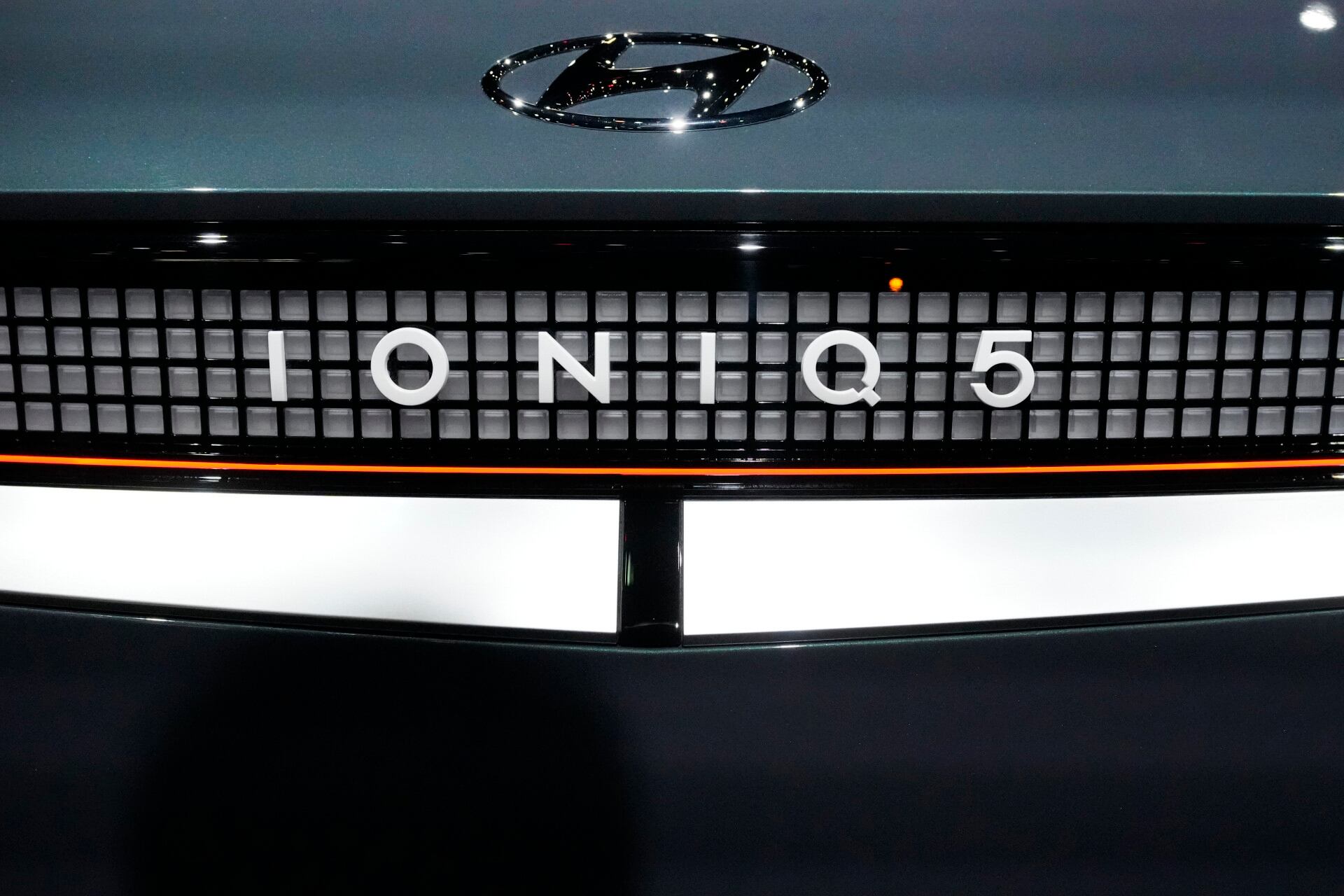
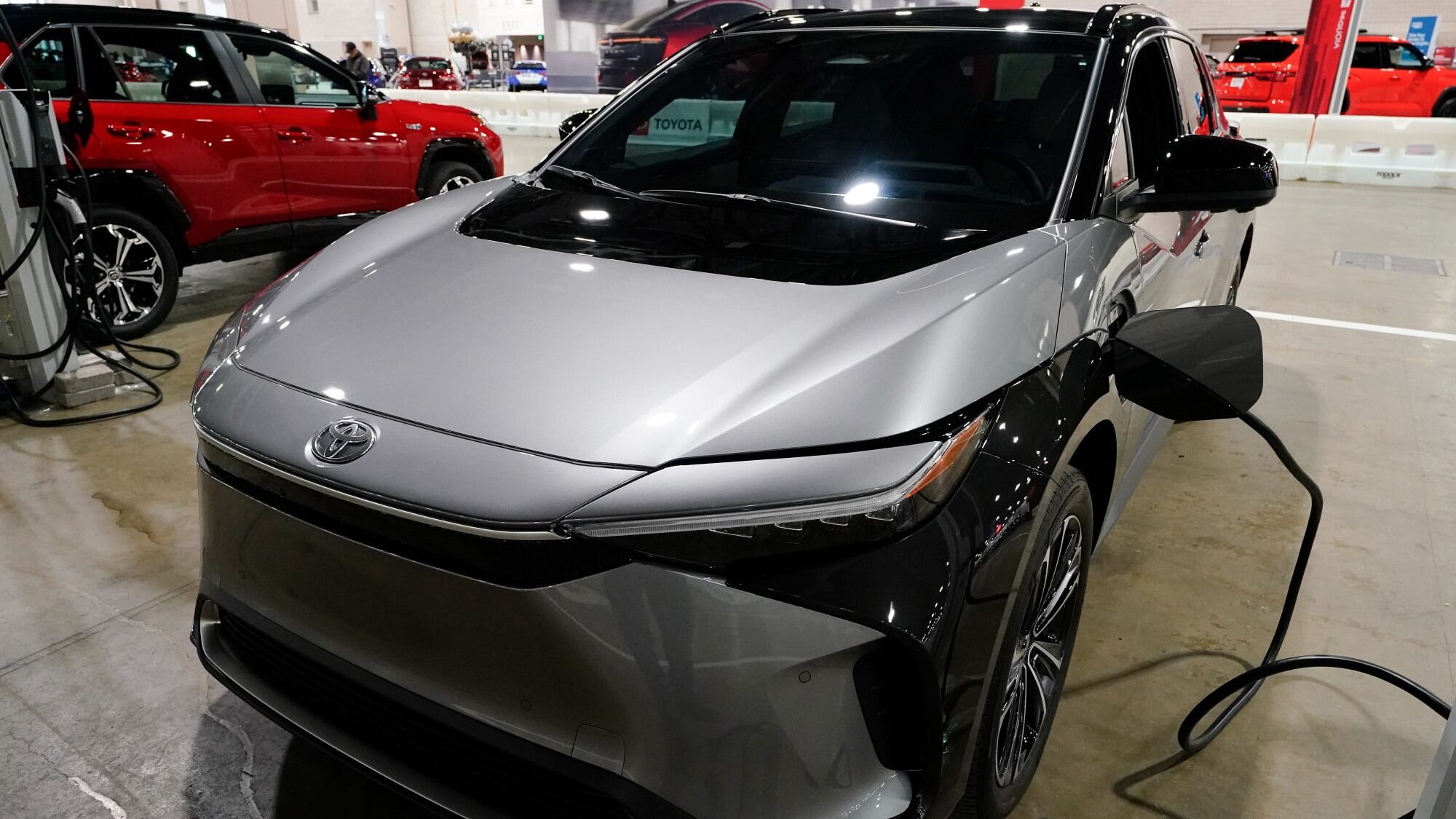
Multiple U.S. owners of Hyundai's popular Ioniq 5 electric SUV have complained of completely or partially losing propulsive power, many after hearing a loud popping noise, the National Highway Traffic Safety Administration said Saturday.
Ford Executive Chairman Bill Ford told CNN's 'Fareed Zakaria that despite recent gains the U.S. was still not in a position to compete with China in the production of electric vehicles.
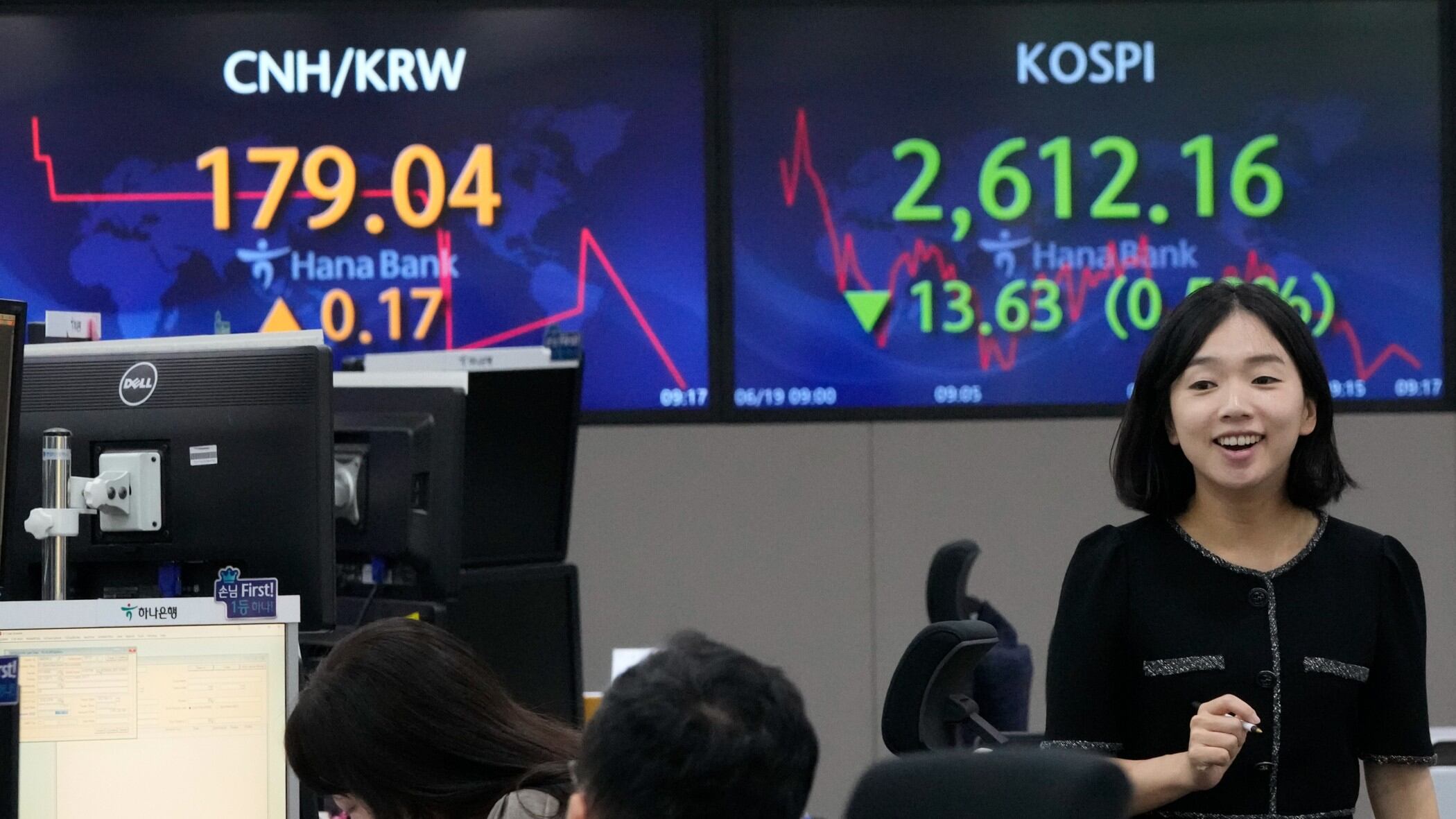
Global stock markets followed Wall Street lower Monday after the top U.S. diplomat met China's leader but the two sides gave no sign of progress on an array of conflicts.
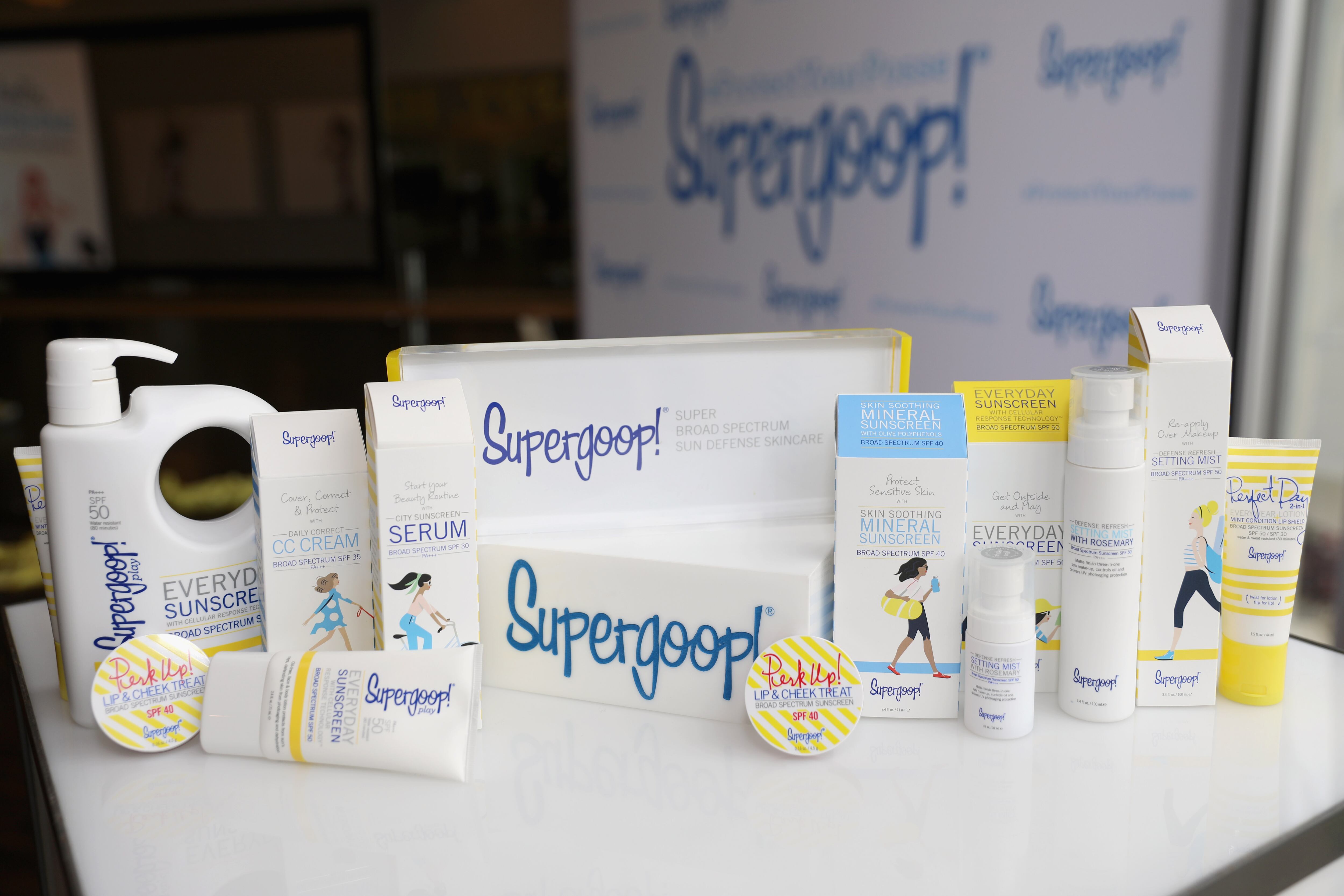
Supergoop! is a skincare brand whose products are what the company says is 100% dedicated to sun care. Amanda Baldwin, CEO of Supergoop!, joined Cheddar News to discuss why sunscreen is important to add to daily routines. "What I love about this company is ... it really is based on scientific fact," Baldwin said. "90% of the signs of aging comes from the sun ... one in five of us will be diagnosed with skin cancer in our lifetime so making sunscreen a daily habit is probably one of the most simple things you can do for your health."
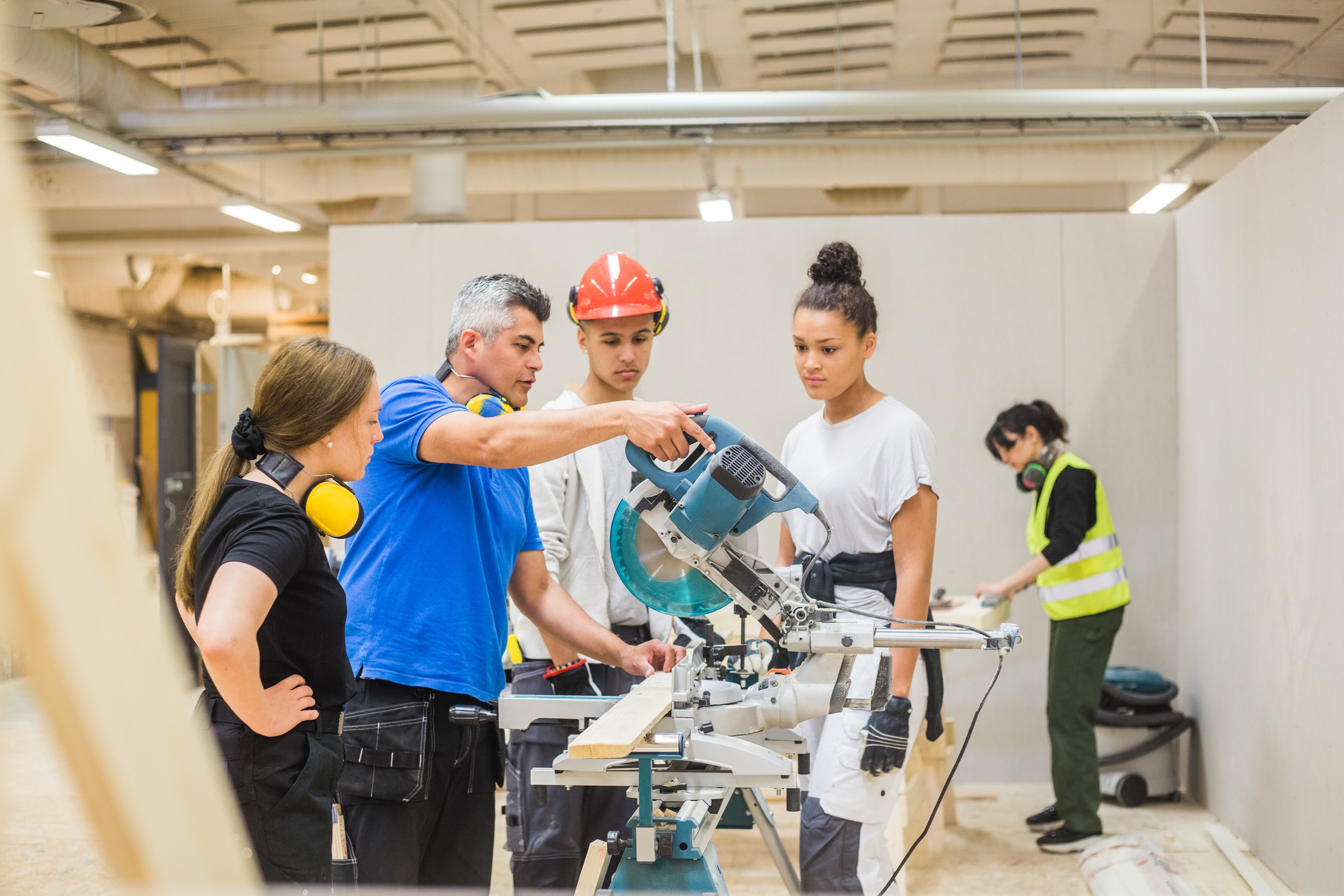
College enrollment rates for high school graduates in the U.S. has been on the decline since 2009. Sean Behr, CEO of Fountain a high-volume hiring platform, joined Cheddar News to discuss why high school graduates are benefitting from the value of attending a trade school, especially in today's economy.
Artificial intelligence is revolutionizing how people work, including in creative industries. The famous Tribeca Film Festival featured some projects recently that used A.I. that some filmmakers say make it more creative. Cheddar News took a peek at some of those films.