How Uber's Self-Driving Program Differs from Waymo's
Uber’s fatal autonomous car crash is a direct result of how it has been running its self-driving project. That’s according to Alex Roy, Founder of The Human Driving Association, who says the ride-hailing company’s approach is in stark contrast to one of its rivals.
“There’s a lot of indication that Waymo’s doing this correctly. They’re taking their time, it’s a slow and steady approach,” Roy explained, citing the fact that Waymo has so far racked up about 4 million miles of testing while Uber has half of that in the books.
Meanwhile, “there’s every indication...that Uber has an existential need to get self-driving cars on the road because drivers cost so much.”
Uber faced major backlash this week after one of its driverless cars struck and killed a pedestrian in Tempe, Ariz., Sunday.
It is the first known fatality by an autonomous vehicle and raises questions about the future of self-driving auto industry overall.
On Thursday, Tempe police released video footage from the car’s cameras to show exactly what happened. The local police and the National Transportation Safety Board are still investigating who is to blame, but earlier in the week Tempe police said Uber will “likely not be at fault.”
“There are methods of testing self-driving vehicles, they are just going to be more tedious...that’s going to take a lot more time,” said Roy, pointing out that companies can test in closed environments and by using computer simulation instead.
“It’s not a coincidence that it’s Uber who had this crash.”
On Friday, a [New York Times report](https://www.nytimes.com/2018/03/23/technology/uber-self-driving-cars-arizona.html) uncovered that even before the crash, Uber's autonomous vehicle unit was struggling to meet internal expectations and required more human intervention than its rivals.
For the full interview, [click here](https://cheddar.com/videos/the-dangers-of-self-driving-tech).
Dave Long, CEO and Co-Founder of Orangetheory Fitness joins Cheddar to chat trends in the industry for 2024. He updates us on the company's plans to expand and what the state of the economy has meant for business.
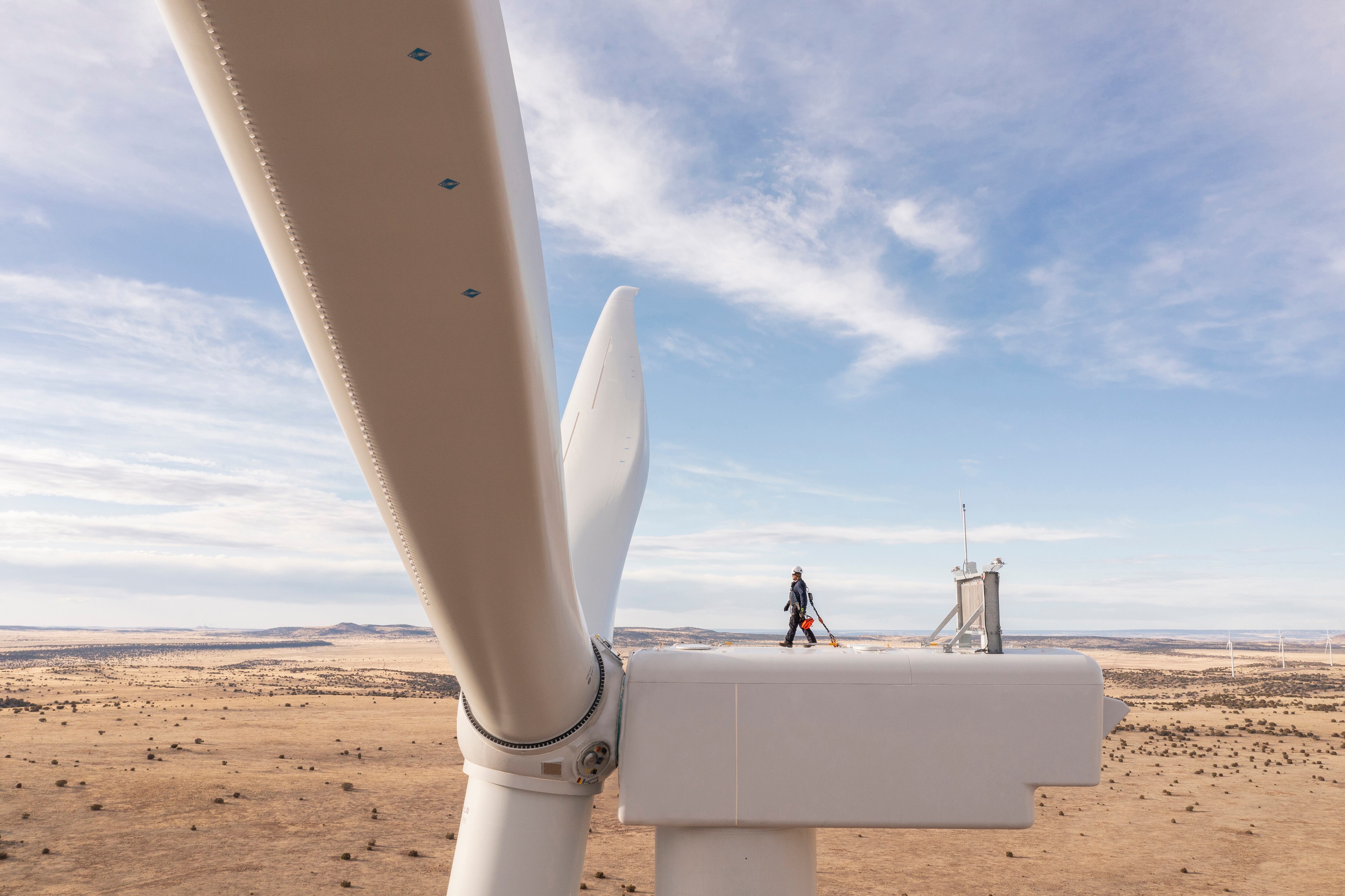
One of the world's largest renewable energy developers will be getting hundreds of wind turbines from General Electric spinoff GE Vernova as part of a record equipment order and long-term service deal.
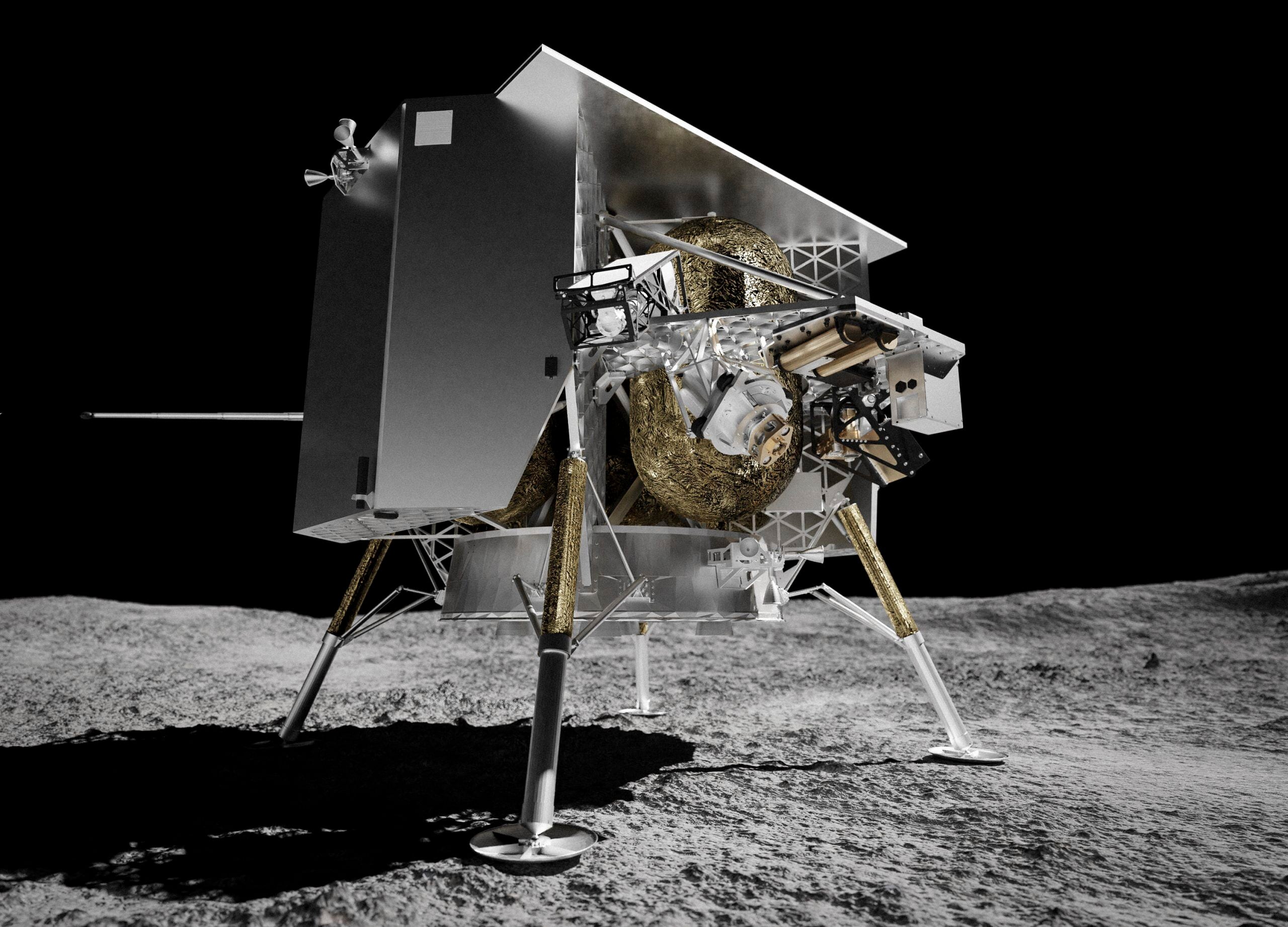
A moon landing attempt by a private US company appears doomed because of a fuel leak on the newly launched spacecraft. Astrobotic Technology managed to orient the lander toward the sun Monday so its solar panel could capture sunlight and charge its onboard battery.
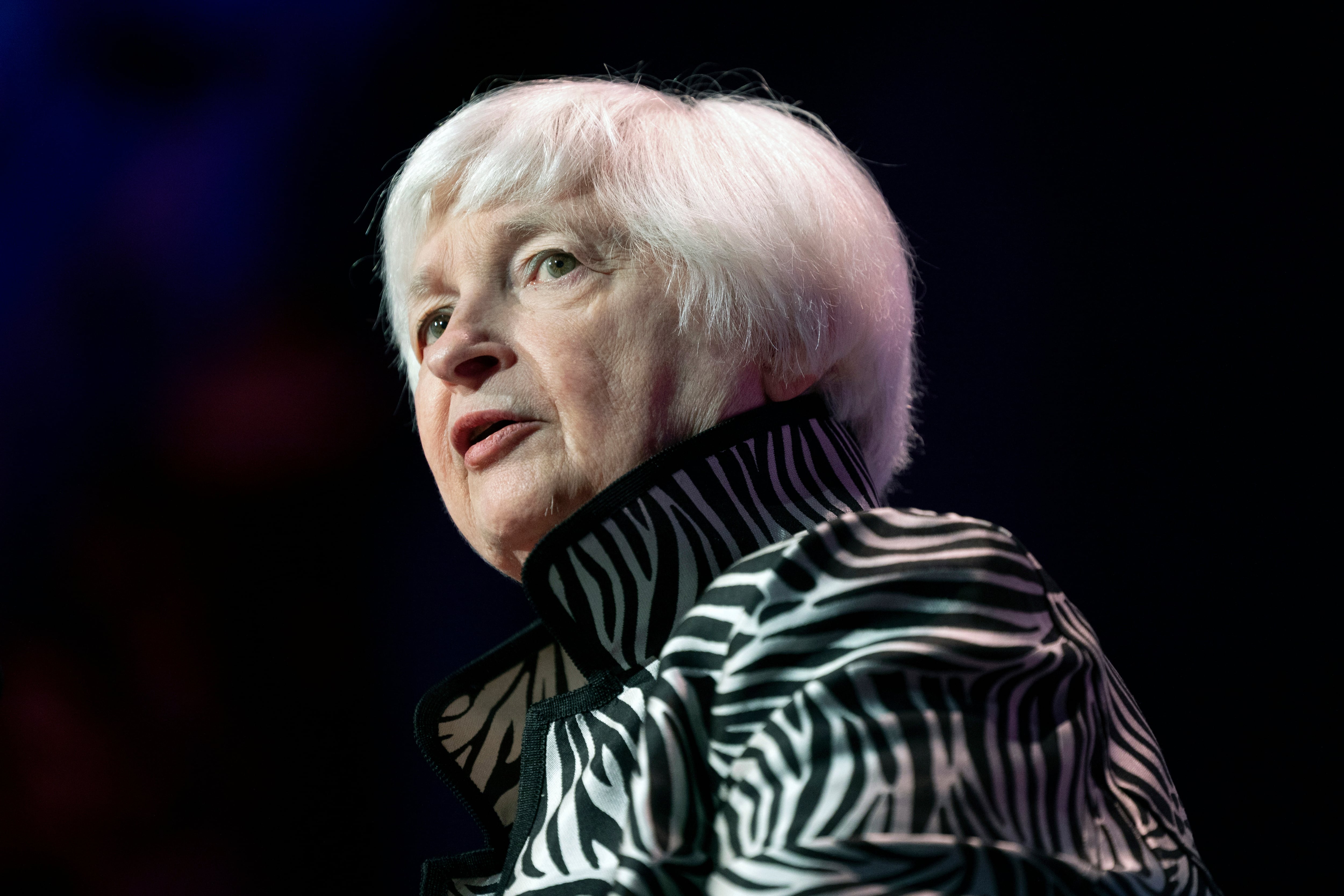
Treasury Secretary Janet Yellen has announced that 100,000 businesses have signed up for a new database that collects ownership information intended to help unmask shell company owners. Yellen says the database will send the message that “the United States is not a haven for dirty money.”
A new version of the federal student aid application known as the FAFSA is available for the 2024-2025 school year, but only on a limited basis as the U.S. Department of Education works on a redesign meant to make it easier to apply.
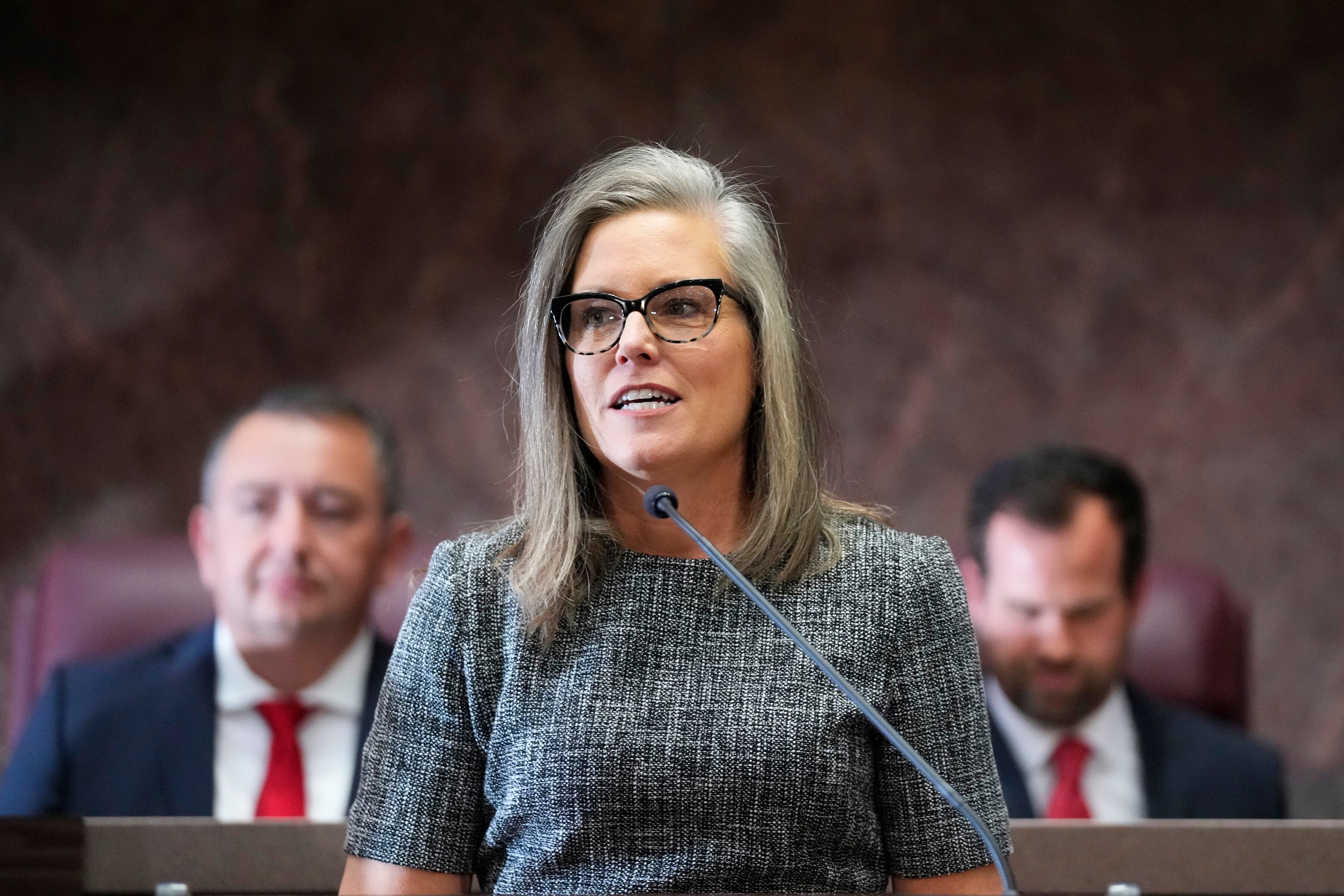
A steep budget deficit caused by plummeting tax revenues and escalating school voucher costs will be in focus Monday as Democratic Gov. Katie Hobbs and the Republican-controlled Arizona Legislature return for a new session at the state Capitol.
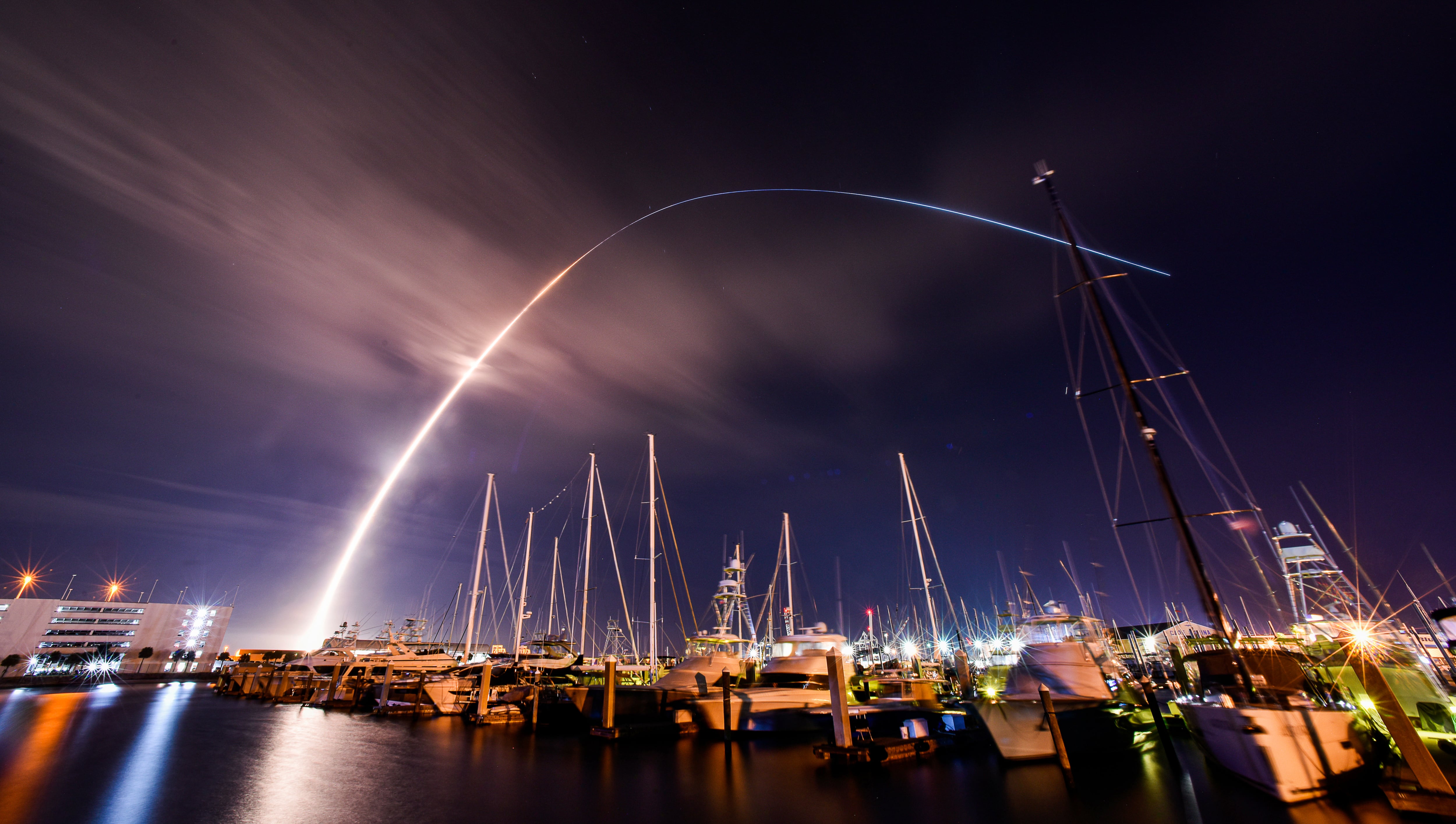
The first U.S. lunar lander in more than 50 years is on its way to the moon. The private lander from Astrobotic Technology blasted off Monday from Cape Canaveral, Florida, catching a ride on United Launch Alliance's brand new rocket Vulcan.
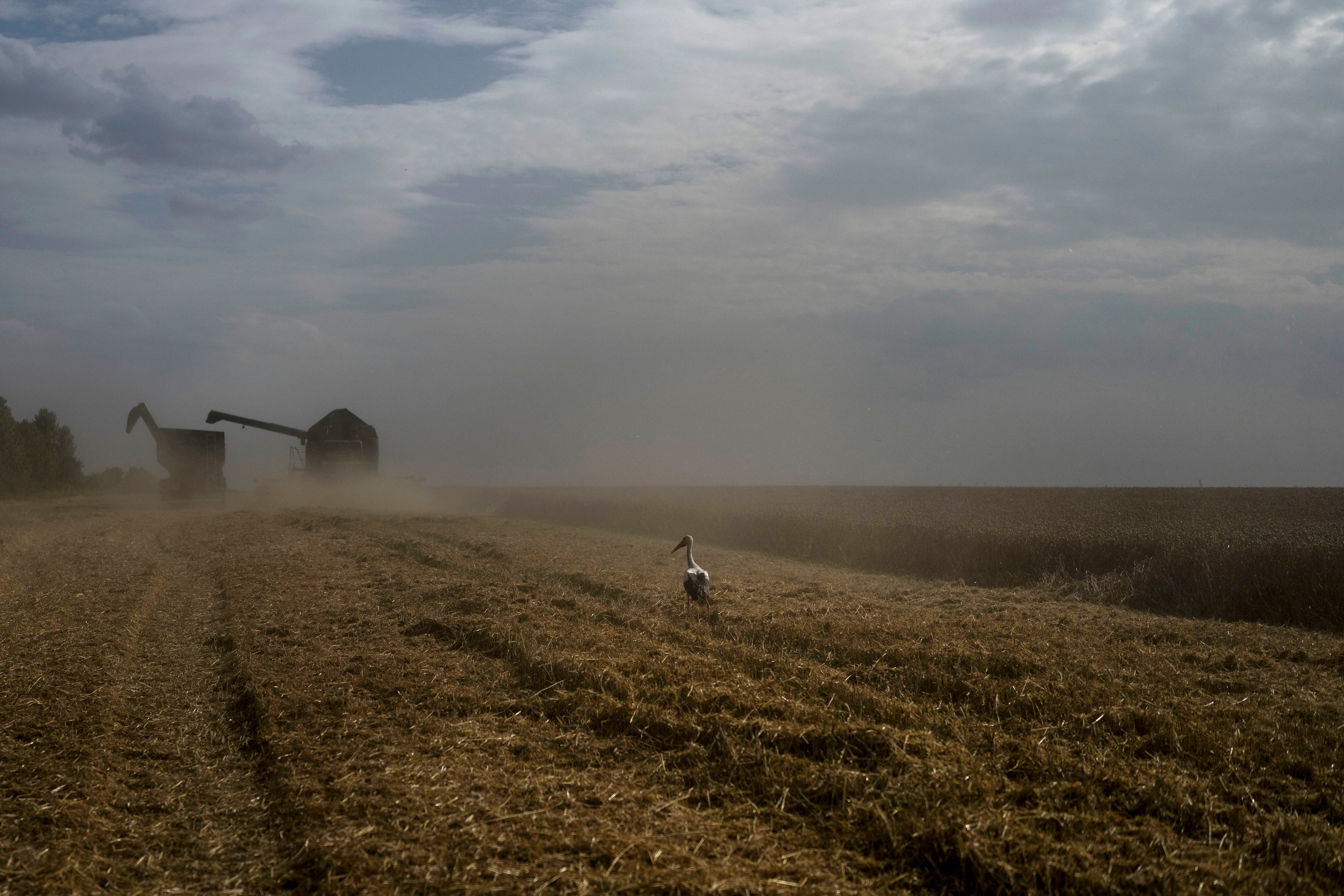
Global prices for food commodities like grain and vegetable oil fell last year from record highs in 2022, when Russia’s war in Ukraine, drought and other factors helped worsen hunger worldwide, the U.N. Food and Agriculture Organization said Friday.
Wall Street is drifting higher after reports showed the job market remains solid, but key parts of the economy still don’t look like they’re overheating.