How Trump's Border Wall Differs From Past National Emergency Declarations
*By Carlo Versano*
Two years after President Richard Nixon resigned, Congress passed and President Ford signed the National Emergencies Act of 1976 in an attempt to regulate the president's ability to declare open-ended national emergencies. The point of the law, commentators said at the time, was to give Congress the power of oversight on matters of national urgency.
With a veto-proof majority, Congress could override declarations of national emergency that were executed by the president. The law was, in essence, intended to be a check on executive power.
It is perhaps ironic then that President Trump announced he will, under the provisions of that law, declare a national emergency as a way to circumvent Congress' "power of the purse" ー in this case, the body's refusal to grant him the billions he requested in border wall funding.
Since that law was signed by President Gerald Ford, there have been 58 declarations of national emergencies, 31 of which are still in effect, according to the Federal Register.
What differentiates President Trump's emergency declaration on border security ー aside from the fact that his own administration says illegal border crossings are at [near-historic lows](https://www.cbp.gov/sites/default/files/assets/documents/2017-Dec/cbp-border-security-report-fy2017.pdf) ー is that it involves an issue of domestic politics rather than foreign policy. A review of the [31 national emergencies](https://www.pri.org/stories/2019-01-11/us-currently-31-other-national-emergencies-heres-what-means) currently in effect finds that nearly all of them concern issues like economic sanctions in countries like Libya and Syria, human rights abuses in places like Venezuela, or export controls.
President George W. Bush declared a national emergency in the days after 9/11 that is annually renewed, but the vast majority of the others involve international and transnational crises that many Americans probably didn't even know existed at the time they were enacted ー and certainly don't concern domestic policy. The few domestic national emergencies addressed crises like the H1N1 pandemic that were not exactly political hot button issues.
That puts the border emergency in a category of its own, and has led even some Republicans to grumble that the president is setting a precedent that will come back to bite the party when Democrats next control the executive branch.
House Speaker Nancy Pelosi latched onto that concern on Thursday while she delivered remarks on the anniversary of the Parkland school shooting:
"Why don't you declare that emergency, Mr. President? ... A Democratic president could."
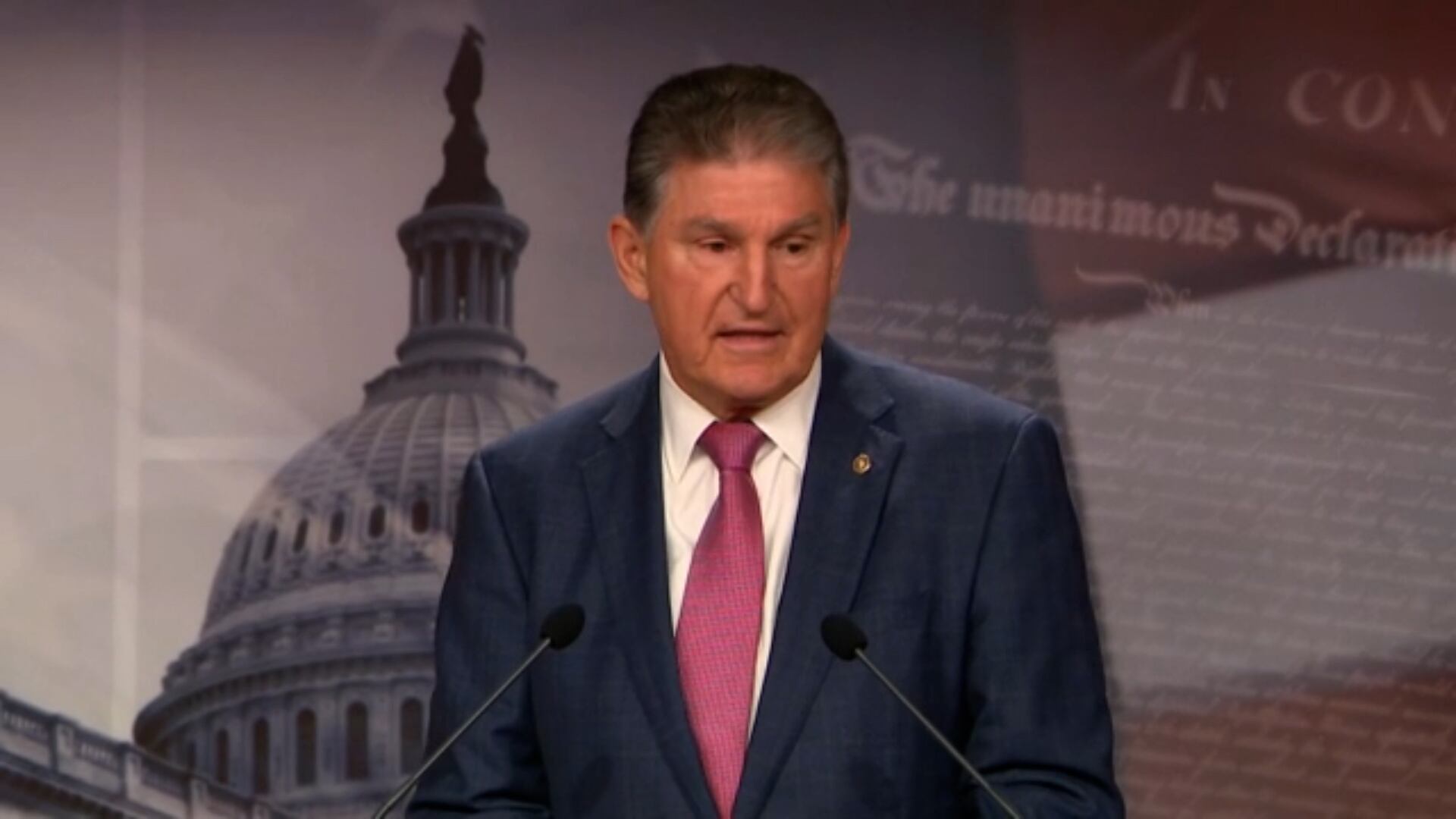
Democrats are hoping to pass the Build Back Better Infrastructure Bill this week, but fellow Democrat Senator Joe Manchin has proven to be a steady fast hold out, stating that he will not support a multi-trillion dollar bill without greater clarity. U.S. News and World Reports Political Reporter Lisa Hagen joined Cheddar to discuss the future of the bill.
Carlo and Baker discuss the election results across the country, including a Republican comeback in Virginia -- and possibly NJ -- plus the CDC gives the go-ahead for child vaccinations, Atlanta wins the World Series and more.
David Wagner, Portfolio Manager at Aptus Capital Advisors, joins Cheddar News' Closing Bell, where he explains why we continue to see record closes from the Dow, S&P, and Nasdaq, and breaks down figures from Lyft's Q3 earnings report.
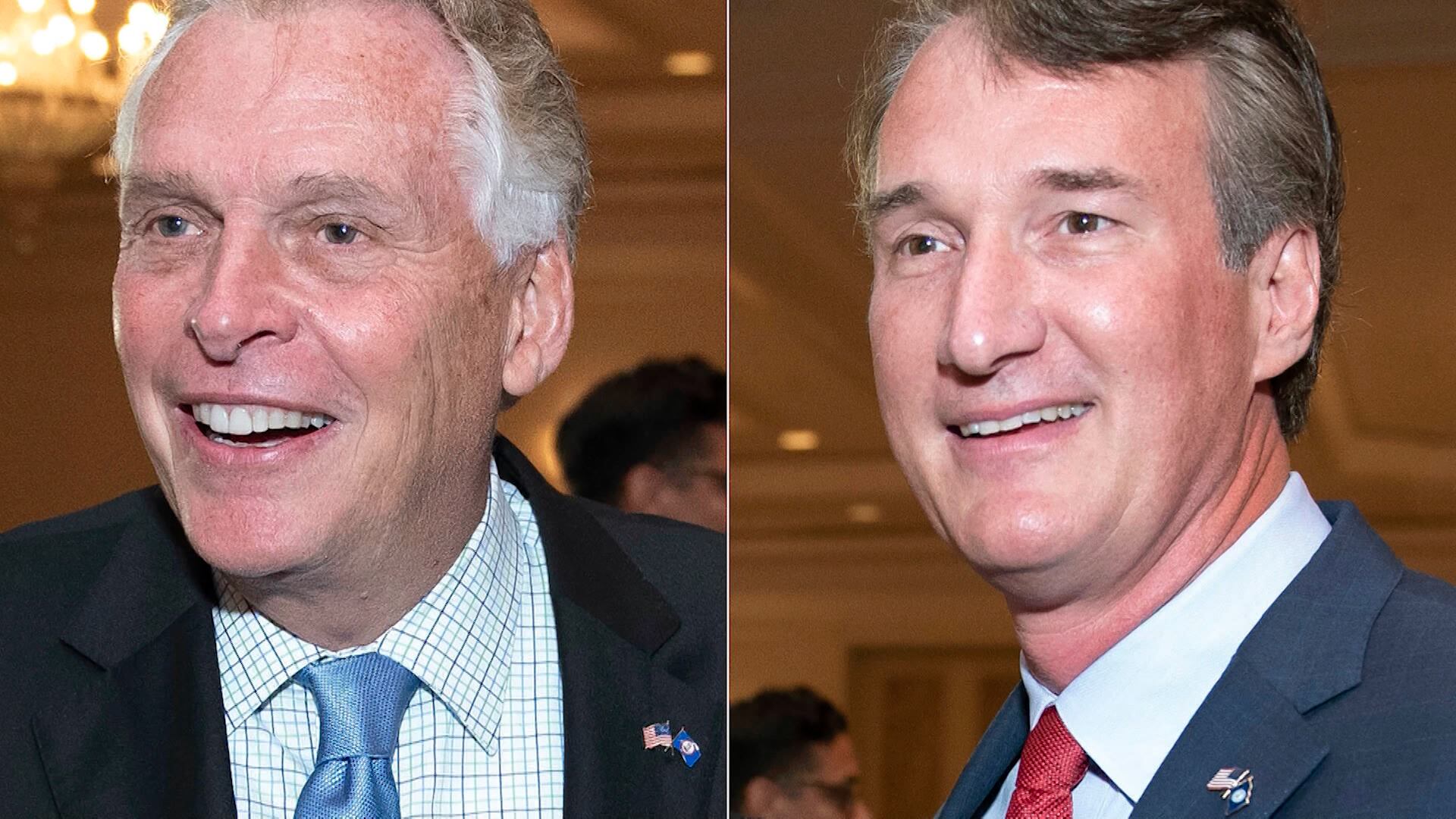
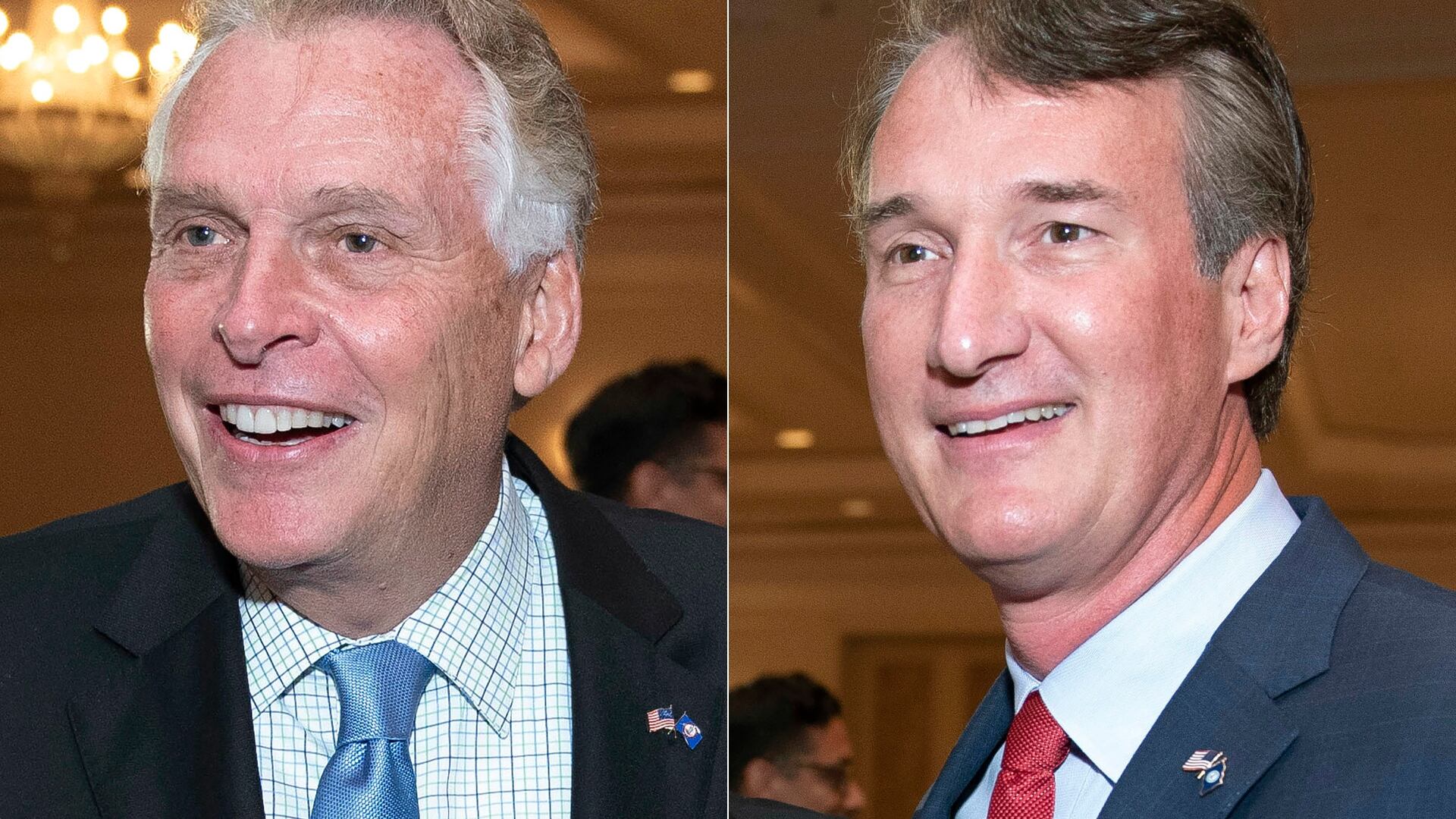
Voters across the country are heading to the polls today for Election Day. The results of some key races could signal what we can expect in upcoming elections. In Virginia, Democrat Terry McAuliffe is facing off against Republican Glenn Youngkin for governor in a tight race. The race has both parties watching because it's a big indicator of how voters are leaning ahead of the 2022 midterm elections. Kyle Kondik, managing editor of Sabato's Crystal Ball at the University of Virginia Center for Politics, joins Cheddar News to talk about what's in store for the state.
Laura Vozzella, local reporter for The Washington Post, joins Cheddar News to discuss the close gubernatorial race in Virginia and what voters are looking for in each candidate.
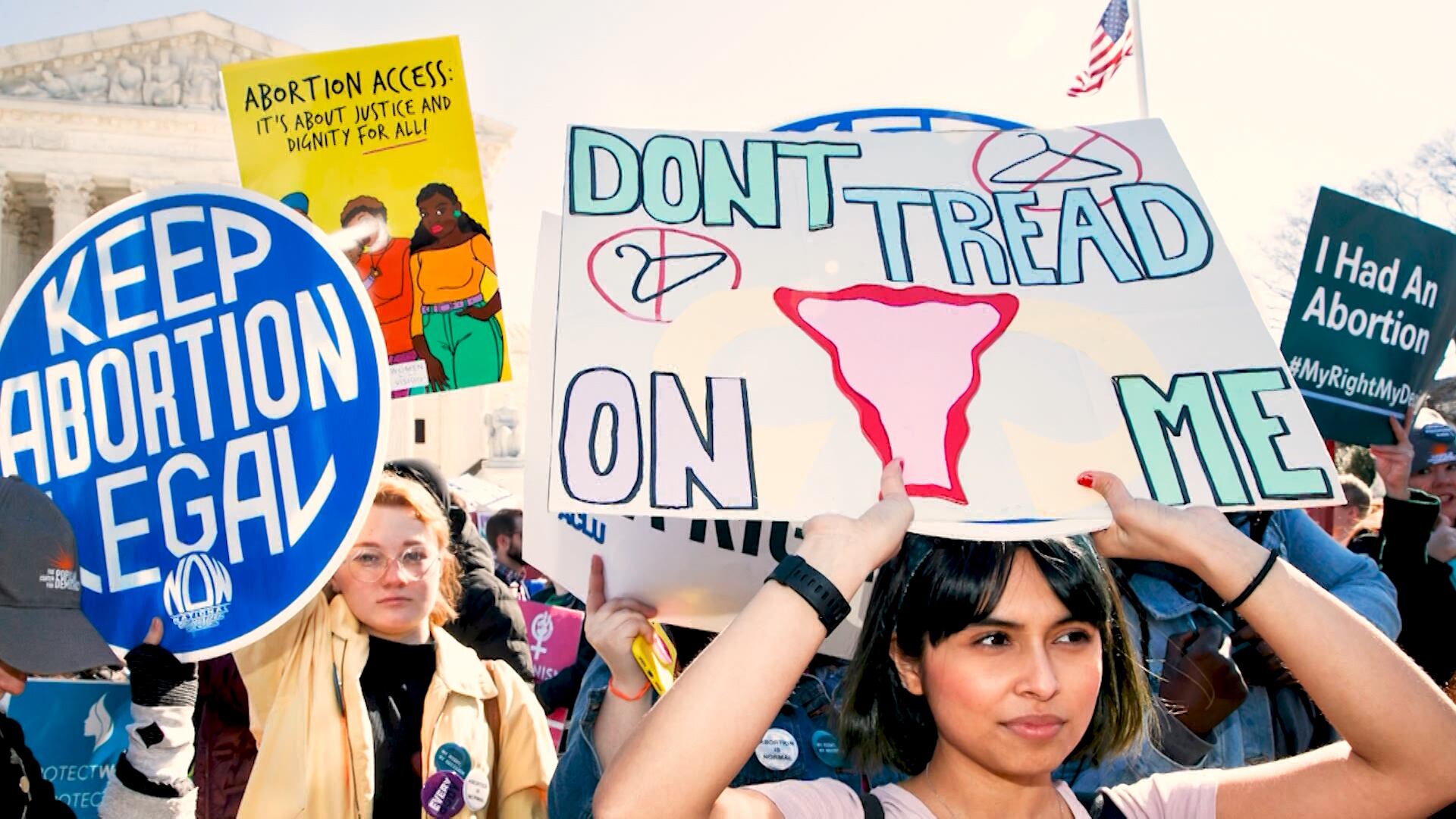
The U.S. Supreme Court takes a closer look at the Texas abortion law that was designed by its sponsors to evade constitutional review in federal court. Katie Barlow, journalist and social media editor at SCOTUSblog joins Cheddar News to breakdown what was discussed.
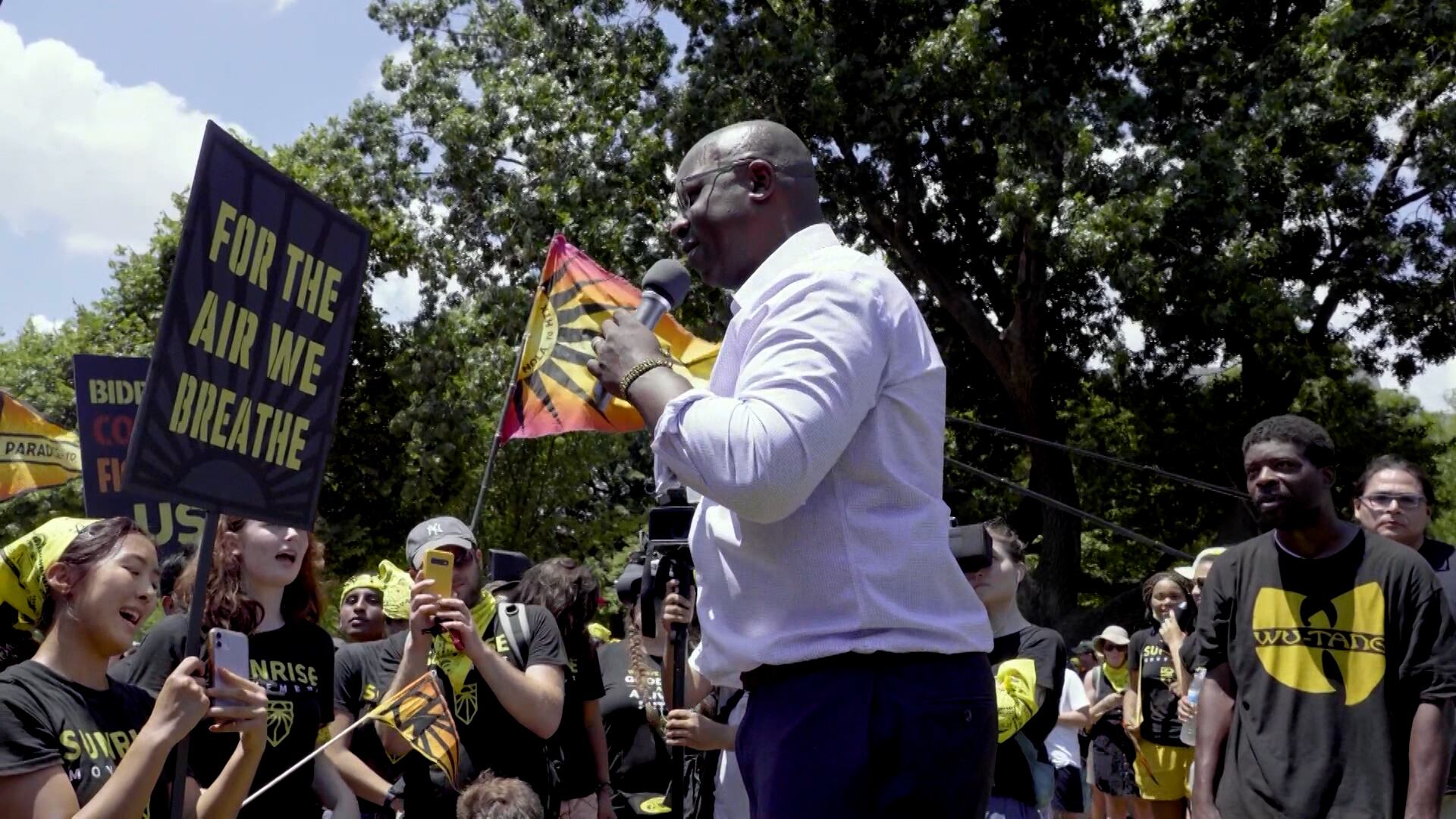
John Paul Mejia, the national spokesperson for the Sunrise Movement, joined Cheddar to talk about what the youth activist group wants to see from President Joe Biden as he attends the COP26 climate summit. Mejia admonished the president for having little to deliver on his own climate agenda domestically while at the conference. "We need the president to follow through with his promises because, frankly, it's a matter of life or death not only for communities here in the United States but also those looking to us around the world," he said.
With COP26 kicking off, roughly 120 world leaders and delegates are in Glasgow, Scotland to hold climate talks this week. As experts continue to warn about the dangers of climate change, ESG investing is more important than ever.
Georges Archibald, Head of Apex Americas at Apex Group joined Cheddar's Opening Bell to discuss.
President Biden expected to unveil details on a Covid-19 vaccine mandate for businesses in coming days.
This comes just days after The White House issued separate vaccine mandates for federal contractors across the country. Mark Kluger, Founding Partner, employment law firm Kluger Healey joined Cheddar's Opening Bell to discuss.