How Trump's Border Wall Differs From Past National Emergency Declarations
*By Carlo Versano*
Two years after President Richard Nixon resigned, Congress passed and President Ford signed the National Emergencies Act of 1976 in an attempt to regulate the president's ability to declare open-ended national emergencies. The point of the law, commentators said at the time, was to give Congress the power of oversight on matters of national urgency.
With a veto-proof majority, Congress could override declarations of national emergency that were executed by the president. The law was, in essence, intended to be a check on executive power.
It is perhaps ironic then that President Trump announced he will, under the provisions of that law, declare a national emergency as a way to circumvent Congress' "power of the purse" ー in this case, the body's refusal to grant him the billions he requested in border wall funding.
Since that law was signed by President Gerald Ford, there have been 58 declarations of national emergencies, 31 of which are still in effect, according to the Federal Register.
What differentiates President Trump's emergency declaration on border security ー aside from the fact that his own administration says illegal border crossings are at [near-historic lows](https://www.cbp.gov/sites/default/files/assets/documents/2017-Dec/cbp-border-security-report-fy2017.pdf) ー is that it involves an issue of domestic politics rather than foreign policy. A review of the [31 national emergencies](https://www.pri.org/stories/2019-01-11/us-currently-31-other-national-emergencies-heres-what-means) currently in effect finds that nearly all of them concern issues like economic sanctions in countries like Libya and Syria, human rights abuses in places like Venezuela, or export controls.
President George W. Bush declared a national emergency in the days after 9/11 that is annually renewed, but the vast majority of the others involve international and transnational crises that many Americans probably didn't even know existed at the time they were enacted ー and certainly don't concern domestic policy. The few domestic national emergencies addressed crises like the H1N1 pandemic that were not exactly political hot button issues.
That puts the border emergency in a category of its own, and has led even some Republicans to grumble that the president is setting a precedent that will come back to bite the party when Democrats next control the executive branch.
House Speaker Nancy Pelosi latched onto that concern on Thursday while she delivered remarks on the anniversary of the Parkland school shooting:
"Why don't you declare that emergency, Mr. President? ... A Democratic president could."
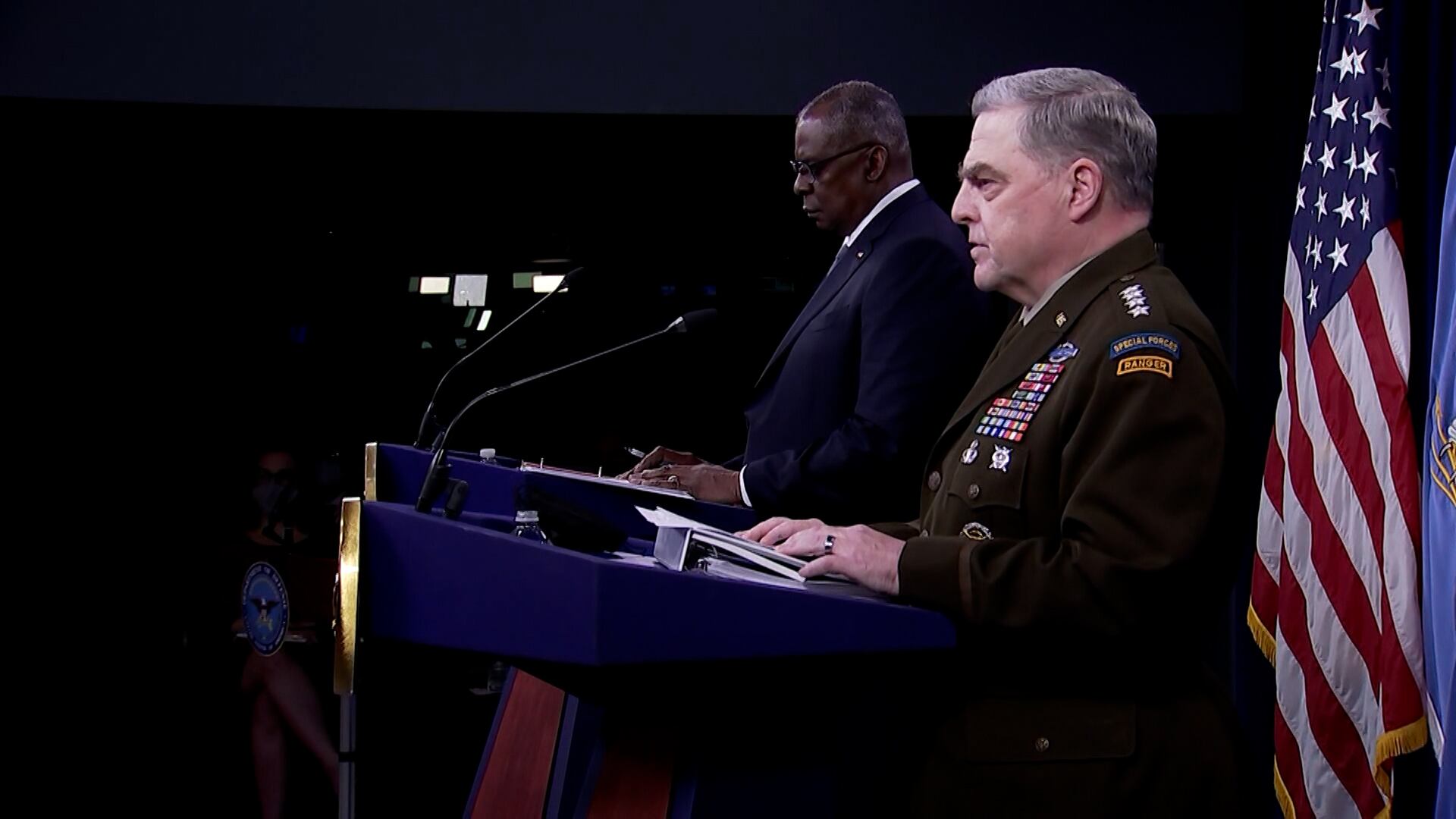
Today is Veterans Day, a day each year that gives us a chance to honor our service members and reflect on the issues they face in our armed forces. One issue that's gotten a lot of scrutiny recently is the handling of sexual assault cases in the military. The military has long been criticized for how it handles cases of sexual assault, with particular attention paid to how cases are investigated and prosecuted usually within the chain of command. The defense department has said sexual assault cases will be removed, but it's not the same as Congress changing the law itself.
Lory Manning, retired U.S. Navy captain and the director of government operations at the Service Women's Action Network, joins Cheddar News to discuss.
Greenwood, a digital banking platform aimed at supporting Black and Latino businesses and clients, is launching its very own GreenBook. Named after the historic publication for Black travelers during the era of Jim Crow, the online guide will provide a directory of Black- and Latino-owned businesses across the country. Ryan Glover, the founder and chairman of Greenwood, joined Cheddar to provide additional details about the listings.
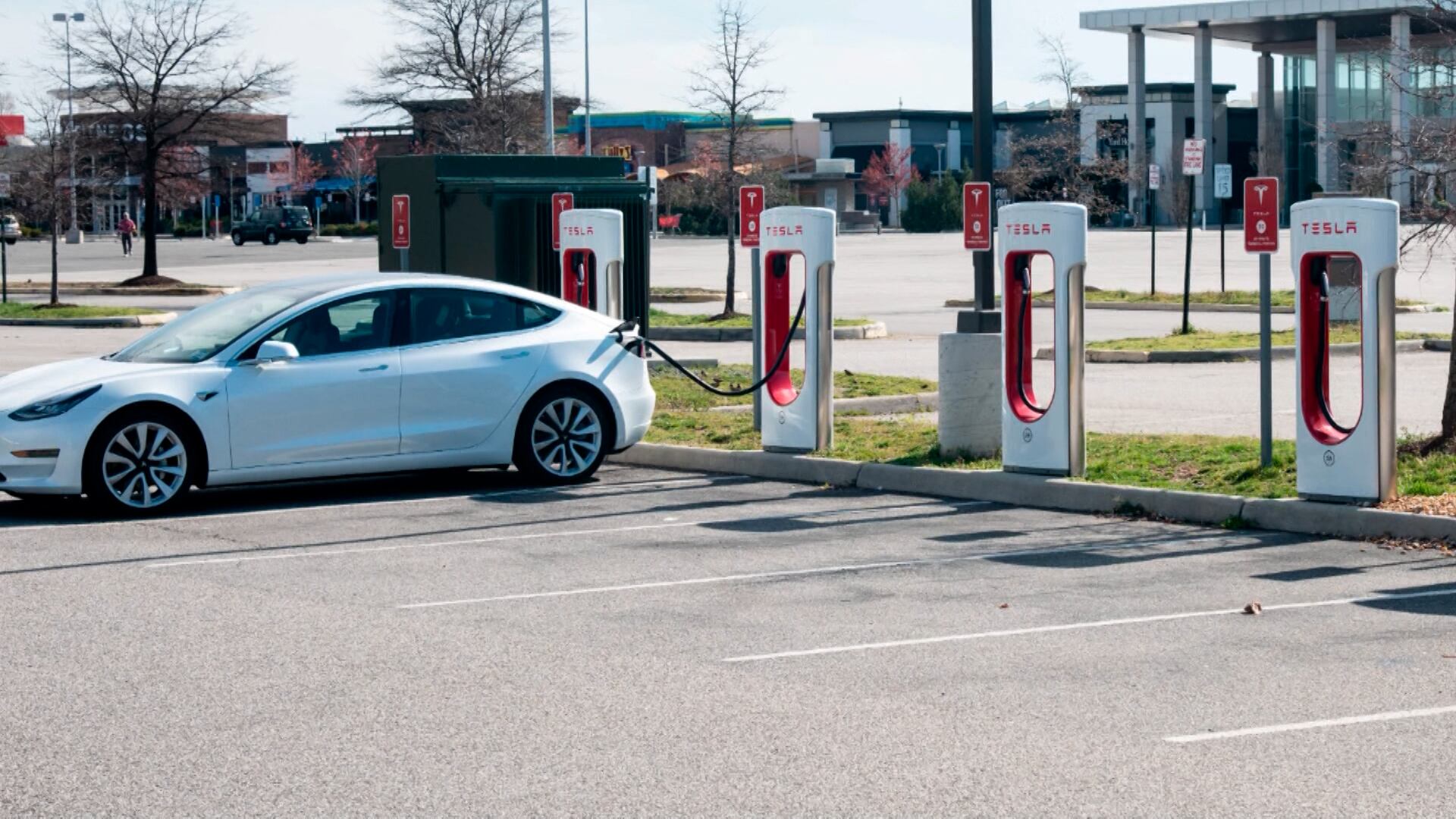
President Biden's infrastructure plan will be pumping billions of dollars into the EV sector. David Shepardson, Correspondent at Thomson Reuters, joined Cheddar News' Closing Bell to break down all of the details.
Al Root, Senior Writer at Barron's, joined Wake Up With Cheddar's Jill Wagner to break down who qualifies for the proposed EV tax credits and why some automakers aren't too pleased about extra incentives for vehicles made at union plants.
Jill Wagner is joined by Baker to talk about kids and vaccines: we finally know how many young kids are getting vaccinated. Plus, Democrats are working on a Plan B for paid family leave. And the salad chain Sweetgreen goes public.
A breakthrough deal between the U.S. and China when it comes to climate has finally been reached. The two countries have pledged to work together to curb carbon emissions. Amy Harder, executive editor at Cipher, joined Cheddar News to discuss more.
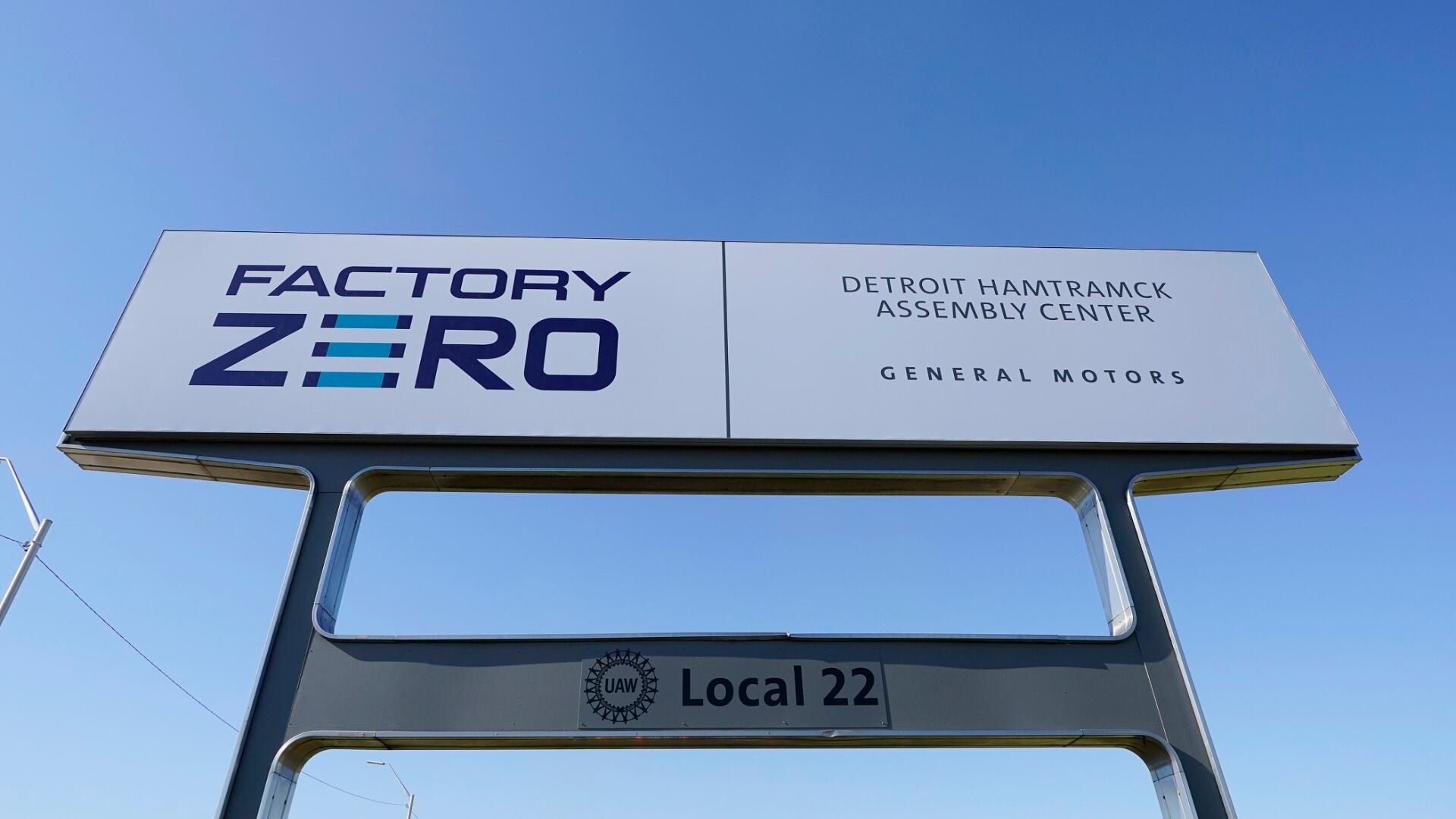
President Joe Biden is expected to visit GM's 'Factory Zero' plant in Detroit, where mass production of its electric vehicle fleet will get underway. Biden is likely to tout his recently passed $1.2 trillion infrastructure plan, which allocates $7.5 billion toward EV infrastructure.
Jill is joined by “Friend of the Pod” Mosheh Oinounou to talk booster shots, and whether “fully vaccinated” will eventually mean three shots, not two. Plus, the latest on the Kyle Rittenhouse trial. And the research is in: we know now the perfect way to hug. Also, Jill and Mosheh debate whether Airpods are passé.
A deal was reached as the COP26 Summit in Glasgow came to a close. Dr. Katharine Hayhoe, Chief Scientist at the Nature Conservancy and Author of 'Saving Us: A Climate Scientist's Case for Hope and Healing in a Divided World,' joined Cheddar News' Closing Bell to discuss the deal.