How Trump's Border Wall Differs From Past National Emergency Declarations
*By Carlo Versano*
Two years after President Richard Nixon resigned, Congress passed and President Ford signed the National Emergencies Act of 1976 in an attempt to regulate the president's ability to declare open-ended national emergencies. The point of the law, commentators said at the time, was to give Congress the power of oversight on matters of national urgency.
With a veto-proof majority, Congress could override declarations of national emergency that were executed by the president. The law was, in essence, intended to be a check on executive power.
It is perhaps ironic then that President Trump announced he will, under the provisions of that law, declare a national emergency as a way to circumvent Congress' "power of the purse" ー in this case, the body's refusal to grant him the billions he requested in border wall funding.
Since that law was signed by President Gerald Ford, there have been 58 declarations of national emergencies, 31 of which are still in effect, according to the Federal Register.
What differentiates President Trump's emergency declaration on border security ー aside from the fact that his own administration says illegal border crossings are at [near-historic lows](https://www.cbp.gov/sites/default/files/assets/documents/2017-Dec/cbp-border-security-report-fy2017.pdf) ー is that it involves an issue of domestic politics rather than foreign policy. A review of the [31 national emergencies](https://www.pri.org/stories/2019-01-11/us-currently-31-other-national-emergencies-heres-what-means) currently in effect finds that nearly all of them concern issues like economic sanctions in countries like Libya and Syria, human rights abuses in places like Venezuela, or export controls.
President George W. Bush declared a national emergency in the days after 9/11 that is annually renewed, but the vast majority of the others involve international and transnational crises that many Americans probably didn't even know existed at the time they were enacted ー and certainly don't concern domestic policy. The few domestic national emergencies addressed crises like the H1N1 pandemic that were not exactly political hot button issues.
That puts the border emergency in a category of its own, and has led even some Republicans to grumble that the president is setting a precedent that will come back to bite the party when Democrats next control the executive branch.
House Speaker Nancy Pelosi latched onto that concern on Thursday while she delivered remarks on the anniversary of the Parkland school shooting:
"Why don't you declare that emergency, Mr. President? ... A Democratic president could."
Carlo and Baker cover the latest developments with the Omicron variant, and break down what we know and what we still don't. Plus, a relatively tame Black Friday, and more.
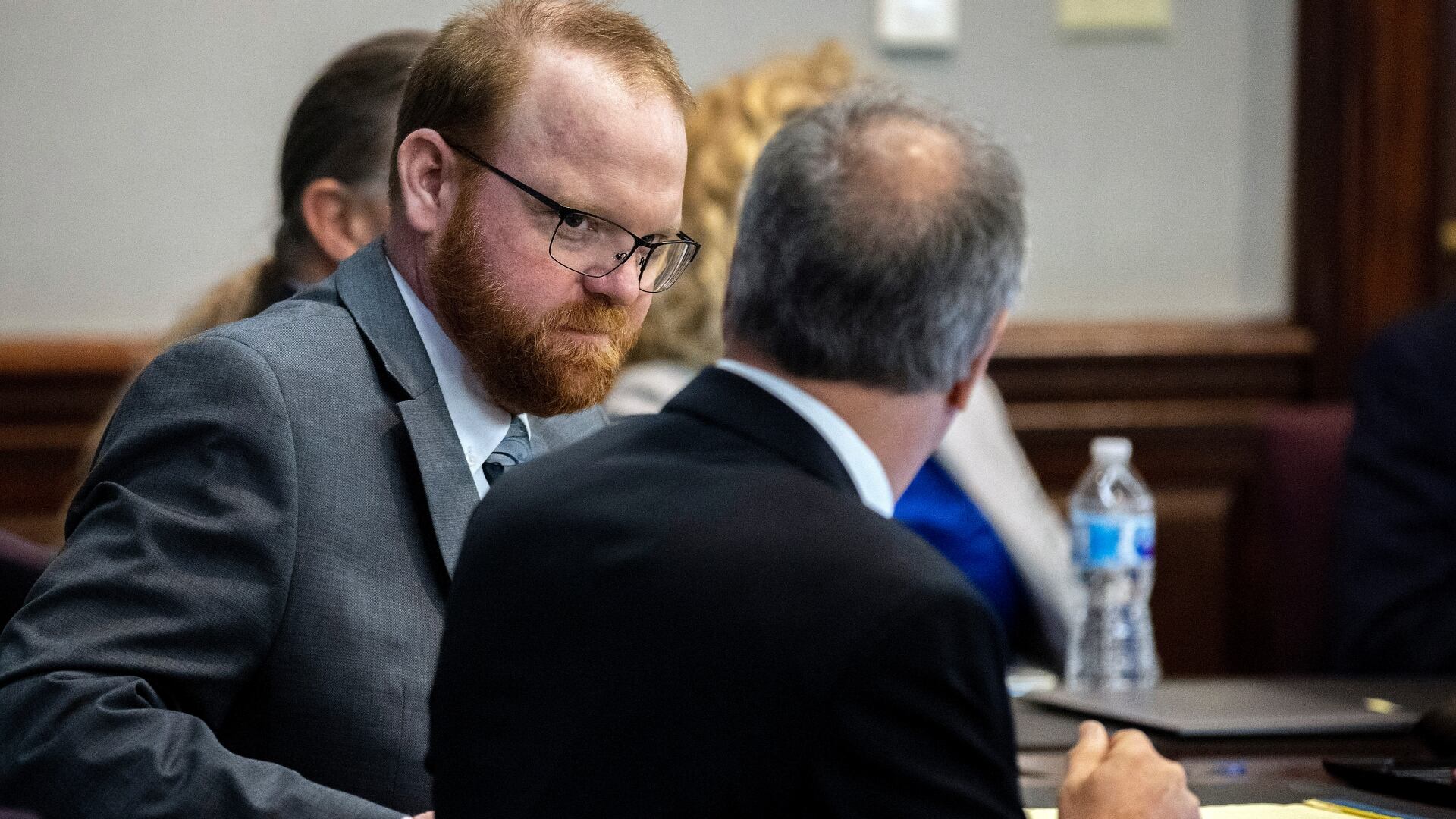
Jurors on Wednesday convicted the three white men charged in the death of Ahmaud Arbery, the Black man who was chased and fatally shot while running through their Georgia neighborhood in an attack that became part of the larger national reckoning on racial injustice during the summer of 2020. Trial attorney and former prosecutor Leslie Ricard Chambers joins Cheddar News' Closing Bell to discuss the verdict, possible sentencing, and more.
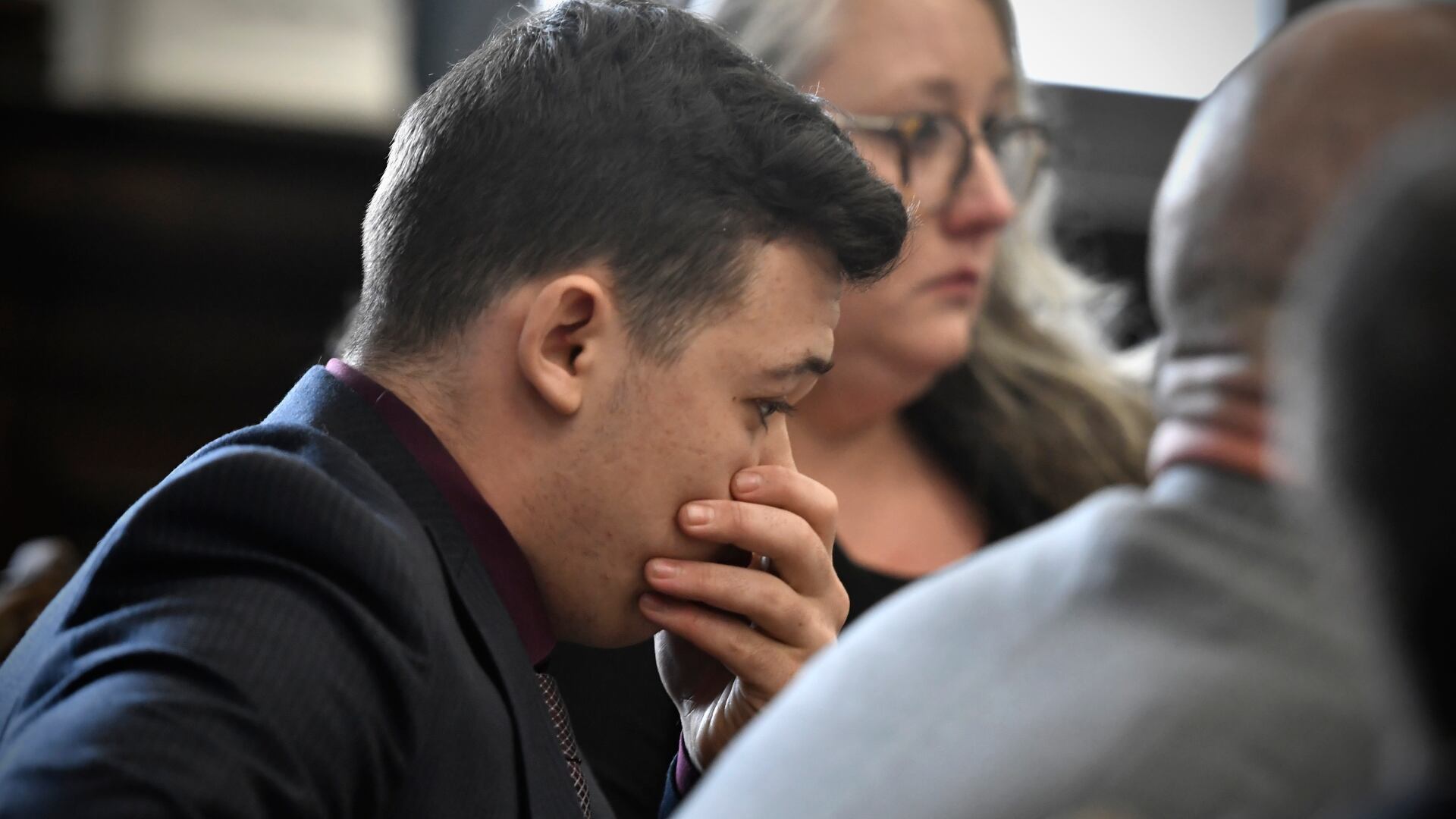
Kyle Rittenhouse was acquitted of all charges Friday after pleading self-defense in the deadly Kenosha shootings that became a flashpoint in the debate over guns, vigilantism and racial injustice in the U.S. Criminal Defense Attorney Anthony Tall joins Cheddar News' Closing Bell to discuss the verdict, potential judicial precedent, and more.
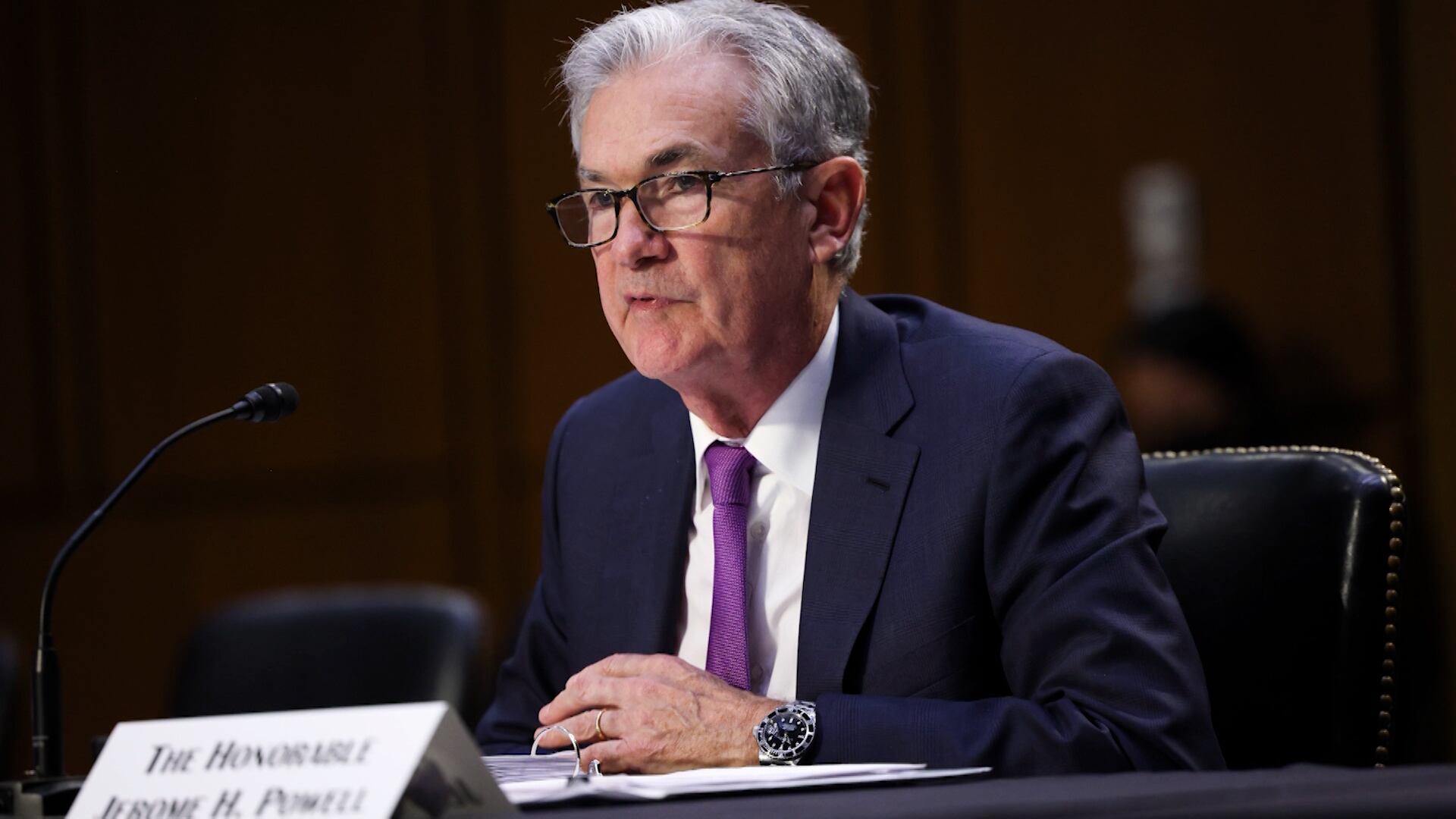
President Biden has announced his intent to nominate Fed chair Jerome Powell for another four-year term, with Lael Brainard serving as vice chair. This comes at a crucial time for the economy as inflation is surging, the supply chain is broken, and labor shortages are hampering businesses across the country. Sabrina Escobar, reporter for Barron's, discusses why Biden passed up the opportunity to put the central bank in the hands of a Democrat, and what challenges Powell faces in his second term.
Jill and Carlo are a bit delayed today on account of Carlo's internet not working. Better late than never, they discuss what we know about the suspect in the Christmas parade crash, closing arguments in the Arbery killing trial, and more.
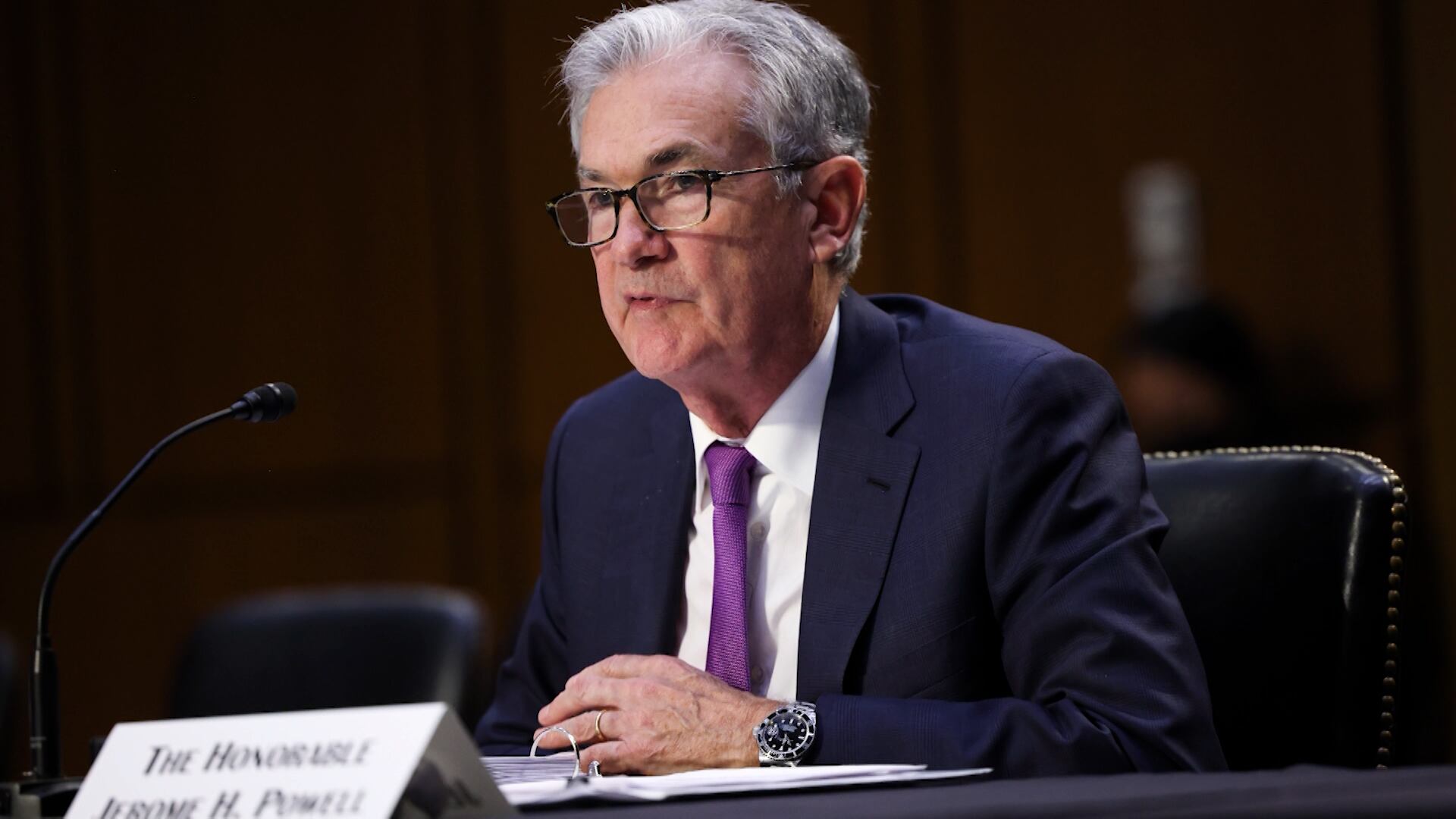
Stocks began the week closing at session lows on a day when bond yields rose and President Biden decided to stick with Jerome Powell as Fed Chair. Bryan Lee, Chief Investment Officer at Blue Zone Wealth Advisors, joins Cheddar News' Closing Bell, where he breaks down the day's activity and discusses what the Fed now needs to do going forward.
President Joe Biden announced Monday he is re-nominating Federal Reserve Chairman Jerome Powell after weeks of speculation that he would choose Democrat and Fed Governor Lael Brainard to fill the role. Biden could be looking for continuity as the U.S. continues to grapple with COVID-19 and high inflation, and investors could be on the same page: markets and treasuries ticked up after the White House made the announcement. MarketWatch Senior Reporter Greg Robb joins Cheddar News' Closing Bell to discuss Powell's re-nomination, what we can expect from the Fed's December meeting, whether it will speed up its taper timeline, and more.