How Trump's Border Wall Differs From Past National Emergency Declarations
*By Carlo Versano*
Two years after President Richard Nixon resigned, Congress passed and President Ford signed the National Emergencies Act of 1976 in an attempt to regulate the president's ability to declare open-ended national emergencies. The point of the law, commentators said at the time, was to give Congress the power of oversight on matters of national urgency.
With a veto-proof majority, Congress could override declarations of national emergency that were executed by the president. The law was, in essence, intended to be a check on executive power.
It is perhaps ironic then that President Trump announced he will, under the provisions of that law, declare a national emergency as a way to circumvent Congress' "power of the purse" ー in this case, the body's refusal to grant him the billions he requested in border wall funding.
Since that law was signed by President Gerald Ford, there have been 58 declarations of national emergencies, 31 of which are still in effect, according to the Federal Register.
What differentiates President Trump's emergency declaration on border security ー aside from the fact that his own administration says illegal border crossings are at [near-historic lows](https://www.cbp.gov/sites/default/files/assets/documents/2017-Dec/cbp-border-security-report-fy2017.pdf) ー is that it involves an issue of domestic politics rather than foreign policy. A review of the [31 national emergencies](https://www.pri.org/stories/2019-01-11/us-currently-31-other-national-emergencies-heres-what-means) currently in effect finds that nearly all of them concern issues like economic sanctions in countries like Libya and Syria, human rights abuses in places like Venezuela, or export controls.
President George W. Bush declared a national emergency in the days after 9/11 that is annually renewed, but the vast majority of the others involve international and transnational crises that many Americans probably didn't even know existed at the time they were enacted ー and certainly don't concern domestic policy. The few domestic national emergencies addressed crises like the H1N1 pandemic that were not exactly political hot button issues.
That puts the border emergency in a category of its own, and has led even some Republicans to grumble that the president is setting a precedent that will come back to bite the party when Democrats next control the executive branch.
House Speaker Nancy Pelosi latched onto that concern on Thursday while she delivered remarks on the anniversary of the Parkland school shooting:
"Why don't you declare that emergency, Mr. President? ... A Democratic president could."
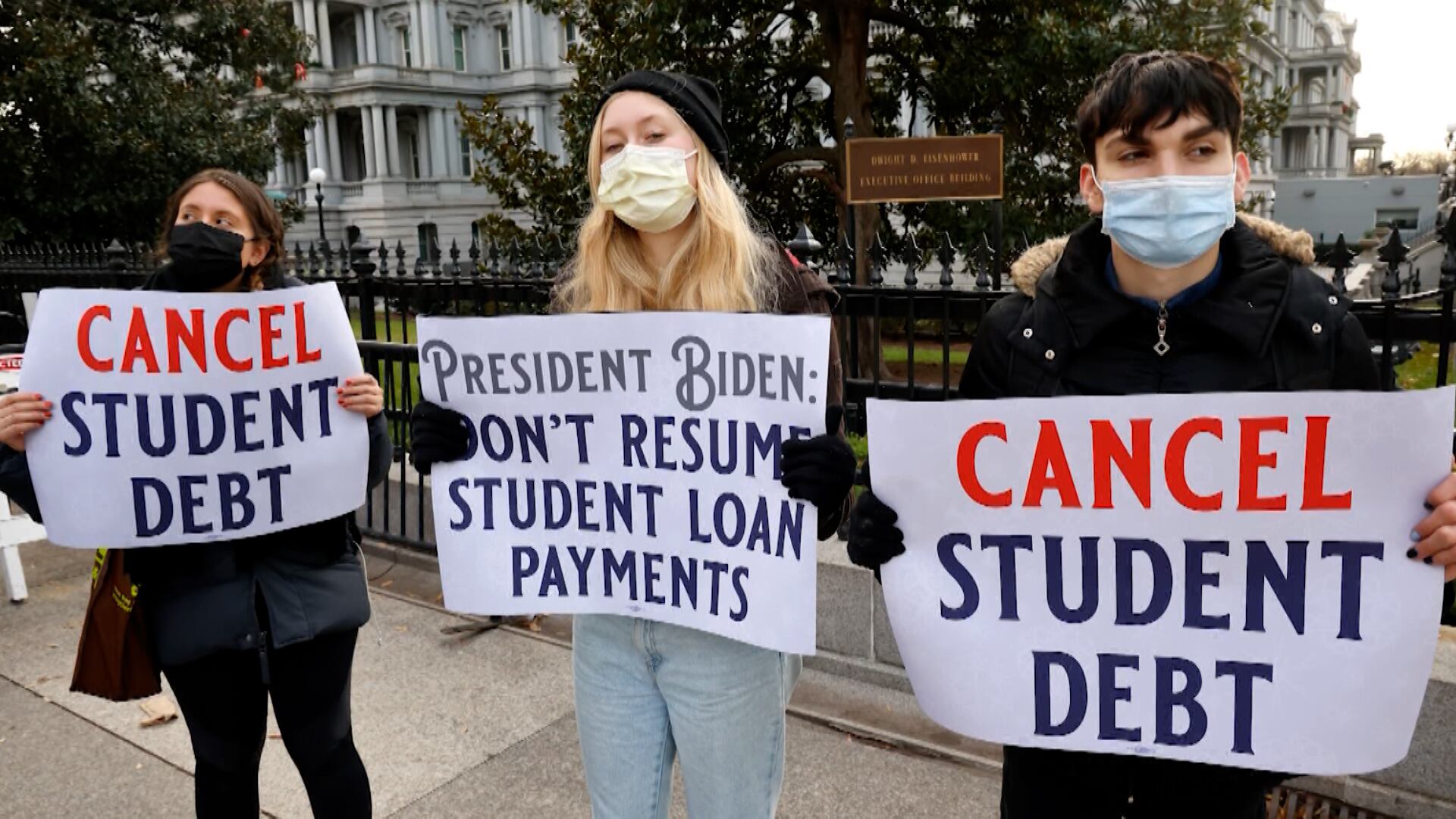
Student loan collection company Navient agreed to cancel $1.7 billion in debt and paid more than $140 million in other penalties to settle a lawsuit over abusive lending practices. Josh Shapiro, the attorney general of Pennsylvania who led negotiations in the settlement, joined Cheddar to go over the details of the company's predatory lending. "What Navient would do is charge [borrowers] these exorbitantly high rates, even though they knew people couldn't pay them or they would likely default on them," he explained.
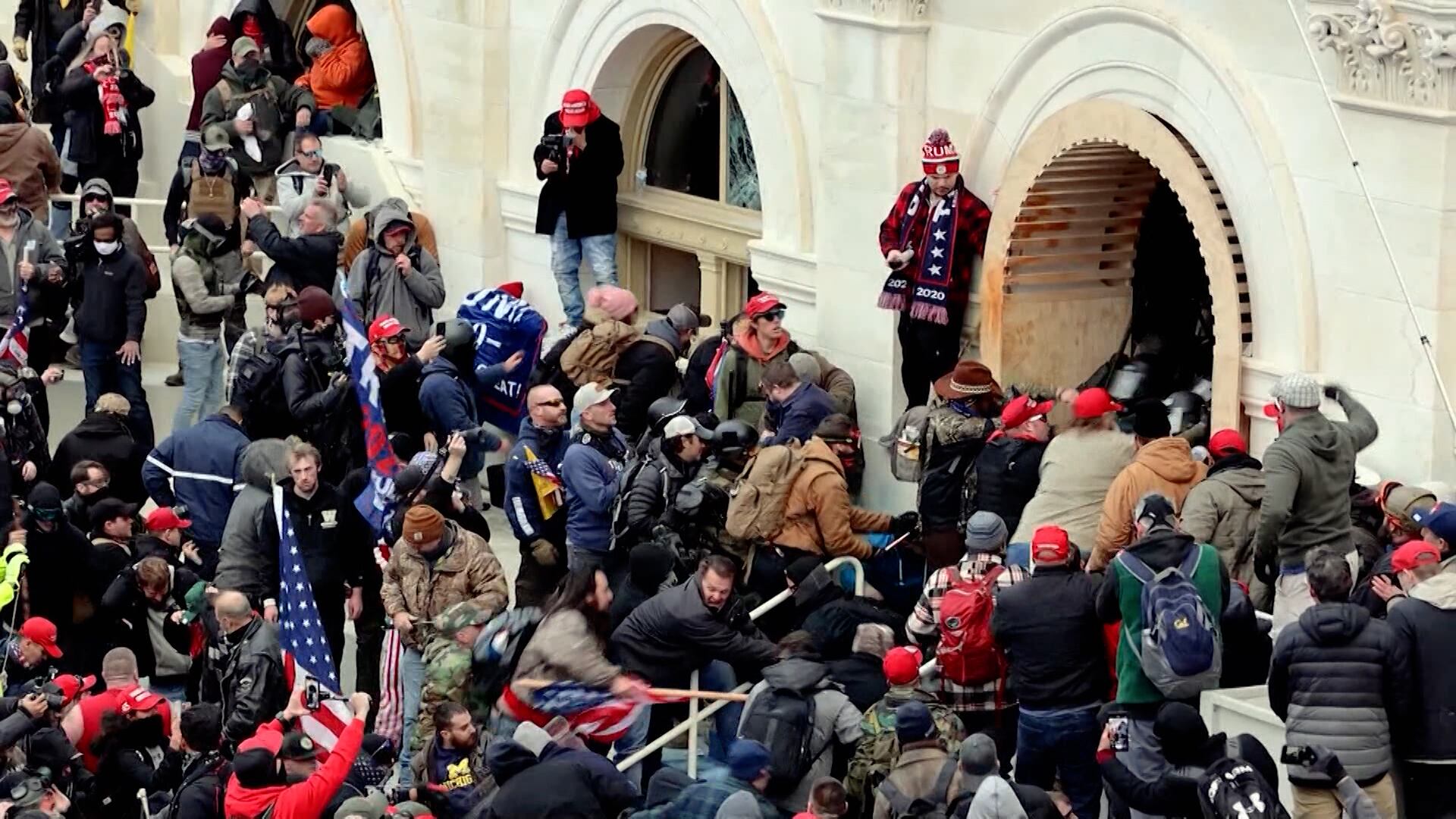
The January 6 committee has subpoenaed four tech giants for more information on what they did and didn't do leading up to last year's deadly Capitol insurrection. Google, Facebook, Twitter, and Reddit were asked to assist the investigation in August, but the committee says their responses have been 'inadequate.' Craig Timberg, a national technology reporter at the Washington Post, joins Cheddar News' Closing Bell for more details about the subpoenas, why this is happening now, and how it might impact social media companies moving forward.
With the Australian Open set to begin on Monday, Novak Djokovic is once again being threatened with deportation from Australia after his visa was briefly reinstated and revoked again over alleged discrepancies. Djokovic’s team will sit for an Immigration hearing on Saturday.
Makena Kelly, politics reporter at The Verge, joins Cheddar News to discuss what's next for net neutrality as Biden's other nominee for the FCC, Gigi Sohn, awaits votes from the committee and Senate.
Jewell Jackson McCabe, chair of the Keep Love Alive Campaign and founder of the National Coalition of 100 Black Women, and Marvin Owens, chief engagement officer of Impact Shares and former senior director of Economic Development at the NAACP, join Cheddar News to reflect on racial issues still prevalent in America.
Hagar Chemali, Host of 'Oh My World' on Youtube and Former Spokesperson for the U.S. mission to the UN, joined Wake Up With Cheddar to share her expert insight into what the future of diplomacy could look like as the Russia-Ukraine crisis deepens.
Markets opened higher on the first trading day of the new year as investors continue to watch inflation and the rapid spread of the omicron variant in the U.S. Frances Newton Stacy, Optimal Capital Dir. of Strategy/Market Analyst joined Cheddar's Opening Bell to discuss.
Markets opened lower this morning as investors rounded out a wild 2021. Jay Hatfield, CEO Infrastructure Capital Advisors, joined Cheddar's Opening Bell to discuss which sectors and industries to watch in the new year.
Markets opened higher as investors react to positive data on the labor front, with weekly jobless claims falling to 198,000 for the week ending December 25. Ross Mayfield, investment strategy analyst at Baird joined Cheddar's Opening Bell to discuss the market open.