How Trump's Border Wall Differs From Past National Emergency Declarations
*By Carlo Versano*
Two years after President Richard Nixon resigned, Congress passed and President Ford signed the National Emergencies Act of 1976 in an attempt to regulate the president's ability to declare open-ended national emergencies. The point of the law, commentators said at the time, was to give Congress the power of oversight on matters of national urgency.
With a veto-proof majority, Congress could override declarations of national emergency that were executed by the president. The law was, in essence, intended to be a check on executive power.
It is perhaps ironic then that President Trump announced he will, under the provisions of that law, declare a national emergency as a way to circumvent Congress' "power of the purse" ー in this case, the body's refusal to grant him the billions he requested in border wall funding.
Since that law was signed by President Gerald Ford, there have been 58 declarations of national emergencies, 31 of which are still in effect, according to the Federal Register.
What differentiates President Trump's emergency declaration on border security ー aside from the fact that his own administration says illegal border crossings are at [near-historic lows](https://www.cbp.gov/sites/default/files/assets/documents/2017-Dec/cbp-border-security-report-fy2017.pdf) ー is that it involves an issue of domestic politics rather than foreign policy. A review of the [31 national emergencies](https://www.pri.org/stories/2019-01-11/us-currently-31-other-national-emergencies-heres-what-means) currently in effect finds that nearly all of them concern issues like economic sanctions in countries like Libya and Syria, human rights abuses in places like Venezuela, or export controls.
President George W. Bush declared a national emergency in the days after 9/11 that is annually renewed, but the vast majority of the others involve international and transnational crises that many Americans probably didn't even know existed at the time they were enacted ー and certainly don't concern domestic policy. The few domestic national emergencies addressed crises like the H1N1 pandemic that were not exactly political hot button issues.
That puts the border emergency in a category of its own, and has led even some Republicans to grumble that the president is setting a precedent that will come back to bite the party when Democrats next control the executive branch.
House Speaker Nancy Pelosi latched onto that concern on Thursday while she delivered remarks on the anniversary of the Parkland school shooting:
"Why don't you declare that emergency, Mr. President? ... A Democratic president could."
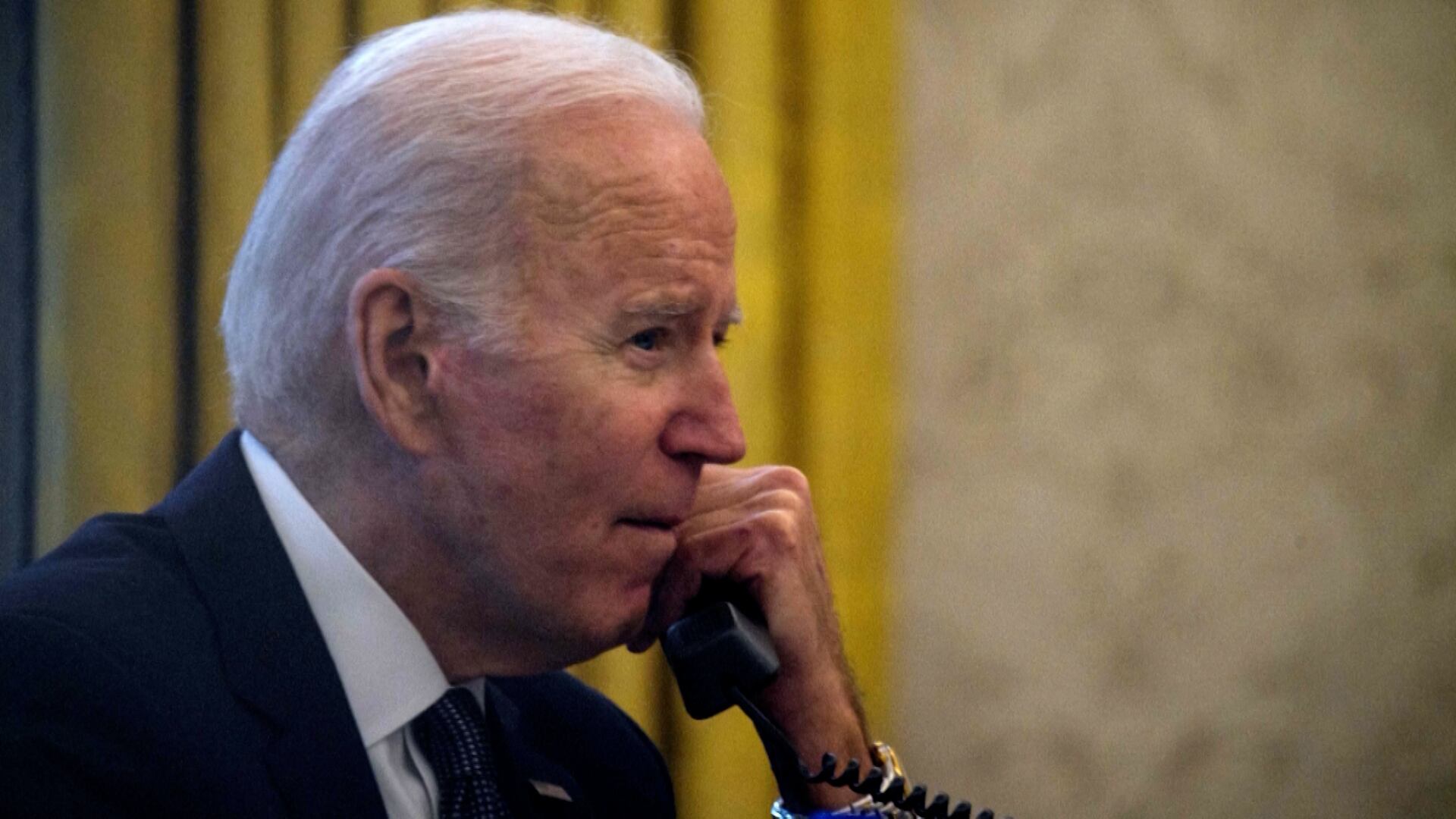
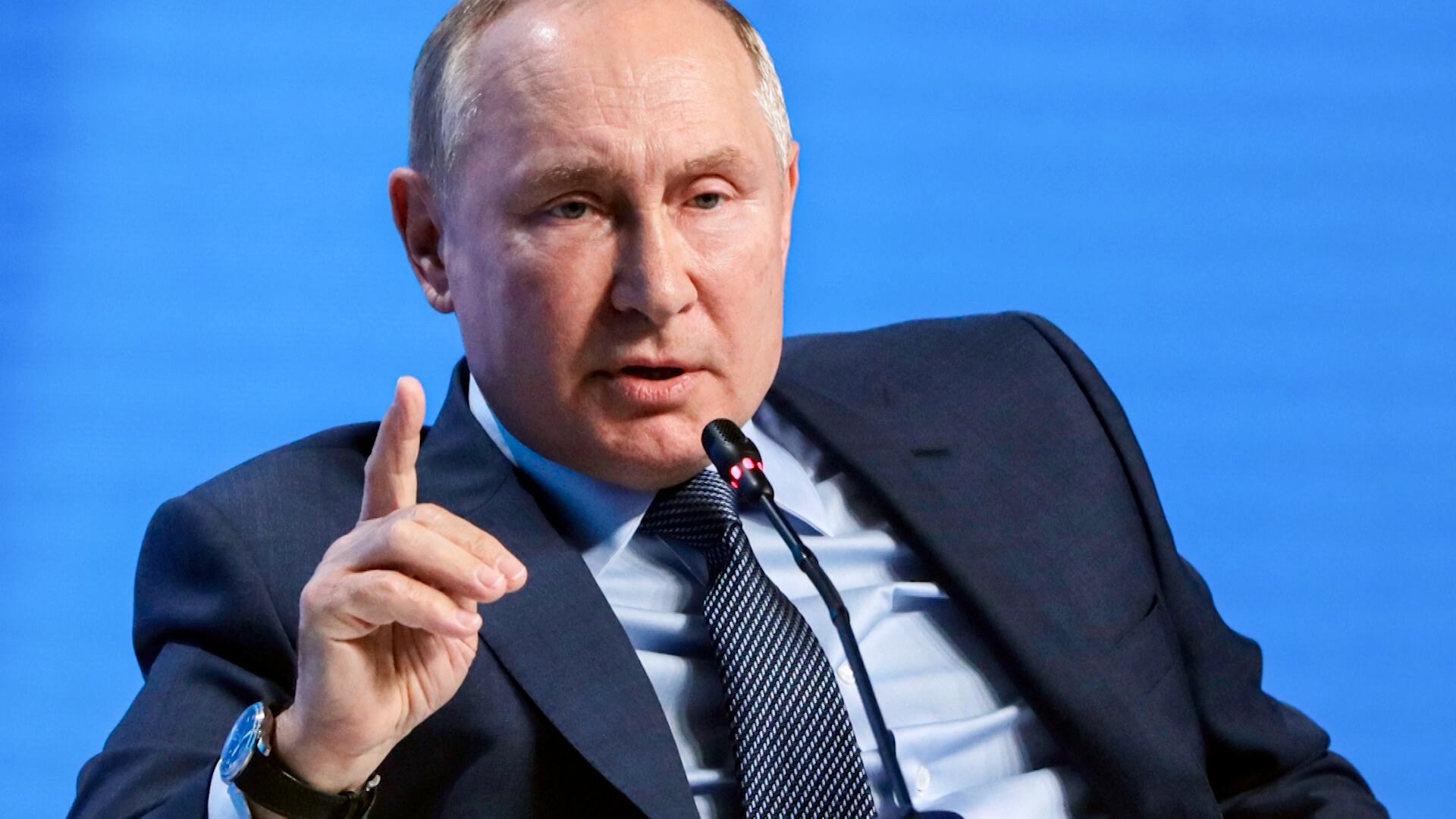
Alex Ward, National Security Reporter at Politico, joined Wake Up With Cheddar to discuss the latest in a looming international threat as Russia continues aggression against Ukraine, in defiance of Western nations.
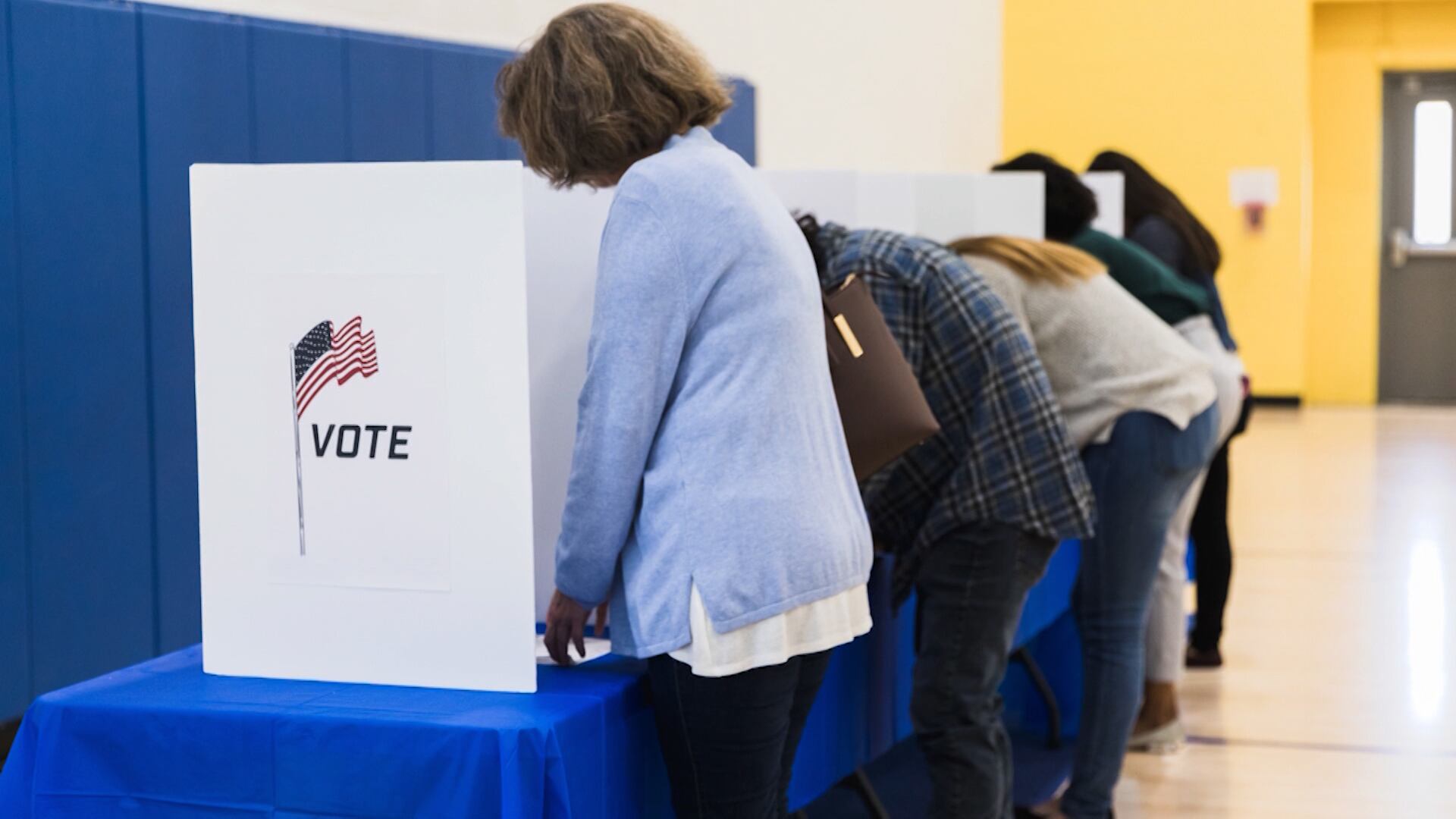
The recent Virginia and New Jersey elections are making one trend line pretty clear: voters in this climate will vote on education, and it could be a winning tactic for Republicans.
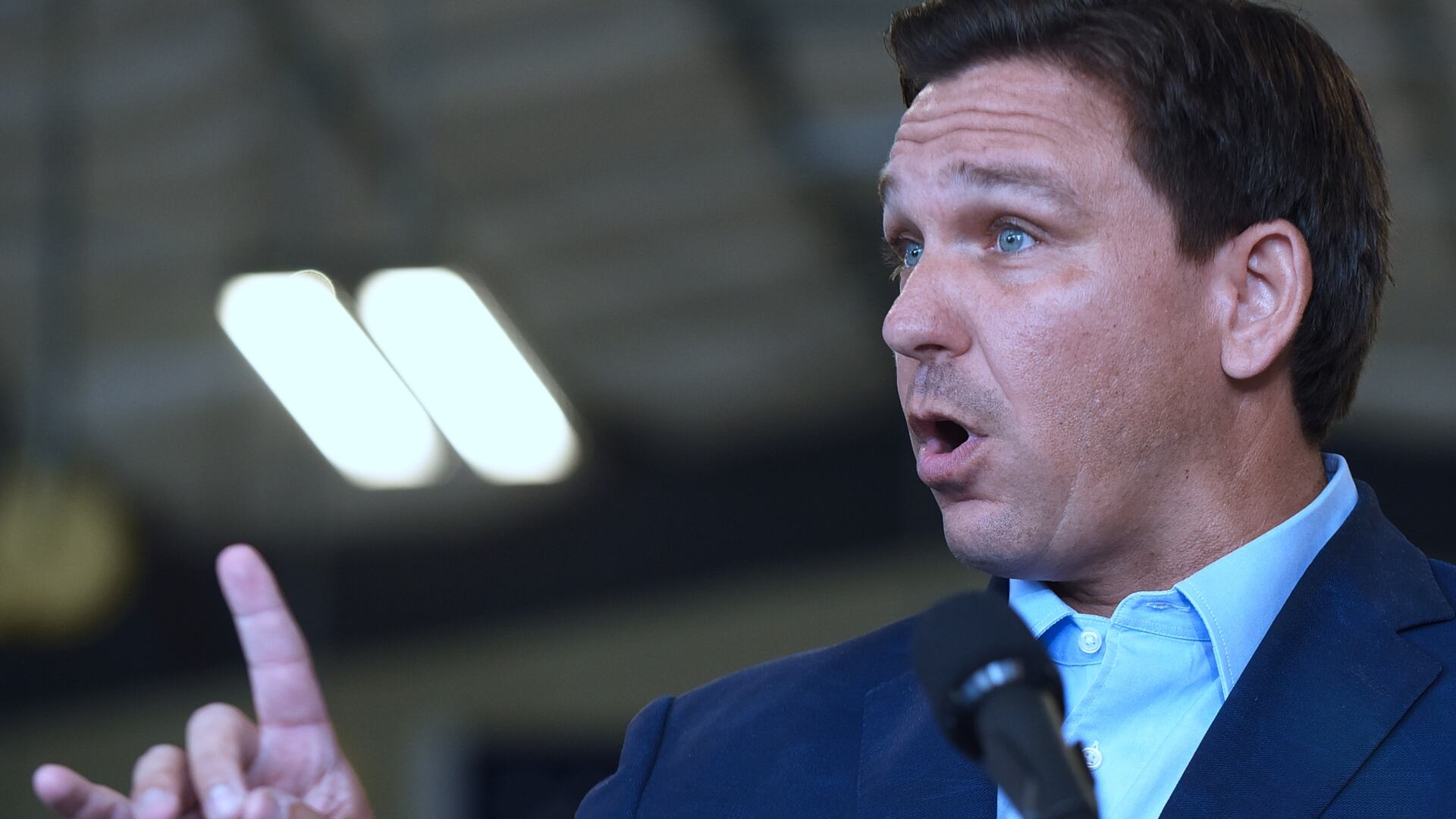
Virginia's race for governor was defined by, as the Republican candidate and eventual winner described it, "school-choice." Florida Governor Ron DeSantis is taking a page out of Governor Youngkin's playbook for his upcoming reelection bid, over-indexing on themes of education. John Kennedy, Florida capital reporter at Gannett, joins Cheddar News to discuss.
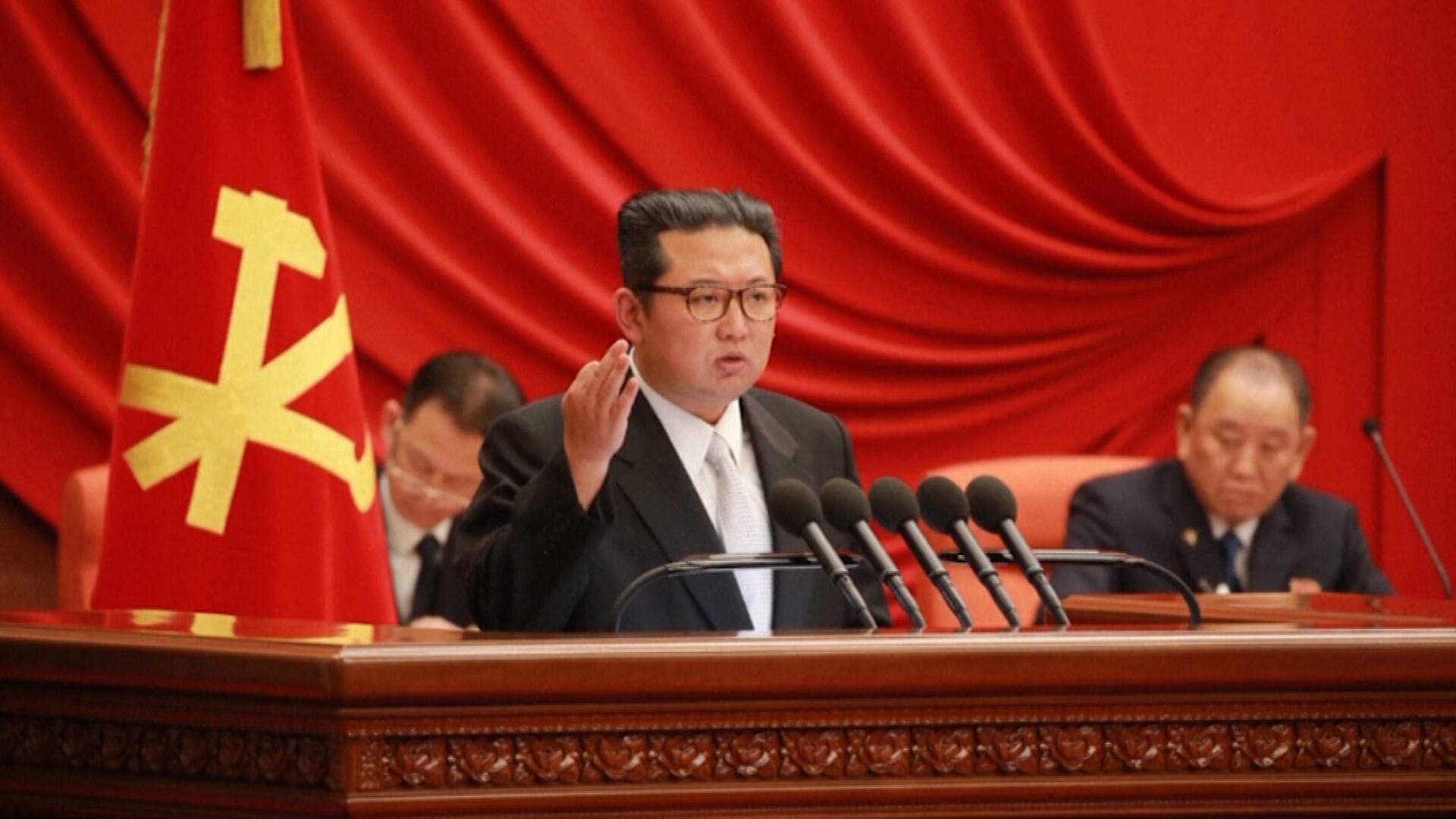
North Korea launched its sixth missile test this month, equaling the total number performed in all of 2021. Cheddar News speaks with Bruce Klinger of the Heritage Foundation on why the regime is suddenly ramping up its weapons testing program.
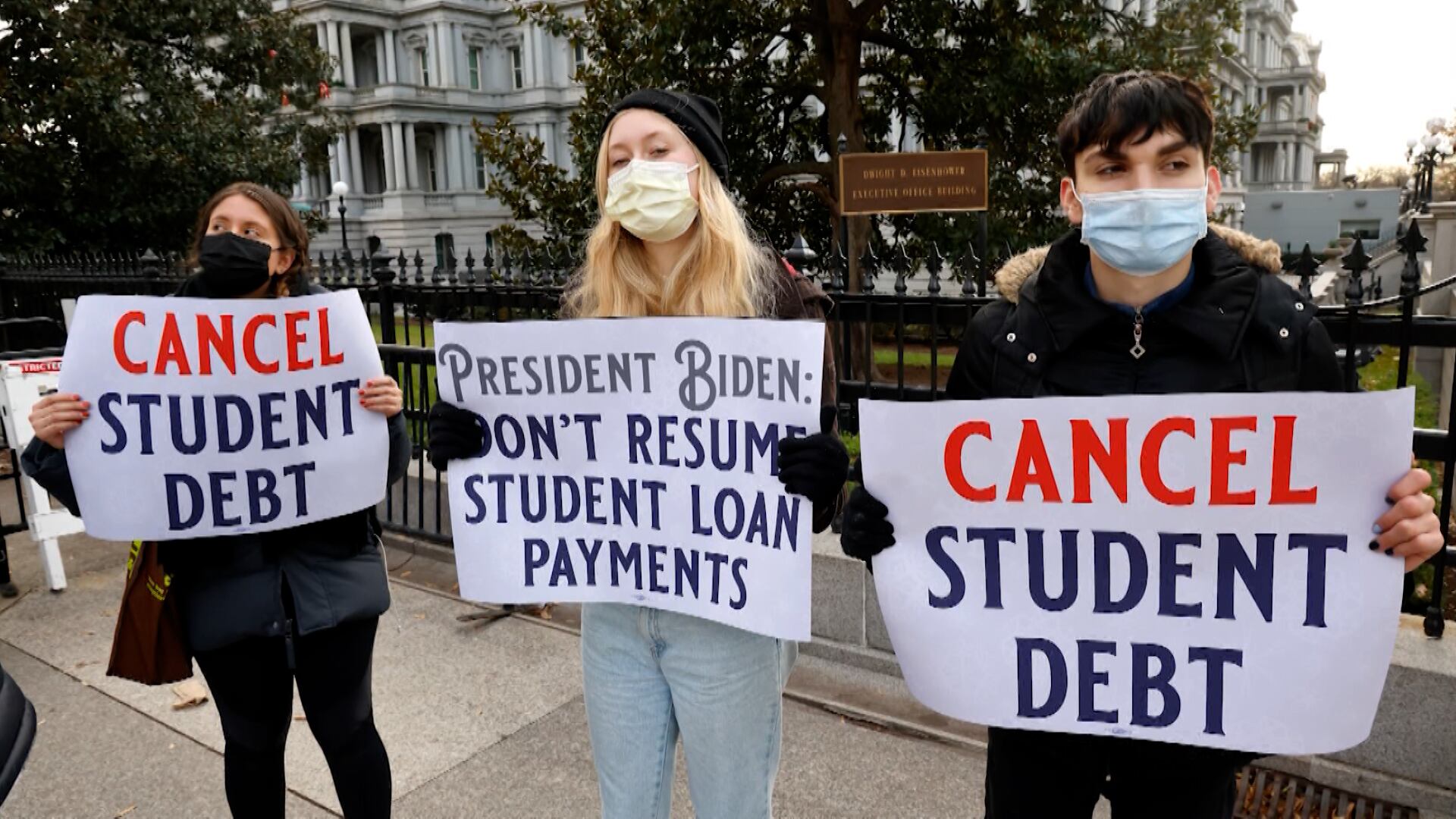
More than 80 lawmakers are calling for President Biden to release a memo outlining the legal pros and cons regarding the president's authority to cancel student loan debt, the total of which sits around $1.75 trillion. Senator Tina Smith (D-Minn.), joined Cheddar to discuss the memo and support the push to forgive student debt that could potentially have a massive positive impact on the U.S. economy. "I think that would be really helpful for all of us to be able to see as we figure out how we can go forward," she said. "It seems like a simple thing to do, and I hope that the administration will release this memo." For her part, Sen. Smith said she believes the president does have the authority to abolish student loan debt.
Dr. Celeste González de Bustamante, professor and director of the Center for Border and Global Journalism at the Univerity of Arizona, and Dr. Jeannine E. Relly, professor and director of Global Initiatives at the Center for Border and Global Journalism at the University of Arizona, join Cheddar News to discuss the recent journalist killings in Mexico.
Joe Kennedy III, a former congressman and co-founder of Give Us the Ballot, joined Cheddar News to discuss voting protections in the United States and how his campaign is aiming to fix the issue of voter suppression. "Yes, redistricting is critical — Give Us the Ballot though recognizes it's 'redistricting, and —', because voting rights has an implication for every single election at every single level: school board, mayor, city council, House of Representatives, Senate, president," he said. Kennedy also gave his thoughts about the retirement of Justice Stephen Breyer.