*By Conor White*
Android and iPhone users looking for a way to hide from Google are in luck: it's possible to stop the tech giant's apps, including Google Maps, from tracking a device's whereabouts.
The Associated Press [reported](https://www.apnews.com/828aefab64d4411bac257a07c1af0ecb/AP-Exclusive:-Google-tracks-your-movements,-like-it-or-not) that Google was storing users' location and browsing data even after many people believed they had opted not to share that information by turning off "location history."
By doing some digging, Emily Dreyfuss, a senior writer at Wired, found [a solution](https://www.wired.com/story/google-location-tracking-turn-off/), if you have the patience to navigate the innermost settings pages of your Google apps.
* Open a browser to access your Google account settings.
* The setting is buried under "personal information."
* Go to your activity log and look for "Web and App Activity."
* Turn the setting off.
Dreyfuss said in an interview with Cheddar that users would still be able to use location-based apps like Lyft and Uber, but Google won't be able to track and store information about where the device has been.
"You can still have location on, on your iPhone or your Android, as long as in your Google account settings you have turned off 'Web and Activity Tracking,'" she said.
Recent revelations about the ways in which Facebook, Google, and other technology companies track, store, and share users' personal data has increased consumers' desire to safeguard their privacy. Dreyfuss said that concern led to the latest discovery about Google's methods.
"We all have this sense that we don't know when our location is being used or why," she said. "That's what was so creepy about this, even when we thought that we had turned it off, this is confirmation that we're not as in control as we thought."
For full interview, [click here] (https://cms.cheddar.com/videos/VmlkZW8tMjIwNDk=).
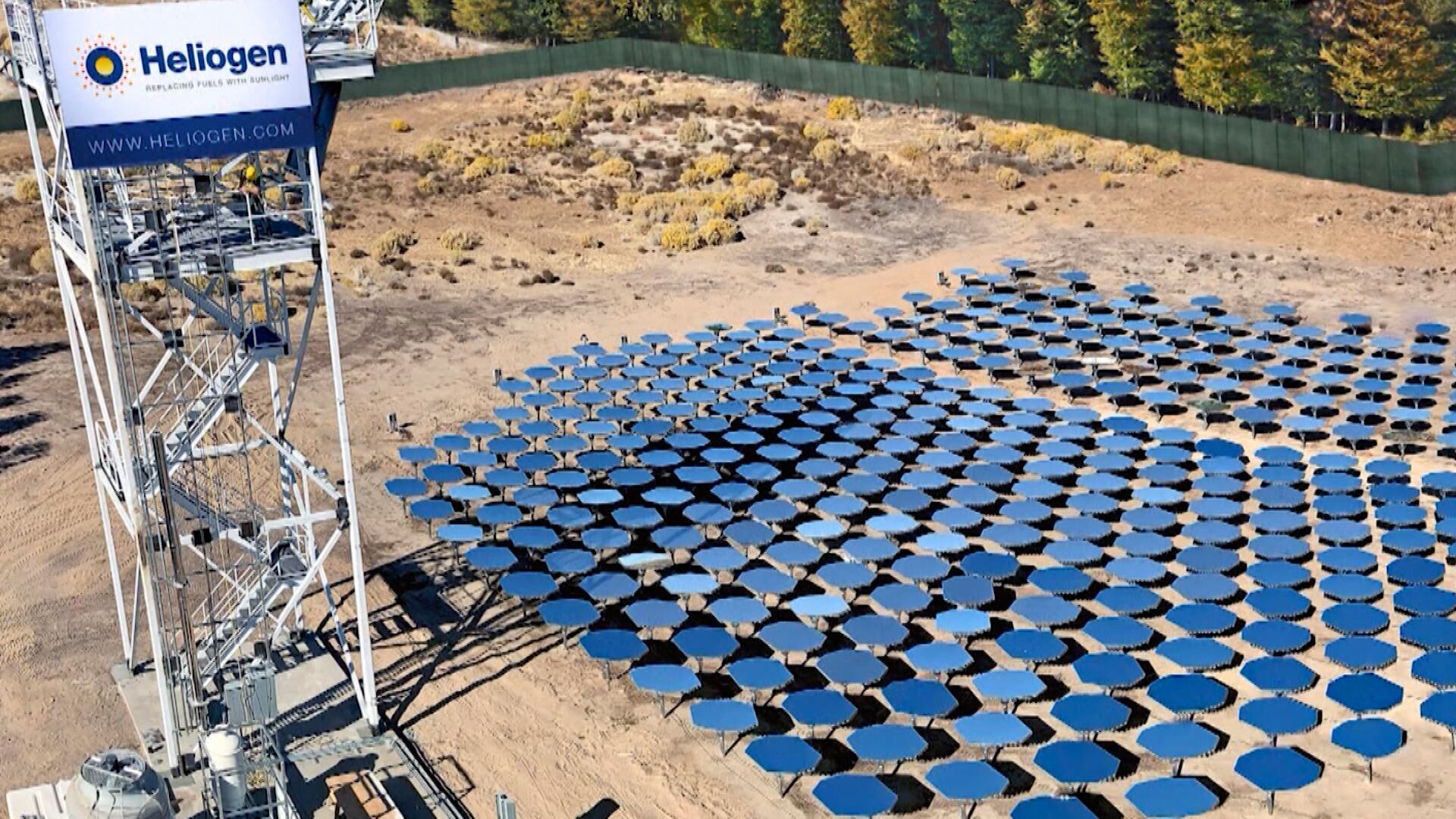
Renewable energy company Heliogen has gone public via a SPAC merger with blank check company Athena Technology Acquisition Corp. on the NYSE. Joining Cheddar, founder and CEO Bill Gross went into why he felt the end of 2021 was the best time to get into the public markets. "If you think of the Industrial Revolution and the digital revolution, this renewable revolution is probably going to be as big or larger than that," he said. "So we're going to use this capital to scale our business, to meet more customer demand, to do more projects in parallel, and to scale our research and development to continue to drive down the price to be competitive with fossil fuels."
Carl "The Moon" Runefelt, a Bitcoin investment expert, recently made a hefty purchase of a $2 million Bugatti sports car at a Dubai dealership. The Swedish crypto evangelist joined Cheddar to talk about how he made the big acquisition of a luxury item he had long had his eye on and why he chose the dealership, The Car Vault, to make the unprecedented transaction. "They accepted crypto directly, and that was important to me," he said. "I am not going to go to any car dealership that don't accept crypto, and that's kind of a principle I have today."
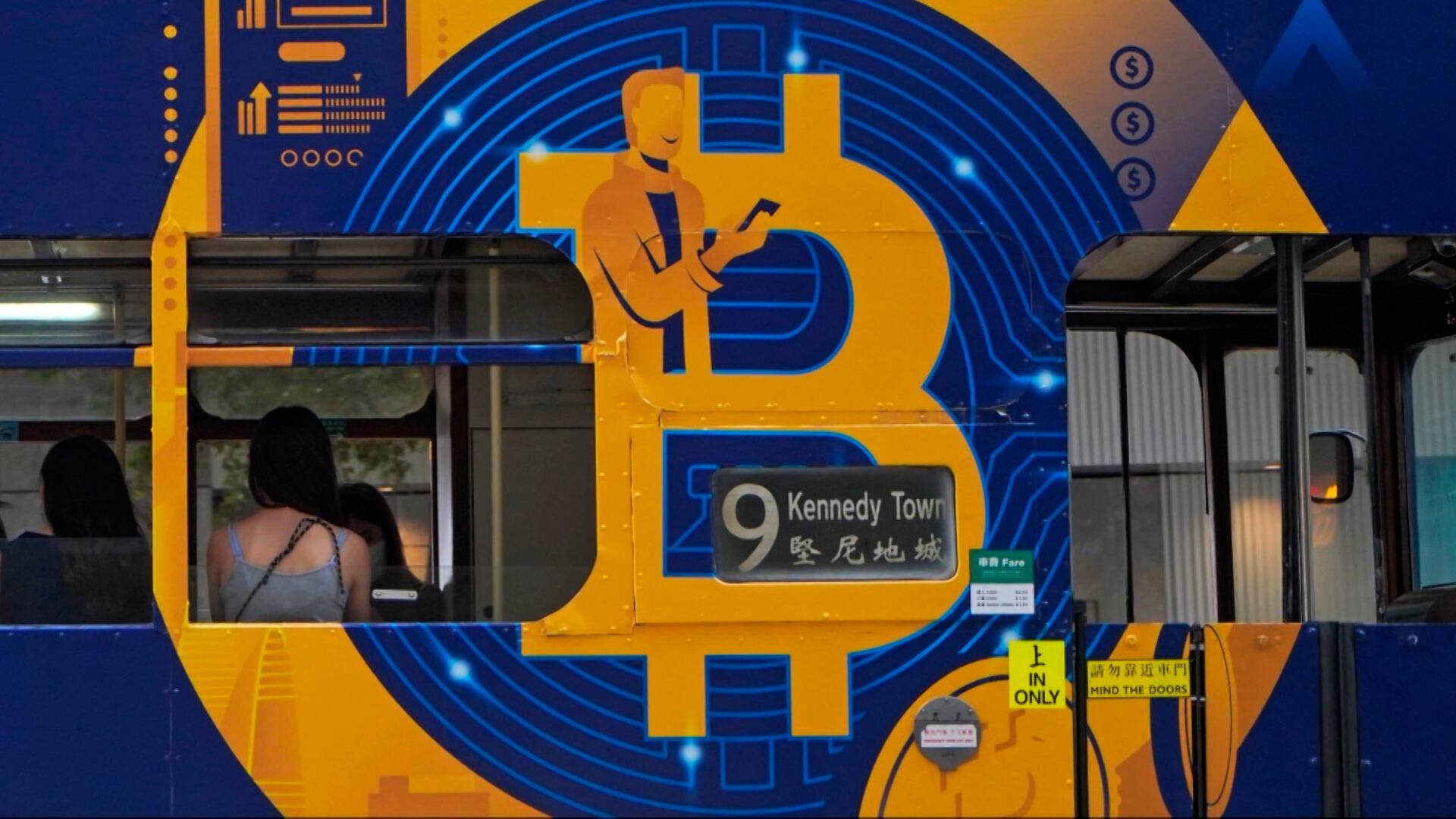
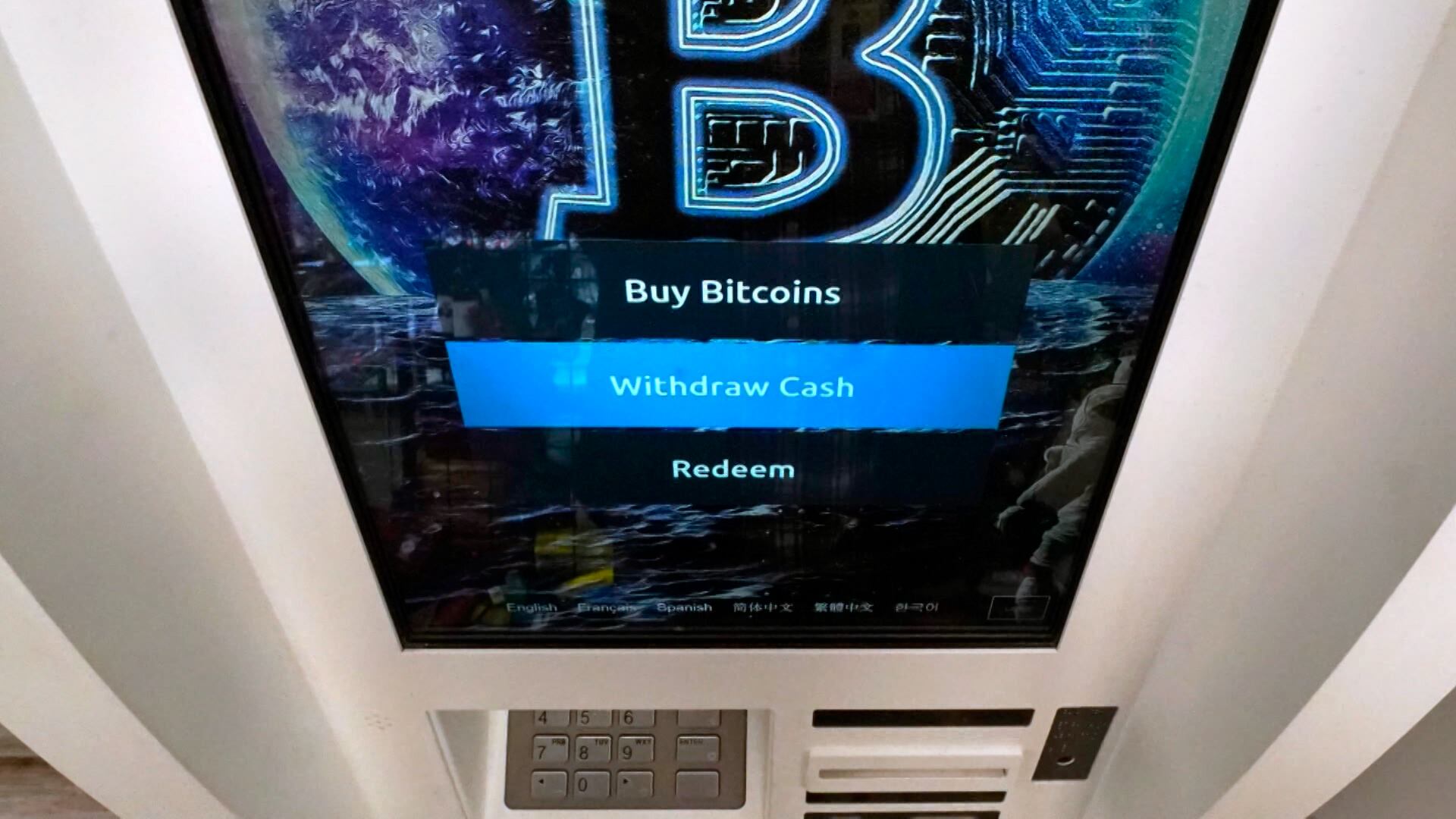
2021 proved that crypto currency is here to stay. This year saw more and more adoptions of crypto, from top athletes looking to be paid in bitcoin, to Elon Musk even experimenting with bitcoin and dogecoin payments for a bit over at Tesla. And it wasn't all bitcoin either - other cryptos like Cardano and Solana saw some action in 2021 as well. Patrick McConlogue, CEO of Overline and former Citadel Investment Group Engineer explains why 2021 was such a good year for crypto, and what to expect in 2022.