*By Conor White*
Android and iPhone users looking for a way to hide from Google are in luck: it's possible to stop the tech giant's apps, including Google Maps, from tracking a device's whereabouts.
The Associated Press [reported](https://www.apnews.com/828aefab64d4411bac257a07c1af0ecb/AP-Exclusive:-Google-tracks-your-movements,-like-it-or-not) that Google was storing users' location and browsing data even after many people believed they had opted not to share that information by turning off "location history."
By doing some digging, Emily Dreyfuss, a senior writer at Wired, found [a solution](https://www.wired.com/story/google-location-tracking-turn-off/), if you have the patience to navigate the innermost settings pages of your Google apps.
* Open a browser to access your Google account settings.
* The setting is buried under "personal information."
* Go to your activity log and look for "Web and App Activity."
* Turn the setting off.
Dreyfuss said in an interview with Cheddar that users would still be able to use location-based apps like Lyft and Uber, but Google won't be able to track and store information about where the device has been.
"You can still have location on, on your iPhone or your Android, as long as in your Google account settings you have turned off 'Web and Activity Tracking,'" she said.
Recent revelations about the ways in which Facebook, Google, and other technology companies track, store, and share users' personal data has increased consumers' desire to safeguard their privacy. Dreyfuss said that concern led to the latest discovery about Google's methods.
"We all have this sense that we don't know when our location is being used or why," she said. "That's what was so creepy about this, even when we thought that we had turned it off, this is confirmation that we're not as in control as we thought."
For full interview, [click here] (https://cms.cheddar.com/videos/VmlkZW8tMjIwNDk=).
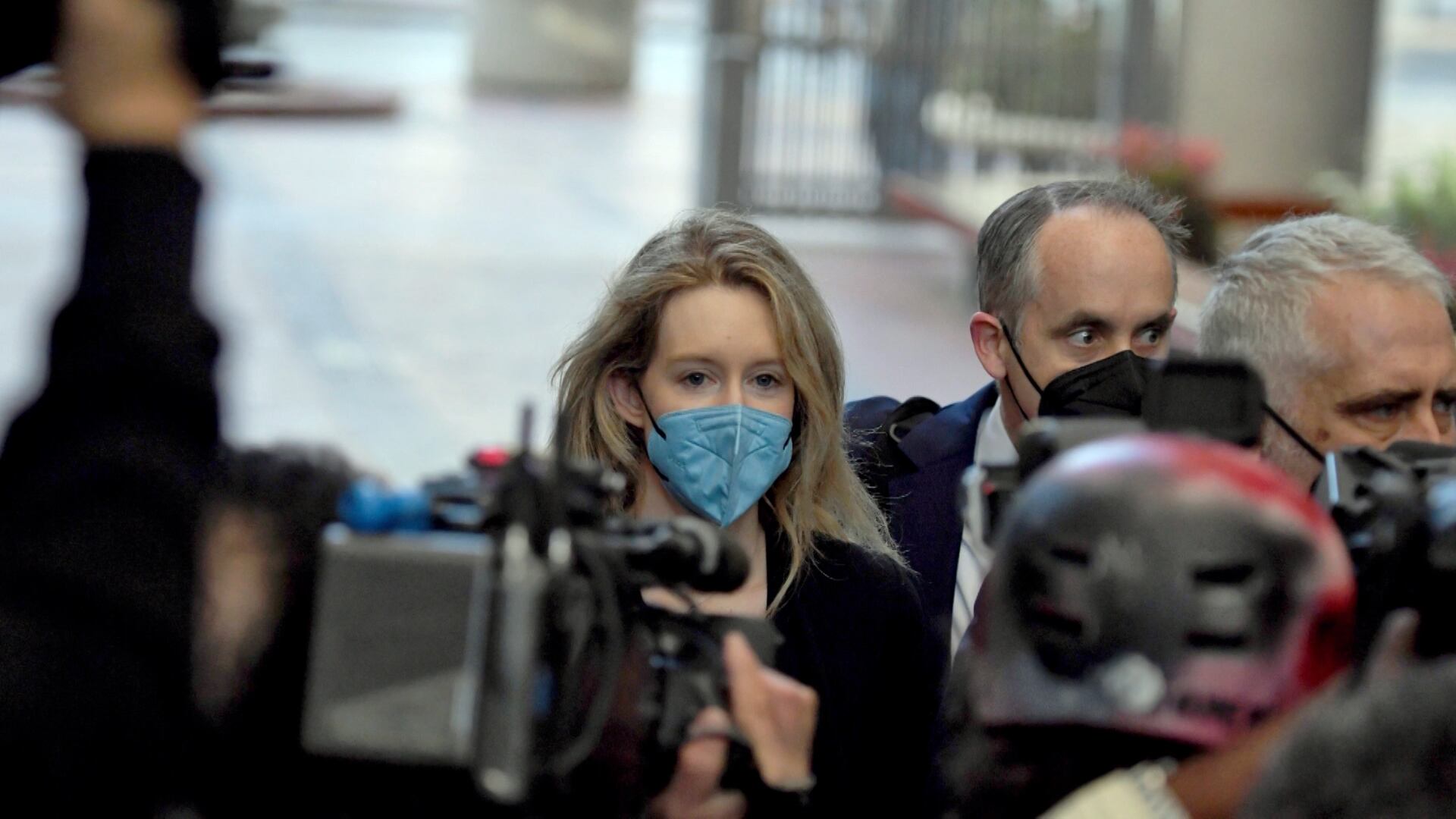
The six-month trial of Theranos founder Elizabeth Holmes has come to an end with the former tech startup star found guilty of four out of 11 counts of fraud. Michael S. Weinstein, Esq, chair of the white collar criminal defense practice at Cole Schotz, and former Department of Justice trial attorney, joined Cheddar News Wrap to discuss what happens next for the former mogul. "Do I think it's going to be more than five or seven years? Probably yes. I think that's probably a fair range at this point," he said about her potential prison sentence.
Elon Musk continues on his path to make a reusable rocket with his starship project, but it's not going to be easy. If successful, the rocket would heavily reduce launch costs, in addition to further developing Starlink, Musk’s satellite-based internet service. Rick Tumlinson, founding partner at Space Fund, spoke to Cheddar News about the future of SpaceX.
We are just one day away from what has been called the most influential tech event in the world. CES 2022 will officially kick off on Wednesday in Las Vegas, but the annual tech summit is being impacted by COVID-19, like so many other recent events. The Consumer Technology Association originally planned for a hybrid event to take place from January 5-8, with some in-person events and some virtual; however, a few big-name companies announced they will not be attending in-person, so the CTA decided to shorten the event by one day, with it now ending on Friday. Consumer electronics senior analyst Will Greenwald joins Cheddar News' Closing Bell to discuss.
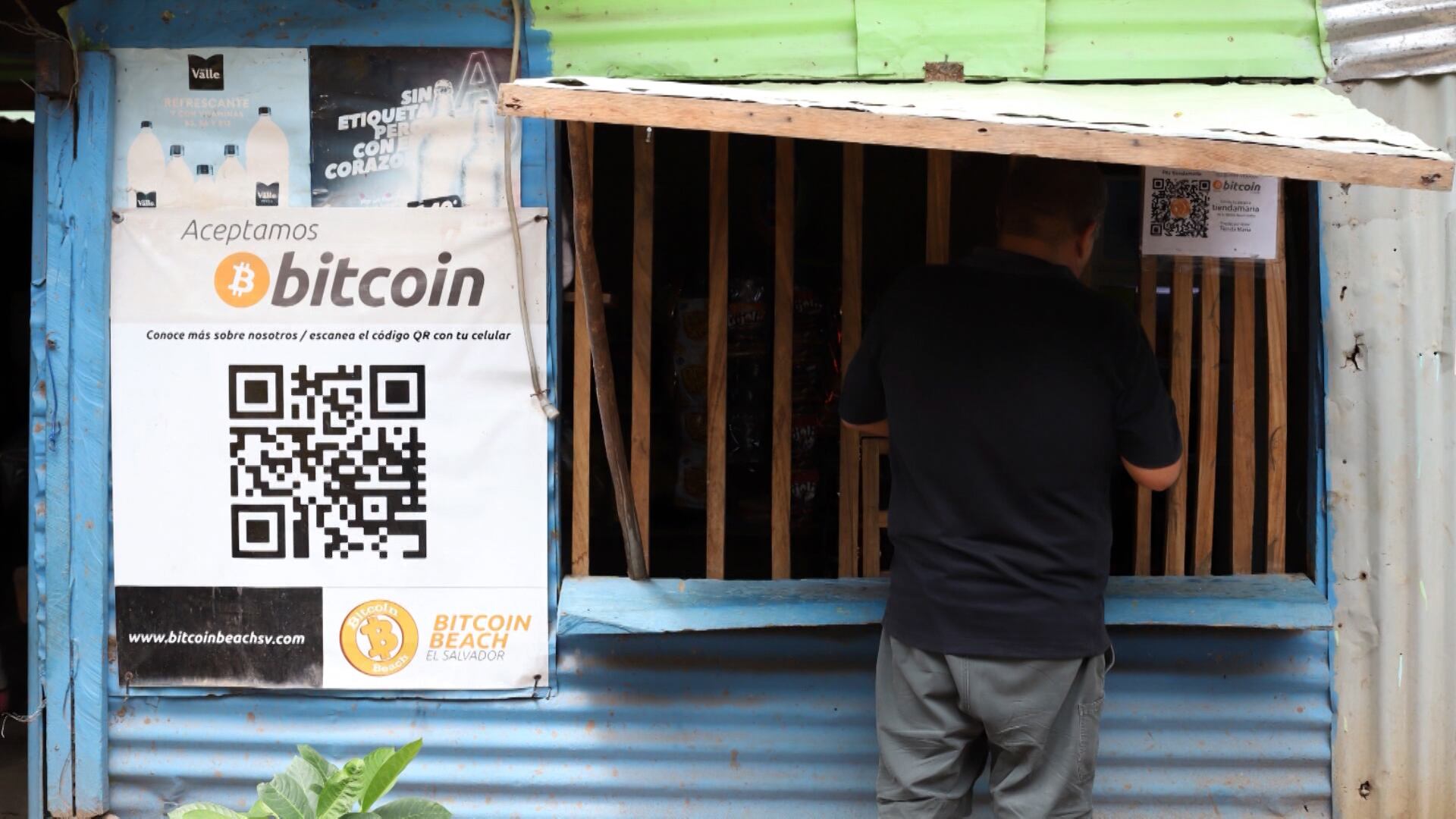
Harry Yeh, Managing Director at Quantum Fintech Group, joins Cheddar News' Closing Bell, where he explains why his firm has a target estimate of $400,000 for Bitcoin this year.
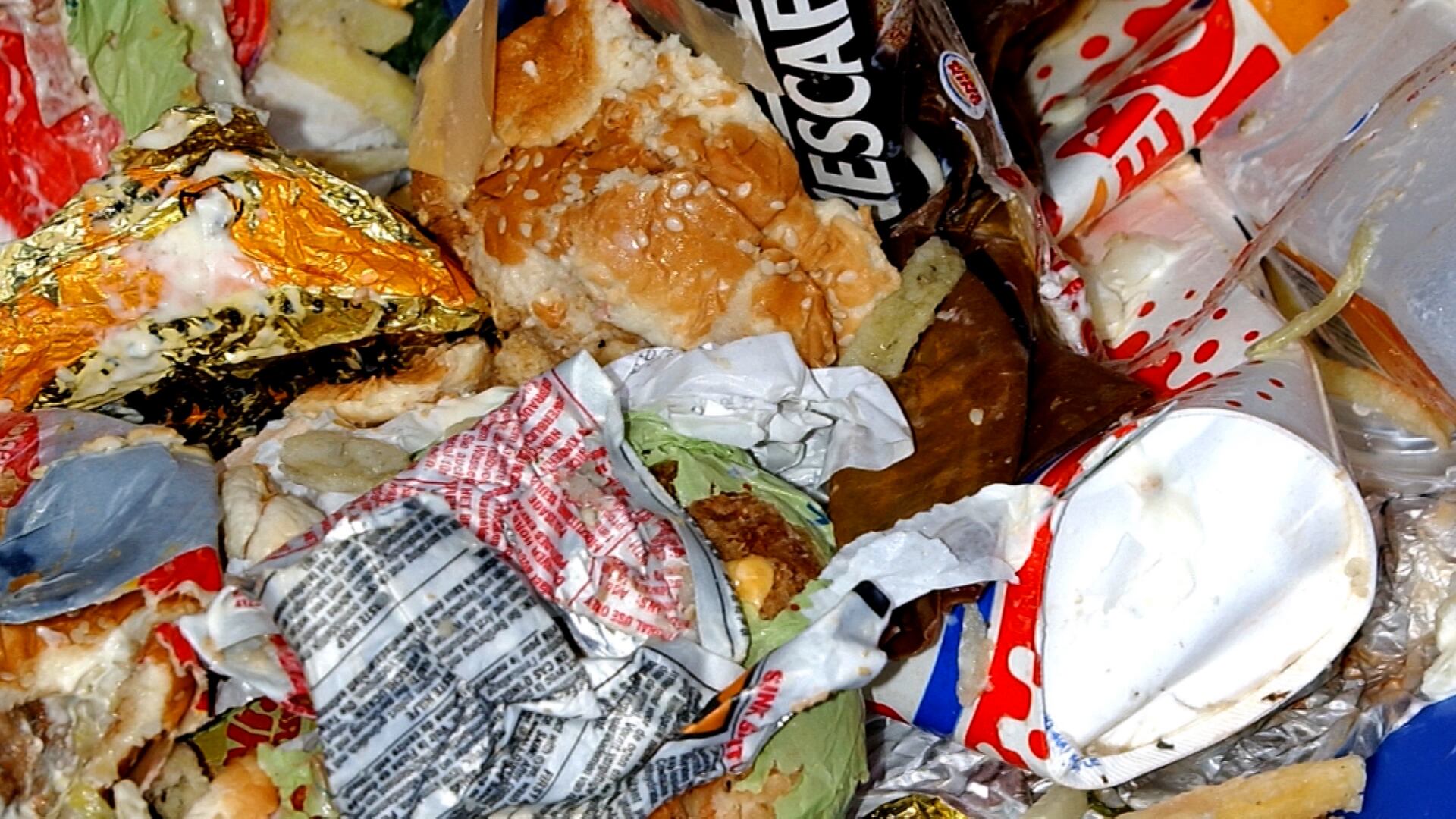
California's new composting law will affect what residents do in their kitchens. As of this week, Californians will have to recycle excess food in an effort to reduce emissions caused by food waste. Cities and counties will turn recycled food into compost or use it as a renewable energy source. California's new law is the largest mandatory residential food waste recycling program in the country. Rachel Wagoner, Director of the California Department of Resources, Recycling and Recovery called the law 'the biggest change to trash' since recycling started in the 1980s. She joined Cheddar Climate to discuss.
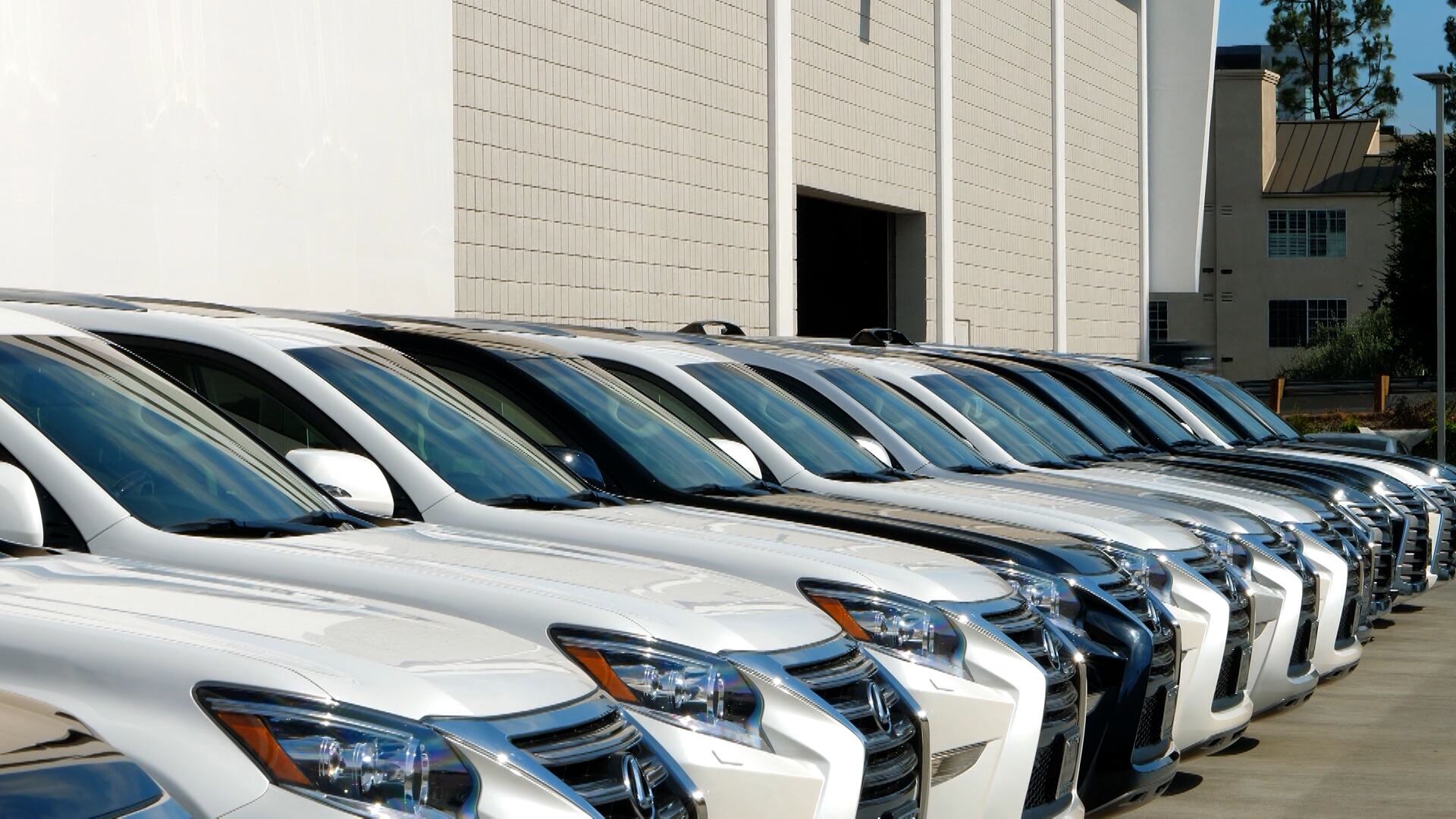
Like the big changeover to e-commerce for retail, the COVID-19 pandemic has moved car buying trends to the digital showroom. Karl Brauer, an executive analyst at iSeeCars.com, joined Cheddar to talk about the "mindset shift" in consumers and businesses to order-based systems in the United States (something more common in other countries). While more than 60 percent of consumers still prefer to visit dealerships in-person, Brauer noted that consumers are better off ordering a car to spec, which would also help improve supply constraints. "It's really bad right now to be building cars and not really knowing who's going to buy them or when they're going to sell," he said. Manufacturing a car to order would maximize the efficiency of obtaining materials through the supply chain rather than "shotgunning it" at dealerships.