*By Conor White*
Android and iPhone users looking for a way to hide from Google are in luck: it's possible to stop the tech giant's apps, including Google Maps, from tracking a device's whereabouts.
The Associated Press [reported](https://www.apnews.com/828aefab64d4411bac257a07c1af0ecb/AP-Exclusive:-Google-tracks-your-movements,-like-it-or-not) that Google was storing users' location and browsing data even after many people believed they had opted not to share that information by turning off "location history."
By doing some digging, Emily Dreyfuss, a senior writer at Wired, found [a solution](https://www.wired.com/story/google-location-tracking-turn-off/), if you have the patience to navigate the innermost settings pages of your Google apps.
* Open a browser to access your Google account settings.
* The setting is buried under "personal information."
* Go to your activity log and look for "Web and App Activity."
* Turn the setting off.
Dreyfuss said in an interview with Cheddar that users would still be able to use location-based apps like Lyft and Uber, but Google won't be able to track and store information about where the device has been.
"You can still have location on, on your iPhone or your Android, as long as in your Google account settings you have turned off 'Web and Activity Tracking,'" she said.
Recent revelations about the ways in which Facebook, Google, and other technology companies track, store, and share users' personal data has increased consumers' desire to safeguard their privacy. Dreyfuss said that concern led to the latest discovery about Google's methods.
"We all have this sense that we don't know when our location is being used or why," she said. "That's what was so creepy about this, even when we thought that we had turned it off, this is confirmation that we're not as in control as we thought."
For full interview, [click here] (https://cms.cheddar.com/videos/VmlkZW8tMjIwNDk=).
Facebook parent Meta’s miss on Q4 earnings raised alarm bells amongst investors. The tech giant lost users for the first time as it invests a lot into the metaverse, its virtual realm, in the hopes that consumers will move their social media consumption there. The stock dropped around 25 percent on the report, and CEO Mark Zuckerberg chalked it up to people flocking toward apps like TikTok, even as his own platform attempts to make a big pivot to the metaverse future. "It's gonna take a long time to develop and it's gonna take a long time to bring to fruition," Rebecca Walser, president of Walser Wealth Management told Cheddar. "In the meantime, the world is moving on. We have a very short attention span, especially on social media, and we want the short little videos. And Tiktok has just taken off."
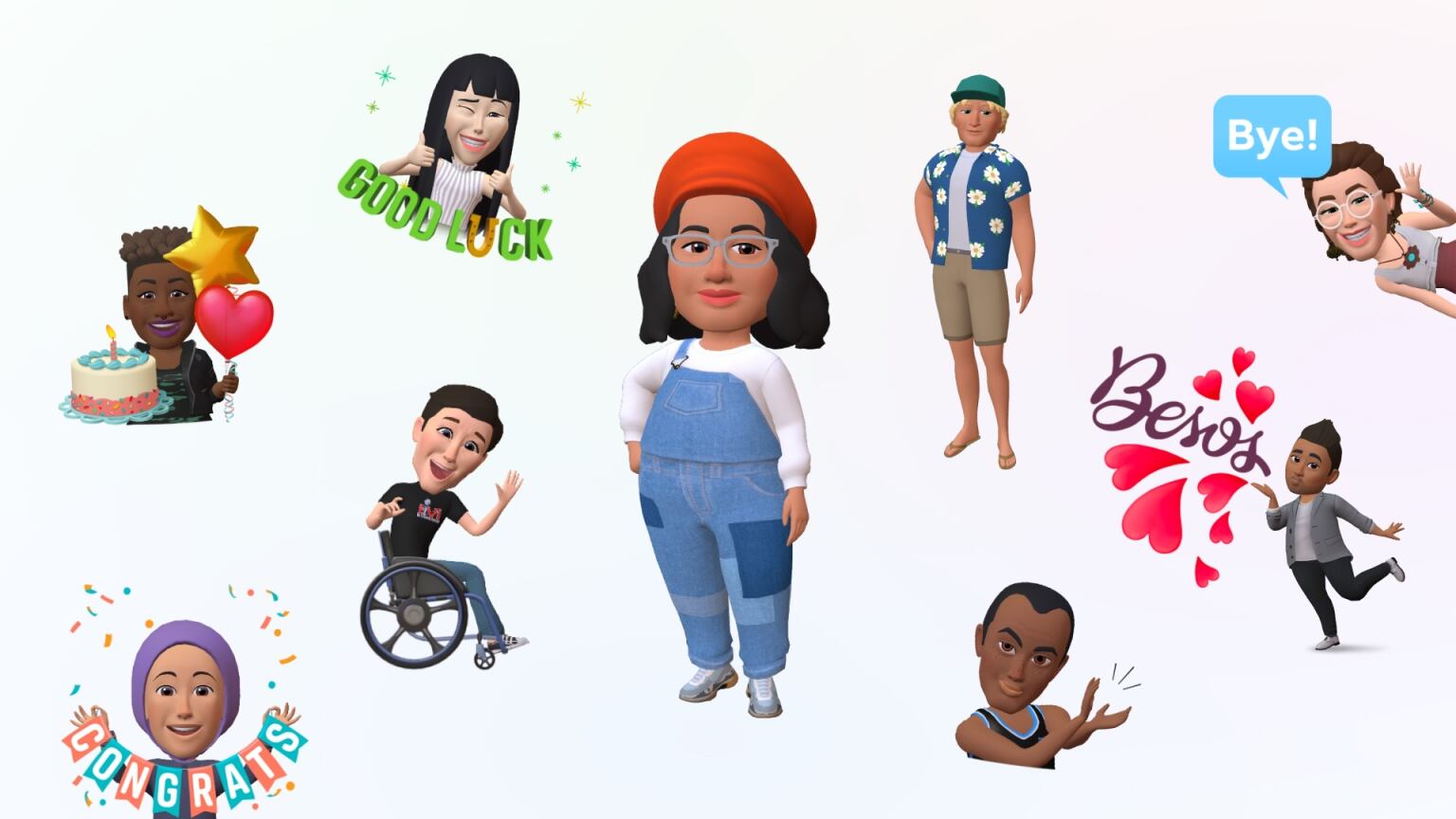
Just this week, Facebook's parent company Meta released an update for its 3D avatar creation on Facebook and messenger. This update is encouraging users of Instagram to create their virtual selves, and it is an early step towards making the metaverse vision a reality. David Ewalt, editor-in-chief at Gizmodo joins Cheddar News to discuss.
Ed Butowsky, managing partner at Chapwood Investments, joined Wake Up With Cheddar to break down the disappointing takeaways from Spotify's Q4 earnings report, which sent the stock plunging.
Google parent company Alphabet saw yet another successful quarter reporting its final earnings report for 2021 on Tuesday. The tech giant beat Wall Street expectations across the board with much of that success owed to not only the growth of its cloud business, but also its multi-platform advertising. Joanna O'Connell, Principal Analyst at Forrester explains why advertising may be one of the keys to Alphabet’s future success.
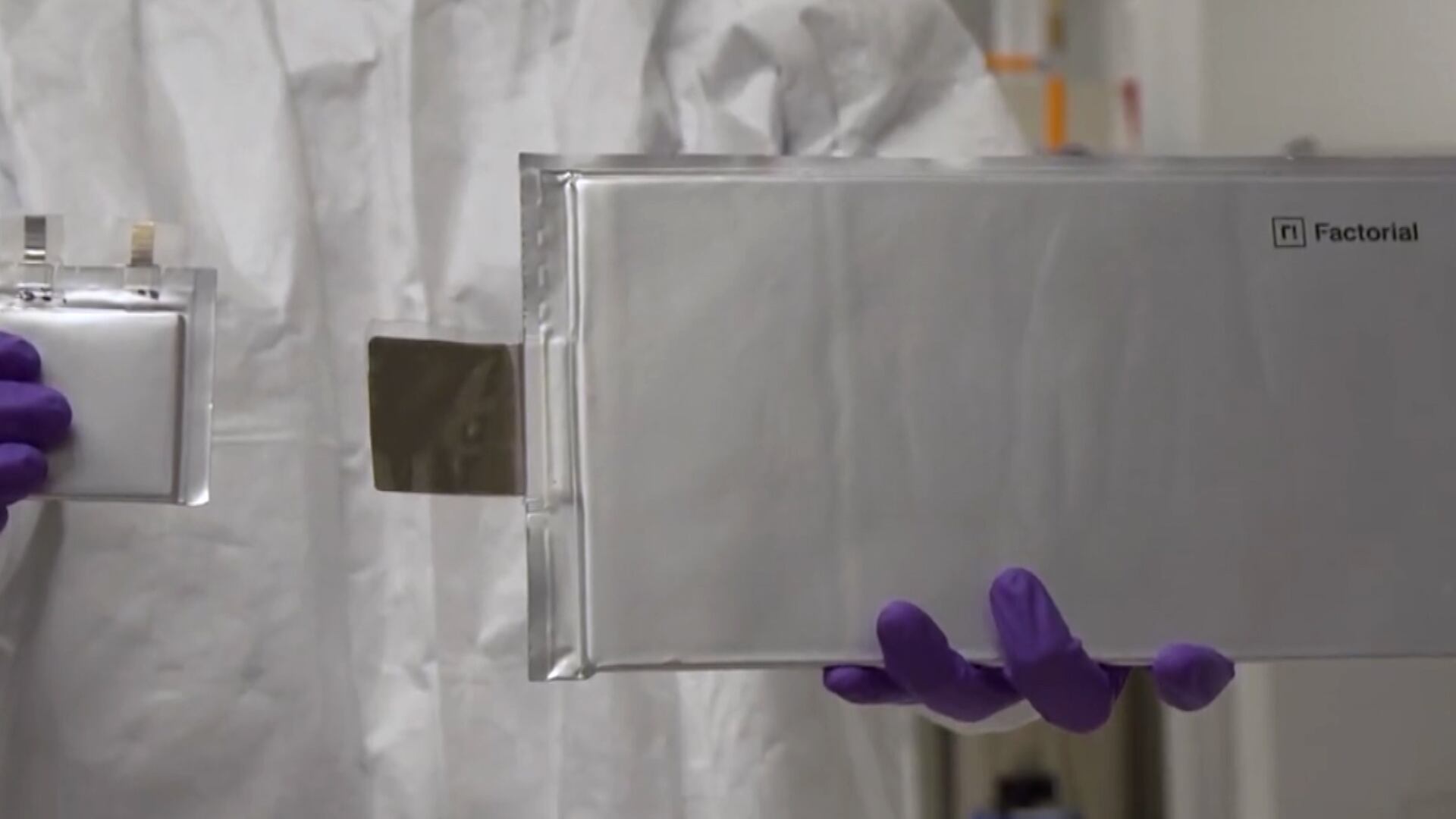
Solid-state battery maker Factorial Energy recently raised $200 million in a Series D round led by Mercedes-Benz and Stellantis. Factorial says the funding will be used to accelerate commercial production and deployment of its solid-state battery technology, which the company says is safer, and offers up to 50% more driving range than current lithium-ion technology. Factorial also has joint development agreements (announced in late 2021) with Mercedes-Benz, Stellantis, and Hyundai, three of the top 10 global automotive manufacturers, to commercialize its batteries. Factorial CEO Siyu Huang joined Cheddar News' Closing Bell to discuss.