*By Conor White*
Android and iPhone users looking for a way to hide from Google are in luck: it's possible to stop the tech giant's apps, including Google Maps, from tracking a device's whereabouts.
The Associated Press [reported](https://www.apnews.com/828aefab64d4411bac257a07c1af0ecb/AP-Exclusive:-Google-tracks-your-movements,-like-it-or-not) that Google was storing users' location and browsing data even after many people believed they had opted not to share that information by turning off "location history."
By doing some digging, Emily Dreyfuss, a senior writer at Wired, found [a solution](https://www.wired.com/story/google-location-tracking-turn-off/), if you have the patience to navigate the innermost settings pages of your Google apps.
* Open a browser to access your Google account settings.
* The setting is buried under "personal information."
* Go to your activity log and look for "Web and App Activity."
* Turn the setting off.
Dreyfuss said in an interview with Cheddar that users would still be able to use location-based apps like Lyft and Uber, but Google won't be able to track and store information about where the device has been.
"You can still have location on, on your iPhone or your Android, as long as in your Google account settings you have turned off 'Web and Activity Tracking,'" she said.
Recent revelations about the ways in which Facebook, Google, and other technology companies track, store, and share users' personal data has increased consumers' desire to safeguard their privacy. Dreyfuss said that concern led to the latest discovery about Google's methods.
"We all have this sense that we don't know when our location is being used or why," she said. "That's what was so creepy about this, even when we thought that we had turned it off, this is confirmation that we're not as in control as we thought."
For full interview, [click here] (https://cms.cheddar.com/videos/VmlkZW8tMjIwNDk=).
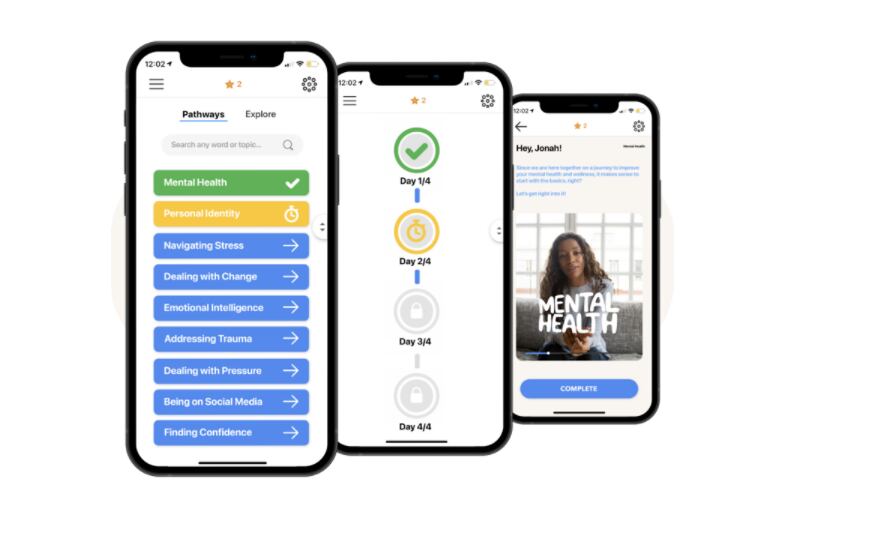
Two friends have joined forces to come up with an app dedicated to making mental health more approachable and to provide users with the tools needed to improve their mental health and overall well-being. Co-Founders of the Dial App Jonah Salita and Marcel Johnson, joined Cheddar to discuss more.
On this International Women’s Day, Deb Cupp, president of Microsoft U.S., joined Cheddar News to talk about the implementation of her pillars to extend the company's culture, such as acting with care and putting the team first. "What I like about the pillars is they're very simple, so it's easy for us to think about how they show up every day in our lives," Cupp said.
The growth of the metaverse is bringing new challenges to managing safe, diverse communities. Helping Cheddar kick off Women's History Month, Tiffany Xingyu Wang, chief marketing officer for AI-powered content moderation company Spectrum Labs, joined Cheddar's Opening Bell to discuss how platforms can help create safer, more inclusive online communities in the metaverse and about her own experience as a woman in technology. "Trust is really the new digital transformation, and it should not be a siloed task solely belonging to chief security officers, to privacy officers, or the people who were given the task of trust and safety," she said. "It should be a priority for all the C suite and a whole company to rally around."
On this episode of Cheddar Innovates: Vision Marine Technologies CEO discusses how e-boats will play a role in the fight against the climate crisis; Lasso CEO breaks down how the design behind these compression socks can prevent injuries and improve performance; Cheddar gets a look at Curiosity Stream's 'The Tombs Of Egypt.'
Catriona Campbell, CTIO, UK and Ireland, EY, joins Cheddar News to discuss how business leaders can bridge the gap between their technology investments and their aspirations, and breaks down the human aspects of A.I.