Web browser Opera recently added protection against Bitcoin mining in its software. Opera's Product Manager Maciej Kocemba explains ways people can protect themselves against these types of hacks.
"This is a pretty big deal because its not that difficult to include a crypto-jacking script on a site," said Kocemba. "Users visiting the site are even not aware that this is happening."
Kocemba explains that thousands of websites have mining scripts that can make your computer low battery, slow, and hot. Opera also launched a page so users can test to see if they've been a victim of this type of hack.
Rite Aid has been banned from using facial recognition technology for five years over allegations that a surveillance system it used incorrectly identified potential shoplifters, especially Black, Latino, Asian or female shoppers.
Tesla drivers in the U.S. were in more accidents than drivers of any other car brand this year, according to a study.
Hackers accessed Xfinity customers’ personal information by exploiting a vulnerability in software used by the company, the Comcast-owned telecommunications business announced this week.
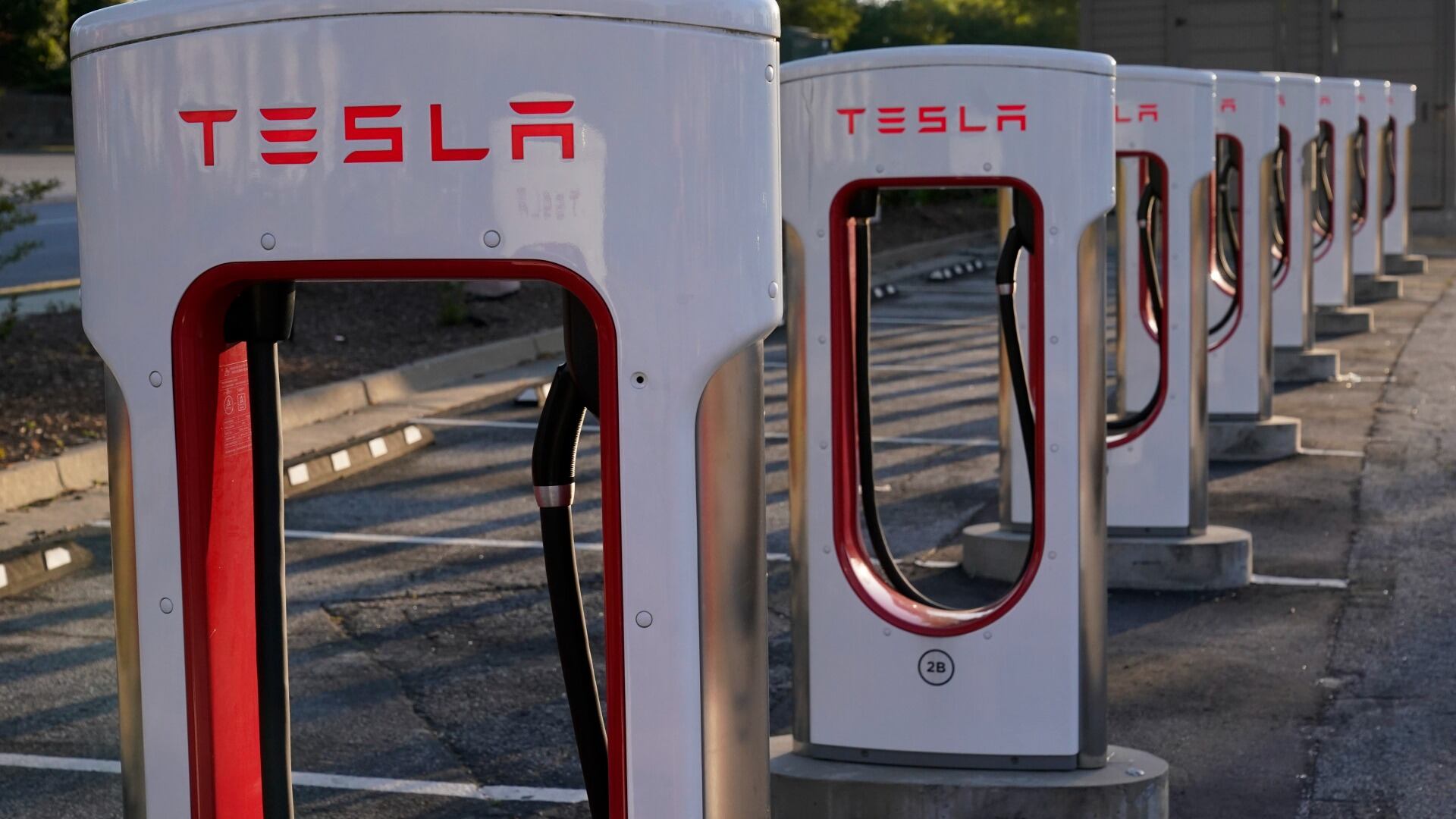
The White House is lending its support to an auto industry effort to standardize Tesla’s electric vehicle charging plugs for all EVs in the United States.
A group representing several big tech companies is suing Utah over state laws about children's social media use.
A new study published in the journal Behavior and Information Technology reveals less time on social media makes people happier and more efficient at work.
Google has agreed to pay $700 million to settle an anti-trust settlement.
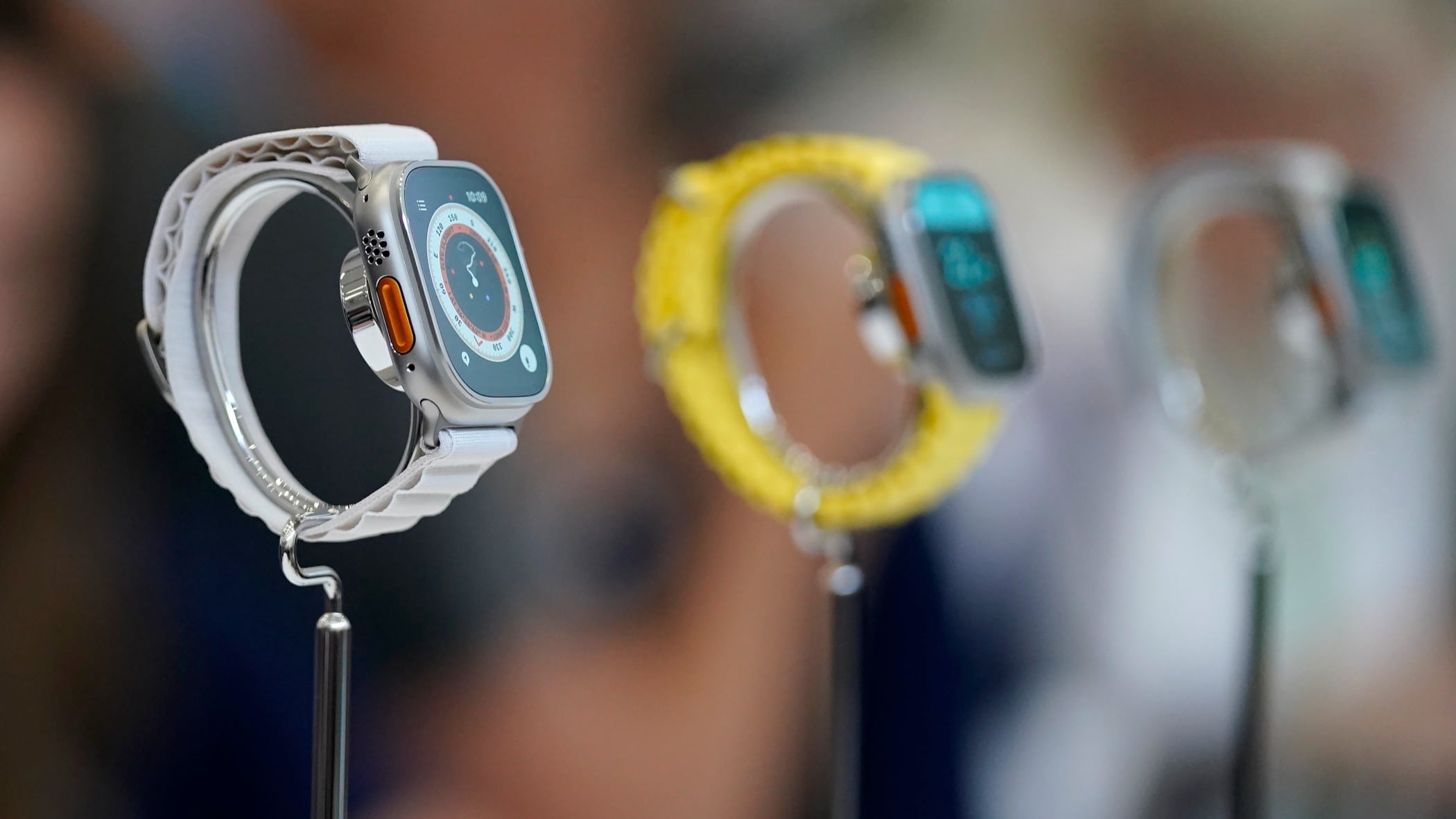
Apple announced that starting this week, it will stop selling some versions of the Apple watch in the U.S.
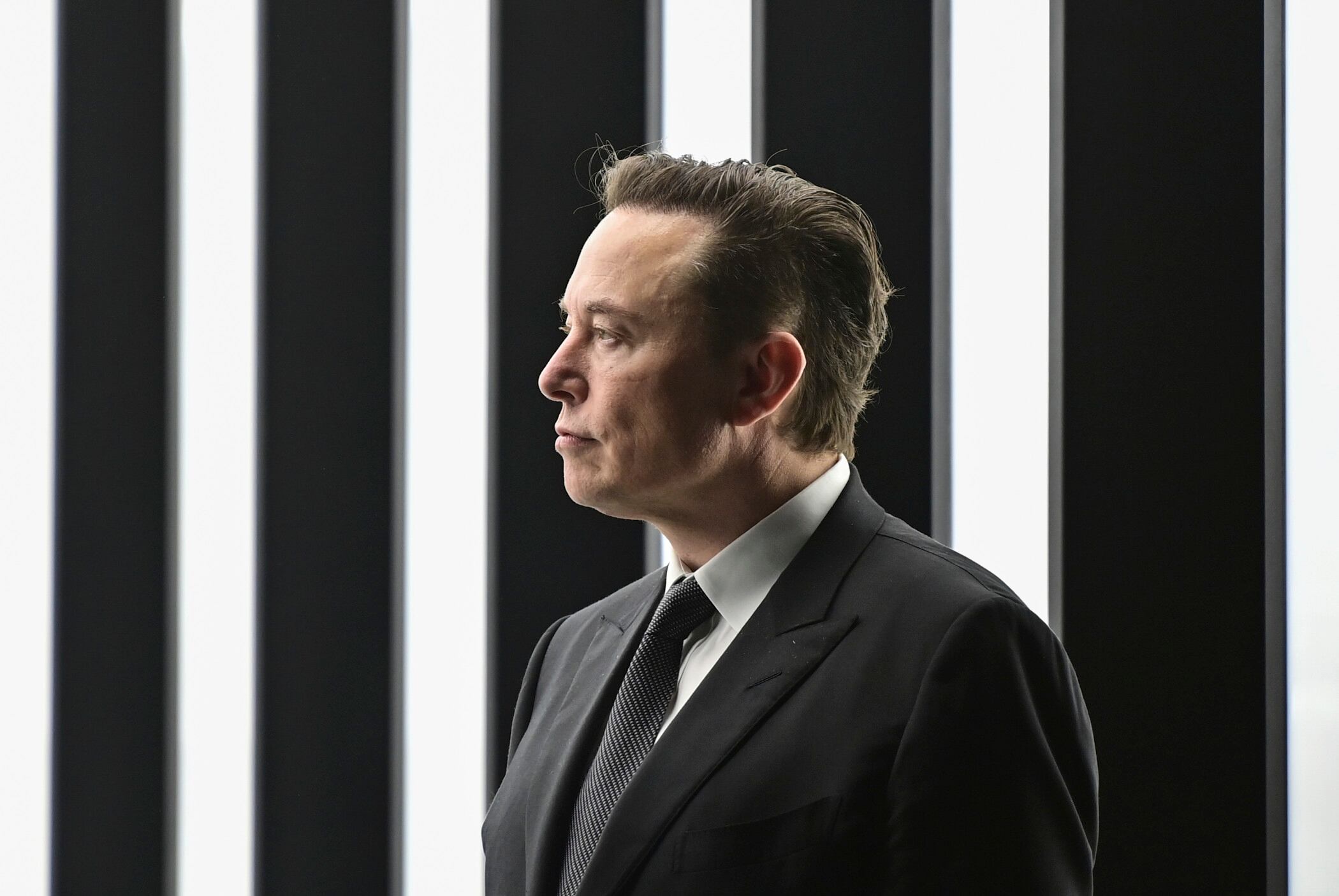
The European Union is investigating Elon Musk's X over alleged illicit content and disinformation on its platform. Cheddar News breaks it all down and discusses what it could mean for users.
Intel is out with a new product to challenge other big players in the space like Nvidia and AMD.