Toyota followed in Uber’s footsteps Tuesday, pausing tests of its driverless car system “Chauffeur”.
The decision came even after authorities said Uber was “likely not at fault” for one of its autonomous vehicles striking and killing a pedestrian in Tempe, Ariz., on Sunday. Still, it’s a move one advocacy group exec likely agrees with.
“Is getting them out faster the best idea, or is getting them out right the best idea?” Center for Auto Safety executive director Jason Levine told Cheddar before the Toyota news broke.
Police investigating the Uber incident claim the car, in self-driving mode with a human behind the wheel, was travelling at 38 mph and made no attempt to brake when a woman walked onto the street.
But the pedestrian “came from the shadows right into the roadway,” according to Tempe’s Police Chief, making the accident difficult to avoid in any case.
It was the first known fatality caused by a self-driving car, prompting Uber to halt its own pilot programs and raising questions about the future of the nascent technology, with many calling for a slowdown in development.
“There should be some step between the computer lab, the completely controlled test track, and releasing them into the communities,” said Levine.
The pace of development in this space is moving at a speed that makes it hard to build regulations and safety procedures, he added.
“There, right now, are no regulations before putting these things on the road...there’s no pre-investigation or examination of whether the technology meets the same standards as a non-self-driving vehicle.”
Autonomous cars have been seen as the futuristic antidote to the tens of thousands of deaths caused by traffic accident deaths every year in the U.S. So far the technology’s track record suggests the error levels are far lower than in traditional autos.
The National Transportation Safety Board is currently investigating the Uber incident.
As the cryptocurrency and digital asset space continues to evolve and grow, one podcast launching on Spotify's new video podcast platform aims to inform listeners about the various uses and developments in the crypto world. 'New Money' features guests from the entertainment and sports worlds discussing building wealth in the crypto space, creating NFTs, working on digital contracts, and more. Solo Ceesay, co-host of the 'New Money' podcast and co-founder of creator-focused social media platform Calaxy, joins Cheddar News' Closing Bell to discuss what the podcast will explore, its guest lineup, how they verify content amid broader crypto speculation, and more.
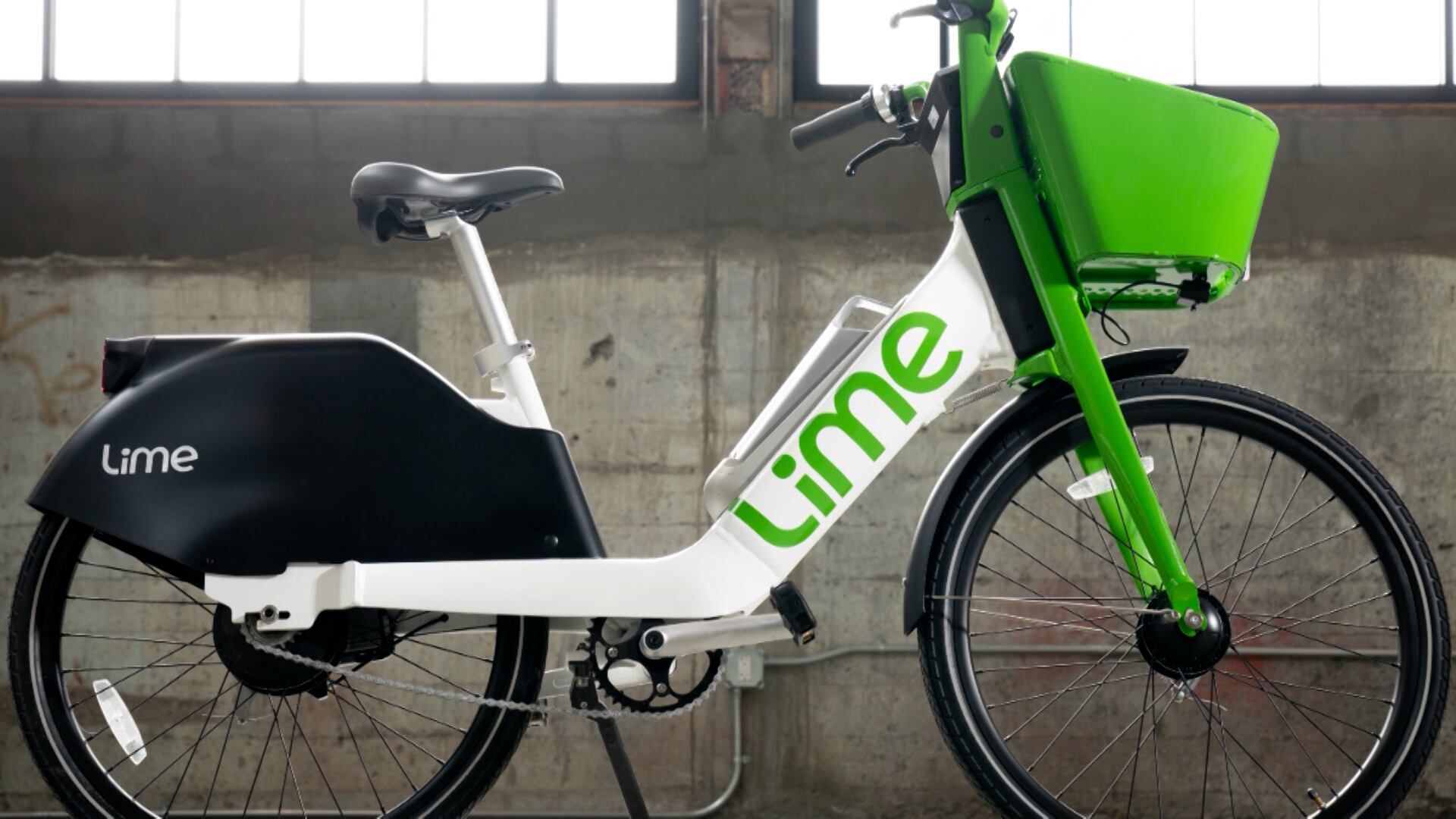
Lime is celebrating the launch of its latest electric bike in Washington, DC, this week, with more cities joining in this spring. The Gen4 e-bike boasts a new look, a more powerful motor, and a battery that's interchangeable with the Gen4 e-scooter. CEO Wayne Ting joined Cheddar to discuss the company's investment in electric bikes and the potential role of micromobility in the metaverse. "I think it would be incredible as a way to teach people to live greener, if there are worlds out there, metaverses out there, where the way you go faster in that world is if you take a bike and a scooter," he said. "So, you're teaching people better behavior as part of their virtual world as well."
Microsoft has discontinued the Xbox One as it looks to focus on ramping up production for its current Xbox Series S and Xbox Series X. The Xbox One first hit the market in November 2013.
Alfred Griffin, the CEO and Co-Founder of LightForce, joins Cheddar Innovates to discuss how 3D printing is making braces more affordable and personalized, and what this means for the future of orthodontics.
Alex Garden, Chairman and CEO at Zume, joins Cheddar Innovates to discuss how individuals can take steps to end their reliance on plastic, and Zume's partnership with global robotics company ABB to put sustainability at the forefront.
Tesla has scrubbed any mention of its Cybertruck being released in 2022 from its website after the company delayed production last year. The EV maker is slated to begin manufacturing the electric truck at its Austin, Texas, facility, to open early this year.