Toyota followed in Uber’s footsteps Tuesday, pausing tests of its driverless car system “Chauffeur”.
The decision came even after authorities said Uber was “likely not at fault” for one of its autonomous vehicles striking and killing a pedestrian in Tempe, Ariz., on Sunday. Still, it’s a move one advocacy group exec likely agrees with.
“Is getting them out faster the best idea, or is getting them out right the best idea?” Center for Auto Safety executive director Jason Levine told Cheddar before the Toyota news broke.
Police investigating the Uber incident claim the car, in self-driving mode with a human behind the wheel, was travelling at 38 mph and made no attempt to brake when a woman walked onto the street.
But the pedestrian “came from the shadows right into the roadway,” according to Tempe’s Police Chief, making the accident difficult to avoid in any case.
It was the first known fatality caused by a self-driving car, prompting Uber to halt its own pilot programs and raising questions about the future of the nascent technology, with many calling for a slowdown in development.
“There should be some step between the computer lab, the completely controlled test track, and releasing them into the communities,” said Levine.
The pace of development in this space is moving at a speed that makes it hard to build regulations and safety procedures, he added.
“There, right now, are no regulations before putting these things on the road...there’s no pre-investigation or examination of whether the technology meets the same standards as a non-self-driving vehicle.”
Autonomous cars have been seen as the futuristic antidote to the tens of thousands of deaths caused by traffic accident deaths every year in the U.S. So far the technology’s track record suggests the error levels are far lower than in traditional autos.
The National Transportation Safety Board is currently investigating the Uber incident.
Arkansas corporations, private investors and the government are coming together in the hopes to make the state a global leader in the future of transportation. Governor Asa Hutchinson joined Cheddar News to relay the council's plans. "I created the Council on Future Mobility to look at expanding drone delivery, to be able to utilize autonomous or driverless vehicles in delivery, and then also to be able to look at the future and whether you can have driverless or flying cars that can be imagined," he said. Hutchinson also stated that the council will take the safety measures needed before bringing along potentially unsafe tech.
Ford is reportedly considering separating its Electric Vehicle business from its other operations, in hopes of it becoming even more valuable as the company shifts toward electric vehicles. Dan Ives, Managing Director of Equity Research, Wedbush Securities joined Cheddar's 'Opening Bell' to discuss where the company stands in the race toward electrification.
Hertz is teaming up with UFODRIVE, a self service electric vehicle rental company, as part of its commitment to lead the future of mobility. Based in Europe, UFODRIVE is the first all-digital all-electric car rental service controlled from an app. Jayesh Patel, senior VP of corporate strategy at Hertz, joined Cheddar's Opening Bell to discuss the partnership and how it will propel the transition to electric vehicles.
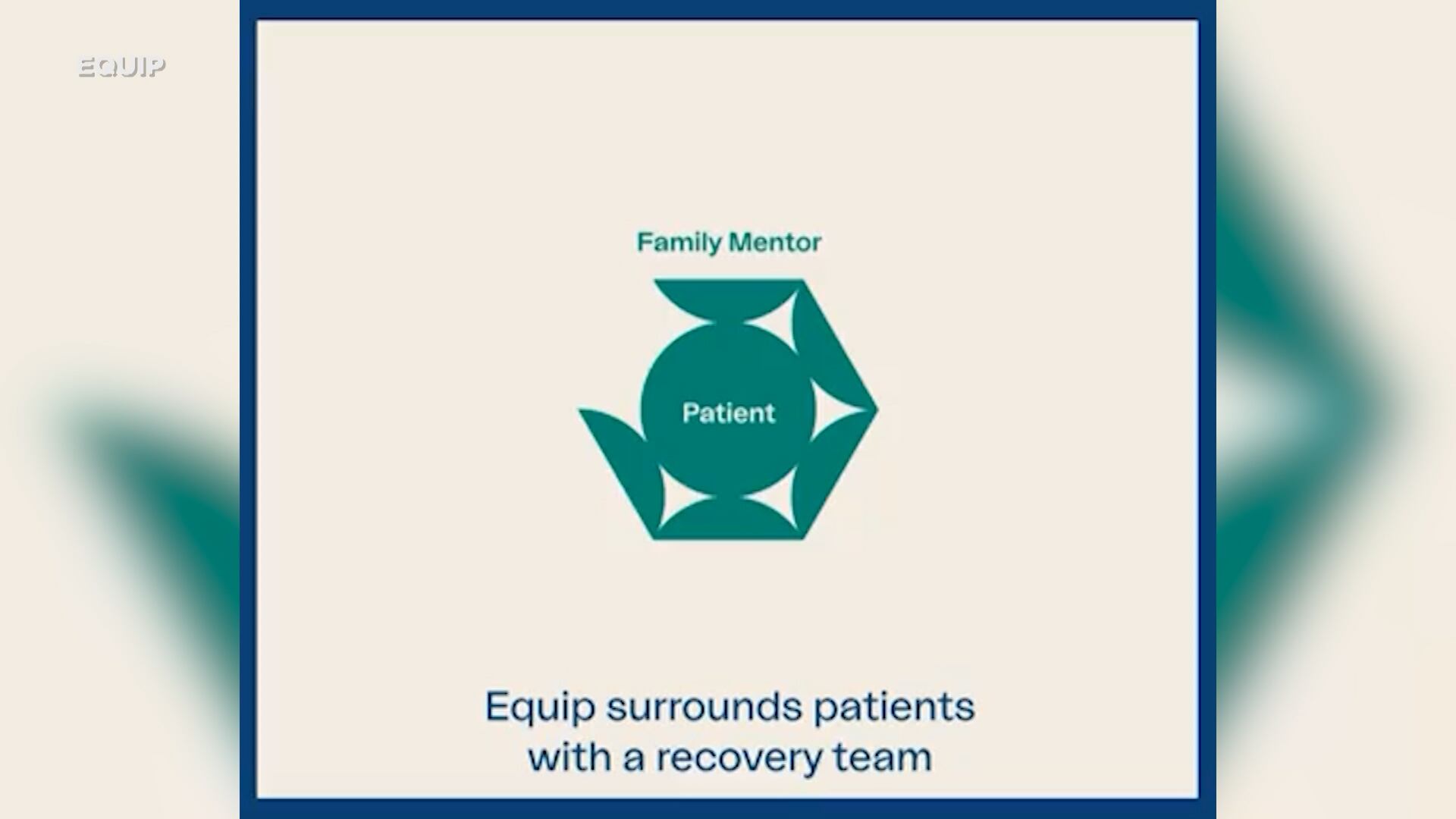
Equip is a virtual treatment platform for eating disorders, and recently raised $58 million in a Series B round led by The Chernin Group. The company aims to revolutionize treatment for eating disorders by delivering virtual care teams and clinical expertise directly to families' homes. Equip says the need for its platform has only been exacerbated by the COVID-19 pandemic. The National Eating Disorder Association's helpline has had a 107% increase in contacts since the start of the pandemic. Kristina Saffran, CEO and co-founder of Equip, joins Cheddar News' Closing Bell to discuss.
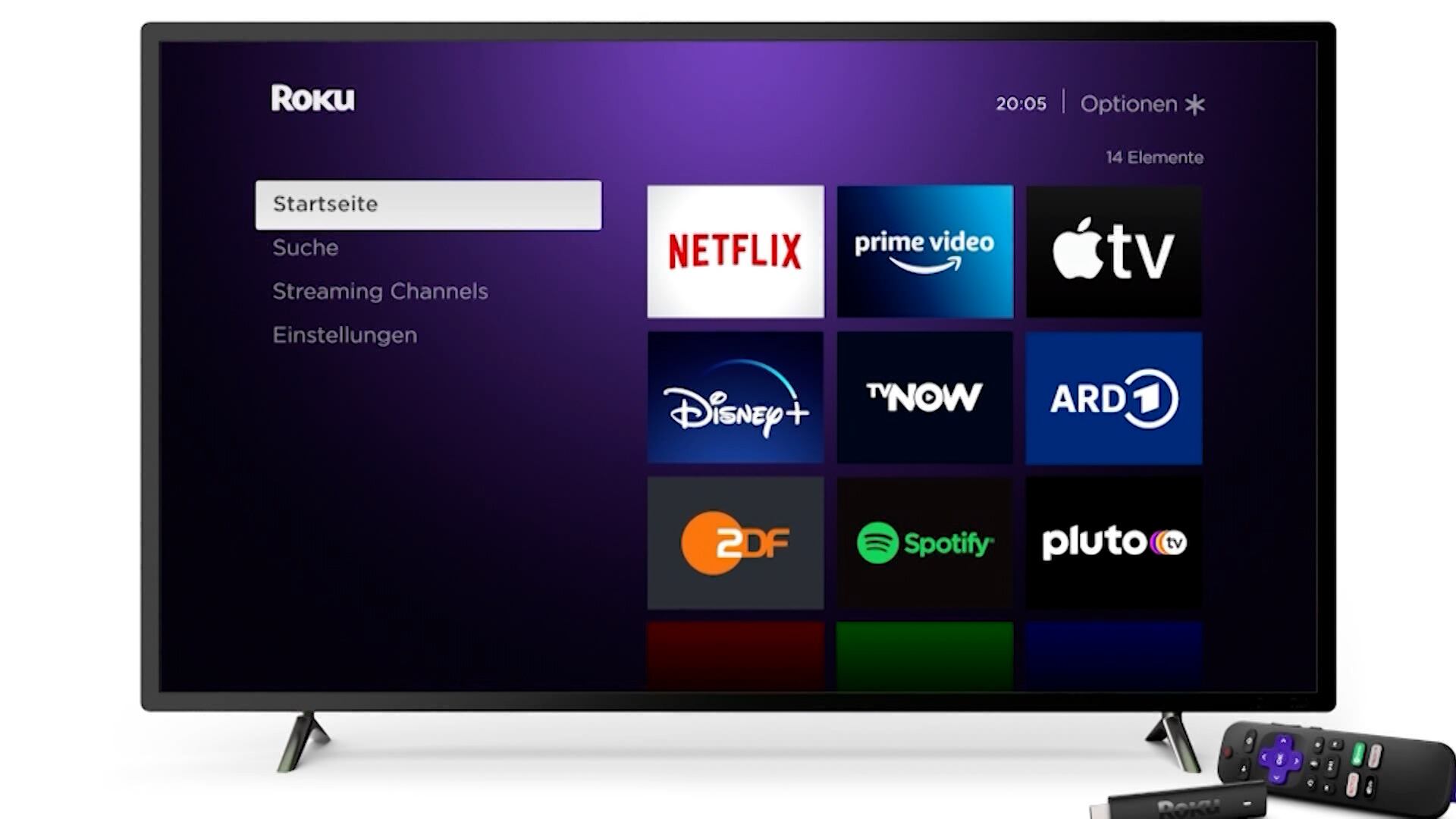
Roku shares dropped during Friday's session after the streaming company reported Q4 revenue on Thursday that missed expectations, and disappointing guidance for the Q1 of 2022. Tuna Amobi, director and senior analyst at CFRA Research, joins Cheddar News' Closing Bell to discuss what it means for investors and the company's future.