Toyota followed in Uber’s footsteps Tuesday, pausing tests of its driverless car system “Chauffeur”.
The decision came even after authorities said Uber was “likely not at fault” for one of its autonomous vehicles striking and killing a pedestrian in Tempe, Ariz., on Sunday. Still, it’s a move one advocacy group exec likely agrees with.
“Is getting them out faster the best idea, or is getting them out right the best idea?” Center for Auto Safety executive director Jason Levine told Cheddar before the Toyota news broke.
Police investigating the Uber incident claim the car, in self-driving mode with a human behind the wheel, was travelling at 38 mph and made no attempt to brake when a woman walked onto the street.
But the pedestrian “came from the shadows right into the roadway,” according to Tempe’s Police Chief, making the accident difficult to avoid in any case.
It was the first known fatality caused by a self-driving car, prompting Uber to halt its own pilot programs and raising questions about the future of the nascent technology, with many calling for a slowdown in development.
“There should be some step between the computer lab, the completely controlled test track, and releasing them into the communities,” said Levine.
The pace of development in this space is moving at a speed that makes it hard to build regulations and safety procedures, he added.
“There, right now, are no regulations before putting these things on the road...there’s no pre-investigation or examination of whether the technology meets the same standards as a non-self-driving vehicle.”
Autonomous cars have been seen as the futuristic antidote to the tens of thousands of deaths caused by traffic accident deaths every year in the U.S. So far the technology’s track record suggests the error levels are far lower than in traditional autos.
The National Transportation Safety Board is currently investigating the Uber incident.
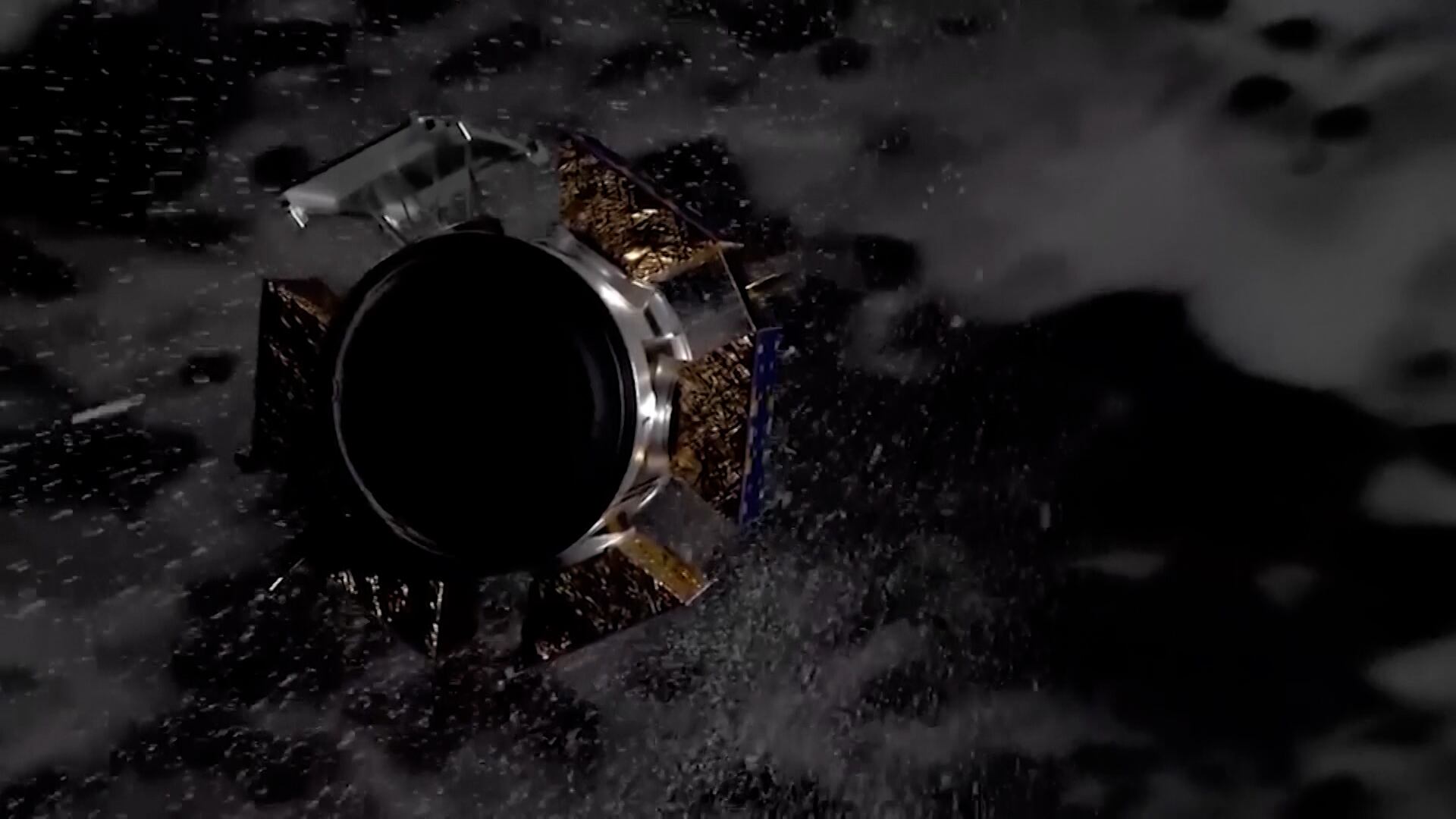
Adam Battle, research assistant at University of Arizona's Lunar and Planetary Laboratory, joins Cheddar News to discuss space junk heading to the moon and if more should be done to prevent space junk in the future.
The capital of Kyiv is home to more than 1,000 tech startups.
Some of the prominent tech companies founded in Ukraine include names like 'Grammarly' and 'GitLab,' but even companies that aren't based in Ukraine rely on the massive amount of tech talent in the country. Andy Kurtzig, CEO of Justanswer, joins Cheddar News to discuss how he's aiding hundreds of his employees in Ukraine.
Mark Clerkin, Head of Trading at CoinList, joins Cheddar News' Closing Bell, where he elaborates on the range of features his platform offers, from investing in up-and-coming tokens to trading, and says his company is eager to partner with Block CEO Jack Dorsey on future projects.
Music-focused NFT platform Pianity raising $6.5 million in a seed funding round. Pianity has developed a marketplace that allows musicians to sell their tracks as limited edition NFTs. Since its launch last year, the company says it has already sold 11,000 NFTs and artists have earned over $1.1 million from NFT sales. Kevin Primicerio, co-founder and CEO of Pianity, joins Cheddar News' Closing Bell to discuss.
ZipRecruiter reported revenue growth for the fourth quarter of 2021 and raised its forecast for the coming year, beating Wall Street expectations. The recruitment site has benefited from one of the tightest labor markets in history as companies desperately try to fill empty positions. Ian Siegel, CEO of ZipRecruiter, joined Cheddar to discuss how the company has adapted to The Great Resignation, a tight labor market, and record inflation.
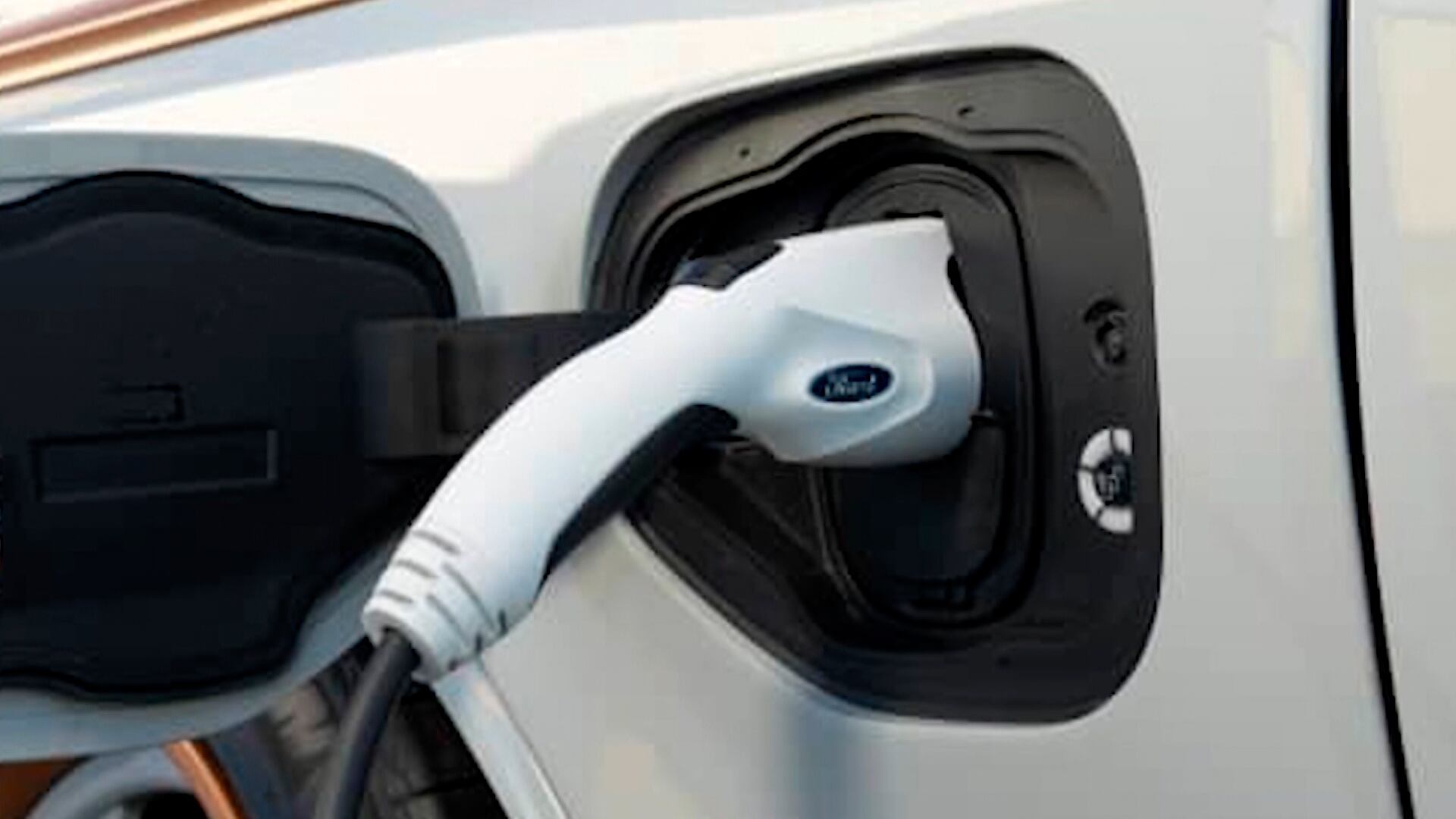
Ford is looking to charge its electric business forward -- splitting its EVs and legacy internal combustion engine models into separate units. Ford says the split will streamline its EV business and boost profits, while giving it a better competitive edge. Ford's new EV focused business will be called Ford Model e. Greg Martin, Co-Founder, Rainmaker Securities joined Cheddar's Opening Bell to discuss.