Toyota followed in Uber’s footsteps Tuesday, pausing tests of its driverless car system “Chauffeur”.
The decision came even after authorities said Uber was “likely not at fault” for one of its autonomous vehicles striking and killing a pedestrian in Tempe, Ariz., on Sunday. Still, it’s a move one advocacy group exec likely agrees with.
“Is getting them out faster the best idea, or is getting them out right the best idea?” Center for Auto Safety executive director Jason Levine told Cheddar before the Toyota news broke.
Police investigating the Uber incident claim the car, in self-driving mode with a human behind the wheel, was travelling at 38 mph and made no attempt to brake when a woman walked onto the street.
But the pedestrian “came from the shadows right into the roadway,” according to Tempe’s Police Chief, making the accident difficult to avoid in any case.
It was the first known fatality caused by a self-driving car, prompting Uber to halt its own pilot programs and raising questions about the future of the nascent technology, with many calling for a slowdown in development.
“There should be some step between the computer lab, the completely controlled test track, and releasing them into the communities,” said Levine.
The pace of development in this space is moving at a speed that makes it hard to build regulations and safety procedures, he added.
“There, right now, are no regulations before putting these things on the road...there’s no pre-investigation or examination of whether the technology meets the same standards as a non-self-driving vehicle.”
Autonomous cars have been seen as the futuristic antidote to the tens of thousands of deaths caused by traffic accident deaths every year in the U.S. So far the technology’s track record suggests the error levels are far lower than in traditional autos.
The National Transportation Safety Board is currently investigating the Uber incident.
What you Need to Know on Thursday, March 17. Updates from Ukraine, President Biden refers to Putin as a ‘war criminal’ for the first time, Walmart has ambitious hiring targets for Q1, and Netflix takes steps to crack down on password sharing.
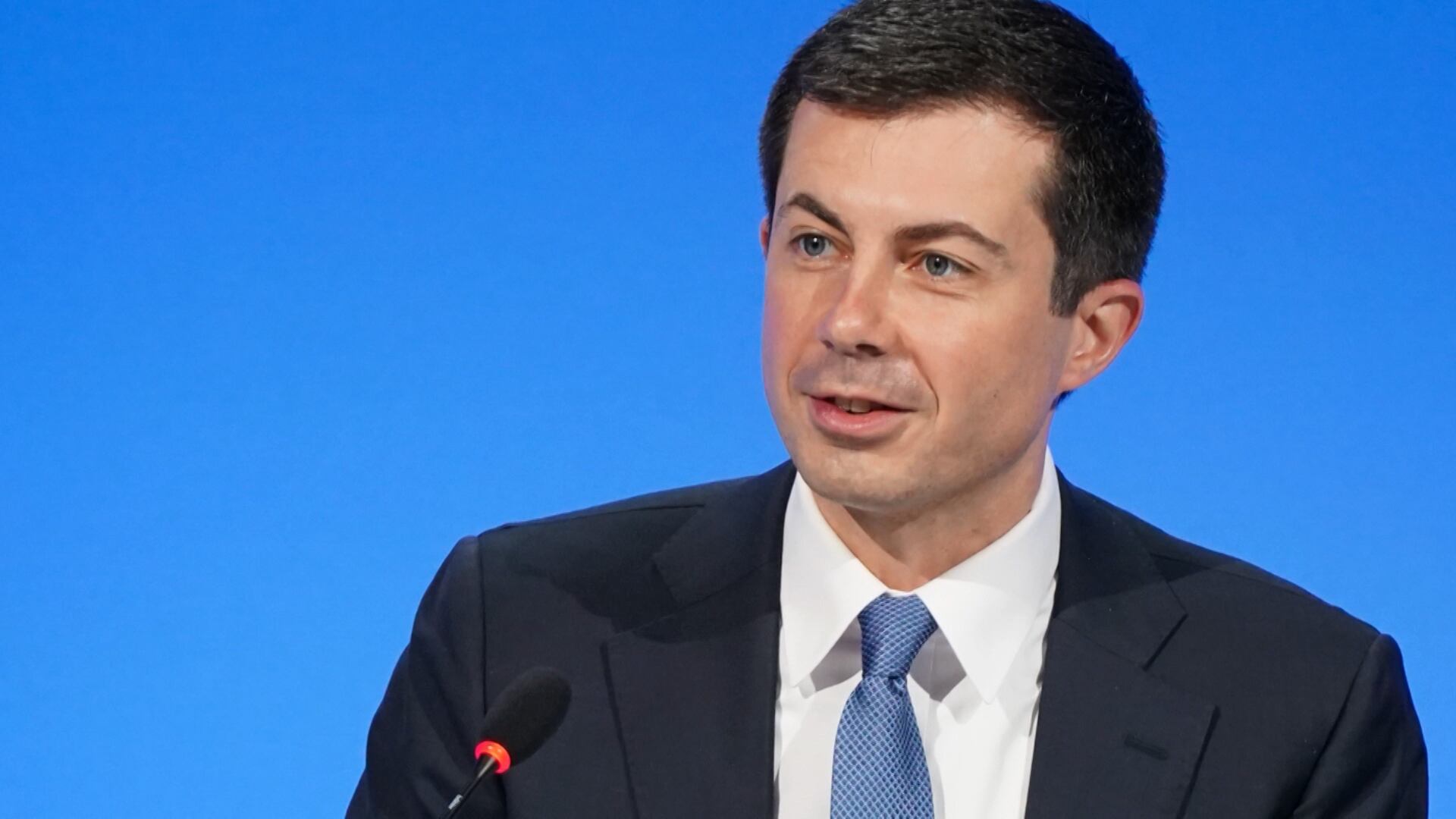
Transportation Secretary Pete Buttigieg joined Cheddar's Michelle Castillo from South By Southwest to boost President Biden's bipartisan infrastructure legislation and talk about the big transportation issues of the day, including electric vehicle charging infrastructure and the future of public transit. "It means we have a huge wind at our back delivering on the kinds of transportation solutions that are going to define the 2020's 2030s, 2040s even," he said. "And that's what makes it exciting to come to South by Southwest and talk with some of the people who are following these technologies and ideas the most closely and talk about where we're headed." Buttigieg also touched on the "Don't Say Gay" legislation in Florida, noting that such legislative pushes were likely coming from politicians deflecting from lacking answers to pressing economic concerns, in his opinion.
Social audio app Clubhouse reached $1 billion valuation milestone this January, and Fadia Kader, head of strategic media partnerships at Clubhouse, joined Cheddar News to talk about what its been doing to keep the drive going. "We are the category first leaders. We are 100 percent focused on social audio. It's not just a feature that we've just like bottled up and put on there. We are a medium that is 100 percent focused on community and social audio," she said.
Last year, CD sales grew for the first time since 2004, according to a new Recording Industry Association of America report. CDs were a leading format in the music industry in the 1990s when Spice Girls and TLC had us groovin'. If it feels like you've been hearing more golden oldies lately, you aren't alone. Classic music is having a serious moment, and it isn't likely to change any time soon. Baker Machado takes a closer look at what's driving this shift in the industry.