Toyota followed in Uber’s footsteps Tuesday, pausing tests of its driverless car system “Chauffeur”.
The decision came even after authorities said Uber was “likely not at fault” for one of its autonomous vehicles striking and killing a pedestrian in Tempe, Ariz., on Sunday. Still, it’s a move one advocacy group exec likely agrees with.
“Is getting them out faster the best idea, or is getting them out right the best idea?” Center for Auto Safety executive director Jason Levine told Cheddar before the Toyota news broke.
Police investigating the Uber incident claim the car, in self-driving mode with a human behind the wheel, was travelling at 38 mph and made no attempt to brake when a woman walked onto the street.
But the pedestrian “came from the shadows right into the roadway,” according to Tempe’s Police Chief, making the accident difficult to avoid in any case.
It was the first known fatality caused by a self-driving car, prompting Uber to halt its own pilot programs and raising questions about the future of the nascent technology, with many calling for a slowdown in development.
“There should be some step between the computer lab, the completely controlled test track, and releasing them into the communities,” said Levine.
The pace of development in this space is moving at a speed that makes it hard to build regulations and safety procedures, he added.
“There, right now, are no regulations before putting these things on the road...there’s no pre-investigation or examination of whether the technology meets the same standards as a non-self-driving vehicle.”
Autonomous cars have been seen as the futuristic antidote to the tens of thousands of deaths caused by traffic accident deaths every year in the U.S. So far the technology’s track record suggests the error levels are far lower than in traditional autos.
The National Transportation Safety Board is currently investigating the Uber incident.
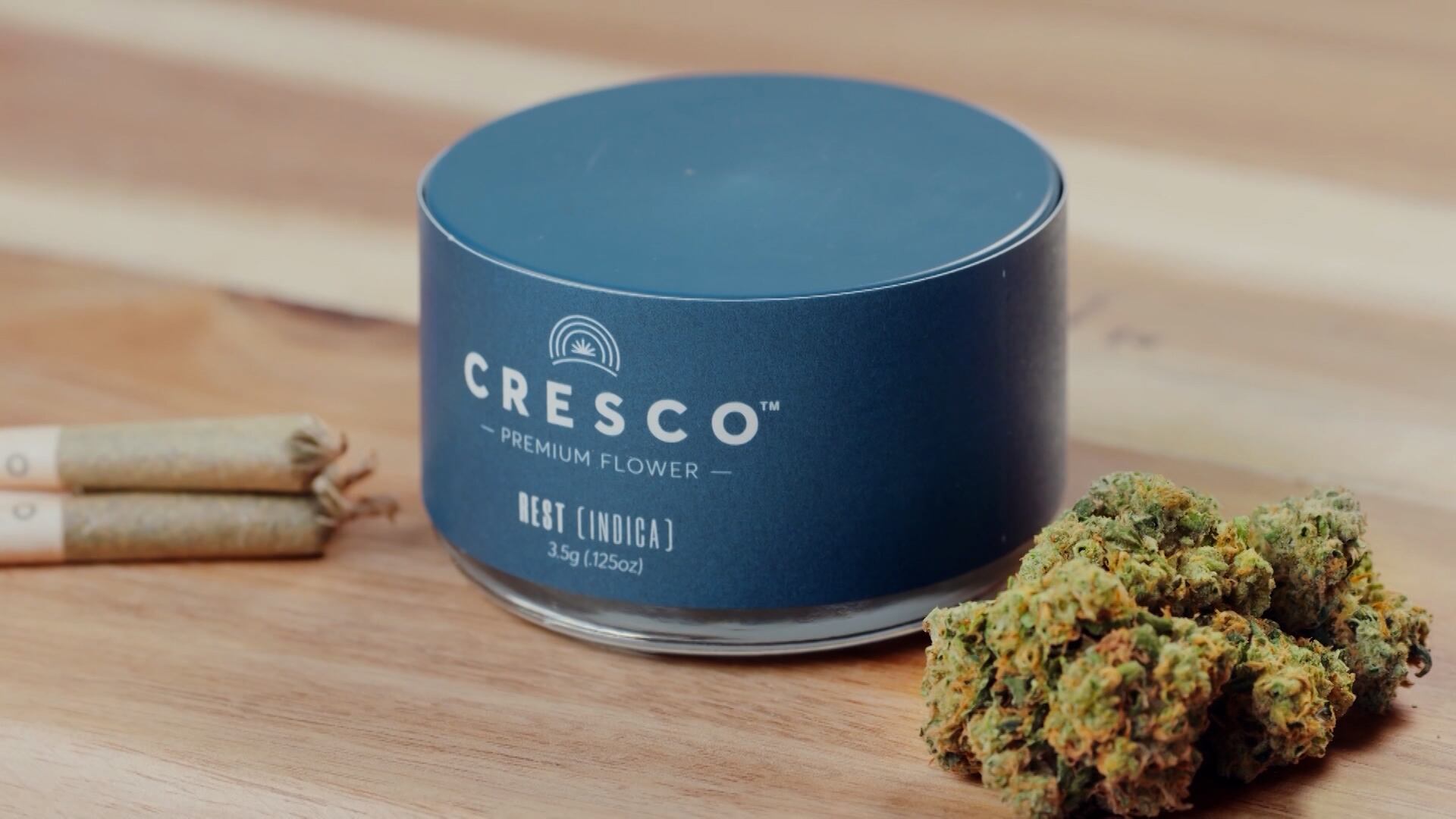
Cannabis producer Cresco Labs is acquiring rival Columbia Care in a $2 billion all-stock deal, creating the largest U.S. cannabis company by sales. The deal, which is expected to close in the fourth quarter of 2022, is one of the biggest in the industry's history and would make Cresco the dominant player in a market projected to reach $46 billion in revenue by 2026. Charlie Bachtell, CEO of Cresco Labs, joins Cheddar News' Closing Bell to discuss.
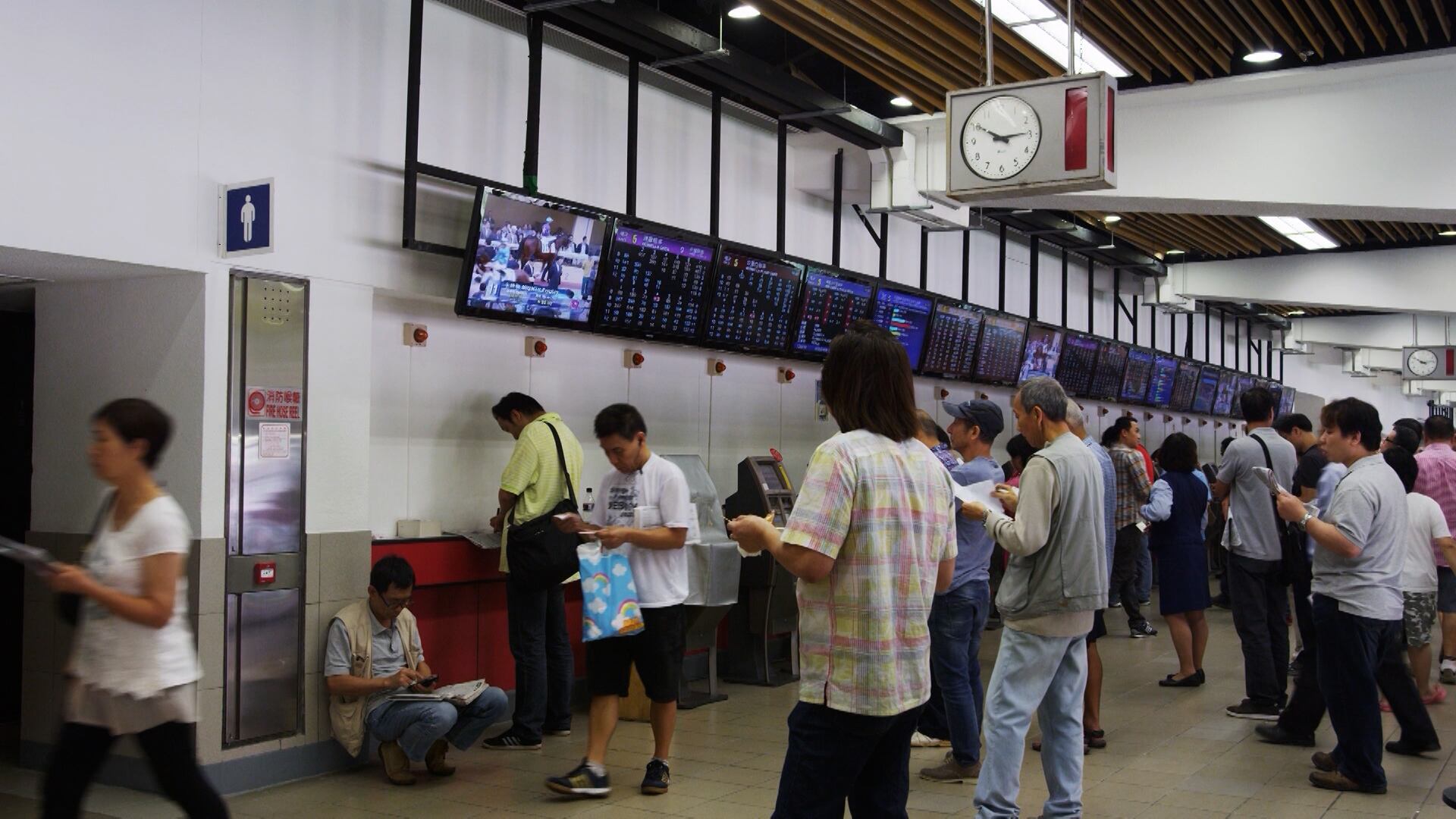
Sports betting has boomed over the past year; but at the same time, sports betting stocks have not been so hot. Now, some sports betting brands are starting to rethink how to spend their money, especially when it comes to ads. It will come after online sports betting brands spent more than $320 million on advertising in 2021, up 38% from 2020, per MediaRadar. Brendan Coffey, sports finance reporter for Sportico, joins Cheddar News' Closing Bell to discuss.
Rowing-machine maker, Hydrow, raised $55 million in Series D funding round, led by Constitution Capital. Hyrdow offers a connected rowing machine that costs $2,495. The company's funding round comes as the at-home fitness industry is facing some challenges, due to many consumers returning to gyms after working out at home during the pandemic. Bruce Smith, founder & CEO of Hydrow, joined Cheddar News' Closing Bell to discuss.
Sam Thapaliya, Founder of Zebec, explains the two major problems associated with paying public figures in crypto, and how his firm is best-suited to help facilitate payments within the growing industry.
Wes Fulford, CEO of Viridi Funds, breaks down how several key headlines, include President Biden's executive order on crypto and rising inflation, are impacting the price of major cryptocurrencies during a volatile period.
Volvo electric vehicles will soon be able to charge at Starbucks ChargePoint locations. Anders Gustafsson, head of the Americas for Volvo Cars, Michael Kobori, Starbucks chief sustainability officer, and Pasquale Romano, president and CEO of ChargePoint, joined Cheddar News Wrap to talk about their joint effort to provide more accessibility for electric vehicle charging. “When you pull into the Starbucks, you pull into the parking lot and the chargers will be set up right there so you can pull in, plug in your car, walk into the Starbucks," said Kobori. "And it's a safe location to recharge, to connect to the Internet while you're charging."