Toyota followed in Uber’s footsteps Tuesday, pausing tests of its driverless car system “Chauffeur”.
The decision came even after authorities said Uber was “likely not at fault” for one of its autonomous vehicles striking and killing a pedestrian in Tempe, Ariz., on Sunday. Still, it’s a move one advocacy group exec likely agrees with.
“Is getting them out faster the best idea, or is getting them out right the best idea?” Center for Auto Safety executive director Jason Levine told Cheddar before the Toyota news broke.
Police investigating the Uber incident claim the car, in self-driving mode with a human behind the wheel, was travelling at 38 mph and made no attempt to brake when a woman walked onto the street.
But the pedestrian “came from the shadows right into the roadway,” according to Tempe’s Police Chief, making the accident difficult to avoid in any case.
It was the first known fatality caused by a self-driving car, prompting Uber to halt its own pilot programs and raising questions about the future of the nascent technology, with many calling for a slowdown in development.
“There should be some step between the computer lab, the completely controlled test track, and releasing them into the communities,” said Levine.
The pace of development in this space is moving at a speed that makes it hard to build regulations and safety procedures, he added.
“There, right now, are no regulations before putting these things on the road...there’s no pre-investigation or examination of whether the technology meets the same standards as a non-self-driving vehicle.”
Autonomous cars have been seen as the futuristic antidote to the tens of thousands of deaths caused by traffic accident deaths every year in the U.S. So far the technology’s track record suggests the error levels are far lower than in traditional autos.
The National Transportation Safety Board is currently investigating the Uber incident.
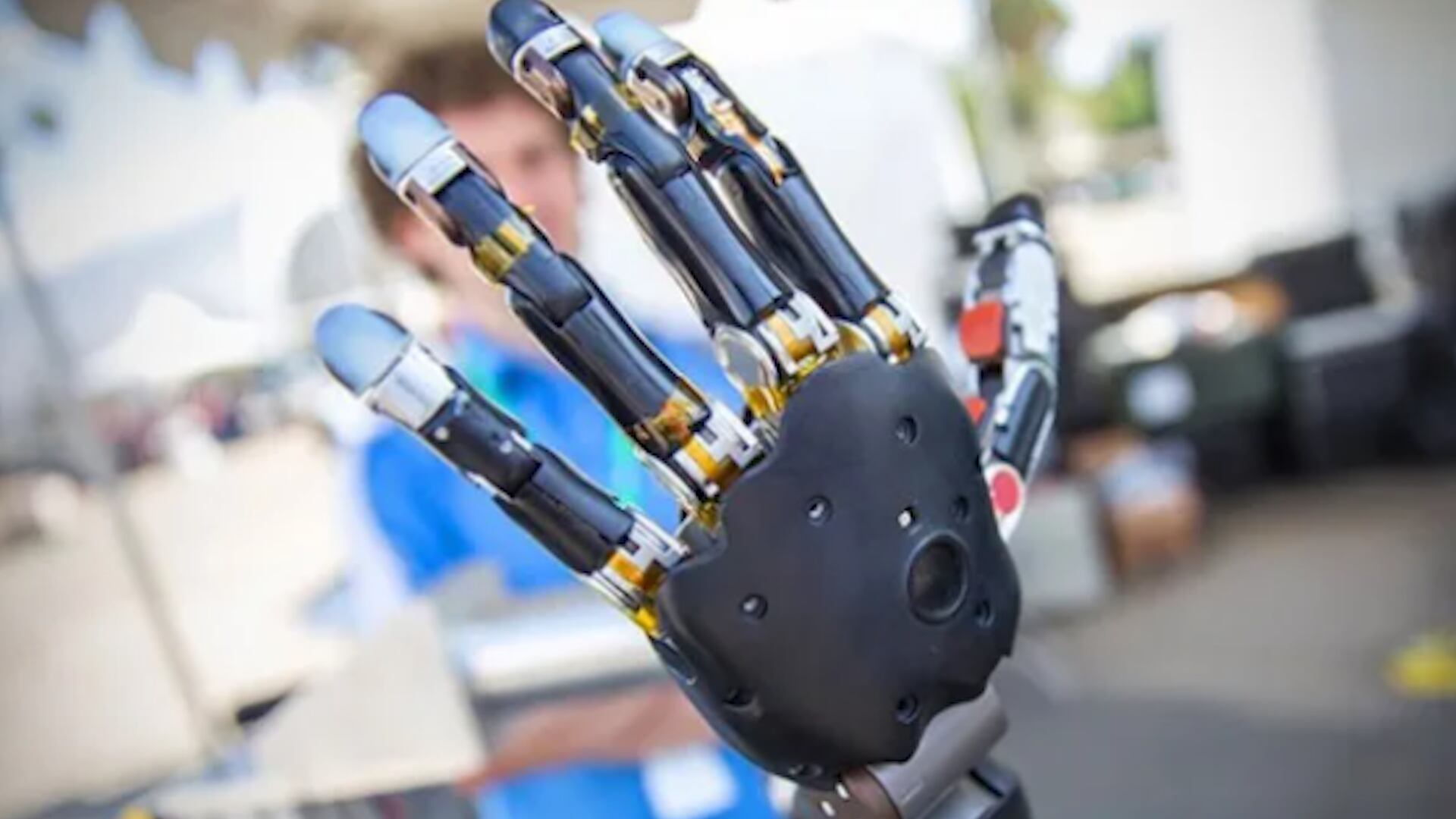
Tyler Hayes, CEO of Atom Limbs, joins Cheddar Innovates to discuss how the Atom Touch prosthetic is different from other prosthetics on the market, and how the Atom Limbs team of former Apple and Tesla leaders are bringing innovation into this industry.
Nouveau Monde Graphite says it wants to power the sustainable energy revolution. The Canadian company is developing carbon-neutral battery materials to serve the growing EV and cleantech markets and is doing so via a mining and manufacturing operation in Quebec. Eric Desaulniers, founder, president & CEO of Nouveau Monde Graphite, joins Cheddar News' Closing Bell to discuss.
The U.S. is bracing for a potential cyberattack as both the FBI and President Biden warn that Russia is 'exploring' a hack. This comes amid a recent rise in hacks on U.S. companies including Microsoft, Okta, and Nestle. Chris Pierson, founder & CEO, BlackCloak joined Cheddar's Opening Bell to discuss.
Catching you up on what you need to know Mar 24, 2022, with NATO meeting updates, Ukraine retaking suburbs around Kyiv, the spread of omicron subvariant BA.2 in China, Google Pay launching a third-party billing option, and a 16-year-old is suspected of being the Lapsus$ mastermind behind hacks of Microsoft and others.
Uber has reached a deal to include New York City taxi cabs on its app, a move that will help to boost driver availability for passengers and open up a new set of customers for cab drivers.
Computer-sharing network Salad is announcing a $17 million Series A round. Salad offers an open-source desktop application that invites gamers to share storage, bandwidth, and other resources from their idle PCs in exchange for rewards. Salad says users have earned what is equivalent to more than $5 million in rewards, and that its platform has quickly become the world's most distributed super-computer. Bob Miles, founder and CEO of Salad, joins Cheddar News' Closing Bell to discuss.