Toyota followed in Uber’s footsteps Tuesday, pausing tests of its driverless car system “Chauffeur”.
The decision came even after authorities said Uber was “likely not at fault” for one of its autonomous vehicles striking and killing a pedestrian in Tempe, Ariz., on Sunday. Still, it’s a move one advocacy group exec likely agrees with.
“Is getting them out faster the best idea, or is getting them out right the best idea?” Center for Auto Safety executive director Jason Levine told Cheddar before the Toyota news broke.
Police investigating the Uber incident claim the car, in self-driving mode with a human behind the wheel, was travelling at 38 mph and made no attempt to brake when a woman walked onto the street.
But the pedestrian “came from the shadows right into the roadway,” according to Tempe’s Police Chief, making the accident difficult to avoid in any case.
It was the first known fatality caused by a self-driving car, prompting Uber to halt its own pilot programs and raising questions about the future of the nascent technology, with many calling for a slowdown in development.
“There should be some step between the computer lab, the completely controlled test track, and releasing them into the communities,” said Levine.
The pace of development in this space is moving at a speed that makes it hard to build regulations and safety procedures, he added.
“There, right now, are no regulations before putting these things on the road...there’s no pre-investigation or examination of whether the technology meets the same standards as a non-self-driving vehicle.”
Autonomous cars have been seen as the futuristic antidote to the tens of thousands of deaths caused by traffic accident deaths every year in the U.S. So far the technology’s track record suggests the error levels are far lower than in traditional autos.
The National Transportation Safety Board is currently investigating the Uber incident.
Social media platforms walk a fine line when it comes to free speech, especially when posts lead to real-life negative consequences. Texas lawmakers are trying to enforce a law that would prohibit platforms from taking any action when it comes to malicious or violent posts, and they insist it does not violate the First Amendment. But the Supreme Court thinks otherwise, at least for now. Matt Schruers, President of the Computer & Communications Industry Association, joins Closing Bell to discuss what threat the Texas law poses to social platforms, why his organization sued over the law, what it could mean for users, and more.
Fintech company Acrisure recently raised $725 million in a new funding led by a wholly-owned subsidiary of the Abu Dhabi Investment Authority, bringing the company's valuation to $23 billion. Acrisure offers financial solutions including insurance, reinsurance, real estate services, cyber services, and asset management. The company says its financial solutions are powered by the best of human and artificial intelligence. Greg Williams, co-founder, CEO and President of Acrisure, joins Cheddar News' Closing Bell to discuss.
On Today's Biz Breakdown, the oil shortage being compared to the 1970s gas crisis, home prices surged In March, and 56% of tech workers say they would quit if recorded by their employer.
After two subway shootings in two months and the more recent mass shootings in Uvalde, Texas, and Buffalo, New York, Mayor Eric Adams is calling for gun detection scanners to be installed in New York City subways. The tech would be similar to that used in sporting arenas, however, experts note multiple difficulties with such a setup including the need for nearby human operators.
Catching you up on what you need to know on Wednesday, June 1, 2022, House lawmakers hold an emergency hearing on gun control measures in the wake of the Uvalde shooting, the Supreme Court temporarily blocks Texas' law stopping social media moderation, and the James Webb Space Telescope gets a new mission.
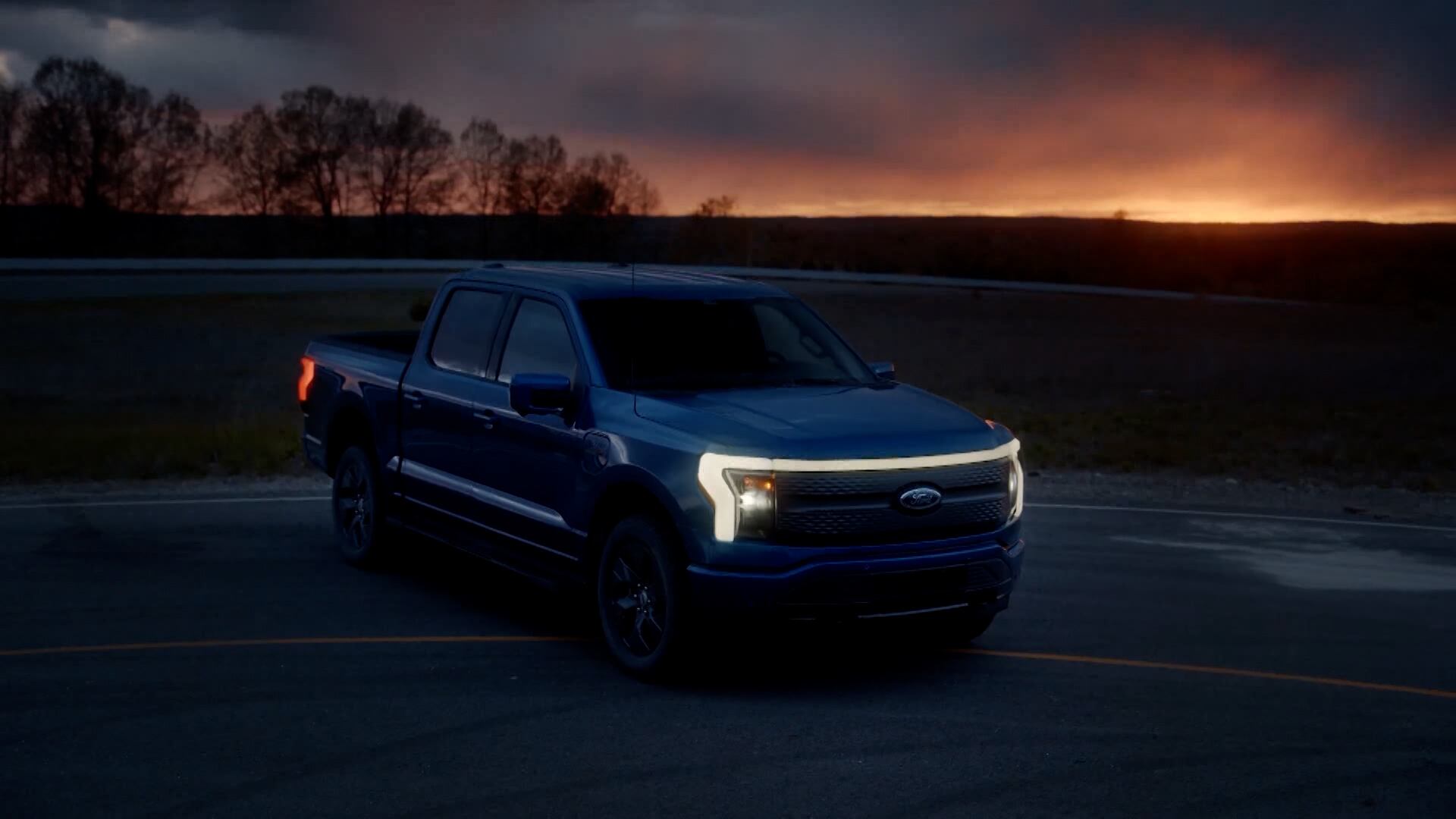
On today's Biz Breakdownm, Ford beats Tesla to the first EV truck Deliveries, massive flight cancelations wrap up Memorial Day Weekend, and Apple announces new IOS 16 features one week before the WWDC.
Scientists are hoping that the simplest element in the universe — hydrogen — can be the solution to slowing down climate change. However, it does not come without cost. The process of making hydrogen could potentially add more CO2.
The Week's Top Stories is a guided tour through the biggest market stories of the week, from winning stocks to brutal dips to the facts and forecasts generating buzz on Wall Street.