Toyota followed in Uber’s footsteps Tuesday, pausing tests of its driverless car system “Chauffeur”. The decision came even after authorities said Uber was “likely not at fault” for one of its autonomous vehicles striking and killing a pedestrian in Tempe, Ariz., on Sunday. Still, it’s a move one advocacy group exec likely agrees with. “Is getting them out faster the best idea, or is getting them out right the best idea?” Center for Auto Safety executive director Jason Levine told Cheddar before the Toyota news broke. Police investigating the Uber incident claim the car, in self-driving mode with a human behind the wheel, was travelling at 38 mph and made no attempt to brake when a woman walked onto the street. But the pedestrian “came from the shadows right into the roadway,” according to Tempe’s Police Chief, making the accident difficult to avoid in any case. It was the first known fatality caused by a self-driving car, prompting Uber to halt its own pilot programs and raising questions about the future of the nascent technology, with many calling for a slowdown in development. “There should be some step between the computer lab, the completely controlled test track, and releasing them into the communities,” said Levine. The pace of development in this space is moving at a speed that makes it hard to build regulations and safety procedures, he added. “There, right now, are no regulations before putting these things on the road...there’s no pre-investigation or examination of whether the technology meets the same standards as a non-self-driving vehicle.” Autonomous cars have been seen as the futuristic antidote to the tens of thousands of deaths caused by traffic accident deaths every year in the U.S. So far the technology’s track record suggests the error levels are far lower than in traditional autos. The National Transportation Safety Board is currently investigating the Uber incident.

Share:
More In Technology
a.k.a Brands CEO on Strong Q3 Earnings, Net Sales Surge of 155 Percent
a.k.a Brands, an accelerator for next-gen, direct-to-consumer fashion brands like Princess Polly, released its first earnings report as a publicly-traded company with strong results. CEO Jill Ramsey joined Cheddar's "Opening Bell" to discuss the company's recent quarter and how the company has grown since its IPO in September.
Rivian To Make Debut As Biggest IPO Since Facebook
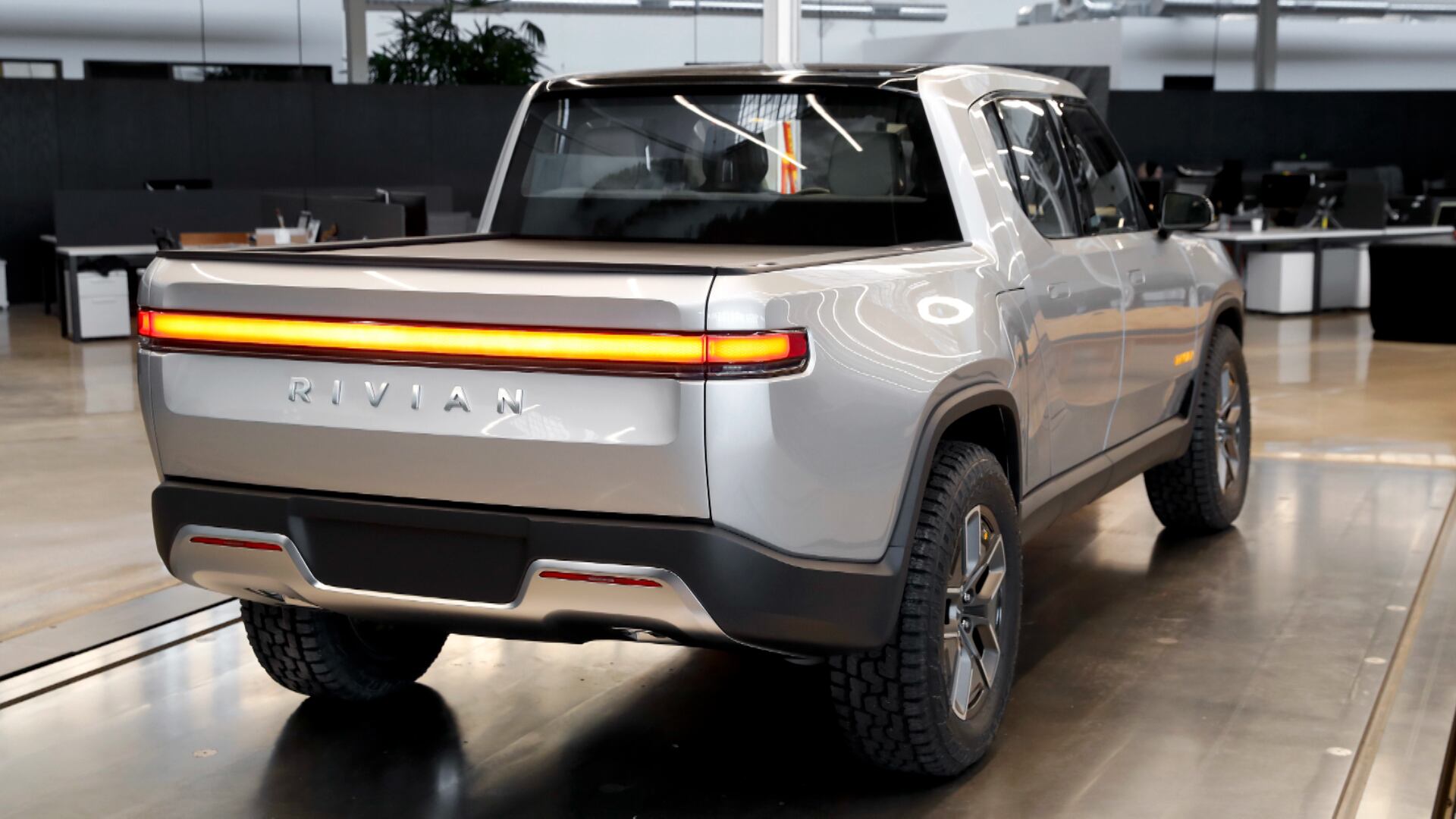
Rivian is set to makes its market debut as the biggest IPO since Facebook in 2021. The EV maker priced its stock above the expected range at $78 apiece, allowing it to raise a whopping $11.9 billion. Matt Toole, director of deals intelligence at Refinitiv, joined Cheddar to discuss Rivian's highly anticipated IPO and how it's sending the already booming IPO market even higher.
Judge Denies Apple Request to Delay App Store Change Following Epic Games Lawsuit
A judge shot down a request by Apple to hold off on changes to payment options in the app store that would allow companies like Epic Games to use external payment systems. Apple had sought a stay that could delay making changes for years but the judge ordered them to implement fixes by December. The tech giant plans to appeal.
Twitter Launches Paid Subscription Service Twitter Blue
Twitter has officially launched its paid subscription service, Twitter Blue, which provides subscribers with a number of new features, including the option to edit tweets, post 10-minute videos, and view ad-free news articles.
Kebony Raises $34 Million for Environmentally-Friendly Building Materials
Wood modification technology company Kebony recently raised $34 million in its latest funding round. The company's patented technology transformed sustainable softwood using leftover materials and makes it into a product that behaves like premium hardwood. The process has the potential to transform the global construction industry, as it is cost-effective and eco-friendly. Kebony CEO Norman Willemsen joined Cheddar News' Closing Bell to discuss.
Load More