By Frances Dodds - Features Director at Entrepreneur.com
This story was first published on Entrepreneur.com.
Thanksgiving dinner after a presidential election has always been fraught. If you’re lucky, you’ll make it to dessert without a single blow-up. Then, your cousin — who wears the same Tom Brady jersey every year and always takes half the marshmallow topping on the sweet potato casserole — will make a priggish comment, and you’ll start gagging on your pecan pie. For some of us, the pandemic’s strictures on large family gatherings might be a cause for thanksgiving.
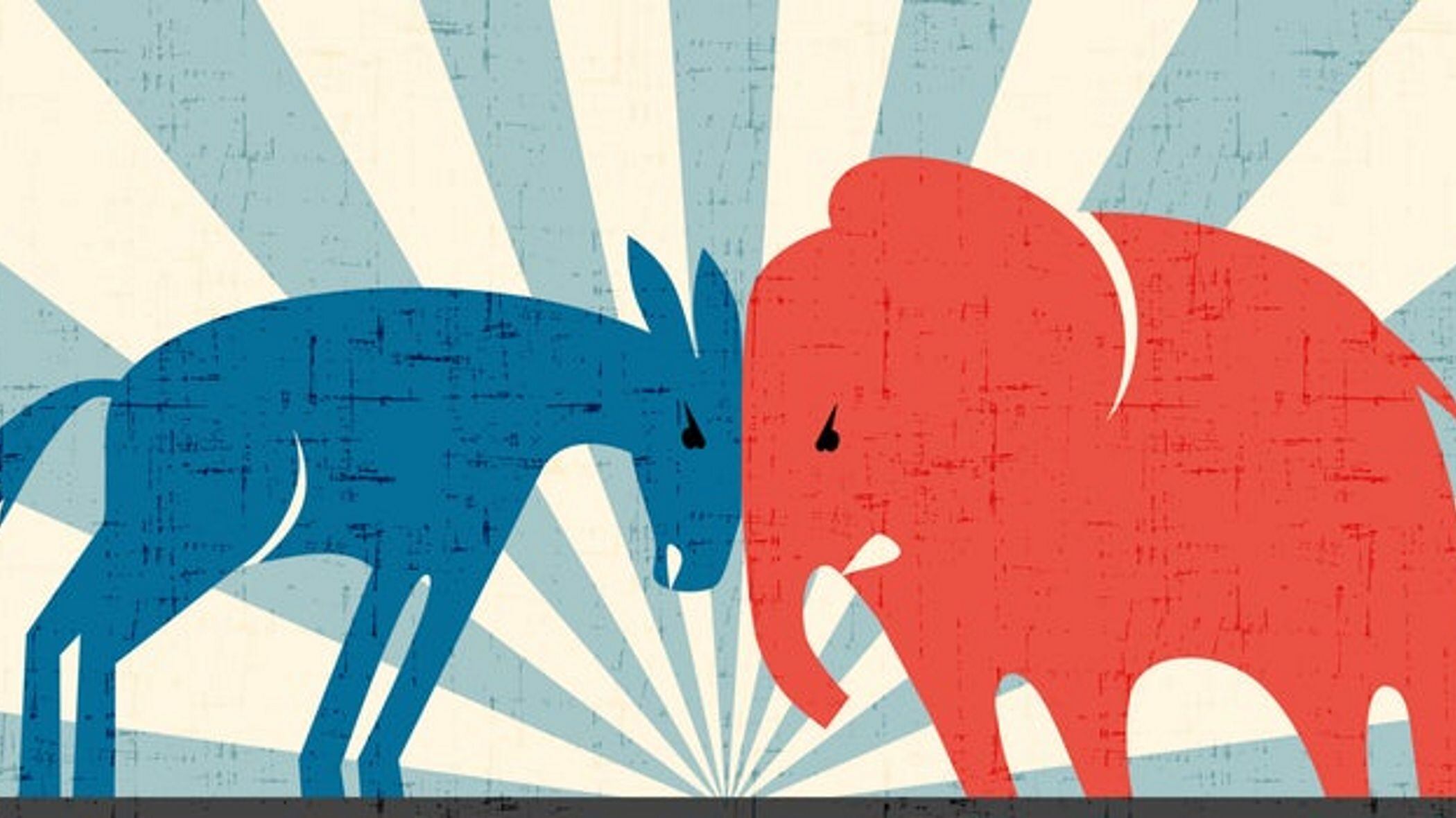
At work, however, there will be no such reprieve. Those of us lucky enough to have jobs will show up on November 4th, 5th, 6th or whenever we know who won. And there’s a good chance we’ll disagree with some of our coworkers on the consequences of this deeply divisive election.
What complicates all of this is that many of us are working remotely, so communication is even more strained than usual. Say someone pops off in your team Slack channel. You could disengage by whispering, “F**k you” to your laptop, then getting up to make a sandwich while you fume over all the ways that person is terrible. Or, the screen between you and your coworker might embolden you to type out an impassioned response you'd never offer in person. Likely, you won’t feel much resolution or solidarity either way. Technology can depersonalize our interactions with people, so we have to work harder to bridge the divide toward empathy.
Empathy is a core piece of the strategy that organizational psychologist and speaker Dr. Laura Gallaher suggests to make it through this time with company morale intact. Read on for more of her thoughts on how to navigate election tensions in the workplace.
Your argument with a coworker won’t change the election results
“Recognize that the conversations you’re having with your coworkers are not likely to change what's actually happening in the country,” Dr. Gallaher says. “If you're going to have any conversation about this, what matters is the relationship between the human beings involved, because you’re not going to change the results of the election. I think when people can keep that at the forefront of their mind — that the goal of this conversation is to foster connection and deepen understanding of each other — they’re a lot more likely to employ empathy and listening. And it can be really positive. I've seen people from opposite political sides have effective conversations, and they don't agree with each other, but they still feel more connected after the conversation.”
For leaders, defining purpose is key to overcoming division
“One of the things we talk about a lot with our clients is the importance of unity,” Gallaher says. “When you have a unified organization, that means people feel like they're genuinely on the same page, they believe in the same thing, and they’re going in the same direction. It’s more divisive and polarized than ever now, so it’s that much more important that leaders in the organization are really, really clear about things. What is your purpose statement? As in, what do you believe? How are you making the world a better place? You need to get to that kind of super high lofty sense of purpose that transcends the other things, because even though you're going to have people within an organization who feel differently about topics like politics or racism or patriarchy, when we focus on the things that we do have in common and our shared interests as an organization, that creates unity.”
Related: 4 Limiting Beliefs That Harm Workplace Relationships
Healthy conflict is a good thing
“We have one client whose purpose statement was to ‘level the playing field for small businesses.’ What connected them was this fundamental belief that they didn't want big business to dominate the world," Gallaher says. "But somebody can say, ‘Okay, we all care about small businesses, but I have a totally different idea about which candidate is going to do that better.’ We actually want to have that kind of healthy conflict inside an organization.
Purpose statements, values and strategy create unity and trust and allow healthy conflict. It doesn't make sense for every organization to talk super actively and openly about politics, but in some cases it makes a lot of sense. If there are huge implications around how one candidate is going to propose a regulation that will affect your business in a certain way, then absolutely talk about it. I think it's useful to consider setting some boundaries around political conversations. They don’t have to be rules but can be guidelines on what feels important to talk about.”
Paraphrase someone’s points back to them, even if you disagree
“The more defensive our reaction is to something, the more important it is to go, ‘Okay, say more. I want to understand.’ And then paraphrase what they’re saying," Gallaher says. "When it comes to political conversations, I think as humans, we are very, very bad at this, mostly because we're afraid that if we paraphrase back to somebody what they're saying, they might think that we agree. The reality is we're actually just helping them feel heard, while understanding them better as a human. And now they’re far more receptive to whatever it is that we're about to say. Sometimes we get into these unhealthy conflicts where nobody's really listening to each other.”
It’s harder to hate up close, as they say
“Being behind a screen, even if we're not anonymous, can absolutely change the tone of what's happening," Gallaher says. "There's a saying that it's hard to hate up close. That’s true. And even though you'll see human beings engage in unhealthy conflict in person, it doesn't tend to be the same. Some people are going to engage more because they're behind the screen and it feels easier for them to do that. And some people are going to opt out completely and go. ‘You can't even see all the faces I'm making at the things that you're saying.’ So I think it's useful for leaders to explicitly acknowledge that the election is happening, and to set some guidelines around what’s okay in terms of how to engage in conversation. Empathy is what comes up for me more than anything.”
Initiating a one-on-one conversation is a trust-building move
“I'm not a fan of brushing things under the rug, because I don't think that works well," Gallaher says. "But if you feel really pissed off about something someone said, then let yourself cool off. Give it a day, give it a week. But then you may want to go to that person and say, ‘Hey, I'm having a hard time with this. I would love to circle back with you and talk about it.’ That would be a trust-building move that can be a step towards connection.”
Related: Election Stress in Your Office? 8 Answers to Employers' Most ...
Opinions expressed by Entrepreneur contributors are their own.