*By Carlo Versano*
A few weeks ago, a Buzzfeed [article](https://www.buzzfeednews.com/article/annehelenpetersen/millennials-burnout-generation-debt-work) that coined the term "millennial burnout" went viral, with readers taking to social media to discuss the very particular sense of exhaustion felt by this generation, and how it's different from the universal stresses of daily life.
As Joni Rayos-Samilin, a "transformational" coach, explained to Cheddar, the source of millennial burnout can be traced to ー what else? ー the internet.
"Everyone knows what everyone's doing," Rayos-Samilin said, and social media has amplified that familiar feeling of FOMO to make people, particularly millennials, question their own self-worth.
Is my job good enough? Is my relationship good enough? Am I traveling enough?
It's exhausting.
That 24/7 feeling of being connected extends to work, where employees feel like they're never "off the clock." Even if companies tell their workers they don't need to respond to emails and Slack messages at all hours of the day, many still do out of a sense of responsibility or fear that if they don't, someone else will.
Burnout, of course, is a universal problem that has been exacerbated by the digital age. But the millennial generation is the first to fully deal with it as adults. In order to cope, Rayos-Samilin said she recommends to her clients that they create boundaries and set priorities, like scheduling time for the "real world" things that they value: conversations with friends, exercise, and even limited amounts of social media.
"Do what you need to do for self care," she said. Otherwise, it becomes too easy to give into the outside pressures of the connected world.
Rayos-Samilin said she's already seeing a backlash against constant social media use in some of her millennial clients, and [anecdotal data](https://sciencetrends.com/much-of-generation-z-might-be-leaving-facebook-and-other-social-media-platforms-behind/) shows that has spread to the next generation, known as Gen Z.
If there's a single way to fight burnout it's this: stop comparing yourself to others. That's a skill that goes back to the Buddhists, who use mindfulness meditation techniques to remind themselves to stay grounded in the present moment. Most of what you see online is a construct anyway, Rayos-Samilin said. It takes time, patience, and energy to fight the desire to wonder whether what you're doing is good enough ー especially now that everyone has a constant reminder in their pocket that someone, somewhere, is doing it better.
It's no secret tech giant Amazon has a mission of becoming a major player in sports media, and the company is poised to make progress on that goal in 2022. Amazon Prime Video will be the exclusive home to Thursday Night Football for the 2022-23 NFL season. In December, the New York Post reported that Amazon is in the beginning stages of developing studio sports programs, and hopes to soon have a full daily lineup of sports shows. Front Office Sports senior reporter A.J. Perez joined Cheddar News' Closing Bell to discuss.
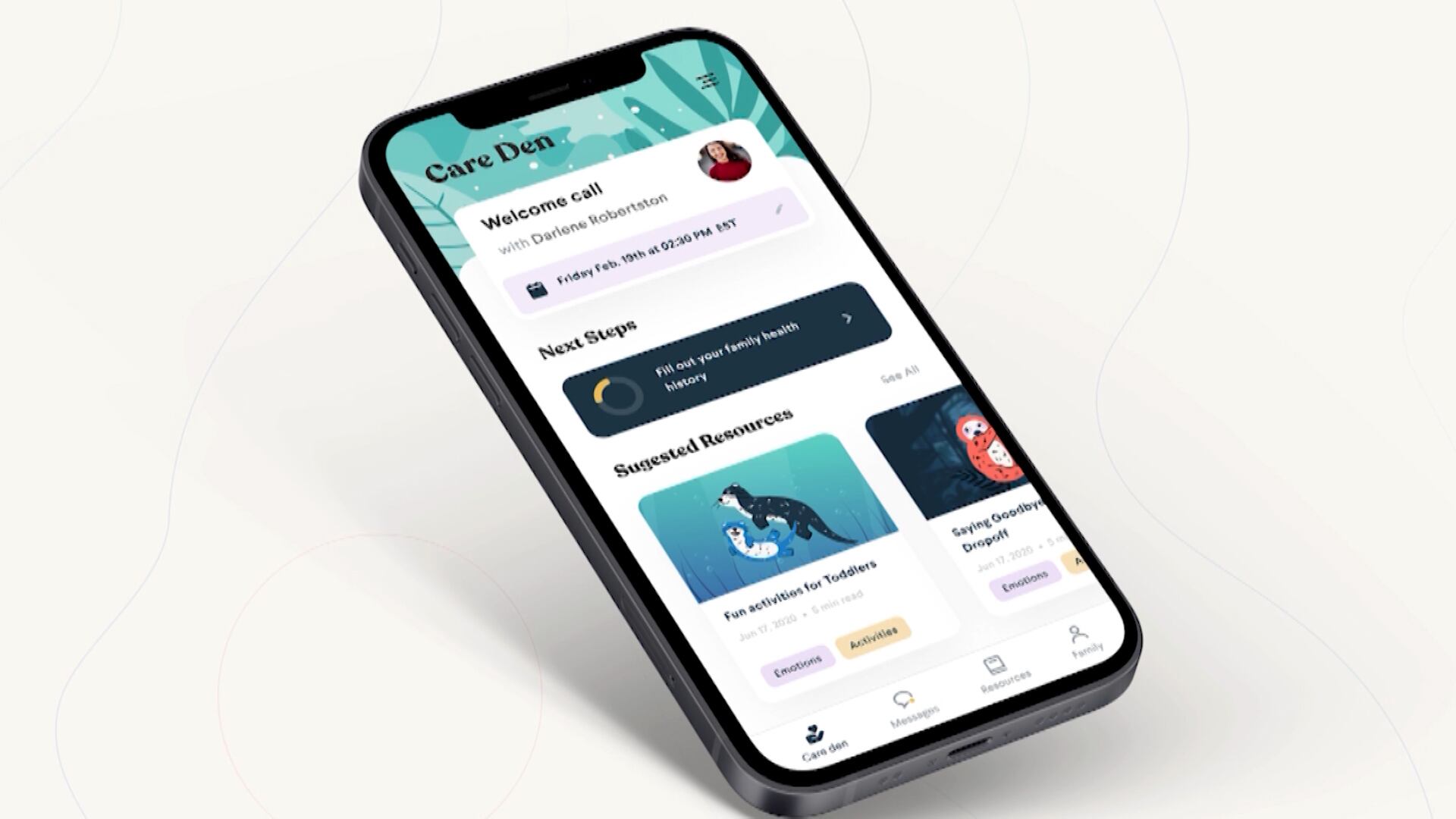
Digital mental health company Little Otter recently announced it closed a $22 million Series A round. Little Otter was founded in 2020 by a mother-daughter team, which based the company on the idea that a child's mental health can only be addressed by treating the whole family through technology available to everyone. Little Otter CEO and co-founder Rebecca Egger and her mother, Little Otter Chief Medical and Scientific Officer and co-founder Dr. Helen Egger joined Cheddar News' Closing Bell to discuss.
Adi Robertson, senior reporter at The Verge, joins Cheddar News to break down the battle between two NFT collections by Phunky Ape Yacht Club and PHAYC that are selling plagiarized Bored Ape Yacht Club designs.
Covid-19 has changed the way we view wellness. Jillian Hughes, communications director of Mental Health America, joins Cheddar News to discuss breaking the stigma around mental health. Justin Davis, CEO and co-founder of Spectrum Labs, weighs in on how social media impacts our wellbeing. Lastly, Precision Nutrition CEO Timothy Jones advices us on what trends to watch in 2022.
On this episode of Cheddar Innovates: Founder of Unlimited Tomorrow breaks down how he is creating completely 3D printed prosthetics to make them more affordable, customizable, and accessible; Chief Technology Officer of Zebra Technologies explains what the future of collaboration between robots and humans may look like; A look at Curiosity Stream's 'Mystery of the Roman Skulls.'
According to a recent analysis from ProPublica and the Wall Street Journal an analysis of Facebook posts, internal company documents, and interviews reveal key evidence about the social media giant's role in January 6 insurrection. National Reporter at ProPublica Craig Silverman, joined Cheddar to discuss more.
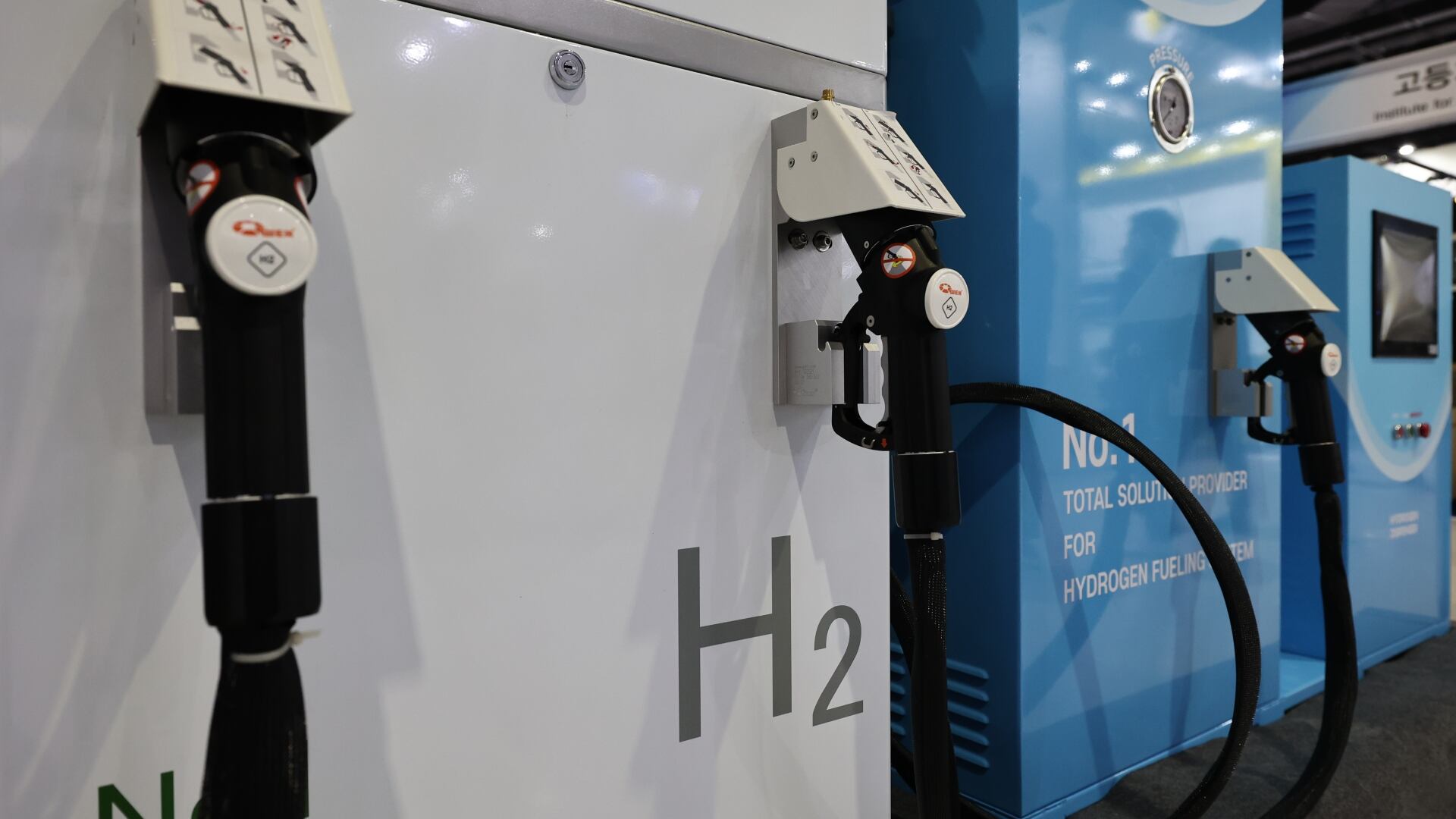
In the fight against climate change, much of the conversation revolves around reducing greenhouse gases like carbon dioxide or methane - and attempting to raise oxygen levels. But there's another gas - hydrogen - that could play a big role in the fight for the climate. Marco Alvera, CEO of Italian energy infrastructure company Snam and author of the book, 'The Hydrogen Revolution,' joined Cheddar Climate to explain the role hydrogen plays in helping achieve a net-zero future.