How to Build a Financial First-Aid Kit for Disasters
*By Carlo Versano*
The wildfires in California have demonstrated, among other things, just how quickly a natural disaster can upend your life. Unlike most hurricanes, which are relatively predictable and slow-moving enough for days of preparation, wildfires can ignite out of nowhere ー and they're no longer confined to "fire season" in the parched west. Residents of Paradise, Calif., a town destroyed by the Camp Fire last week, did not even receive evacuation orders until they smelled the smoke. For dozens of them, it was too late.
But the tragedy can serve as a reminder of the importance of financial readiness, said Tony Steuer, author of the financial preparedness guidebook "Get Ready." In that book, he argues that everyone should have a "get ready kit" that they can take with them if they're forced to evacuate ーa resource that can also help the friends and family left behind in the event of a worst case scenario.
Here are his tips to Cheddar for starting a financial first-aid kit:
1. Buy a binder. It's old school, but it still works. Put all your relevant financial documents in it.
2. List your assets, home, and real estate holdings.
3. Organize your retirement plans, debts, personal loans, living expenses, and taxes.
4. Document important information for your heirs. Don't assume they already know it.
5. Assemble an insurance portfolio that includes mandatory plans, like car insurance, and any other coverage you have. If you rent, don't sleep on getting renters insurance. It's cheap and will cover you when your landlord's coverage won't (and it won't).
6. Evaluate your financial readiness. Make regular check ups, and do an overhaul after any major life event ー like marriage or the birth of any children.
"The best first-aid kit is the one that you have with you," Steuer said.
That goes for financial first aid, too.
For full interview [click here](https://cheddar.com/videos/how-to-prepare-your-financial-first-aid-kit-before-disaster-strikes).
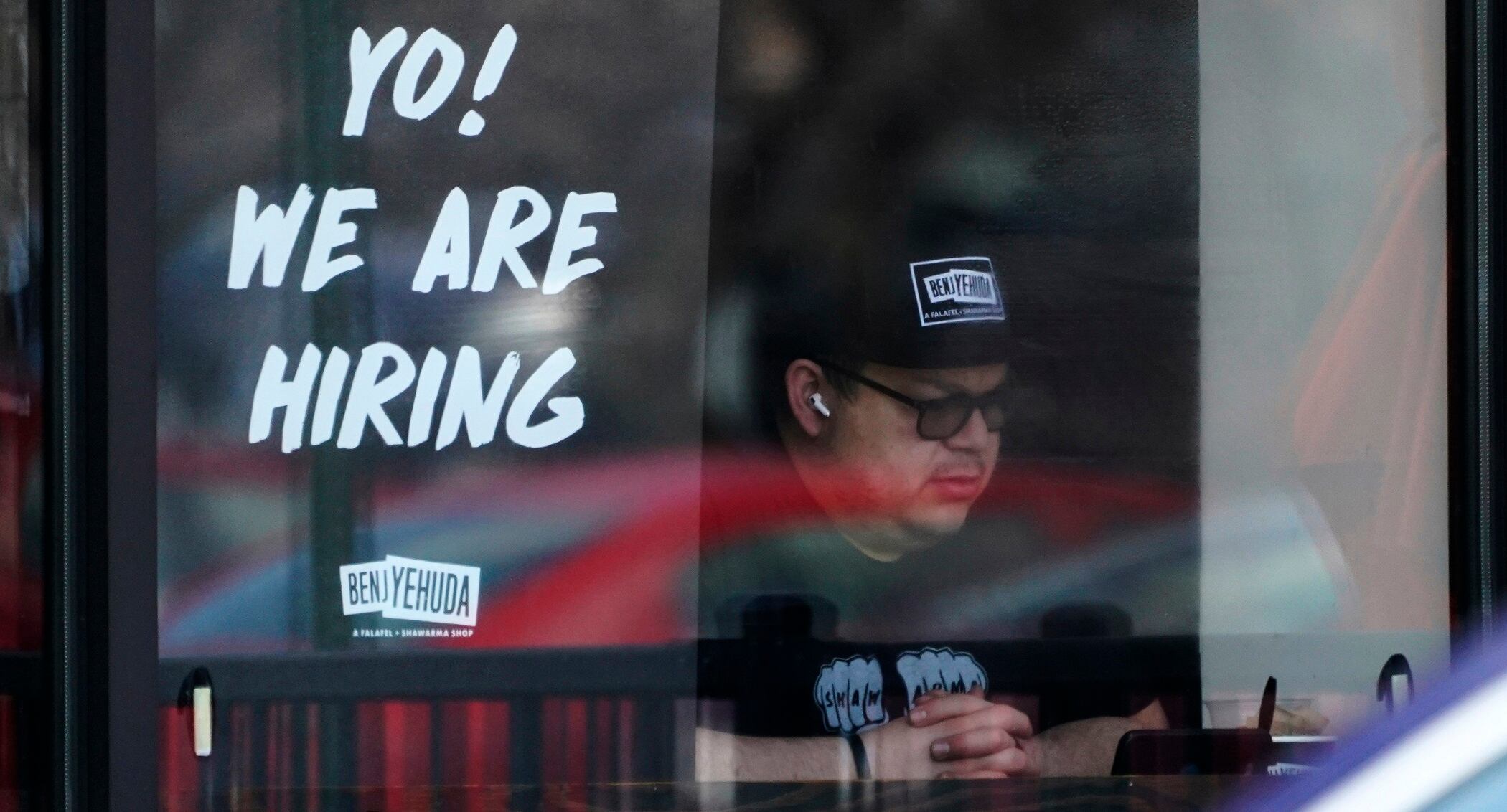
U.S. employers added 390,000 jobs in May, extending a streak of solid hiring that has bolstered an economy under pressure from high inflation and rising interest rates.
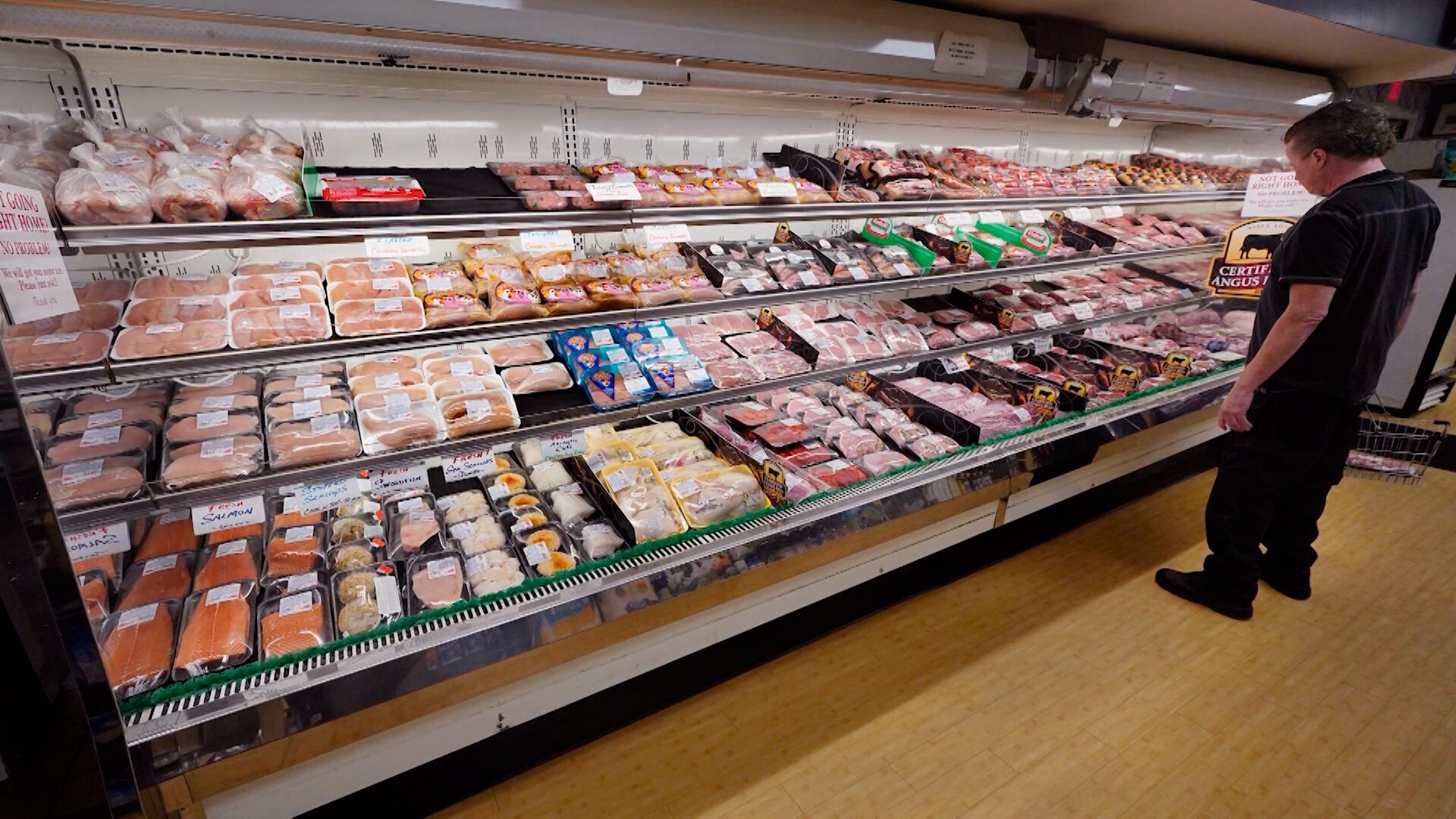
The White House is earmarking $2.1 billion to help secure the nation's food supply, amid widespread shortages due to the pandemic, Russia's war in Ukraine, and rising inflation. The Biden administration's plans are expected to shore up food infrastructure and distribution while also aiding farmers. Bread for the World Senior International Policy Advisor Abiola Afolayan joined Cheddar News' Closing Bell to discuss.
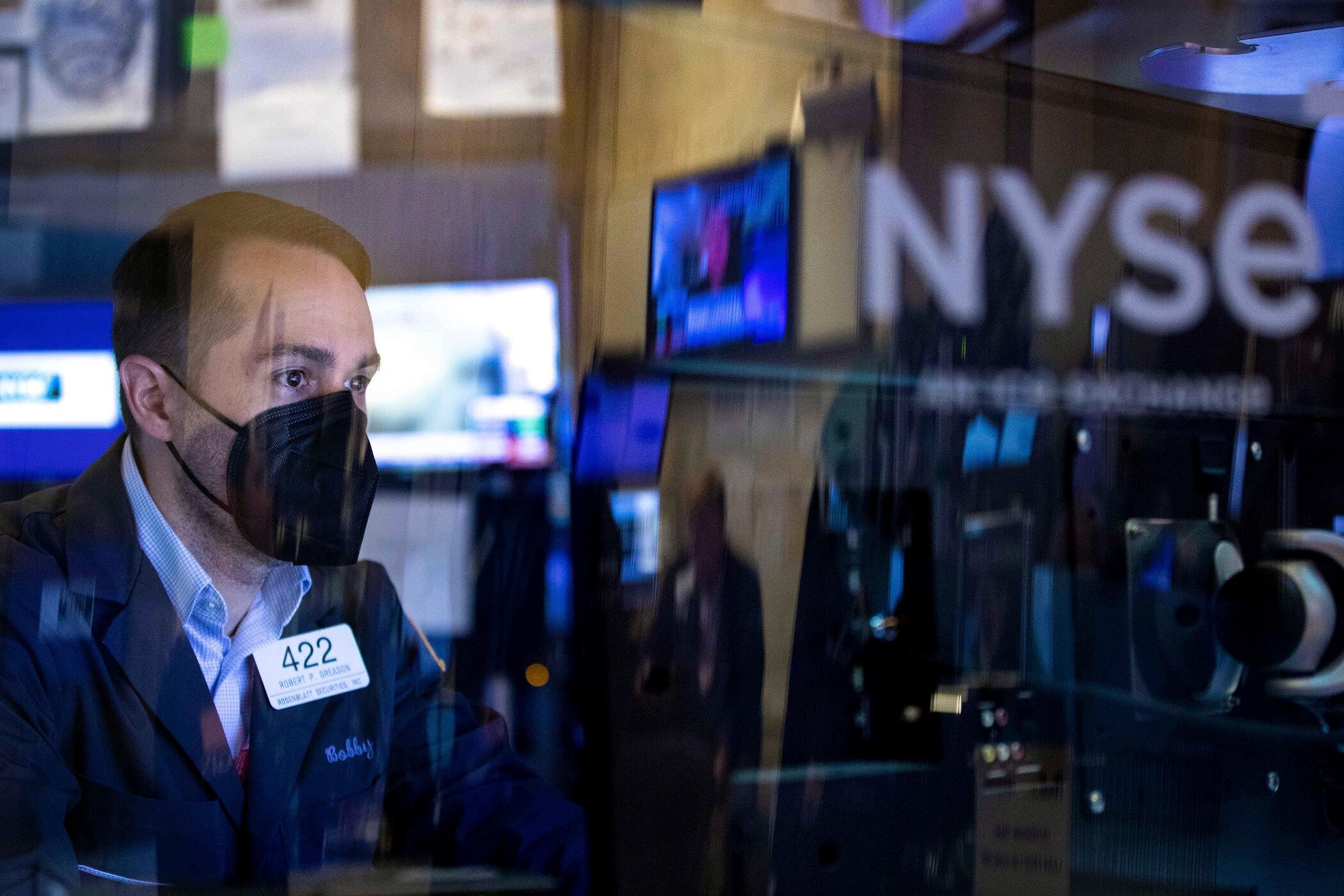
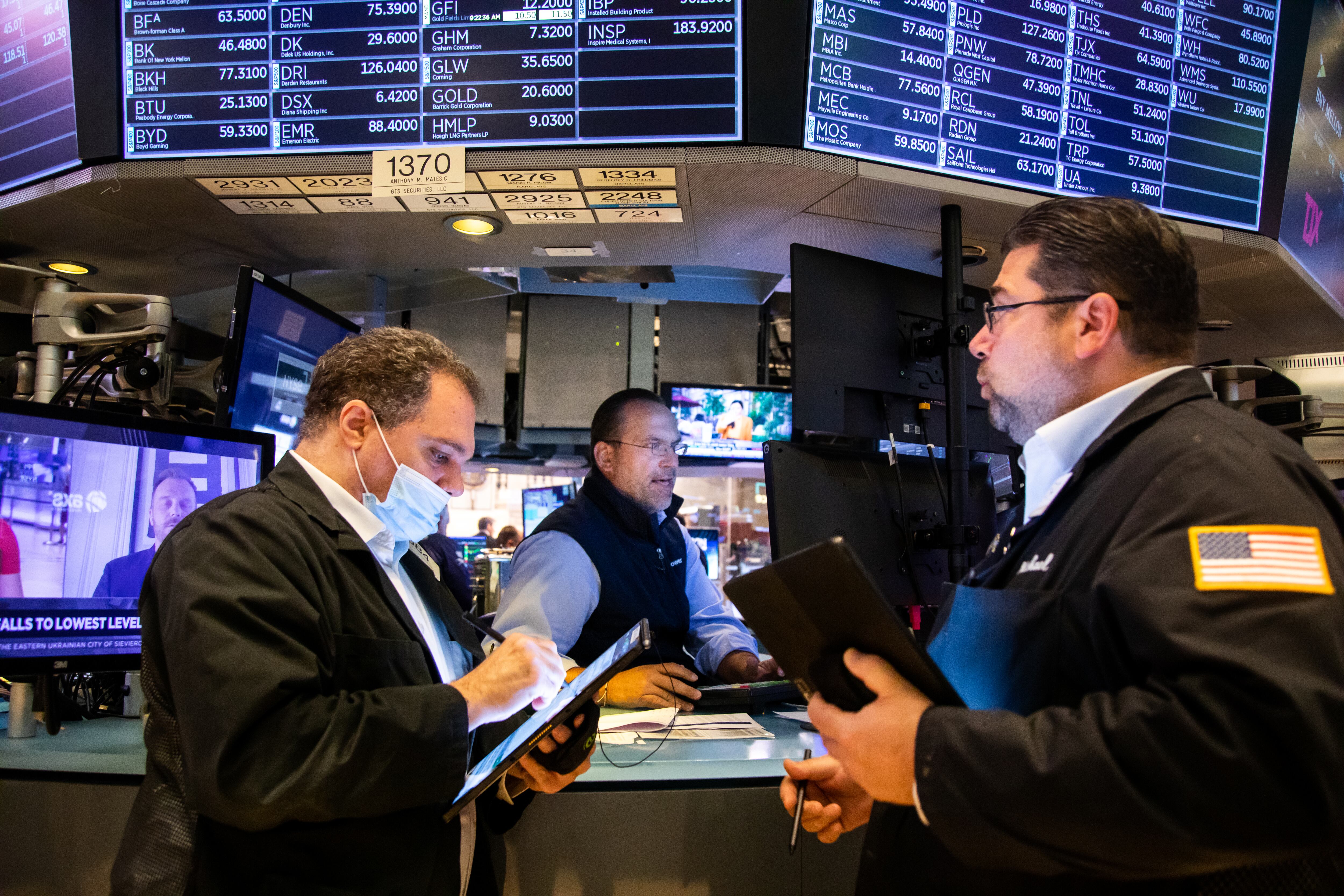
Concerns about economic growth are weighing down sentiment on Wall Street, as investors also monitor the uncertain impact of the Federal Reserve's quantitative tightening - the process of reducing its $9 trillion balance sheet it built up over the course of the pandemic. The Fed's QT is meant to normalize monetary policy while bringing down inflation, something the White House calls a 'top economic priority.' As Americans cope with higher prices for everyday essentials, Treasury Secretary Janet Yellen admitted that she was wrong about inflation being 'transitory,' as extenuating factors have caused inflation from the pandemic to worsen. JPMorgan CEO Jamie Dimon also weighed in on inflation and the state of the economy, warning investors to brace for a so-called economic 'hurricane' due to impacts from inflation and Russia's war in Ukraine. The still-tight job market is putting pressure on the economy as well, as the latest JOLTS report shows job openings in the U.S. are down from record highs but remain high.
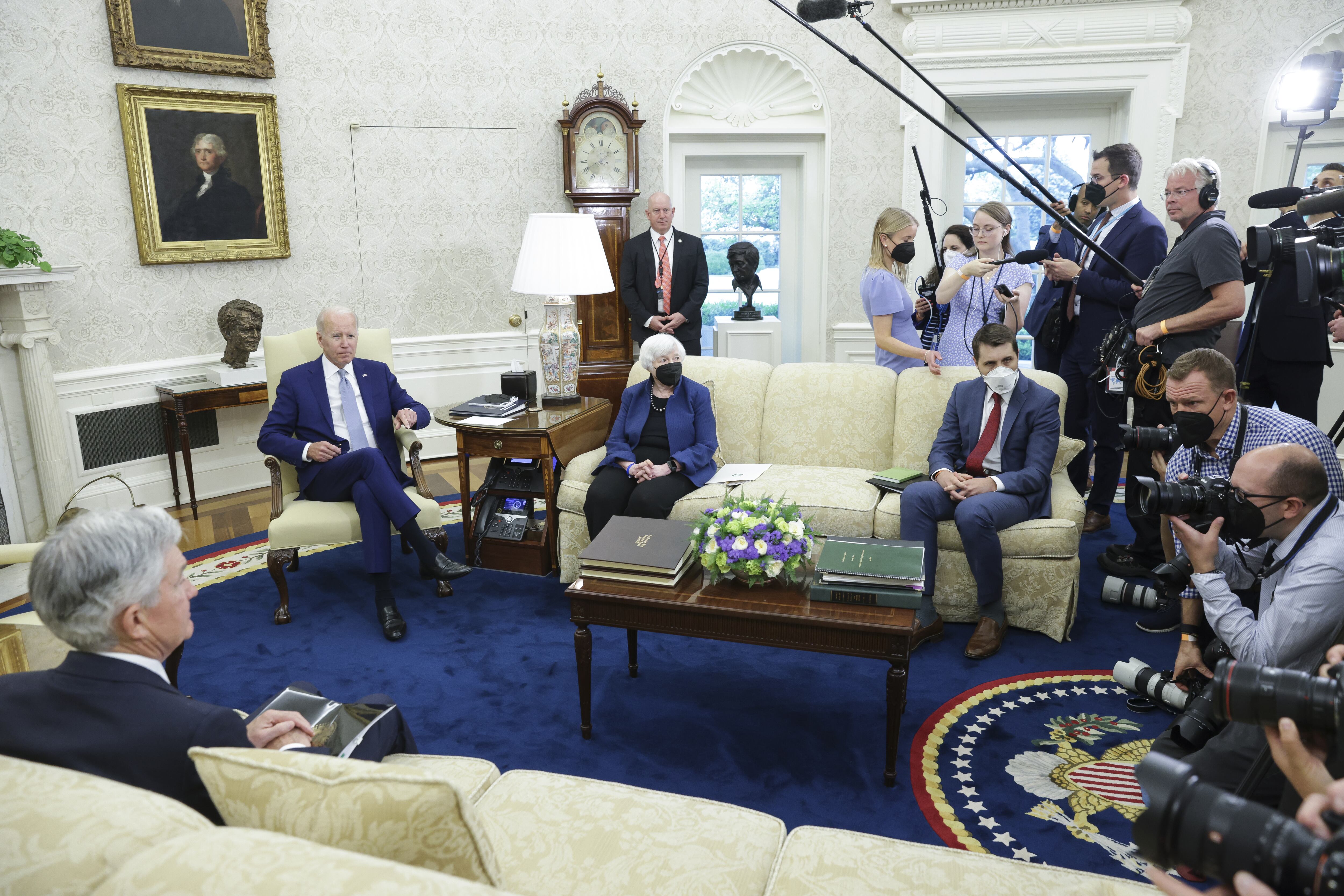
President Biden and Federal Reserve chair Jerome Powell meet at the White House today for the first time since Powell's renomination to the position. The President and the Fed Chair discussed the economy and historically high inflation, as new data shows inflation may be cooling slightly. Morning Consult economic analyst Jesse Wheeler joins Cheddar News' Closing Bell to discuss how the Biden administration at the U.S. central bank can work together to combat soaring prices for American consumers.
Gene Goldman, Chief Investment Officer at Cetera, joins Cheddar News' Closing Bell, where he breaks down the reasons behind Thursday's bounce-back performance on Wall Street. Goldman also provides a dose of investing advice, highlighting the sectors he's favoring right now.
David Scranton, CEO and Founder of Sound Income Strategies, joins Cheddar News' Closing Bell, where he provides his insight into why markets ended Wednesday's session lower and hones in on what he's looking for when it comes to the Fed combating inflation.
ADP's Chief Economist Nela Richardson joins Cheddar News' Closing Bell for a look at the job market in the United States. She breaks down the numbers behind her firm's latest findings and says her biggest concern lies in the continuing loss of jobs at small businesses, which shed 91,000 jobs during the month of May.