How to Build a Financial First-Aid Kit for Disasters
*By Carlo Versano*
The wildfires in California have demonstrated, among other things, just how quickly a natural disaster can upend your life. Unlike most hurricanes, which are relatively predictable and slow-moving enough for days of preparation, wildfires can ignite out of nowhere ー and they're no longer confined to "fire season" in the parched west. Residents of Paradise, Calif., a town destroyed by the Camp Fire last week, did not even receive evacuation orders until they smelled the smoke. For dozens of them, it was too late.
But the tragedy can serve as a reminder of the importance of financial readiness, said Tony Steuer, author of the financial preparedness guidebook "Get Ready." In that book, he argues that everyone should have a "get ready kit" that they can take with them if they're forced to evacuate ーa resource that can also help the friends and family left behind in the event of a worst case scenario.
Here are his tips to Cheddar for starting a financial first-aid kit:
1. Buy a binder. It's old school, but it still works. Put all your relevant financial documents in it.
2. List your assets, home, and real estate holdings.
3. Organize your retirement plans, debts, personal loans, living expenses, and taxes.
4. Document important information for your heirs. Don't assume they already know it.
5. Assemble an insurance portfolio that includes mandatory plans, like car insurance, and any other coverage you have. If you rent, don't sleep on getting renters insurance. It's cheap and will cover you when your landlord's coverage won't (and it won't).
6. Evaluate your financial readiness. Make regular check ups, and do an overhaul after any major life event ー like marriage or the birth of any children.
"The best first-aid kit is the one that you have with you," Steuer said.
That goes for financial first aid, too.
For full interview [click here](https://cheddar.com/videos/how-to-prepare-your-financial-first-aid-kit-before-disaster-strikes).
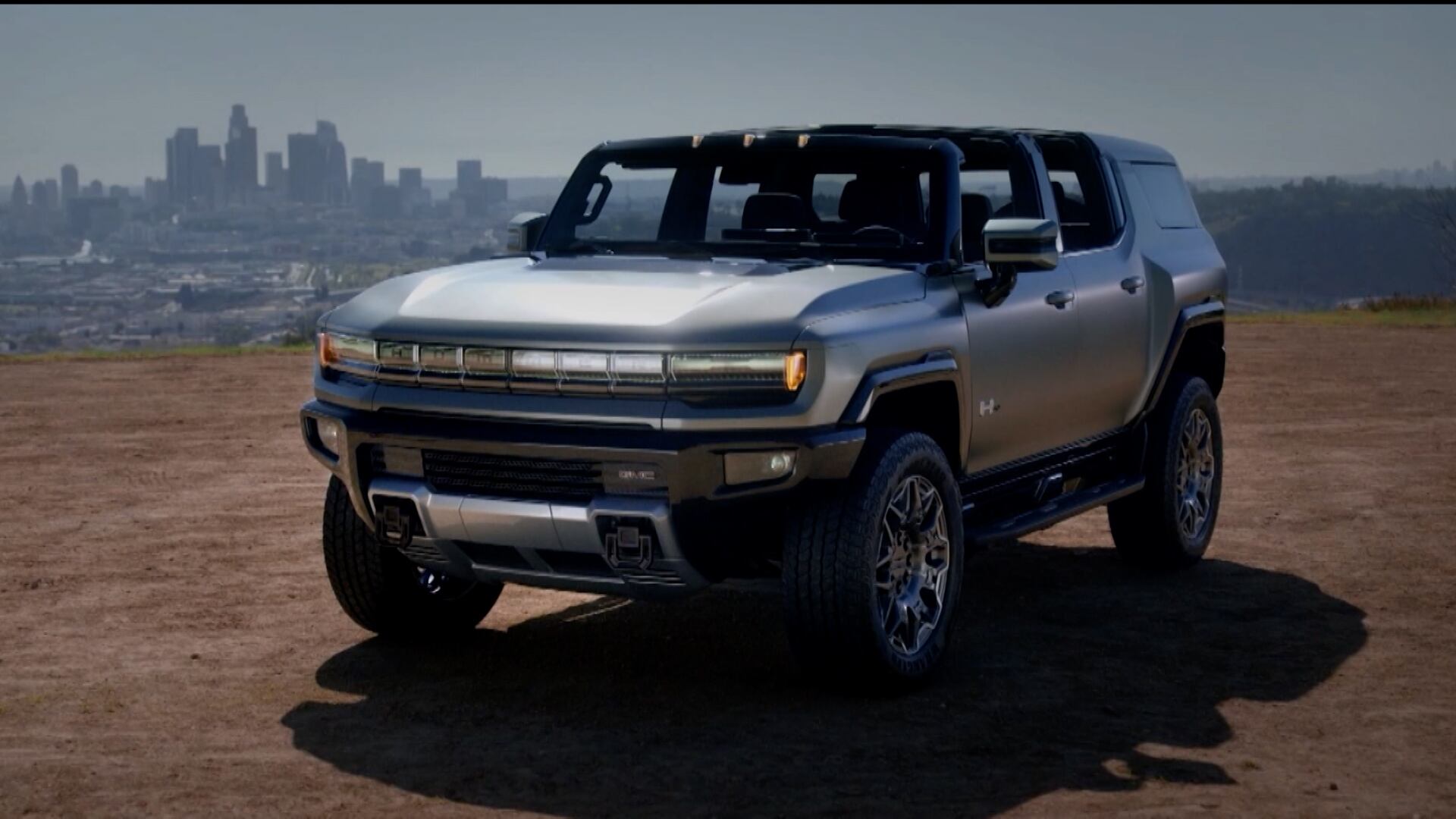
GM CFO Paul Jacobson joined Cheddar to talk about the automaker's Q3 earnings beat. Despite COVID concerns at some of its plants overseas as well as the ongoing global chip shortage, Jacobson said he expects the average sale price of GM's vehicles — around $50,000 — to remain the same going into 2022, even as inventory remains low. He also talked about plans to open more battery plants in coordination with the efforts to transform GM's fleet fully into electric vehicles.
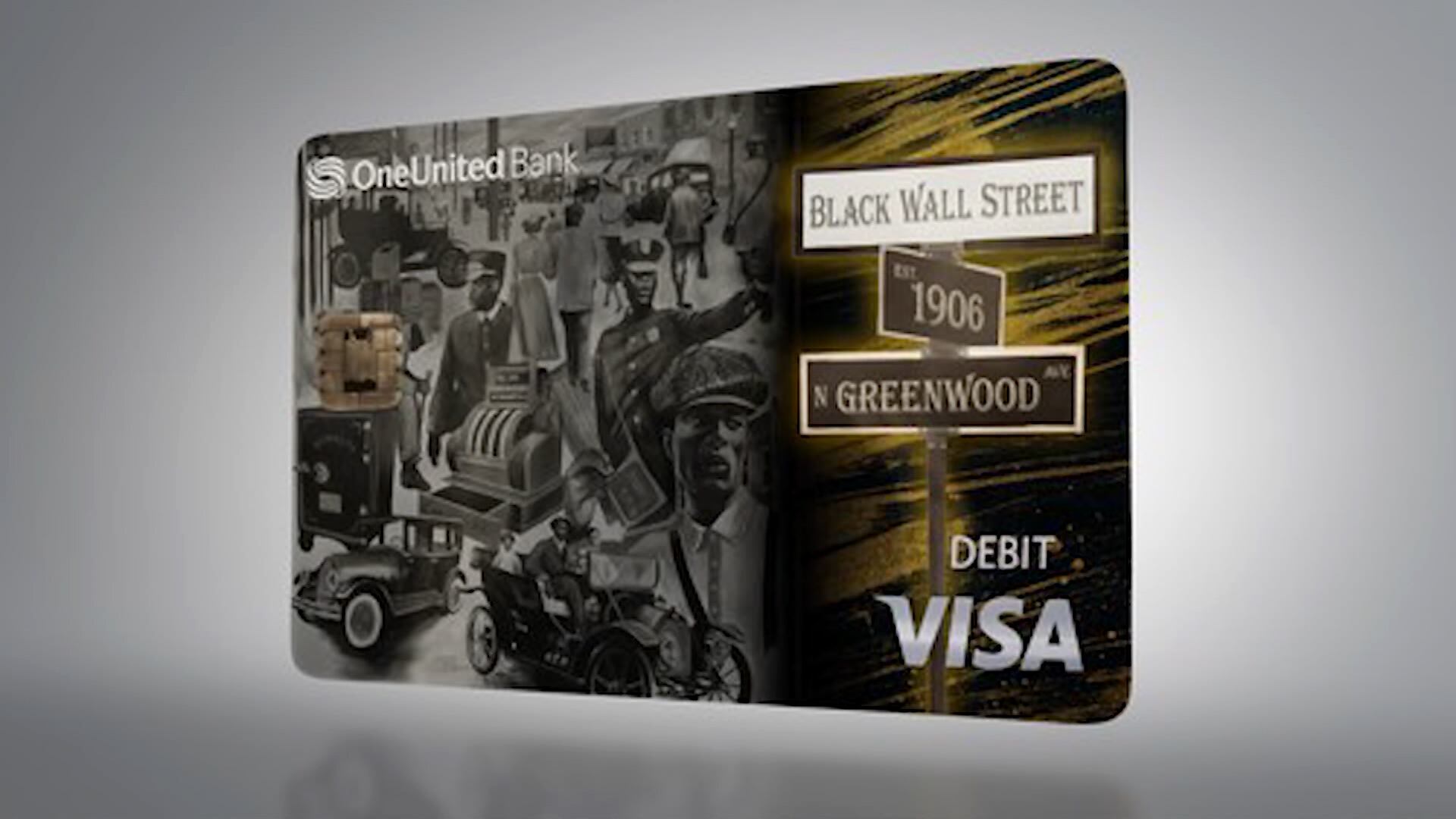
Kevin Cohee, chairman and CEO of OneUnited Bank, joined Cheddar's "Opening Bell" to talk about the launch of its Greenwood debit card keeping alive the legacy of Tulsa, Oklahoma's historic Black Wall Street. Cohee also discussed the importance of shopping with Black businesses and investing in Black-led and owned financial institutions. "Our leaders have understood, since the end of slavery, the importance of us being organized in order to be effective in a capitalist society," he said.
Alex Wilhelm, a senior editor at TechCrunch, joined Cheddar to talk about the ups and downs of fashion rental company Rent the Runway as it went public on the Nasdaq. "In the case of Rent the Runway, the economics of its core business are a little bit suspect, I think, and the company's high debt load puts a pretty serious drag on its operations," he said. "And so when you consider it's going to spend a lot of its IPO paying down debt, you wonder what's going to be left over to fund future growth."
Following the 100,000 Tesla Model-3 order by rental car company Hertz, Uber announced its drivers will be able to rent Teslas for work beginning in 2023. Of the Hertz purchased Model 3 cars, 50,000 of those will be available to Uber drivers starting at $344 per week.
A wave of companies spanning several industries is reporting their Q3 earnings reports on Wednesday. Strategic marketing across brands is said to have played a role in what's looking like a successful quarter overall.