How to Build a Financial First-Aid Kit for Disasters
*By Carlo Versano*
The wildfires in California have demonstrated, among other things, just how quickly a natural disaster can upend your life. Unlike most hurricanes, which are relatively predictable and slow-moving enough for days of preparation, wildfires can ignite out of nowhere ー and they're no longer confined to "fire season" in the parched west. Residents of Paradise, Calif., a town destroyed by the Camp Fire last week, did not even receive evacuation orders until they smelled the smoke. For dozens of them, it was too late.
But the tragedy can serve as a reminder of the importance of financial readiness, said Tony Steuer, author of the financial preparedness guidebook "Get Ready." In that book, he argues that everyone should have a "get ready kit" that they can take with them if they're forced to evacuate ーa resource that can also help the friends and family left behind in the event of a worst case scenario.
Here are his tips to Cheddar for starting a financial first-aid kit:
1. Buy a binder. It's old school, but it still works. Put all your relevant financial documents in it.
2. List your assets, home, and real estate holdings.
3. Organize your retirement plans, debts, personal loans, living expenses, and taxes.
4. Document important information for your heirs. Don't assume they already know it.
5. Assemble an insurance portfolio that includes mandatory plans, like car insurance, and any other coverage you have. If you rent, don't sleep on getting renters insurance. It's cheap and will cover you when your landlord's coverage won't (and it won't).
6. Evaluate your financial readiness. Make regular check ups, and do an overhaul after any major life event ー like marriage or the birth of any children.
"The best first-aid kit is the one that you have with you," Steuer said.
That goes for financial first aid, too.
For full interview [click here](https://cheddar.com/videos/how-to-prepare-your-financial-first-aid-kit-before-disaster-strikes).
The CEO at Activision Blizzard Bobby Kotick apologized to employees after the company had been rocked by the public airing of sexual harassment claims that went unchecked. Kotick also asked that his compensation of more than $150 million be slashed to just over $62,000.
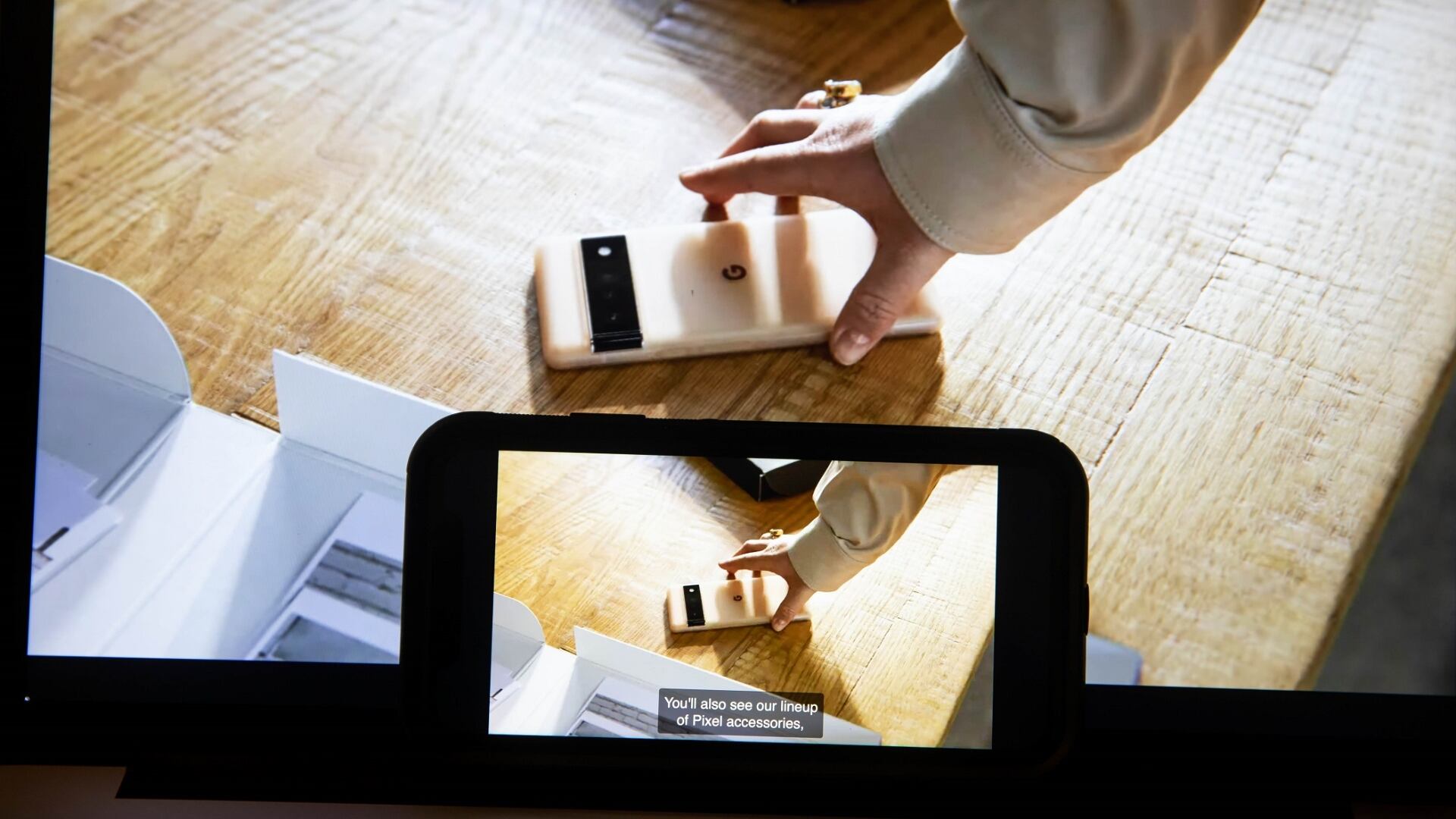
Cheddar's Ken Buffa took the Pixel 6 Pro for a test drive, highlighting some of the new features. The latest Google smartphone comes with an upgraded camera visor that holds three cameras in place as well as Gorilla Glass Victus covering the front and back protecting against drops and scratches. The device also contains Google's first homemade processor chip called Tensor and retails for about $899.
Overstock CEO Jonathan Johnson joined Cheddar's "Opening Bell" to talk about the company's Q3 earnings beat. While supply chain issues have plagued businesses across industries, Johnson noted that the company largely avoided constraints by not pressuring suppliers to fill Overstock's own distribution centers, encouraging them to use their own. "We have a higher in-stock percentage today than we did a year ago. Not quite as high as we did pre-pandemic but better than it was last year at this time," he said.
Google notified a number of small and medium-sized customers that potential antitrust bills could have negative impacts on their own businesses. The warning appears to be an effort to drum up enough opposition to give pause to lawmakers before enacting any such legislation.
Anthony Bartolacci, VP of financials of data Sensor Tower, joined Cheddar to talk about Robinhood's massive earnings miss. He attributed part of it to the platform's exposure to cryptocurrency and its lackluster performance in Q3 following volatility. Bartolacci also noted some headwinds from a drop in engagement on the platform due to people returning to work and having less time to day trade contributing to the miss.