How to Build a Financial First-Aid Kit for Disasters
*By Carlo Versano*
The wildfires in California have demonstrated, among other things, just how quickly a natural disaster can upend your life. Unlike most hurricanes, which are relatively predictable and slow-moving enough for days of preparation, wildfires can ignite out of nowhere ー and they're no longer confined to "fire season" in the parched west. Residents of Paradise, Calif., a town destroyed by the Camp Fire last week, did not even receive evacuation orders until they smelled the smoke. For dozens of them, it was too late.
But the tragedy can serve as a reminder of the importance of financial readiness, said Tony Steuer, author of the financial preparedness guidebook "Get Ready." In that book, he argues that everyone should have a "get ready kit" that they can take with them if they're forced to evacuate ーa resource that can also help the friends and family left behind in the event of a worst case scenario.
Here are his tips to Cheddar for starting a financial first-aid kit:
1. Buy a binder. It's old school, but it still works. Put all your relevant financial documents in it.
2. List your assets, home, and real estate holdings.
3. Organize your retirement plans, debts, personal loans, living expenses, and taxes.
4. Document important information for your heirs. Don't assume they already know it.
5. Assemble an insurance portfolio that includes mandatory plans, like car insurance, and any other coverage you have. If you rent, don't sleep on getting renters insurance. It's cheap and will cover you when your landlord's coverage won't (and it won't).
6. Evaluate your financial readiness. Make regular check ups, and do an overhaul after any major life event ー like marriage or the birth of any children.
"The best first-aid kit is the one that you have with you," Steuer said.
That goes for financial first aid, too.
For full interview [click here](https://cheddar.com/videos/how-to-prepare-your-financial-first-aid-kit-before-disaster-strikes).
Earnings season continues in the week of November 15-19, with results on tap from Walmart, Home Depot, Lowe's, Target, and more. New economic data on Tuesday will provide a deeper look at the retail space when the Commerce Department releases October retail sales numbers, following this week's hot inflation data. Plus, President Biden is set to visit GM's electric vehicle factory in Michigan, where he is expected to formally introduce the plant's grand opening.
On this episode of 'Your Future Home', Chip Wade, Emmy Award-winning HGTV Host, breaks down all the ways you can avoid breaking the bank on energy costs this holiday season, especially when it comes to outfitting your home with smart tech; Dr. Wendy Osefo, Entrepreneur, Professor & Cast Member of Bravo's 'Real Housewives of Potomac', discusses her popular new Onyi Home Essentials line and how ideas of family and legacy helped shape it; Cheddar breaks down everything you need to know about how to determine your non-negotiables when purchasing a house.
One NFL team says it is using data to help it win off the field. The Seattle Seahawks say they want to be a source of inspiration for other organizations that want to reap the rewards of a data-driven culture and aim to show the unlikely role data can play in professional sports operations. Seattle Seahawks Director of Business Strategy and Analytics Paimon Jaberi joins Cheddar News' Closing Bell to discuss.
Aurora Cannabis CEO Miguel Martin joins Cheddar News' Closing Bell to discuss the company's latest earnings results, how it will achieve positive EBITDA by 2023, and the state of the cannabis industry amid potential U.S. federal legalization.
Disney saw misses on both its top and bottom lines for its fourth quarter. The entertainment giant also fell just short of Wall Street expectations for new Disney+ subscribers. CFRA Research media and entertainment analyst Tuna Amobi joined Cheddar News' Closing Bell to break down what this means for the future of Disney.
Johnson & Johnson is the latest company to announce this week it is splitting into two companies, separating its consumer operations from its pharmaceutical and medical devices unit. Electronics firm Toshiba also made a similar announcement today, and General Electric earlier this week also said it would be spinning off its aviation, healthcare, and power businesses. What does this mean for investors - and will this become a trend among conglomerates? Barron's Senior Writer Al Root joins Cheddar News' Closing Bell to discuss why Johnson & Johnson is splitting up, what this strategy means for conglomerates, and why they might pursue a break-up.
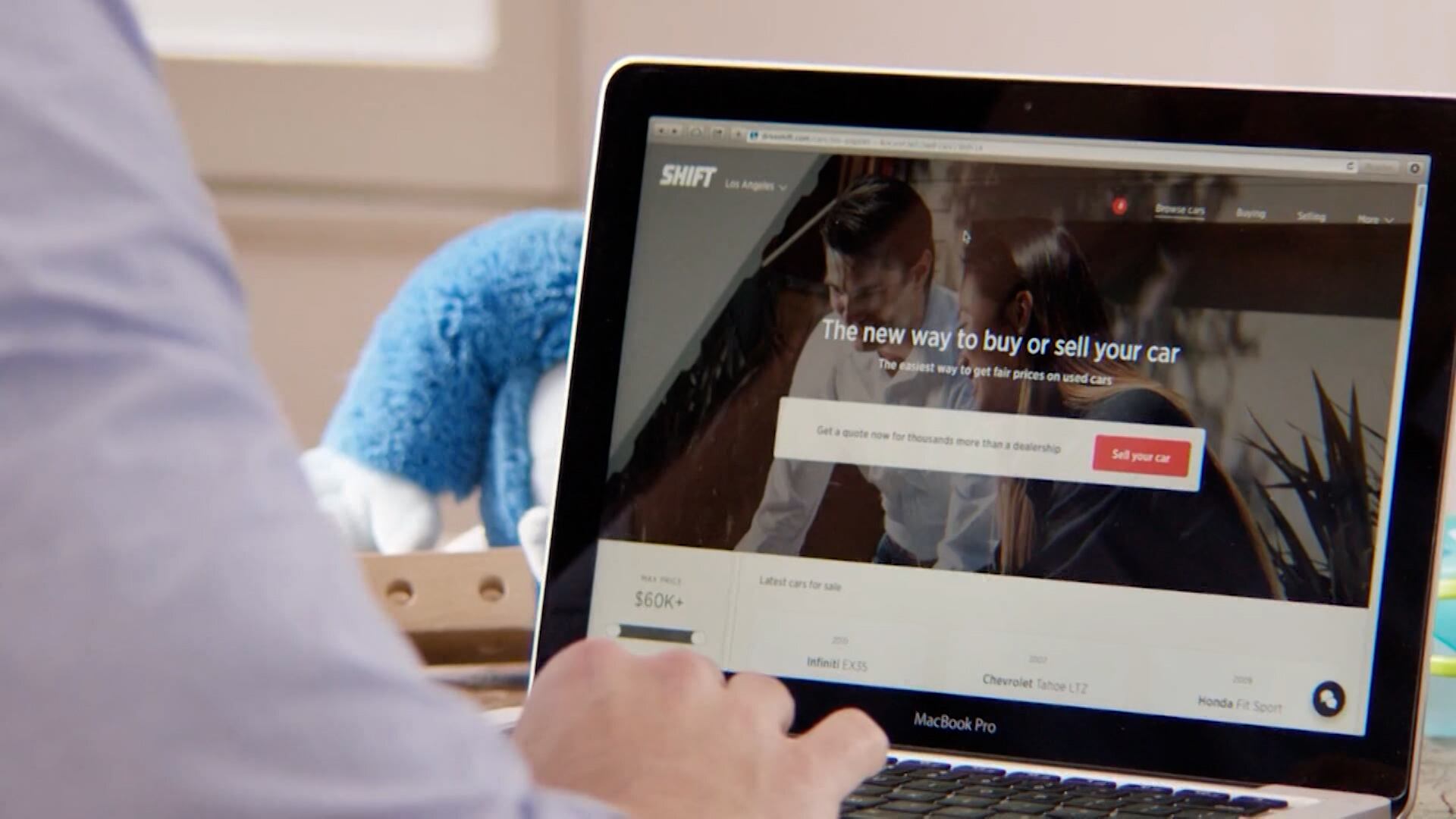
Business is booming for the used car marketplace Shift while the automotive industry as a whole struggles with demand and supply chain issues stemming from the global semiconductor shortage. Co-CEO and co-founder George Arison joined Cheddar's "Closing Bell" to talk about the company's stellar Q3 earnings and how it was able to meet demand.
Disney+ miss on new subscribers in Q3 and the growing momentum for moviegoers returning to brick-and-mortar theaters has brought the streaming business into question. Seth Schachner, managing director at Strat Americas, joined Cheddar to discuss the state of streaming and the growing number of options consumers have. "Streaming is for sure here to stay and I think more robust than ever," he said. "The real thing that's happening, not just to Hollywood but to lots of verticals from music to sports, is just that there's tons and tons of consumer choice."
Peter Weber, author and star of ABC's The Bachelor, joined Cheddar to talk about his new children's book, "The Adventures of Pilot Pete," scheduled for release on Nov. 23. Weber, a real commercial pilot, said that while fellow Bachelor Nation contestants tend to write books following their experience on the small screen, one of the reasons he opted to write a children's book instead was the prospect of the longevity it could provide.