How to Build a Financial First-Aid Kit for Disasters
*By Carlo Versano*
The wildfires in California have demonstrated, among other things, just how quickly a natural disaster can upend your life. Unlike most hurricanes, which are relatively predictable and slow-moving enough for days of preparation, wildfires can ignite out of nowhere ー and they're no longer confined to "fire season" in the parched west. Residents of Paradise, Calif., a town destroyed by the Camp Fire last week, did not even receive evacuation orders until they smelled the smoke. For dozens of them, it was too late.
But the tragedy can serve as a reminder of the importance of financial readiness, said Tony Steuer, author of the financial preparedness guidebook "Get Ready." In that book, he argues that everyone should have a "get ready kit" that they can take with them if they're forced to evacuate ーa resource that can also help the friends and family left behind in the event of a worst case scenario.
Here are his tips to Cheddar for starting a financial first-aid kit:
1. Buy a binder. It's old school, but it still works. Put all your relevant financial documents in it.
2. List your assets, home, and real estate holdings.
3. Organize your retirement plans, debts, personal loans, living expenses, and taxes.
4. Document important information for your heirs. Don't assume they already know it.
5. Assemble an insurance portfolio that includes mandatory plans, like car insurance, and any other coverage you have. If you rent, don't sleep on getting renters insurance. It's cheap and will cover you when your landlord's coverage won't (and it won't).
6. Evaluate your financial readiness. Make regular check ups, and do an overhaul after any major life event ー like marriage or the birth of any children.
"The best first-aid kit is the one that you have with you," Steuer said.
That goes for financial first aid, too.
For full interview [click here](https://cheddar.com/videos/how-to-prepare-your-financial-first-aid-kit-before-disaster-strikes).
Earnings season continues in the week of December 6 - 10, and that's only the start of a slate of events on the calendar that may move markets. We will also see executives from the crypto world and Instagram Head Adam Mosseri testify before members of Congress, and Square's name change to Block officially goes into effect.
Joe Gagliese, Co-Founder and CEO of Viral Nation, joins Cheddar News' Closing Bell, where he discusses how influencer marketing is coming to cryptocurrencies and NFTs and outlines what we could expect to see on that front in 2022.
Stocks closed lower Friday after a volatile week that saw investor skittishness over the COVID-19 omicron variant. Investors were also eyeing the mixed November jobs report, which showed a lower than expected number of 210,000 jobs added, but unemployment falling to 4.2%. Aadil Zaman, Partner at Wall Street Alliance Group, joins Cheddar News' Closing Bell to discuss today's close, the mixed jobs report, what impact the omicron variant could have on markets, and more.
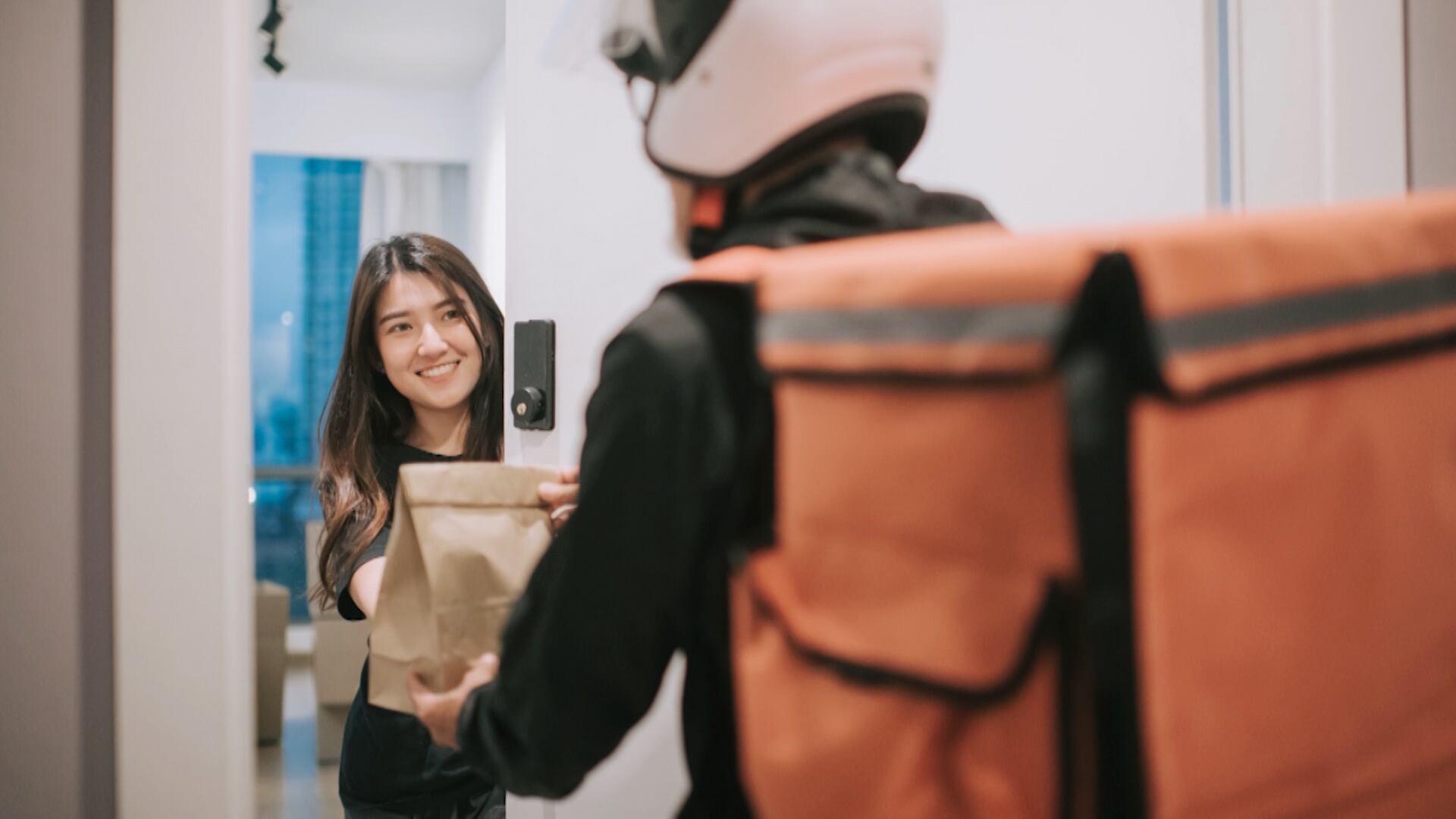
Many restaurants across the country have lately turned off delivery and online orders during peak hours, as eateries are still struggling with labor shortages and as many are also seeing more customers return for in-person dining. Wall Street Journal reporter Heather Haddon joins Cheddar News' Closing Bell to discuss.
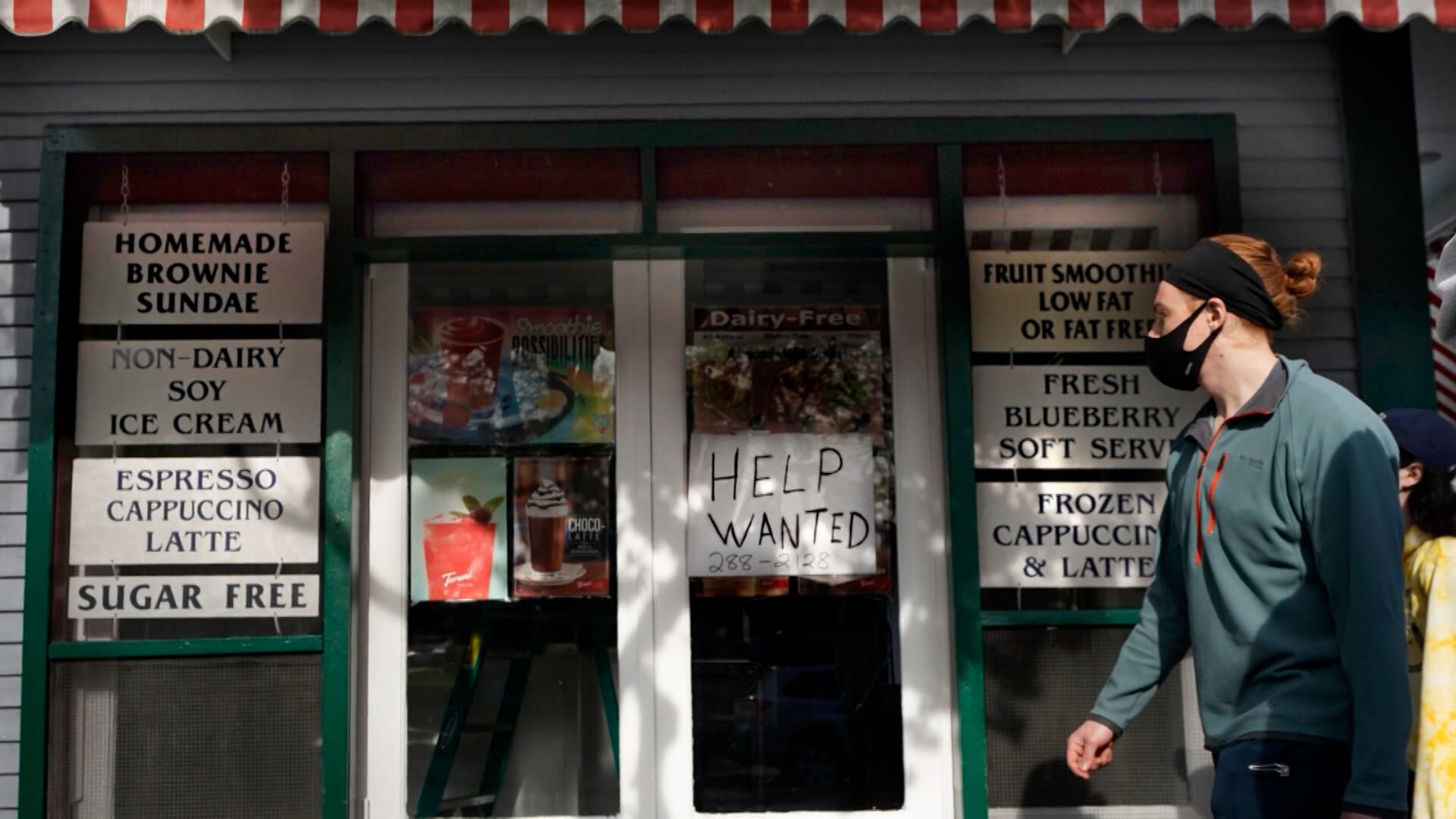
November's jobs report is tricky: nonfarm payrolls only increased by 210,000, following an October gain of 546,000. At the same time, the unemployment rate fell to 4.2% - and the labor force participation rate rose 61.8% to its highest level since March 2020. Also of note: the retail sector saw a decline of 20,000 jobs despite what was once a traditional late fall push to hire before the holiday sales rush. What's going on in the labor market, and can we expect more volatile numbers as the omicron variant spreads during the winter months? Adam Ozimek, Chief economist at Upwork, joins Cheddar News' Closing Bell to discuss the mixed jobs report, sector winners and losers, retail's flip-flop, and more.
Chinese regulators are reportedly behind China-based ride-hailing company DiDi exiting from the New York Stock Exchange, just days after listing earlier this year. The regulators stated prior that DiDi had not received the necessary clearances to list in the states. Gordon Chang, Asian affairs expert, joined Cheddar to break down what the delisting says about the relationship between nations. "This really strikes me as an attempt to really to force a decoupling of China and the U.S. in the financial markets," Chang said.
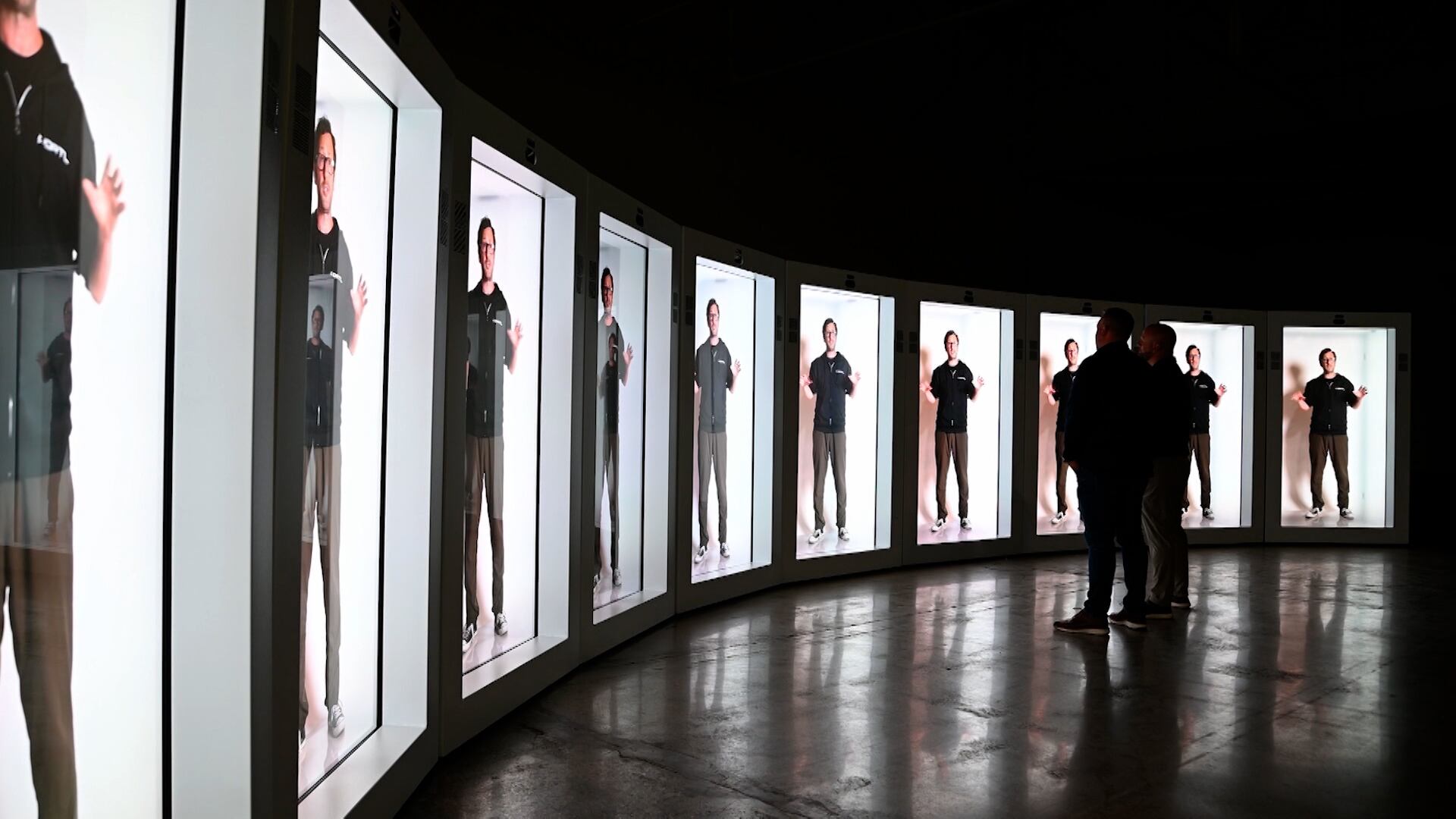
Hologram communication platform maker PORTL is looking to take communication to the next level. Founder and CEO David Nussbaum joined Cheddar to talk about the company's recent $12 million Series A funding round that will be used to bring the concept of holoportation to market. Nussbaum noted his hologram technology is just not comparable to augmented reality or virtual metaverses because the image projection is happening in real-time and in actual reality. "Well, unlike VR or AR, we're 'R.' We're real. You don't need a headset. You don't need wearables. You don't need to download anything. It's incredible," he said.
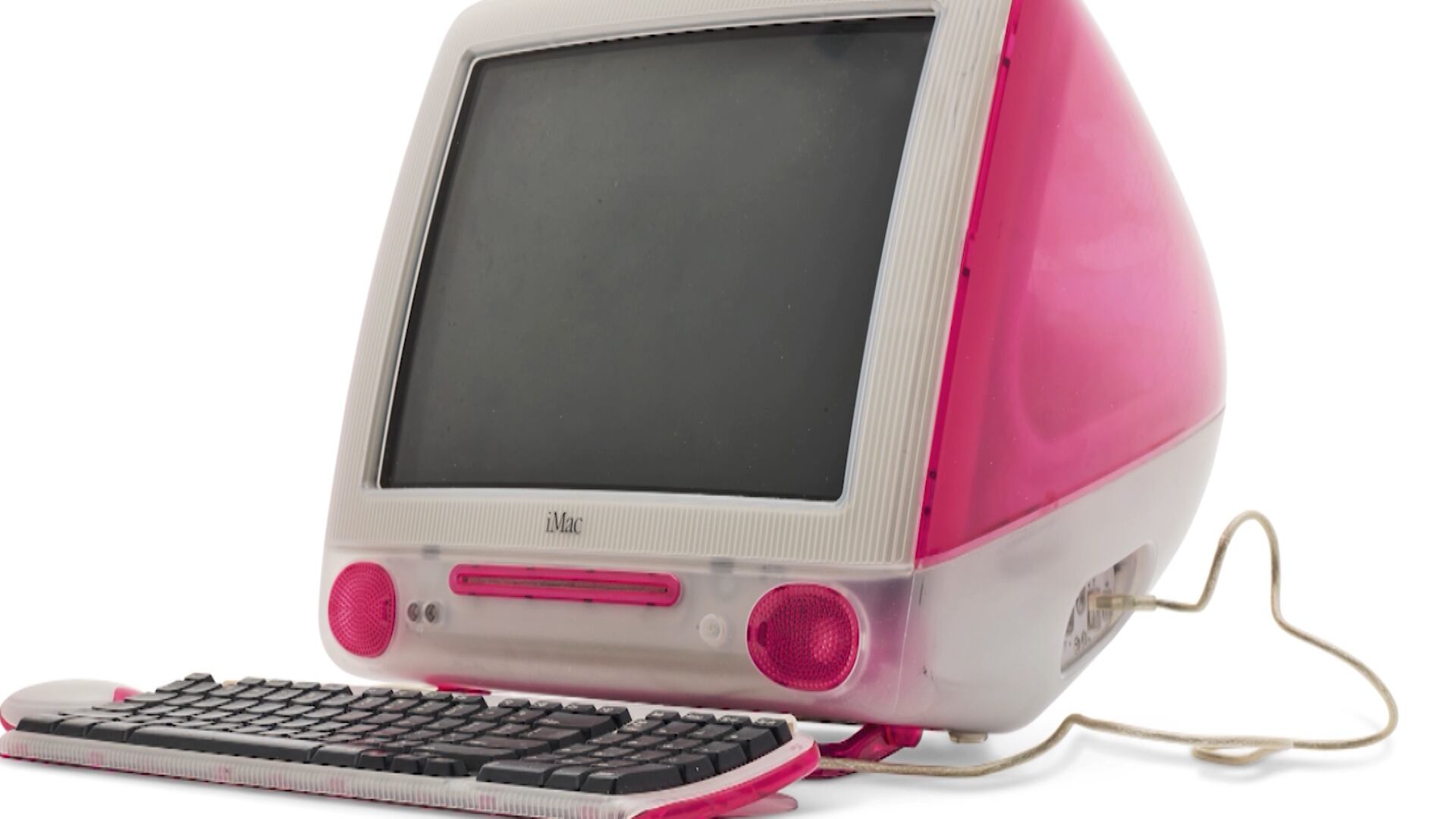
Wikipedia founder Jimmy Wales stopped by Cheddar's "Between Bells" to talk about his Birth of Wikipedia auction at Christie's putting two items linked to the origins of Wikipedia up for sale. On the auction block are his original strawberry iMac that was used to create the long-running online encyclopedia and what Wales described as an interactive NFT of his first Wikipedia edit rather than a static image. "Once it's been sold, the owner can turn it on, and anyone can edit the page and it will be reflected in the NFT," he said.