How to Build a Financial First-Aid Kit for Disasters
*By Carlo Versano*
The wildfires in California have demonstrated, among other things, just how quickly a natural disaster can upend your life. Unlike most hurricanes, which are relatively predictable and slow-moving enough for days of preparation, wildfires can ignite out of nowhere ー and they're no longer confined to "fire season" in the parched west. Residents of Paradise, Calif., a town destroyed by the Camp Fire last week, did not even receive evacuation orders until they smelled the smoke. For dozens of them, it was too late.
But the tragedy can serve as a reminder of the importance of financial readiness, said Tony Steuer, author of the financial preparedness guidebook "Get Ready." In that book, he argues that everyone should have a "get ready kit" that they can take with them if they're forced to evacuate ーa resource that can also help the friends and family left behind in the event of a worst case scenario.
Here are his tips to Cheddar for starting a financial first-aid kit:
1. Buy a binder. It's old school, but it still works. Put all your relevant financial documents in it.
2. List your assets, home, and real estate holdings.
3. Organize your retirement plans, debts, personal loans, living expenses, and taxes.
4. Document important information for your heirs. Don't assume they already know it.
5. Assemble an insurance portfolio that includes mandatory plans, like car insurance, and any other coverage you have. If you rent, don't sleep on getting renters insurance. It's cheap and will cover you when your landlord's coverage won't (and it won't).
6. Evaluate your financial readiness. Make regular check ups, and do an overhaul after any major life event ー like marriage or the birth of any children.
"The best first-aid kit is the one that you have with you," Steuer said.
That goes for financial first aid, too.
For full interview [click here](https://cheddar.com/videos/how-to-prepare-your-financial-first-aid-kit-before-disaster-strikes).
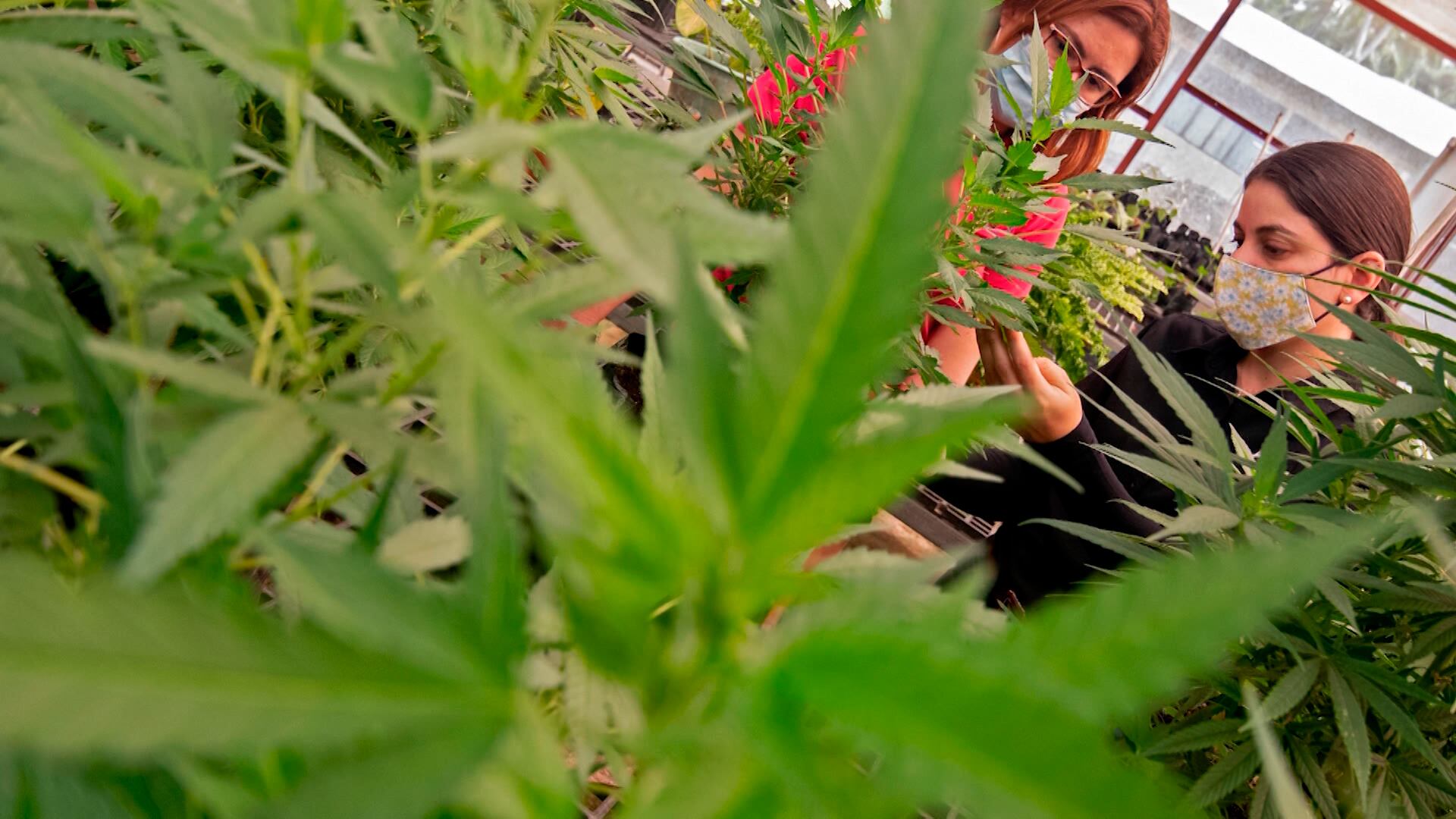
As more states begin to legalize recreational marijuana, there's a growing interest in legalizing cannabis cultivation. As the rise in cannabis farms expands across the U.S., more research is being done to examine its impact on the planet. Michael Katz, executive director at Mendocino Cannabis Alliance, joins Cheddar News to talk about the carbon footprint of cannabis farms.
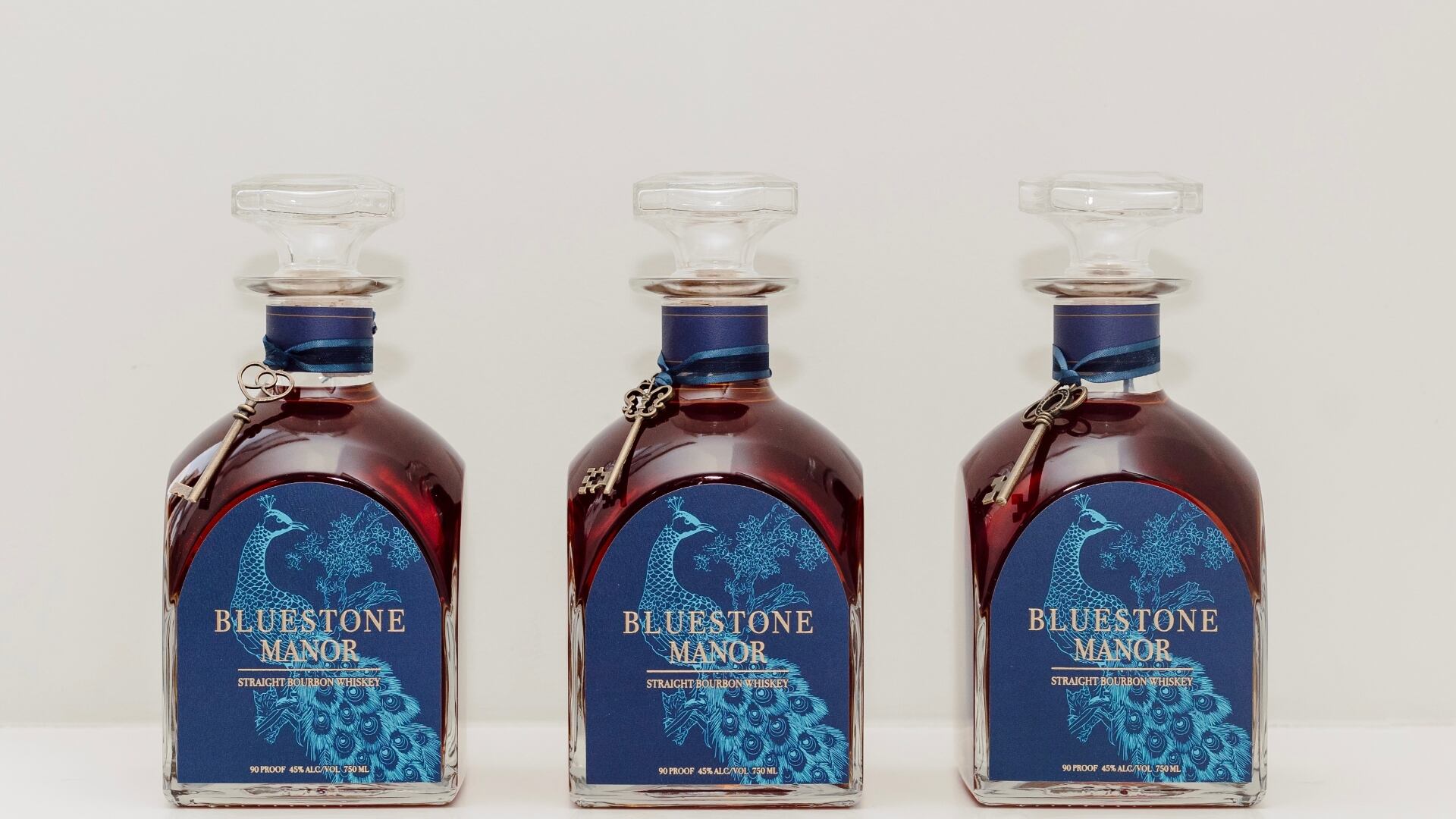
Former 'Real Housewives of New York' star Dorinda Medley is introducing a premium small-batch bourbon, named after her iconic Massachusetts home, Bluestone Manor. The reality TV star joins Cheddar News to talk about her new book, returning to the 'RHONY' franchise, and her new bourbon.
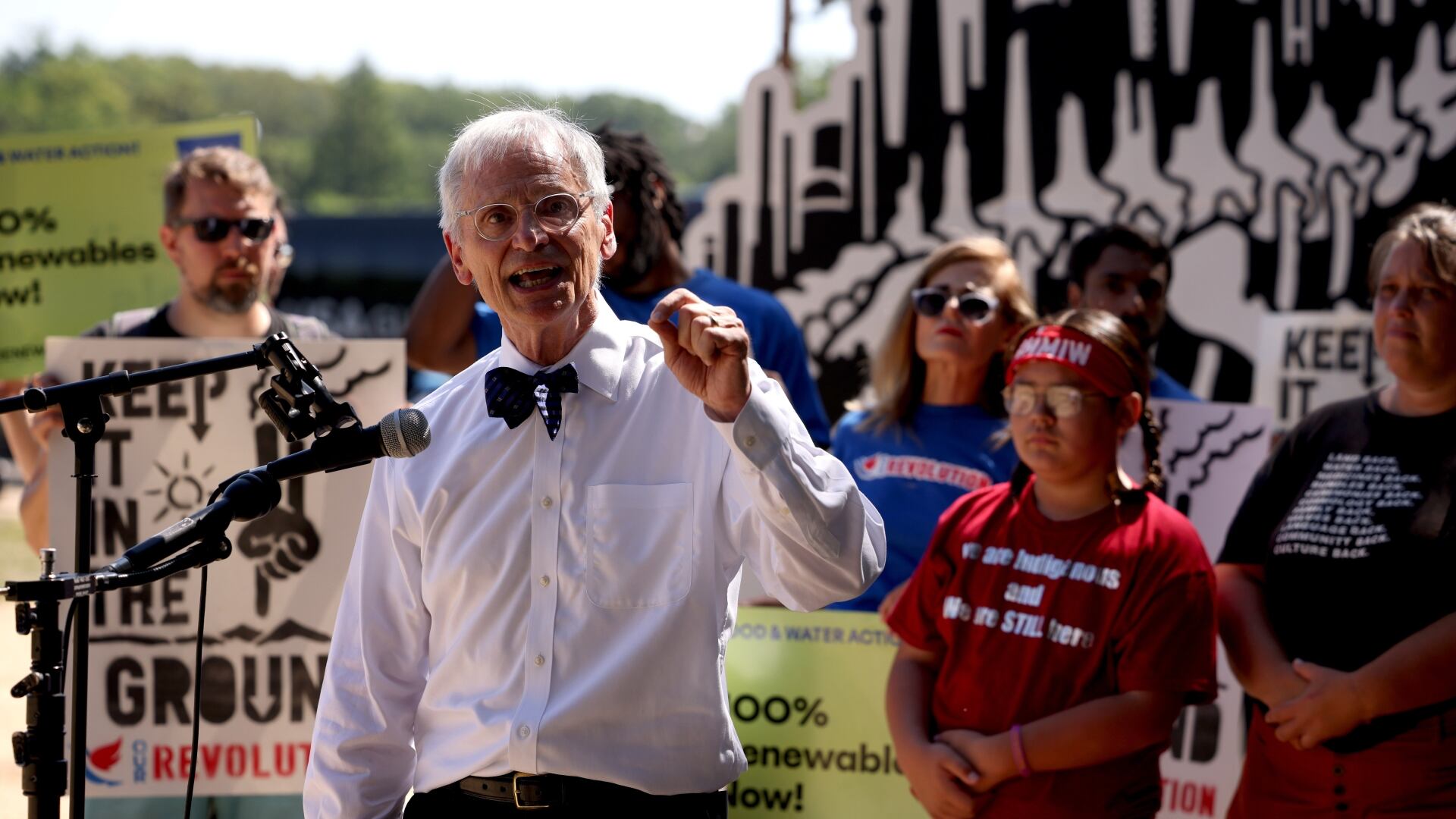
Rep. Earl Blumenauer (D-Ore. 3rd District), the co-chair of the Congressional Cannabis Caucus, joined Cheddar's "Cannabiz" to discuss the state of marijuana legalization on the federal level as more states continue to greenlight medical and adult use. He stated that there couldn't be a better time to revise the old policies on marijuana with more than 90 percent of Americans, including a majority of Republicans, on board. "This tidal wave of support continues. There were five states that approved in the last general election, and I think, rather than one single event, it is this momentum and the demonstration of broad public support that is making the difference," Blumenauer said.
Disney is warning YouTube TV subscribers that networks under its umbrella, like ABC and ESPN, could be removed from the platform this week if the two companies cannot find a solution to their fight over carriage fees.
Vox Media and Group Nine are expected to merge to form a digital media powerhouse. Some companies under the newly formed umbrella would include New York Magazine, The Verge, SB Nation, The Dodo, and NowThis.
Kroger is eliminating some of its pandemic-era benefits for unvaccinated workers as the grocery chain looks to encourage more of its staff to get the COVID shots. Among the changes, unvaccinated employees will not receive emergency paid leave if they contract the virus.
Apple is on the verge of becoming the world's first-ever $3 trillion company as shares of the iPhone maker are inching closer to $182.86. Joel Hawthorne, head trader and CEO of The Morning Snapshot, joined Cheddar to discuss Apple's success and how the tech giant will continue to innovate. "One thing that we have to keep in mind is this stock somewhat moves like its own ETF," he said, describing the company as almost a "safe bet" for long-term investors.