How to Build a Financial First-Aid Kit for Disasters
*By Carlo Versano*
The wildfires in California have demonstrated, among other things, just how quickly a natural disaster can upend your life. Unlike most hurricanes, which are relatively predictable and slow-moving enough for days of preparation, wildfires can ignite out of nowhere ー and they're no longer confined to "fire season" in the parched west. Residents of Paradise, Calif., a town destroyed by the Camp Fire last week, did not even receive evacuation orders until they smelled the smoke. For dozens of them, it was too late.
But the tragedy can serve as a reminder of the importance of financial readiness, said Tony Steuer, author of the financial preparedness guidebook "Get Ready." In that book, he argues that everyone should have a "get ready kit" that they can take with them if they're forced to evacuate ーa resource that can also help the friends and family left behind in the event of a worst case scenario.
Here are his tips to Cheddar for starting a financial first-aid kit:
1. Buy a binder. It's old school, but it still works. Put all your relevant financial documents in it.
2. List your assets, home, and real estate holdings.
3. Organize your retirement plans, debts, personal loans, living expenses, and taxes.
4. Document important information for your heirs. Don't assume they already know it.
5. Assemble an insurance portfolio that includes mandatory plans, like car insurance, and any other coverage you have. If you rent, don't sleep on getting renters insurance. It's cheap and will cover you when your landlord's coverage won't (and it won't).
6. Evaluate your financial readiness. Make regular check ups, and do an overhaul after any major life event ー like marriage or the birth of any children.
"The best first-aid kit is the one that you have with you," Steuer said.
That goes for financial first aid, too.
For full interview [click here](https://cheddar.com/videos/how-to-prepare-your-financial-first-aid-kit-before-disaster-strikes).
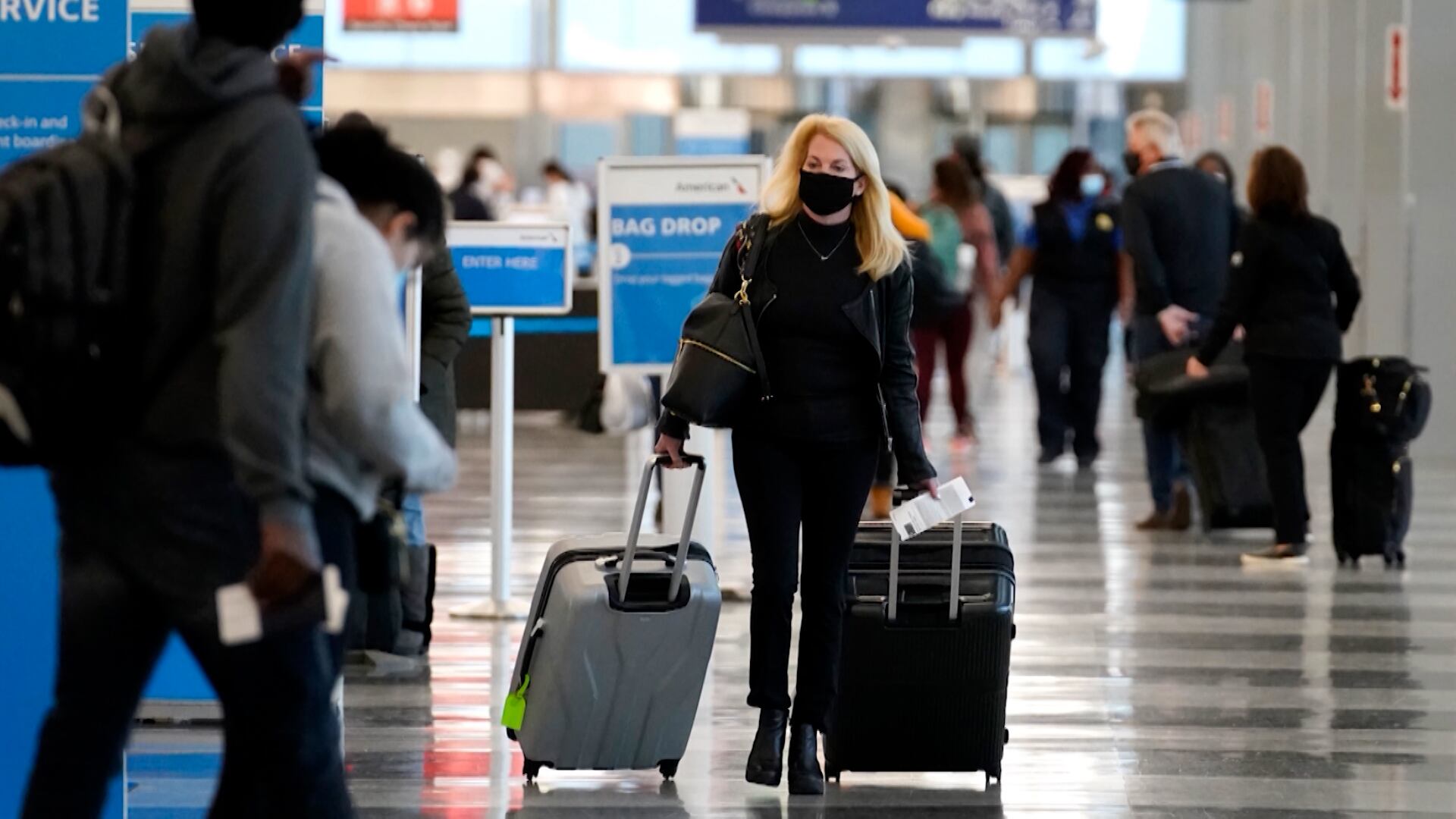
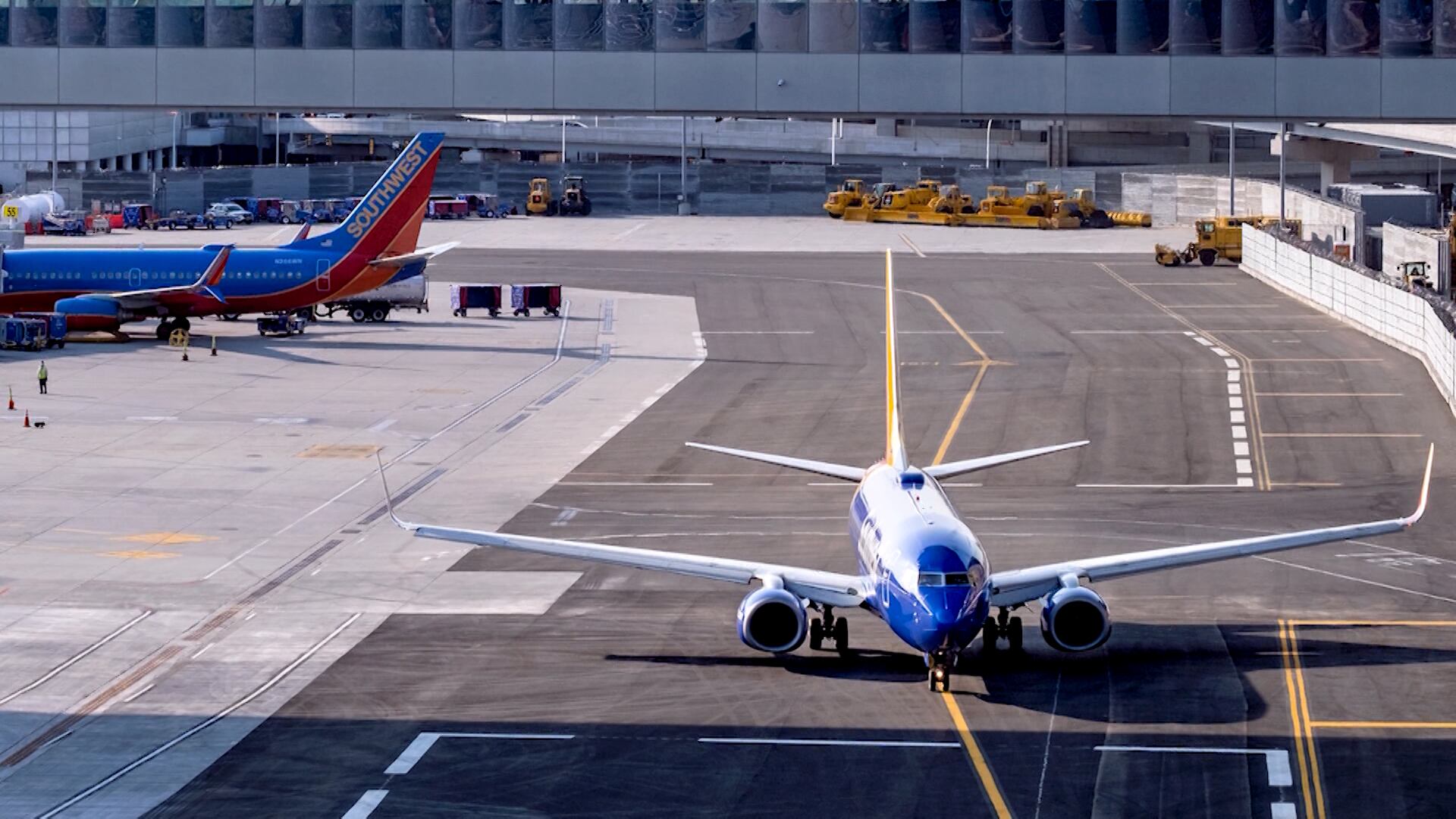
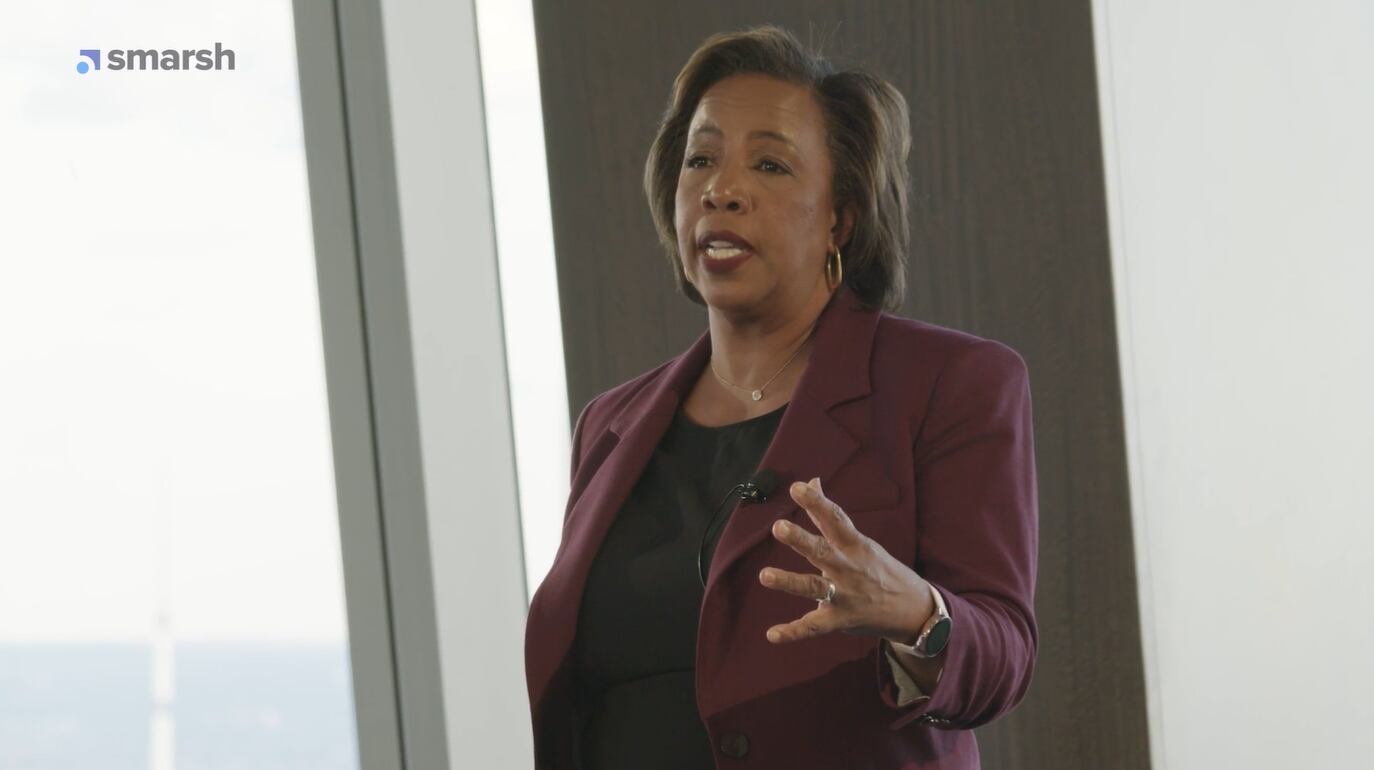
The Omicron variant is raising concerns about how safe it is to travel, just as millions of Americans were getting ready to jet set away for the holidays. Scientists are still trying to understand how much protection vaccines offer against the new variant, and many questions remain unanswered. Sara Nelson, President of the Association of Flight Attendants, gives tips on how to travel safely and comments on the aviation industry's ongoing recovery from the pandemic.
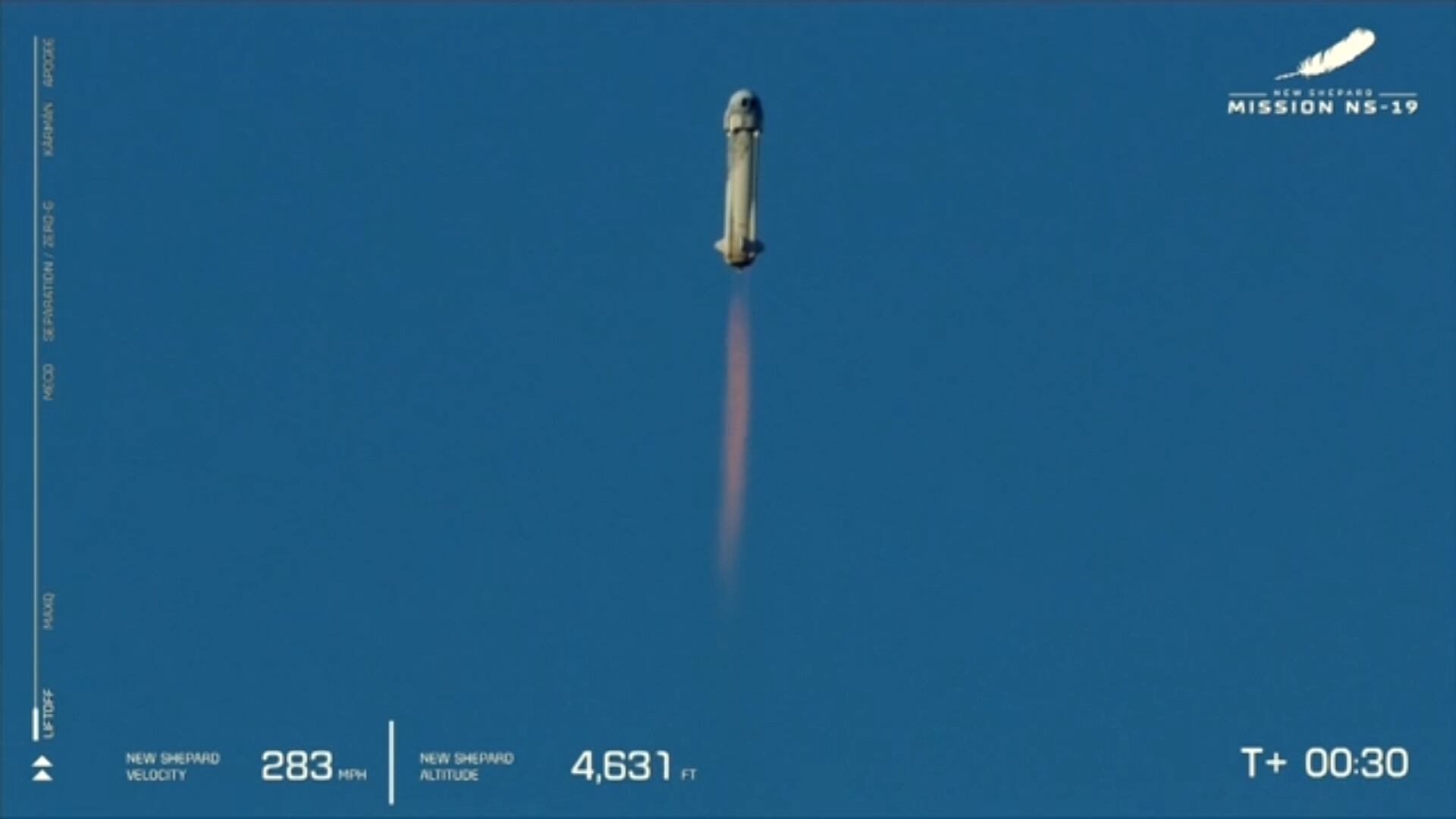
Another successful spaceflight is in the books for Jeff Bezos' Blue Origin. The company's third human spaceflight blasted off from Van Horn, TX. on Saturday, lasting about ten minutes from takeoff to landing. The crew, which included former NFL star and current GMA host Michael Strahan, traveled to the edge of space and experienced a few minutes of weightlessness before the capsule descended back to earth. Andrew Chanin, CEO of ProcureAM, joined Cheddar's Opening Bell to discuss the significance of the launch.
Chad Oviatt, Director of Investment Management at Huntington Private Bank, discusses inflationary concerns the Fed is keeping an eye on and what November's lower-than-expected rise in retail sales means for consumer spending.
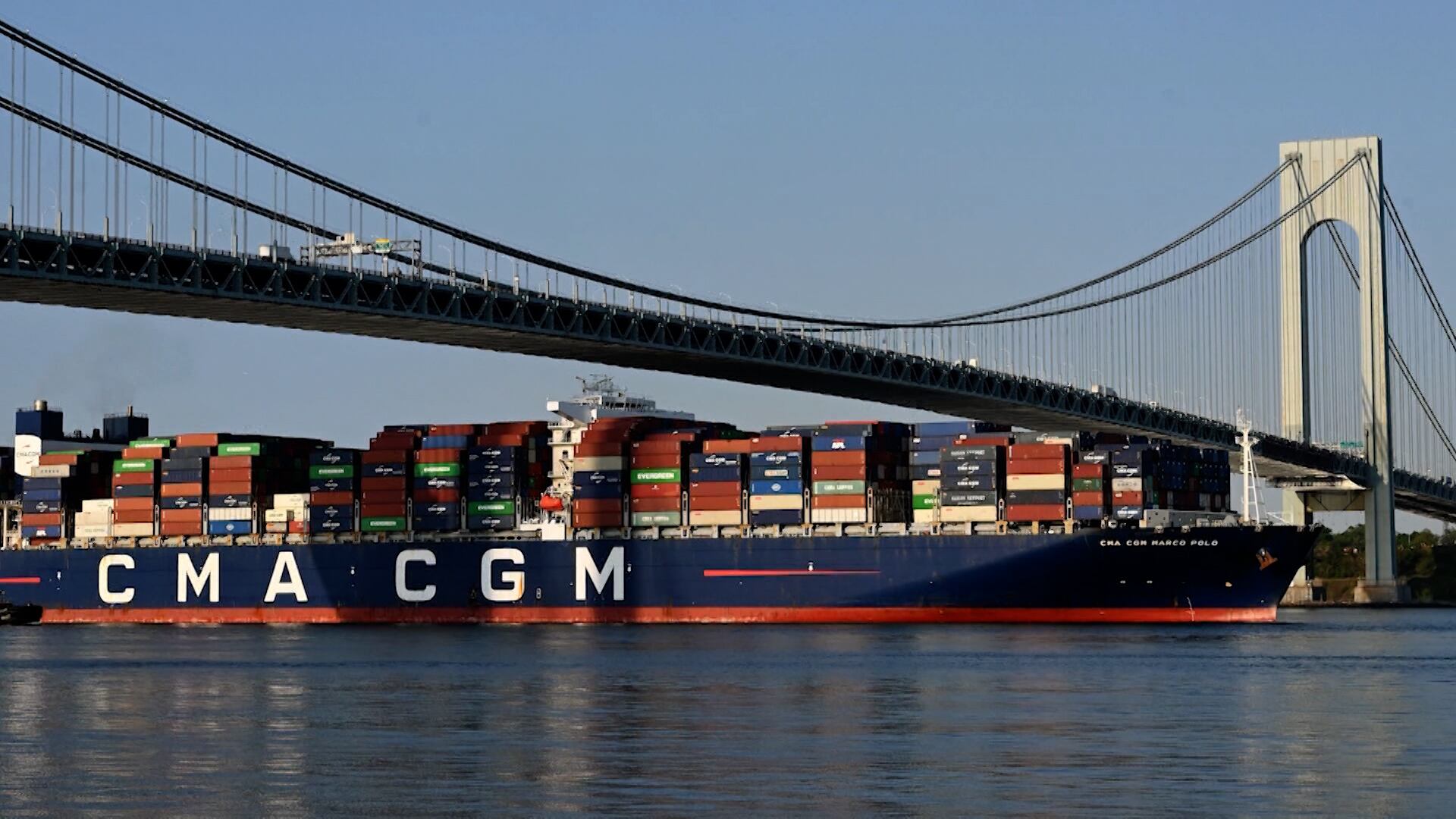
After nearly two years of the pandemic, U.S. consumers are ready to spend big this holiday season. However, shoppers may be faced with limited inventory as the U.S. continues to face shortages of key products and extended order backlogs. Per Hong, partner at consulting firm Kearney, joined Cheddar's Opening Bell to discuss the country's path forward.
The U.S. is preparing to add more China-based firms to a blacklist in response to human rights violations in the country. This includes the leading drone manufacturer DJI. American businesses will be barred from investing or conducting business with the blacklisted companies.
The growing consensus across the U.S. is that the Federal Reserve and Chairman Jerome Powell are set to expedite the tapering timetable and hike interest rates as inflation accelerates. Michael Darda, chief economist and market strategist at MKM Partners, told Cheddar's Baker Machado that the Fed has room to increase short-term interest rates because the economy is recovering faster than anticipated. "We've had a very rapid turnaround in the business cycle, in the labor market, and in inflation so the policy stance staying the same, calibrated in the same fashion as it was when we had a huge economic emergency, just makes no sense whatsoever," he said.
CEOs of the top U.S. airlines are set to testify in front of a Senate committee Wednesday. Lawmakers will ask airline executives about how they used pandemic-related federal aid, specifically in light of staffing issues and widespread cancellations. Among those expected to participate are the CEOs of American, United, and Southwest Airlines. David Slotnick, Senior Aviation Business Reporter at The Points Guy, joined Cheddar News to discuss.