How to Build a Financial First-Aid Kit for Disasters
*By Carlo Versano*
The wildfires in California have demonstrated, among other things, just how quickly a natural disaster can upend your life. Unlike most hurricanes, which are relatively predictable and slow-moving enough for days of preparation, wildfires can ignite out of nowhere ー and they're no longer confined to "fire season" in the parched west. Residents of Paradise, Calif., a town destroyed by the Camp Fire last week, did not even receive evacuation orders until they smelled the smoke. For dozens of them, it was too late.
But the tragedy can serve as a reminder of the importance of financial readiness, said Tony Steuer, author of the financial preparedness guidebook "Get Ready." In that book, he argues that everyone should have a "get ready kit" that they can take with them if they're forced to evacuate ーa resource that can also help the friends and family left behind in the event of a worst case scenario.
Here are his tips to Cheddar for starting a financial first-aid kit:
1. Buy a binder. It's old school, but it still works. Put all your relevant financial documents in it.
2. List your assets, home, and real estate holdings.
3. Organize your retirement plans, debts, personal loans, living expenses, and taxes.
4. Document important information for your heirs. Don't assume they already know it.
5. Assemble an insurance portfolio that includes mandatory plans, like car insurance, and any other coverage you have. If you rent, don't sleep on getting renters insurance. It's cheap and will cover you when your landlord's coverage won't (and it won't).
6. Evaluate your financial readiness. Make regular check ups, and do an overhaul after any major life event ー like marriage or the birth of any children.
"The best first-aid kit is the one that you have with you," Steuer said.
That goes for financial first aid, too.
For full interview [click here](https://cheddar.com/videos/how-to-prepare-your-financial-first-aid-kit-before-disaster-strikes).
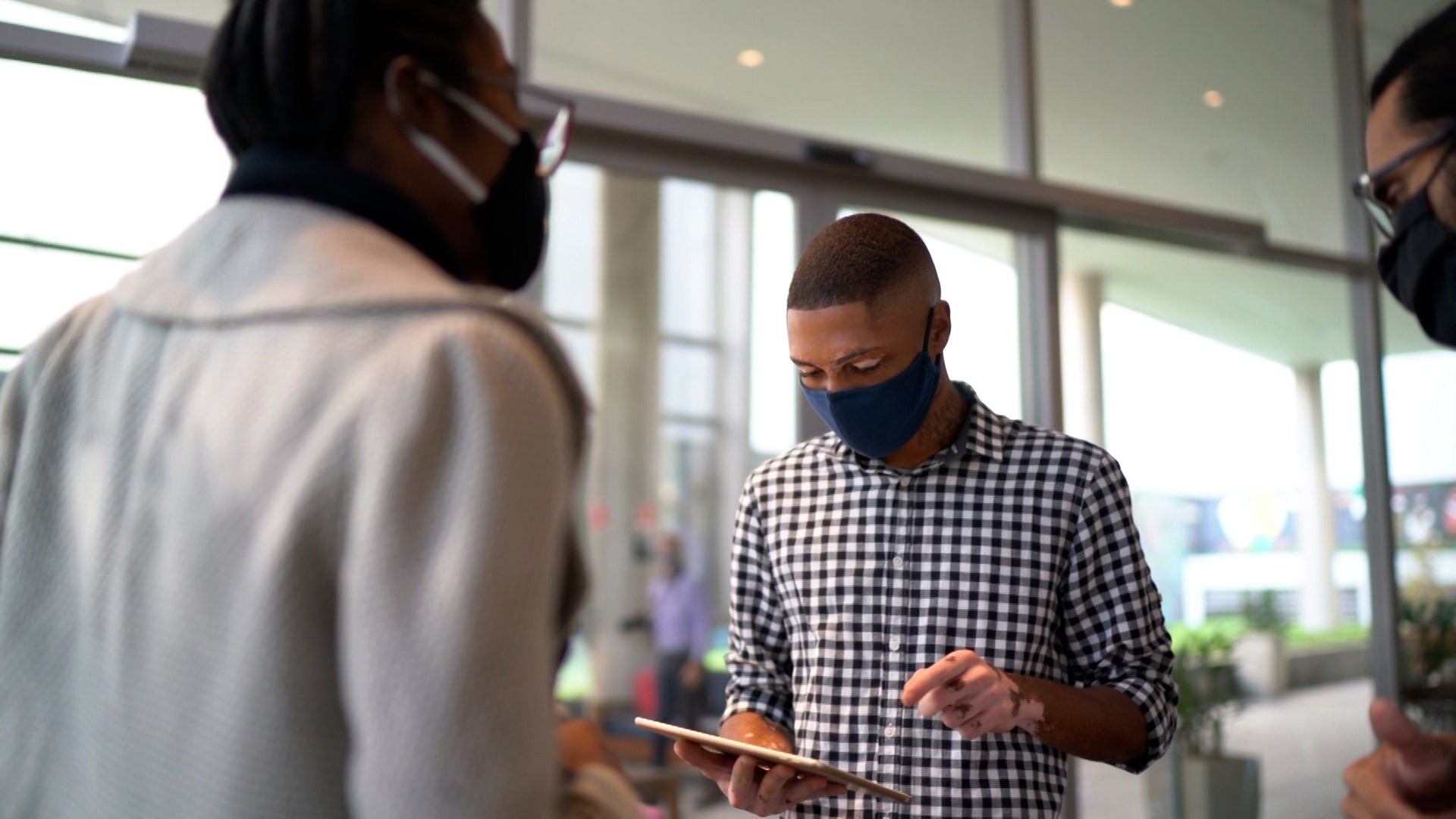
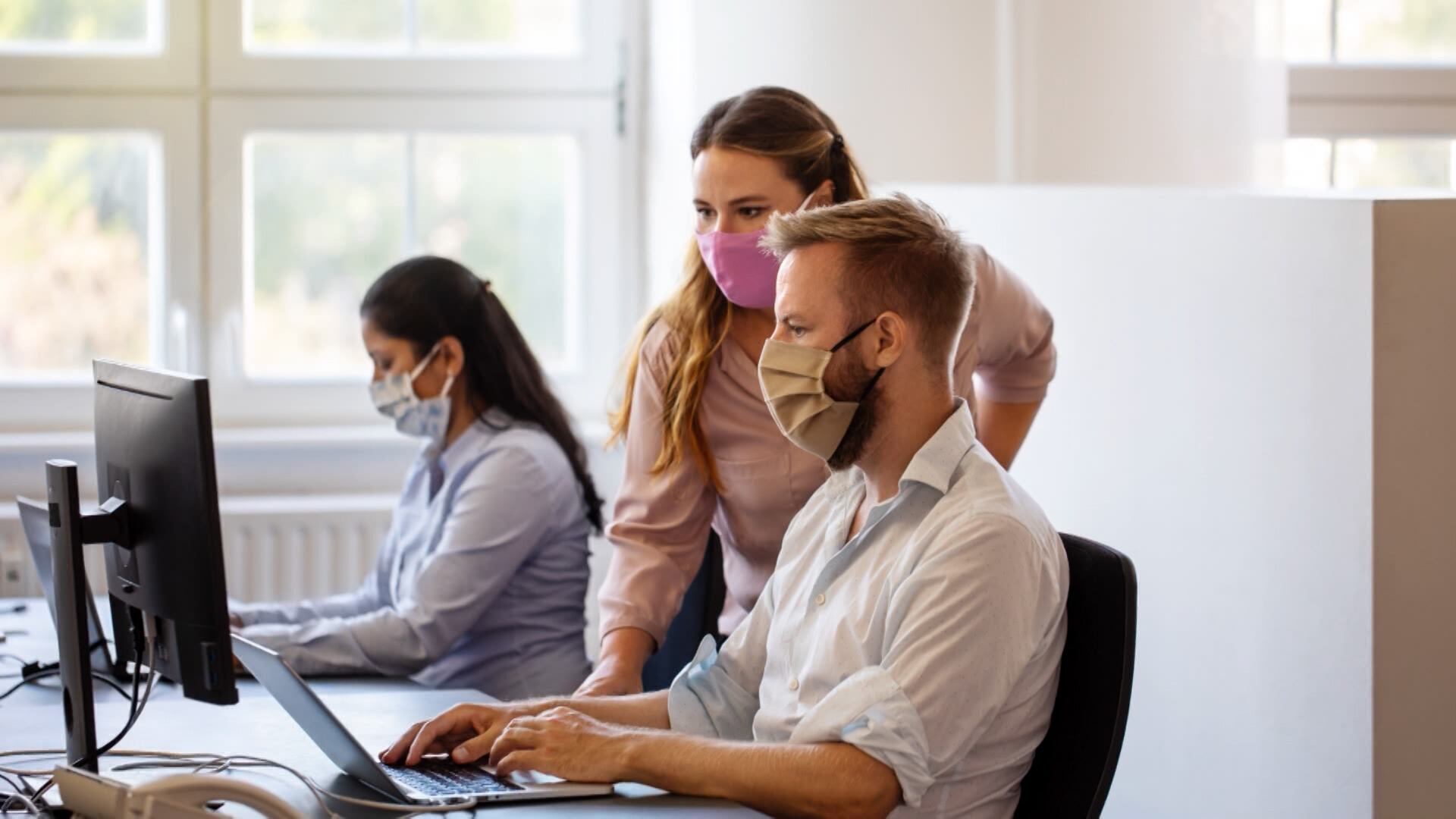
More businesses are requiring workers to return to the office, but there is concern that many employees in the middle class, especially women and people of color, need remote work options for reasons including childcare and financial security. Joan Williams, director of the Center for WorkLife Law at the University of California, joined Cheddar to discuss why office mandates could be detrimental to the middle class. She noted that while companies claim a return to offices would help foster more collaboration and efficiency, reports show that they are successfully able to do their jobs from home.
Fresh Vine Wine, a maker of low-carb, low-calorie, and gluten-free wines, made its public debut on the NYSE. Celeb do-owners Nina Dobrev and Julianne Hough, alongside CEO Janelle Anderson, joined Cheddar's Azia Celestino to talk about their partnership, the decision to launch an IPO, and tout the healthy lifestyle market their product is going for.
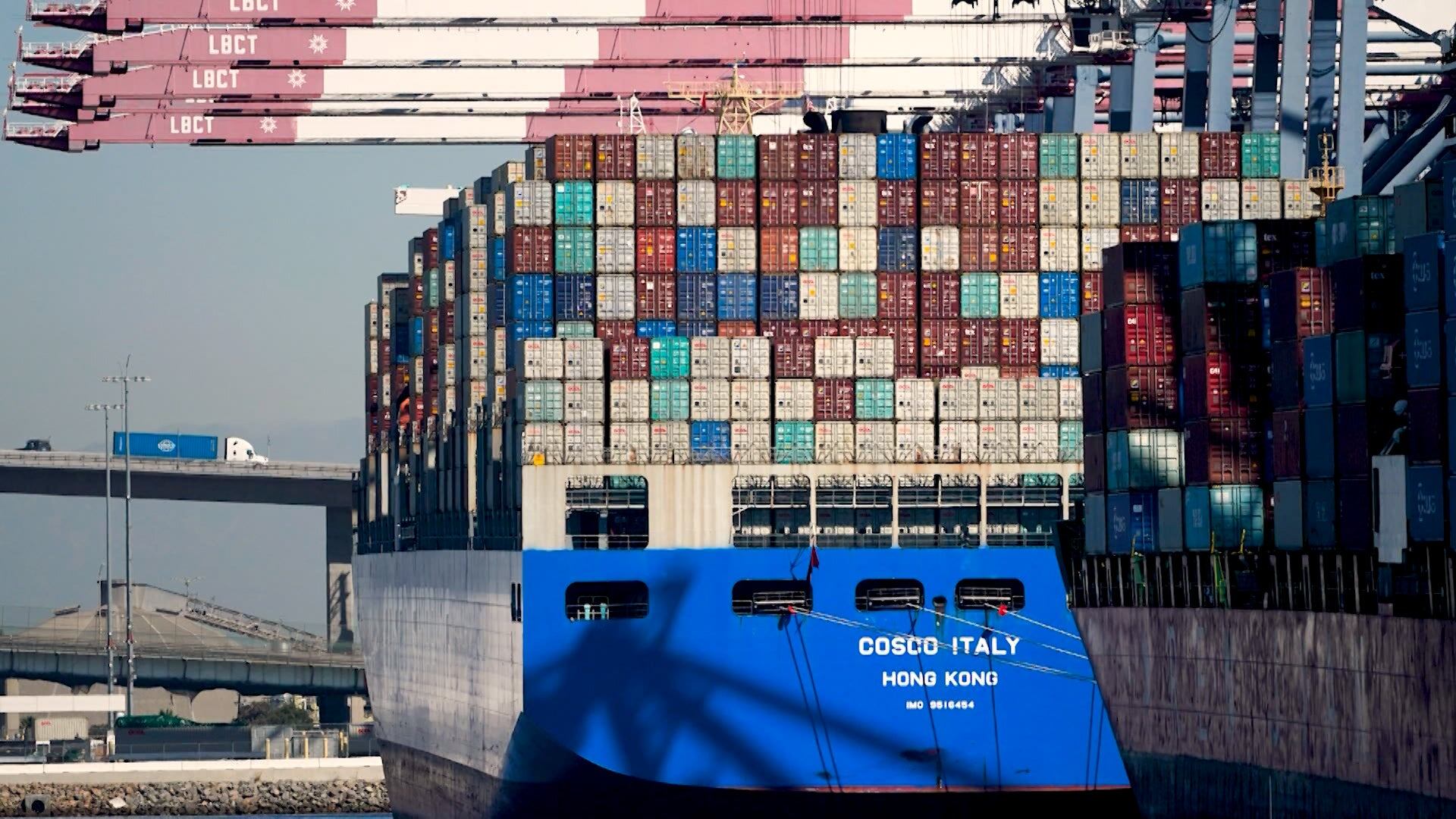
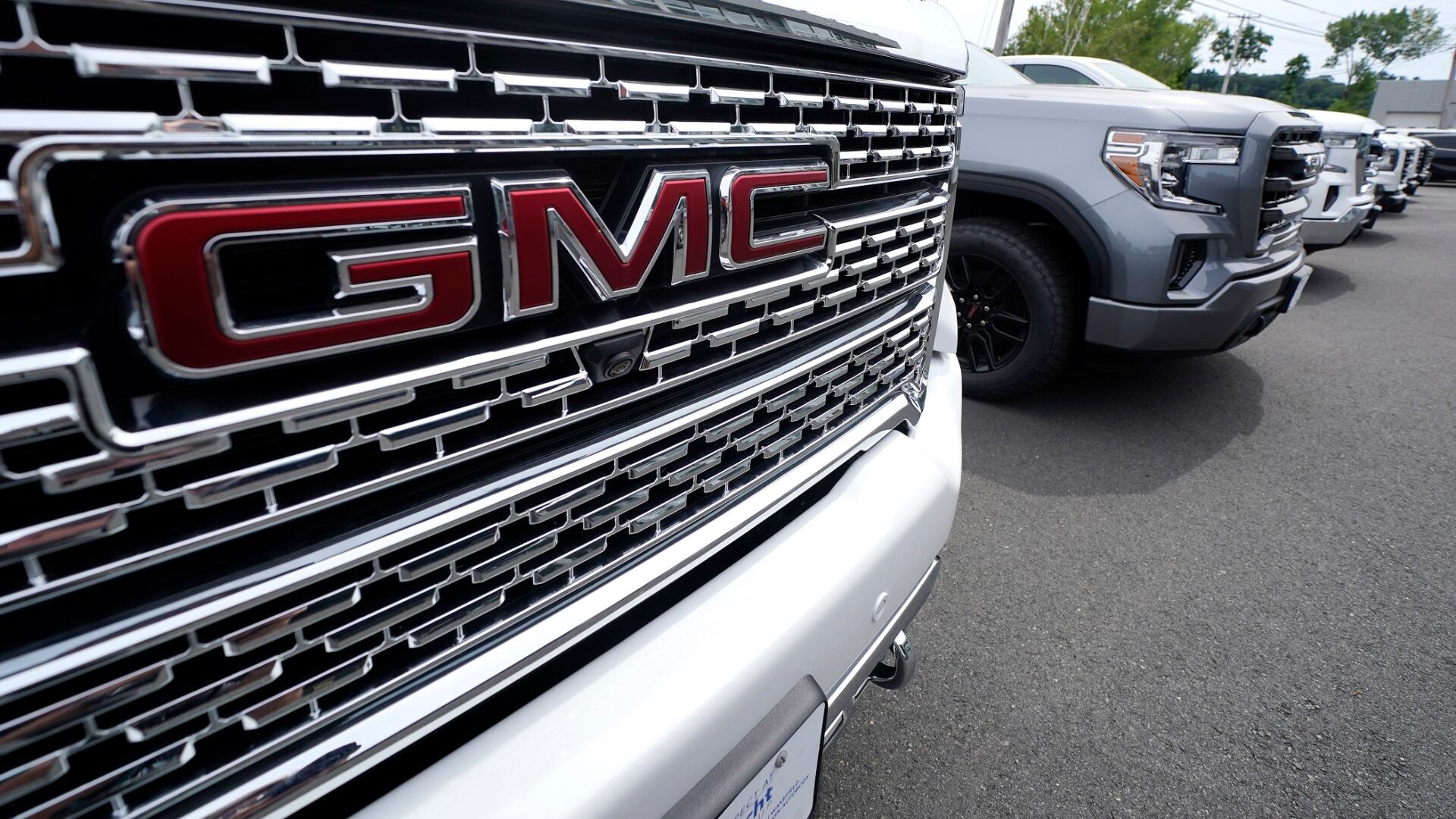
The automotive industry continues to reel as the ongoing global semiconductor chip shortage continues to cause prices to rise. Ben Preston, autos reporter for Consumer Reports, joined Cheddar to discuss the state of the car industry. "I think that right now is a terrible time to buy a new car because dealership lots are looking a bit thin," Preston said. He noted that once manufacturers had initially halted production due to the pandemic, chip companies shifted toward providing service to tech companies, leading to supply constraints as every new car built needs about 30 to 100 chips in its construction.
Erica Pandey, business reporter at Axios joins Cheddar News to discuss if companies should give up on trying to bring employees back to work in-person.