How to Build a Financial First-Aid Kit for Disasters
*By Carlo Versano*
The wildfires in California have demonstrated, among other things, just how quickly a natural disaster can upend your life. Unlike most hurricanes, which are relatively predictable and slow-moving enough for days of preparation, wildfires can ignite out of nowhere ー and they're no longer confined to "fire season" in the parched west. Residents of Paradise, Calif., a town destroyed by the Camp Fire last week, did not even receive evacuation orders until they smelled the smoke. For dozens of them, it was too late.
But the tragedy can serve as a reminder of the importance of financial readiness, said Tony Steuer, author of the financial preparedness guidebook "Get Ready." In that book, he argues that everyone should have a "get ready kit" that they can take with them if they're forced to evacuate ーa resource that can also help the friends and family left behind in the event of a worst case scenario.
Here are his tips to Cheddar for starting a financial first-aid kit:
1. Buy a binder. It's old school, but it still works. Put all your relevant financial documents in it.
2. List your assets, home, and real estate holdings.
3. Organize your retirement plans, debts, personal loans, living expenses, and taxes.
4. Document important information for your heirs. Don't assume they already know it.
5. Assemble an insurance portfolio that includes mandatory plans, like car insurance, and any other coverage you have. If you rent, don't sleep on getting renters insurance. It's cheap and will cover you when your landlord's coverage won't (and it won't).
6. Evaluate your financial readiness. Make regular check ups, and do an overhaul after any major life event ー like marriage or the birth of any children.
"The best first-aid kit is the one that you have with you," Steuer said.
That goes for financial first aid, too.
For full interview [click here](https://cheddar.com/videos/how-to-prepare-your-financial-first-aid-kit-before-disaster-strikes).
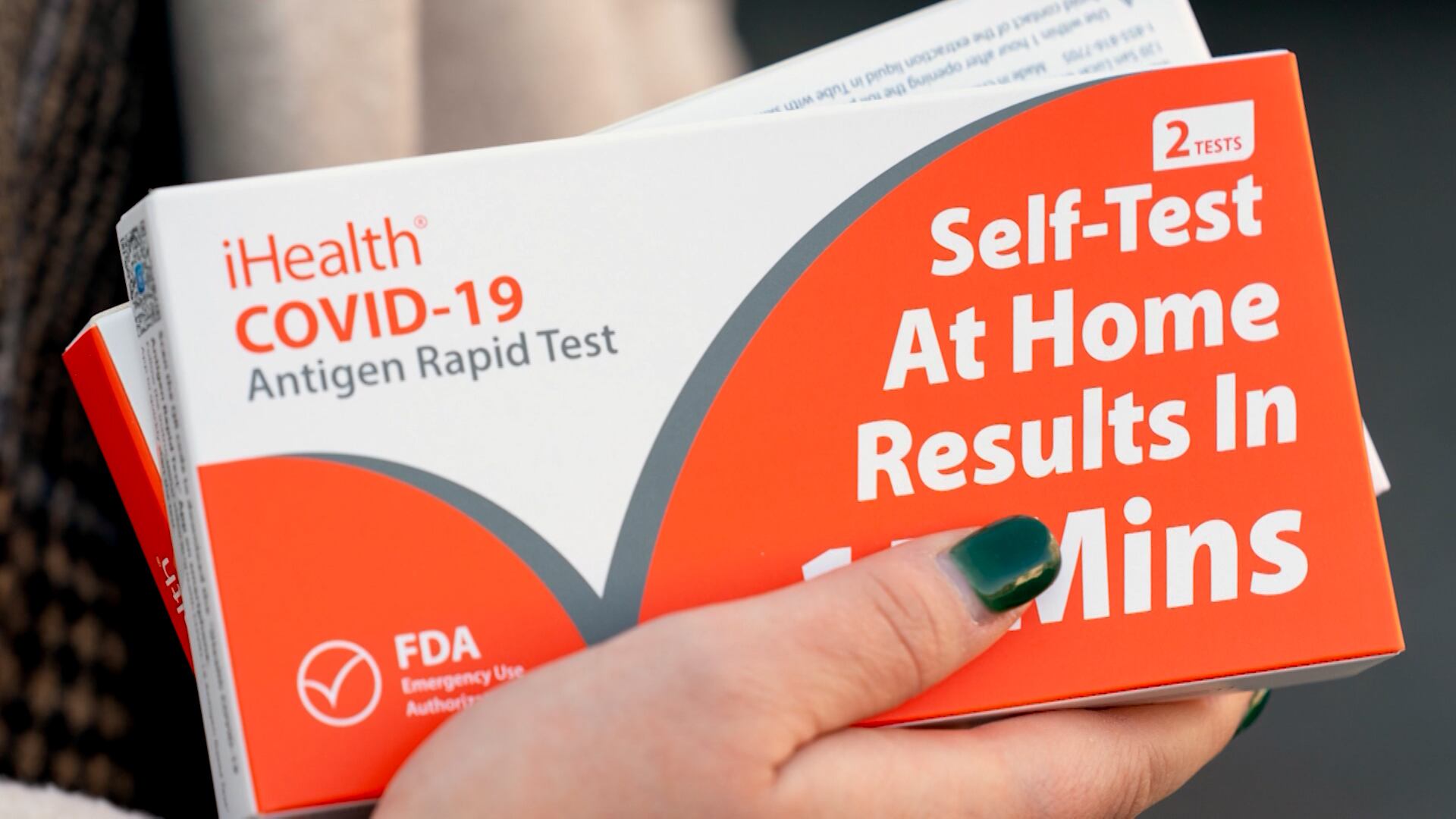
Americans looking to purchase at-home COVID-19 tests will now have to shell out a bit more money after an agreement expired between the White House and companies to sell the tests at cost. The price of Abbot's BinaxNow test kit from October to December was $14 apiece; on Tuesday, Walmart's website listed the test for $19.88, and Kroger listed the tests for $23.99. Carbon Health Regional Clinical Director Dr. Bayo Curry-Winchell joined Cheddar News' Closing Bell to discuss the impact higher prices will have as the nation experiences another surge in cases.
Natalia Abrams, President of the Student Debt Crisis Center, discusses how the extension impacts borrowers and what the federal government needs to do to tackle the student loan debt crisis.
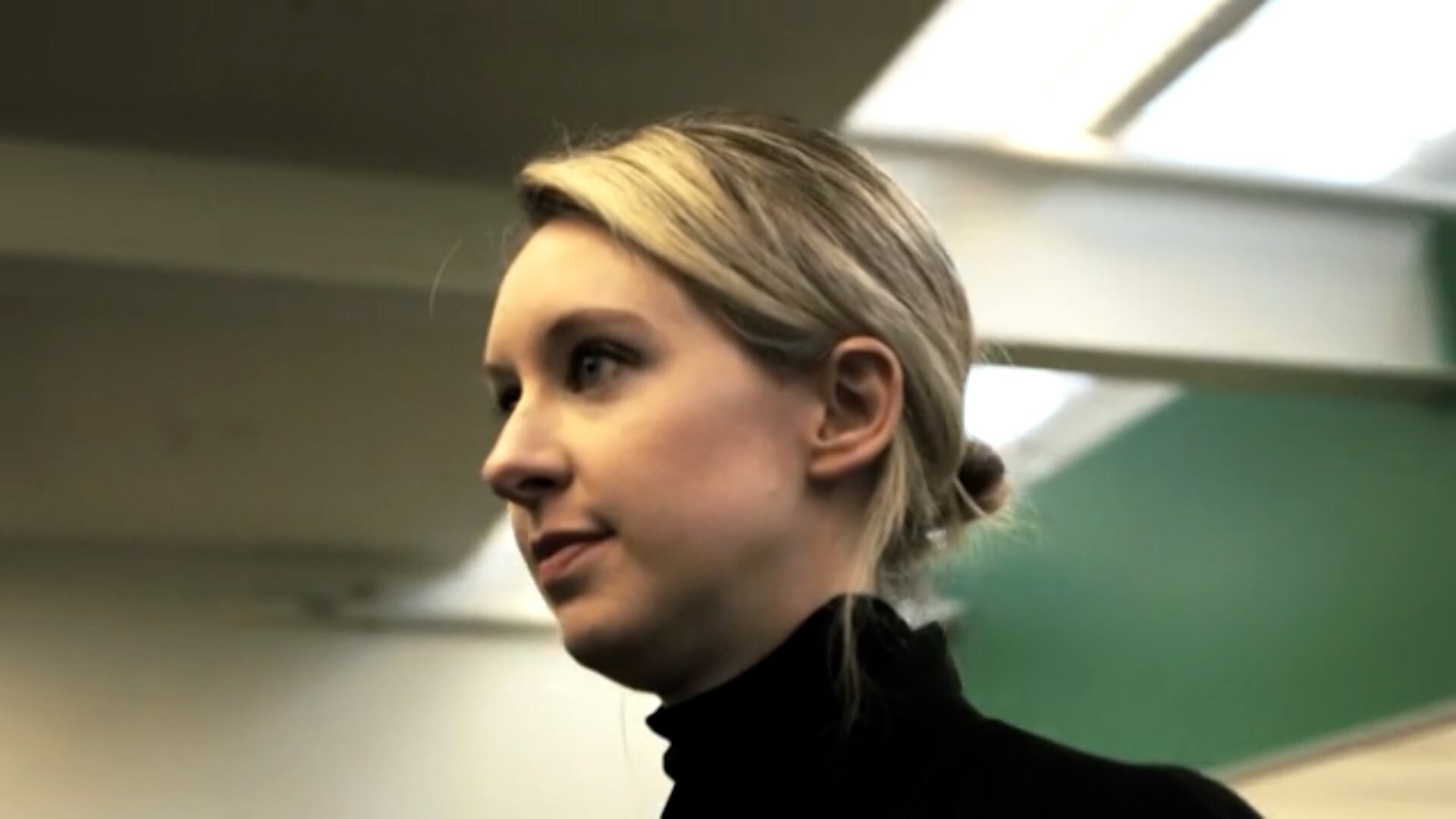
Caroline Polisi, Criminal Defense Attorney & Lecturer in Law at Columbia Law School, breaks down the Holmes verdict and how this case impacts the reputation of female entrepreneurs.
The streaming wars picked up in 2021, but what can we expect to see in 2022 as the global economy re-opens? Wall Street is likely to spend much of the new year debating where to place bets in the new year, and specifically which entertainment stocks to focus on. Tuna Amobi, media and entertainment analyst at CFRA research, joins Cheddar News to share his top picks.
2022 is set to be a big year for autonomous technology. After many new partnerships, acquisitions, and developments in 2021, all eyes will be on the self-driving sector to see what progress, or lack there-of, will be made this year. Soroush Salehian, CEO and co-founder of Aeva, gives a look at what's ahead for the industry.
Jon Wilk, CEO of CompoSecure, discusses how the adoption of tap-to-pay is expanding the longevity of physical cards and the growth opportunities within the crypto cold storage ecosystem.
The largest tech convention in the world kicks off this week. CES, organized by the Consumer Technology Association, will run from Wednesday Jan. 5 through Friday Jan. 7, featuring more than 2,000 exhibitors showing off their latest tech products in Las Vegas. Ian Sherr, editor at large at CNET, gives a first look at some of the biggest trends expected this year.
Verizon and AT&T have agreed to delay the launch of their 5G networks for two weeks following pressure from the Federal Aviation Administration, airline companies and even Transportation Secretary Pete Buttigieg. The aviation industry is concerned the 5G rollout could bring technical challenges or safety concerns on top of the current disruptions they're already dealing with from COVID and severe weather. Hugh Odom, founder and president of Vertical Consultants and former AT&T attorney, discusses how the Biden administration was able to come to this agreement with the wireless carriers.
Angelo Zino, Senior Industry Analyst & Vice President at CFRA Research, breaks down the tech giants' valuation milestone and discusses the areas of Apple's business that could see further growth.