*By Carlo Versano*
The wildfires in California have demonstrated, among other things, just how quickly a natural disaster can upend your life. Unlike most hurricanes, which are relatively predictable and slow-moving enough for days of preparation, wildfires can ignite out of nowhere ー and they're no longer confined to "fire season" in the parched west. Residents of Paradise, Calif., a town destroyed by the Camp Fire last week, did not even receive evacuation orders until they smelled the smoke. For dozens of them, it was too late.
But the tragedy can serve as a reminder of the importance of financial readiness, said Tony Steuer, author of the financial preparedness guidebook "Get Ready." In that book, he argues that everyone should have a "get ready kit" that they can take with them if they're forced to evacuate ーa resource that can also help the friends and family left behind in the event of a worst case scenario.
Here are his tips to Cheddar for starting a financial first-aid kit:
1. Buy a binder. It's old school, but it still works. Put all your relevant financial documents in it.
2. List your assets, home, and real estate holdings.
3. Organize your retirement plans, debts, personal loans, living expenses, and taxes.
4. Document important information for your heirs. Don't assume they already know it.
5. Assemble an insurance portfolio that includes mandatory plans, like car insurance, and any other coverage you have. If you rent, don't sleep on getting renters insurance. It's cheap and will cover you when your landlord's coverage won't (and it won't).
6. Evaluate your financial readiness. Make regular check ups, and do an overhaul after any major life event ー like marriage or the birth of any children.
"The best first-aid kit is the one that you have with you," Steuer said.
That goes for financial first aid, too.
For full interview [click here](https://cheddar.com/videos/how-to-prepare-your-financial-first-aid-kit-before-disaster-strikes).
Big Business This Week is a guided tour through the biggest market stories of the week, from winning stocks to brutal dips to the facts and forecasts generating buzz on Wall Street. This week we highlight Paramount, Maersk, Starbucks, Uber, Lyft and Beyond Meat.
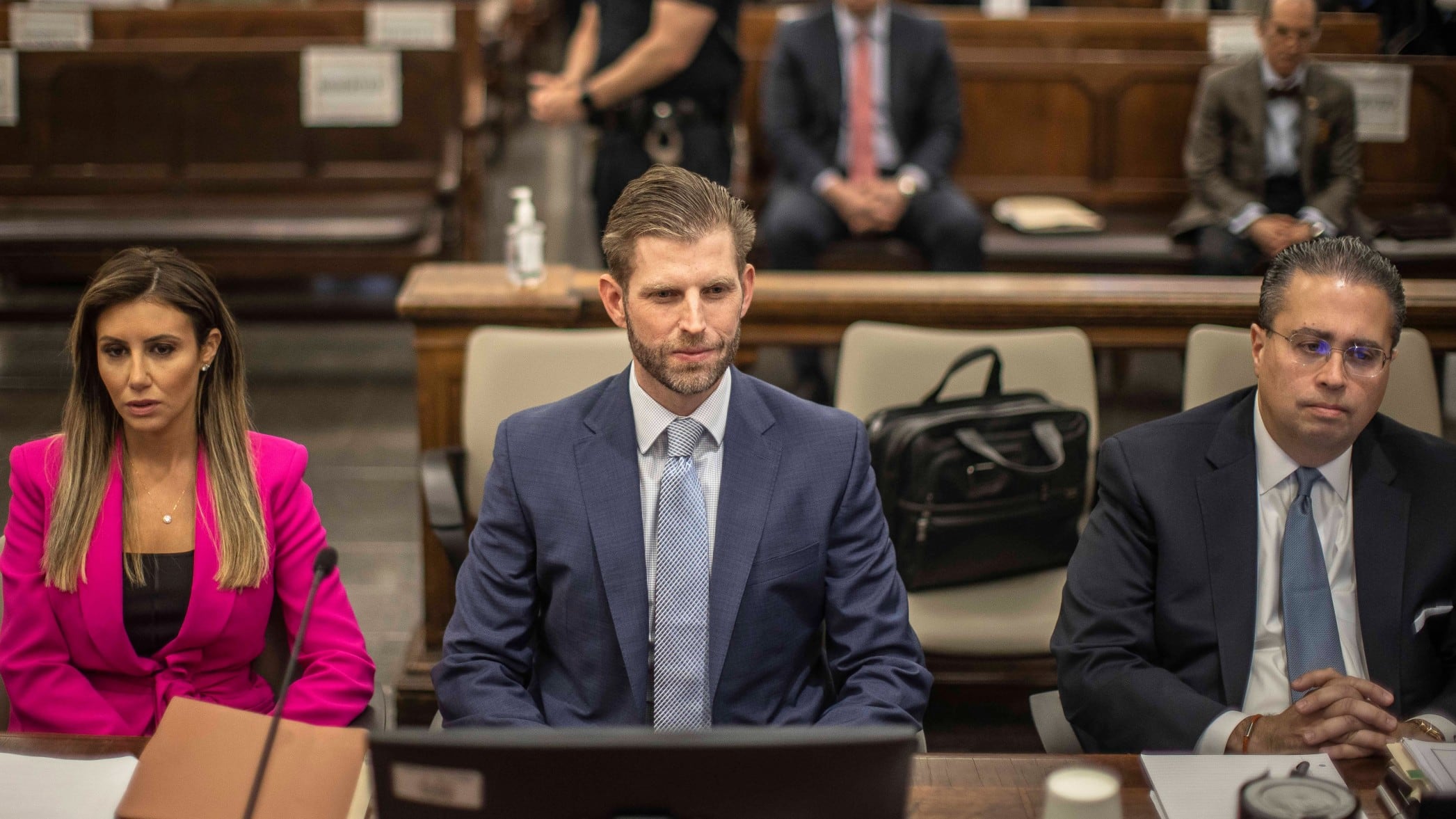
With Donald Trump due on the witness stand next week, testimony from his adult sons in his civil business fraud trial wrapped up Friday with Eric Trump saying he relied completely on accountants and lawyers to assure the accuracy of financial documents key to the case.
DraftKings reported better-than-expected revenue in the third quarter.
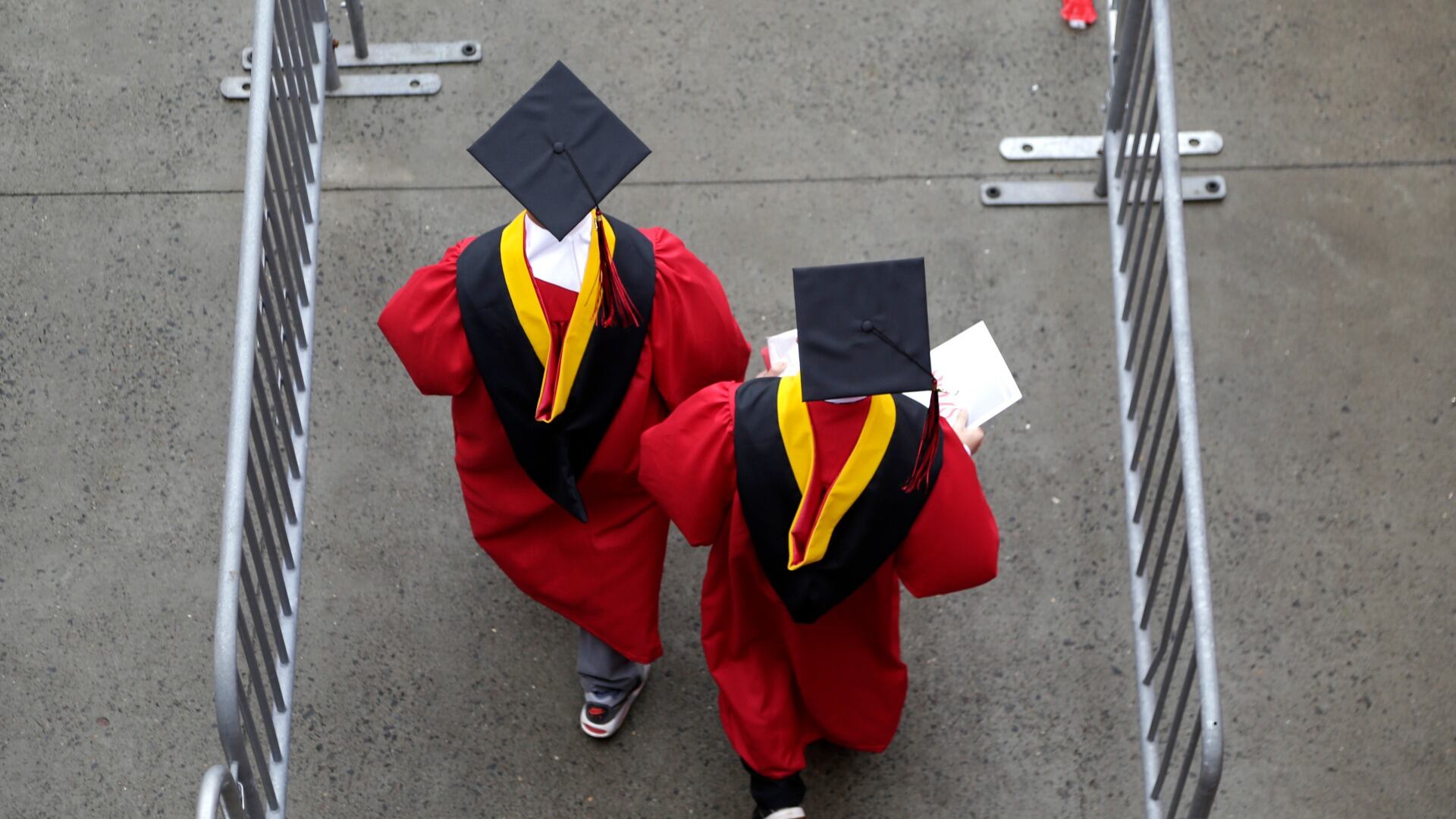
Wallet Hub released a list of the 10 states with the highest median monthly student loan payments.
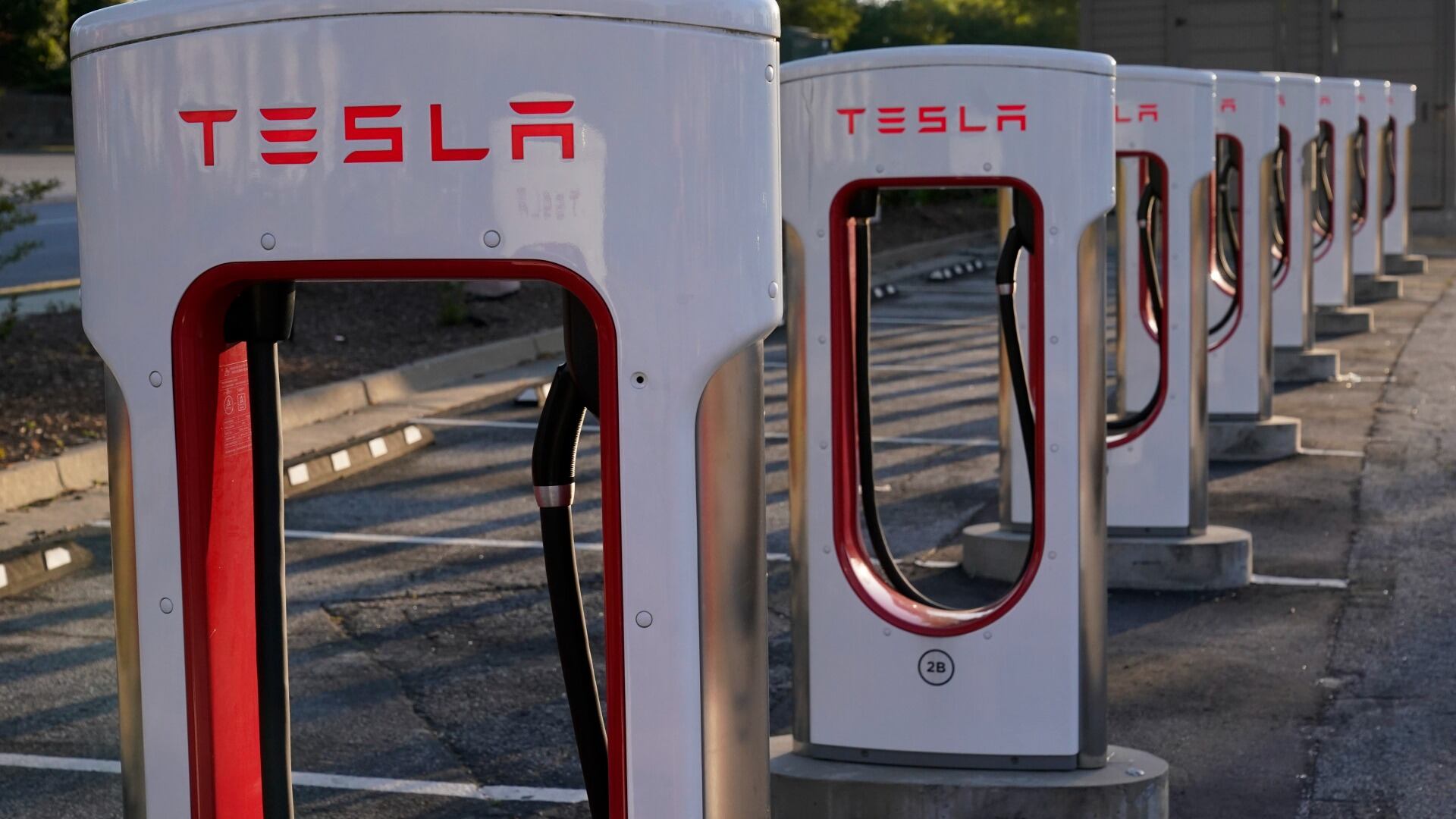
Oil and gas giant BP will purchase electric vehicle chargers from Tesla for $100 million.
Reports say olive oil prices have jumped 75% since January of 2021.
The big three car companies for GM and Stellantis have agreed to pay striking workers as they spend time on the picket line, according to The Wall Street Journal.
Elon Musk is making a big prediction about artificial intelligence and the jobs market.
Open enrollment season is here and the stress of picking the right plan for you could sometimes get overwhelming. Rosalyn Glenn, financial advisor with Prudential, joined Cheddar News to discuss what to know and understand about selecting your benefits to cover your medical needs and conditions, if any.
Learning about money is a skill that should be learned at an early age. OneMain Financial is now offering a financial course called 'Credit Worthy' across several high schools across the country, along with some scholarships. Doug Shulman, CEO of OneMain Financial, joined Cheddar News to discuss the importance of learning and understanding credit. "Over half of high school students graduate without knowing the basics about credit," Schulman said. "It really helps establish a great foundation to being an independent adult, to have a healthy and happy life, and some financial security is part of that."