With President Trump's tax reform bill now signed into law, some major U.S. corporations may now be prompted to bring back their cash from abroad. Raw Story Staff Writer Elizabeth Preza and CRTV Congressional Correspondent Nate Madden explain how people and businesses are reacting to the new tax policy.
"You're going to see an influx of some companies bringing assets back," says Madden. "They've gotten a one-time break on this, so they can move it without taking a tax hit." Corporations bringing more investments to the United States aligns with President Trump and the GOP's message on jobs says Madden.
Preza says it's important to look at the impact on jobs through previous corporate tax cuts like the one in 2004 enacted by the Bush administration. "The Congressional Research Service found that, instead of using money to invest back into the company, [corporations] really paid out shareholders and gave it back to themselves," says Preza.
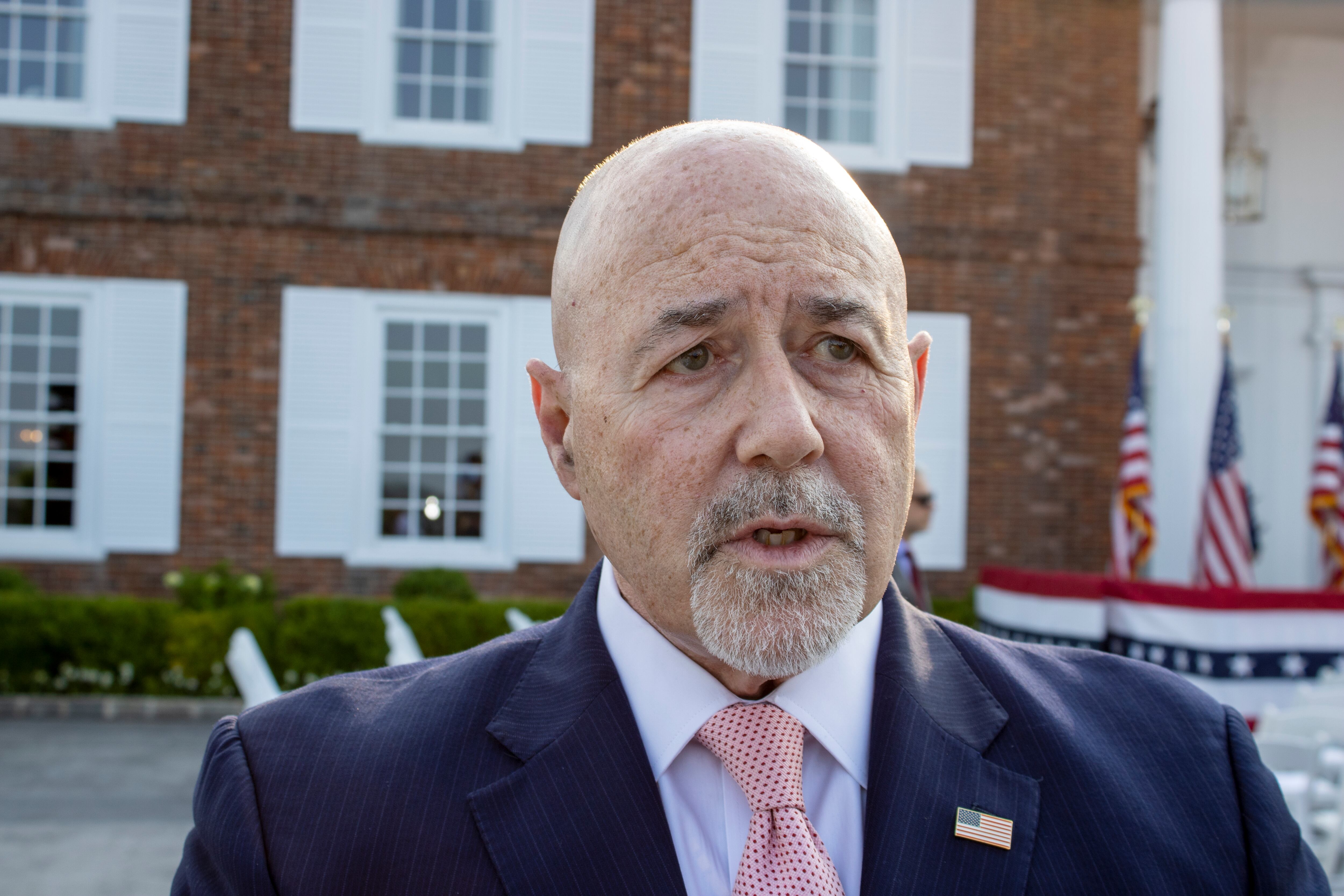
The lawyer for former NYPD commissioner Bernard Kerik turned over thousands of pages and documents to a special counsel as part of an investigation into Kerik's alleged involvement to overturn the results of the 2020 election.
Israel’s parliament on Monday approved the first major law in Prime Minister Benjamin Netanyahu’s contentious plan to overhaul the country’s justice system, triggering a new burst of mass protests and drawing accusations that he was pushing the country toward authoritarian rule.
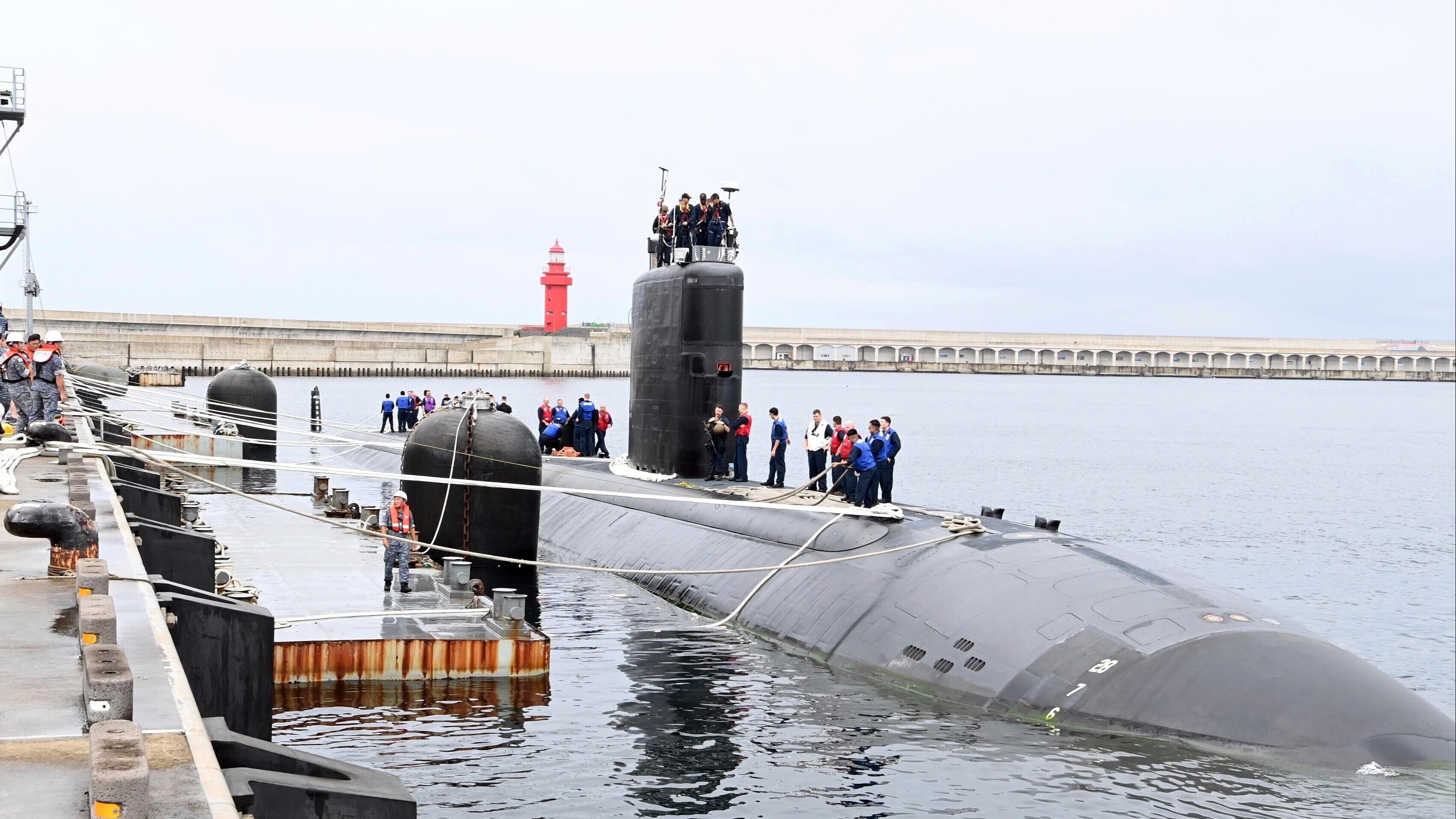
North Korea fired two short-range ballistic missiles into its eastern sea, South Korea’s military said Tuesday, adding to a recent streak in weapons testing that is apparently in protest of the U.S. sending major naval assets to South Korea in a show of force.
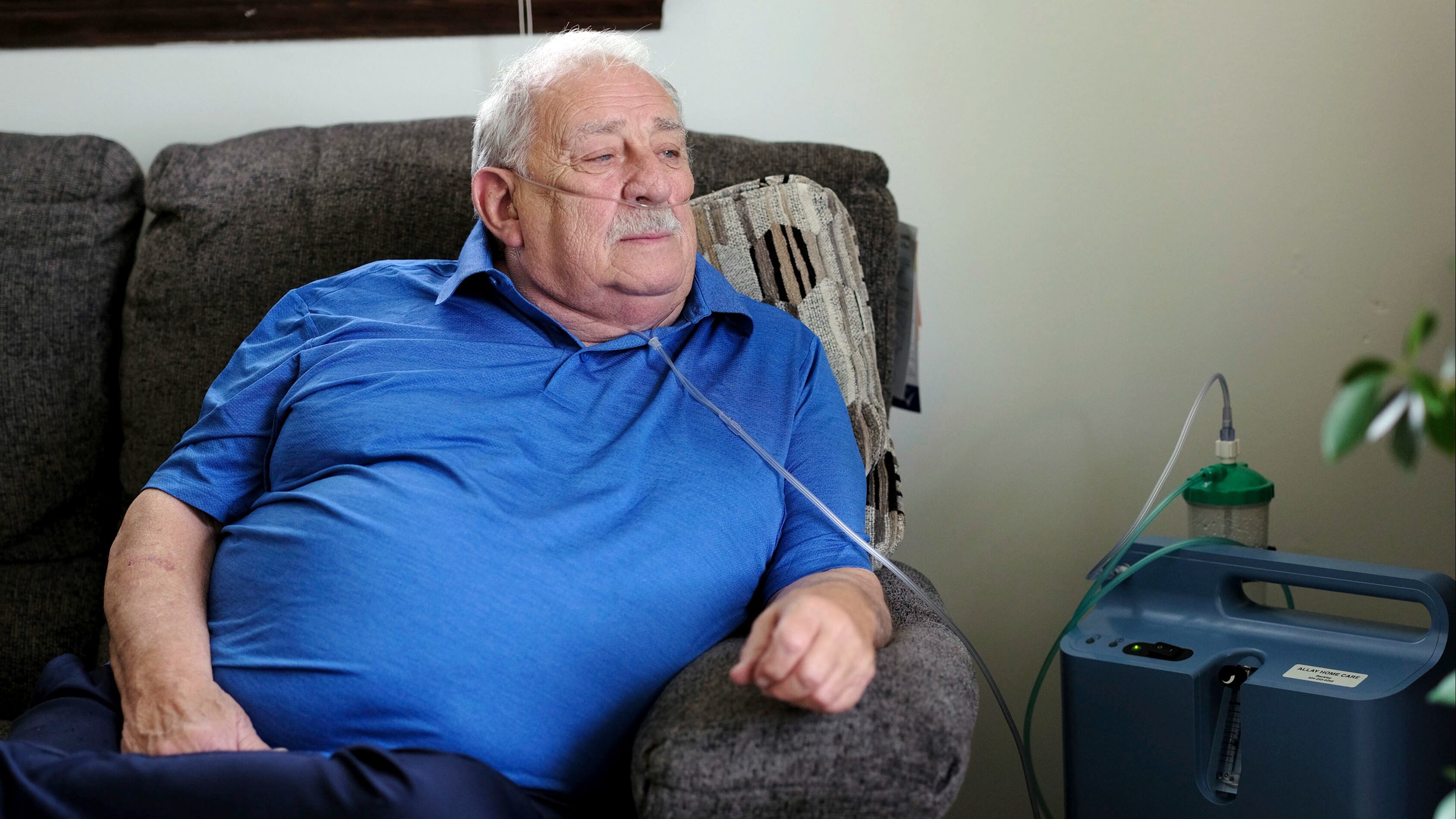
Now the federal Mine Safety and Health Administration has proposed a rule that would cut the current limit for silica exposure by half — a major victory for safety advocates. But there is skepticism and concern about the government following through after years of broken promises and delays.
A state trooper's account of officers denying migrants water in 100-degree Fahrenheit (37.7 Celsius) temperatures and razor wire leaving asylum-seekers bloodied has prompted renewed criticism.