Would it surprise you to know that some of the most popular go-to cleaning supplies all derived from a soap that was launched in the late 1800s?
Proctor and Gamble first created its iconic Ivory soap in 1879 and has since created a number of products that people rely on everyday. That first bar of soap was created for use on human skin. A short time after its success, Proctor and Gamble began creating new formulas from the Ivory derivative.
Some of the formulas, which ended up being performance failures due to either a lack of effective cleaning or residue buildup, included Dreft and Dash soaps. Tide ultimately replaced both of those options as the superior detergent in 1946.
While the original Tide formula was designed for clothes and dishes, it actually was more suitable for handwashing.
Then, in 1955 when the dishwasher became a prominent household item, Proctor and Gamble went back to their Ivory soap formula to create a new one called Cascade. It has since gone through several changes for optimal dishwashing.
Stocks fell in the opening session Tuesday as earnings reports continued to pour in and as investors brace for the Federal Reserve's interest-rate decision on Wednesday.
A flow of recent data from the U.S. government has made one thing strikingly clear: A surge in consumer spending is fueling strong growth, demonstrating a resilience that has confounded economists, Federal Reserve officials and even the sour sentiments that Americans themselves have expressed in opinion polls.
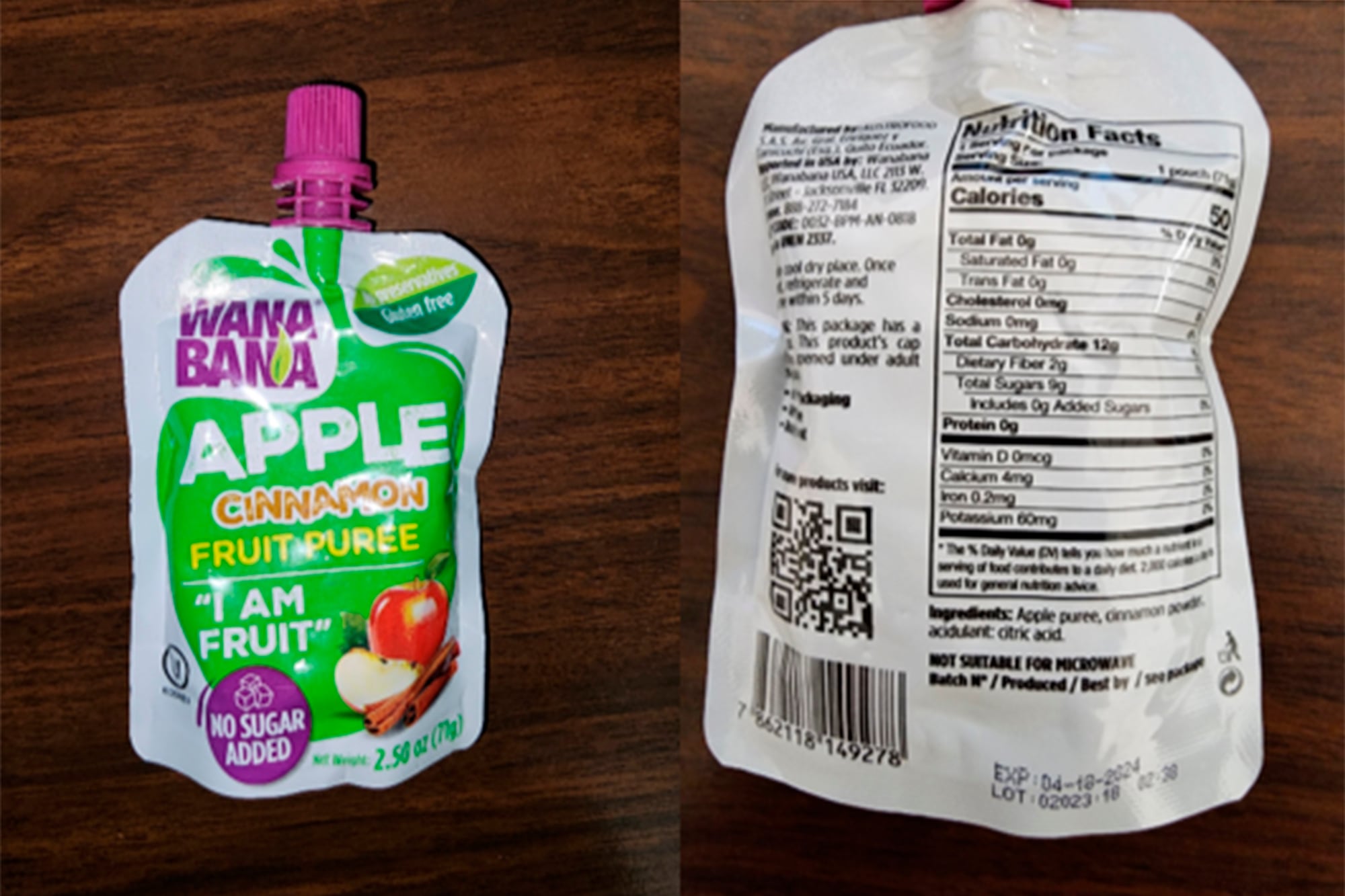
The U.S. Food and Drug Administration is warning parents and caregivers not to buy or serve certain pureed fruit pouches marketed to toddlers and young children because the food might contain dangerous levels of lead.
General Motors and the United Auto Workers union have reached a tentative contract agreement that could end a six-week-old strike against Detroit automakers, three people briefed on the deal said.