Would it surprise you to know that some of the most popular go-to cleaning supplies all derived from a soap that was launched in the late 1800s?
Proctor and Gamble first created its iconic Ivory soap in 1879 and has since created a number of products that people rely on everyday. That first bar of soap was created for use on human skin. A short time after its success, Proctor and Gamble began creating new formulas from the Ivory derivative.
Some of the formulas, which ended up being performance failures due to either a lack of effective cleaning or residue buildup, included Dreft and Dash soaps. Tide ultimately replaced both of those options as the superior detergent in 1946.
While the original Tide formula was designed for clothes and dishes, it actually was more suitable for handwashing.
Then, in 1955 when the dishwasher became a prominent household item, Proctor and Gamble went back to their Ivory soap formula to create a new one called Cascade. It has since gone through several changes for optimal dishwashing.
Senior Economist at Morning Consult Kayla Bruun shares thoughts on what to expect from the Fed's January meeting and where monetary policy is headed, as well as how consumers are faring.
Former Medtronic CEO and author of 'True North' Bill George explains the steps Boeing leadership must take to regain client and consumer trust after 737 Max 9 production was stopped.
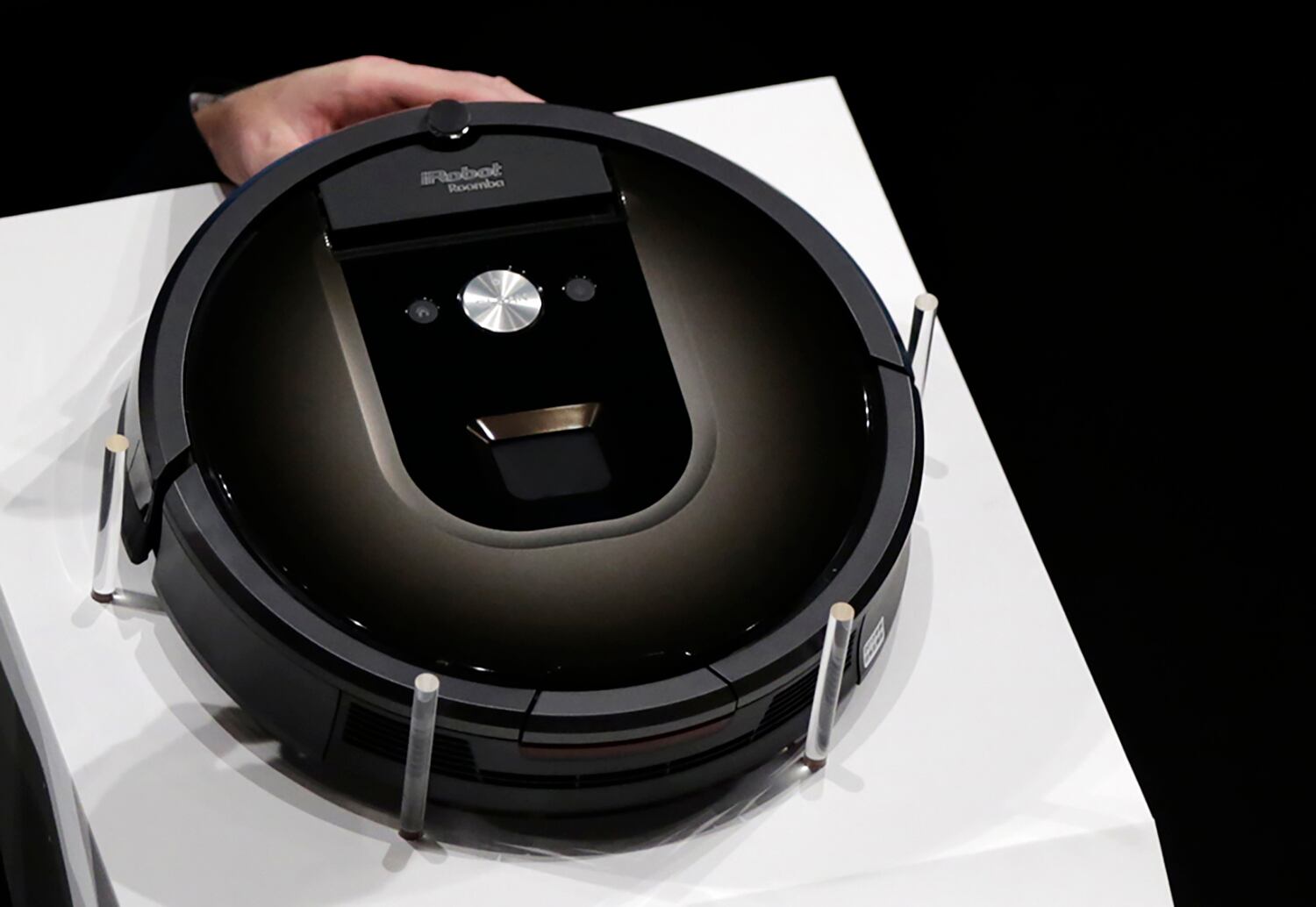
Amazon blamed "regulatory hurdles" for calling off its proposed acquisition of robot vacuum maker iRobot. Not even a Roomba could clean up the deal's antitrust scrutiny.
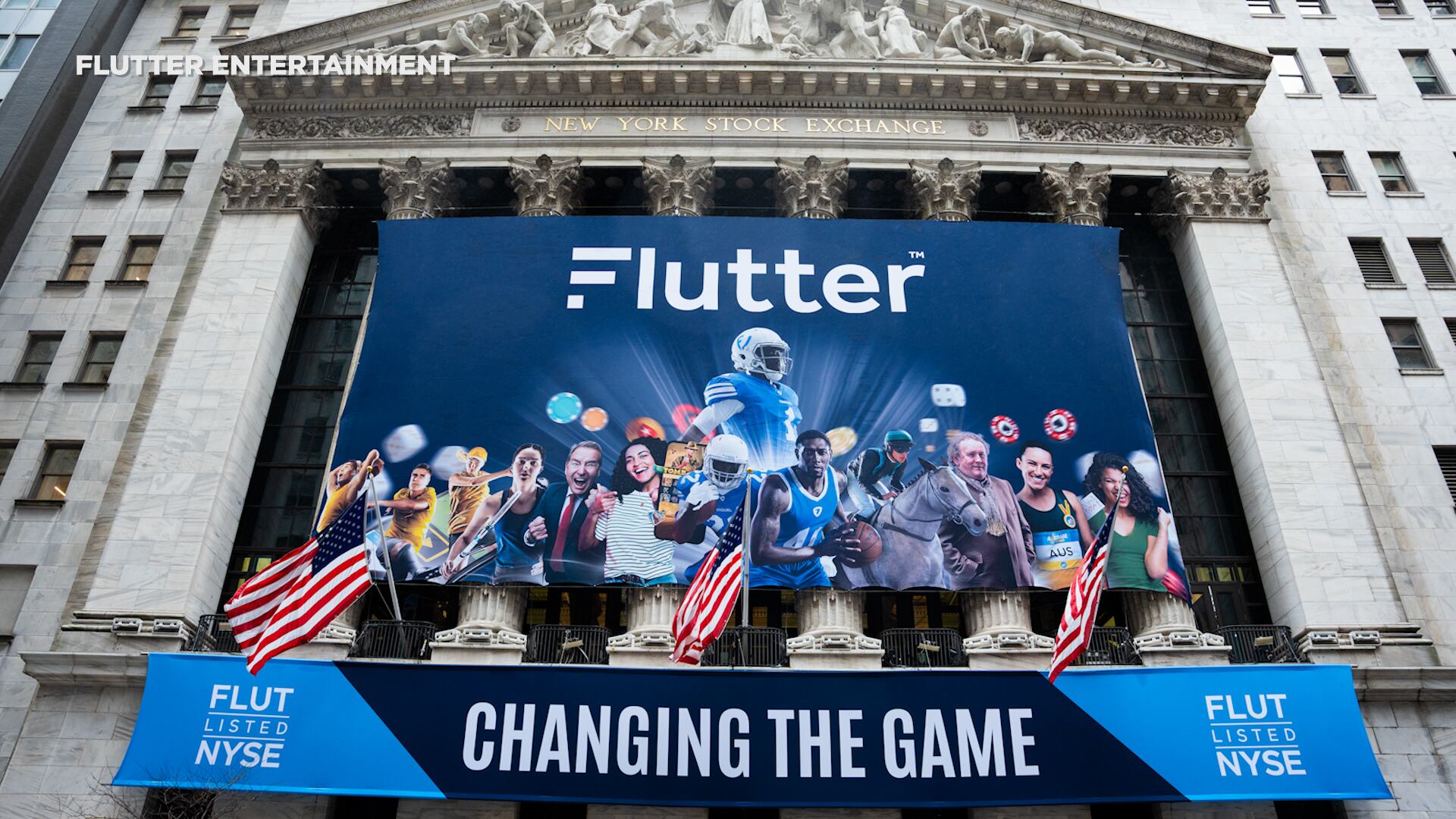
To celebrate Flutter Entertainment's debut on the NYSE, FanDuel CEO Amy Howe shares her thoughts on the company's plans for growth, the future of online sportsbetting, and Super Bowl Sunday.
Investopedia's Caleb Silver shares thoughts on the upcoming Fed meeting, why individual investors are still slightly skeptical, and what he's looking for from mega cap tech earnings.
Season's greetings! Tax season, that is. January 29 is the first day you can file your tax return. We walk you through each step — plus a checklist you can download.
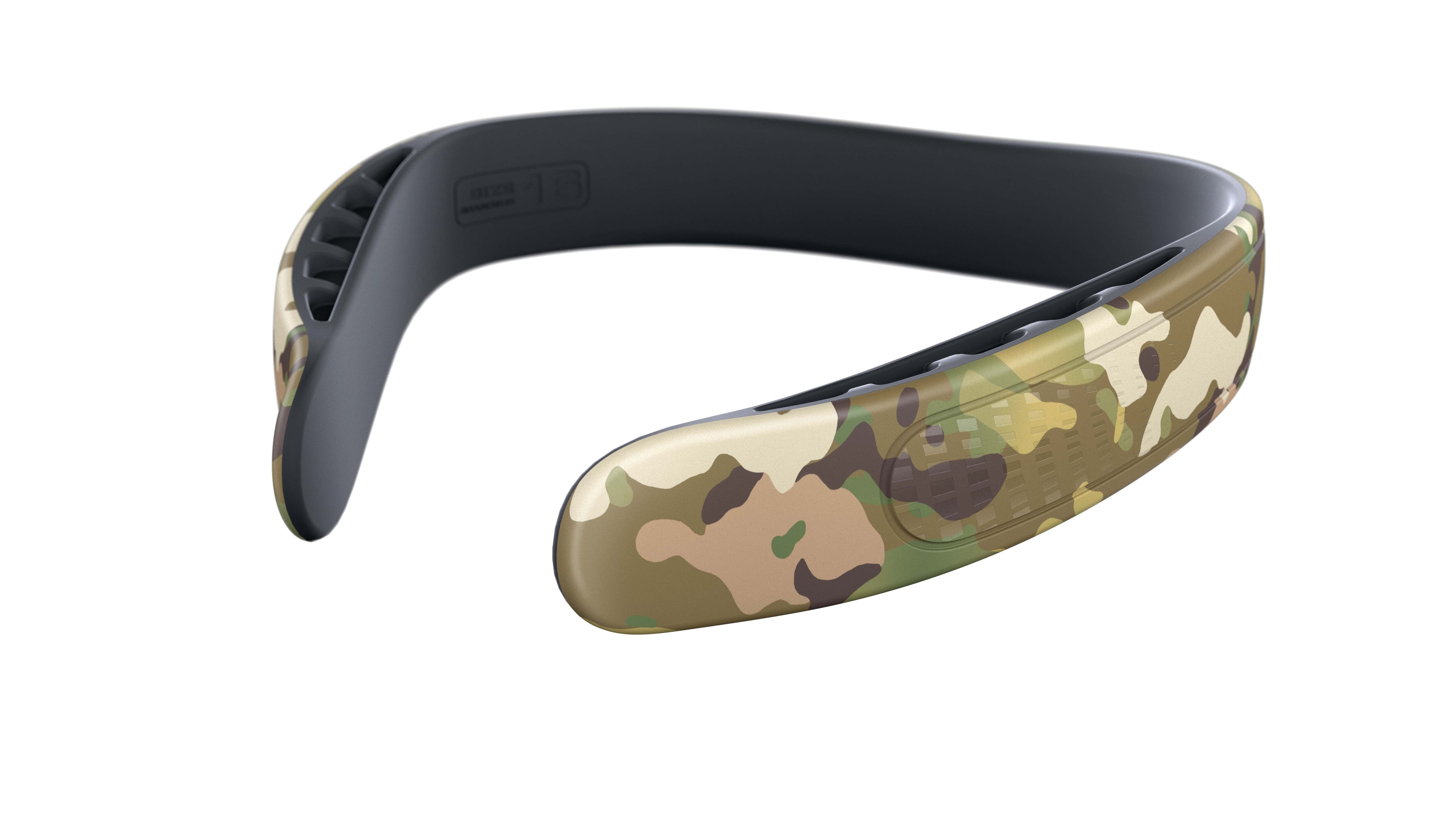
The Q-Collar helps protect athletes from impact-related concussions. Now, the U.S. Army is evaluating if the device could help reduce traumatic brain injury cased by blast weapons.
Co-founder and executive chairman of the board at Vaxxinity Lou Reese shares how the company is working to bring vaccines for chronic illnesses like heart disease and Parkinson’s to market with an eye for accessibility.